


The General Dynamics F-16 Fighting Falcon started life as a cheap, light day fighter and turned into one of the most widely used combat aircraft ever built. General Dynamics is now part of Lockheed Martin, and more than 4,500 F-16s have been produced since mass production was approved in 1976.
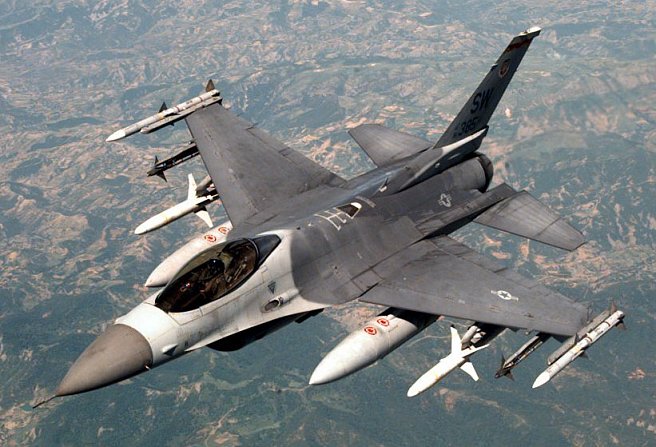
The US Air Force no longer buys new ones, but the production line is still running for export customers. Around 25 air forces fly the type.
Born from the Lightweight Fighter programme
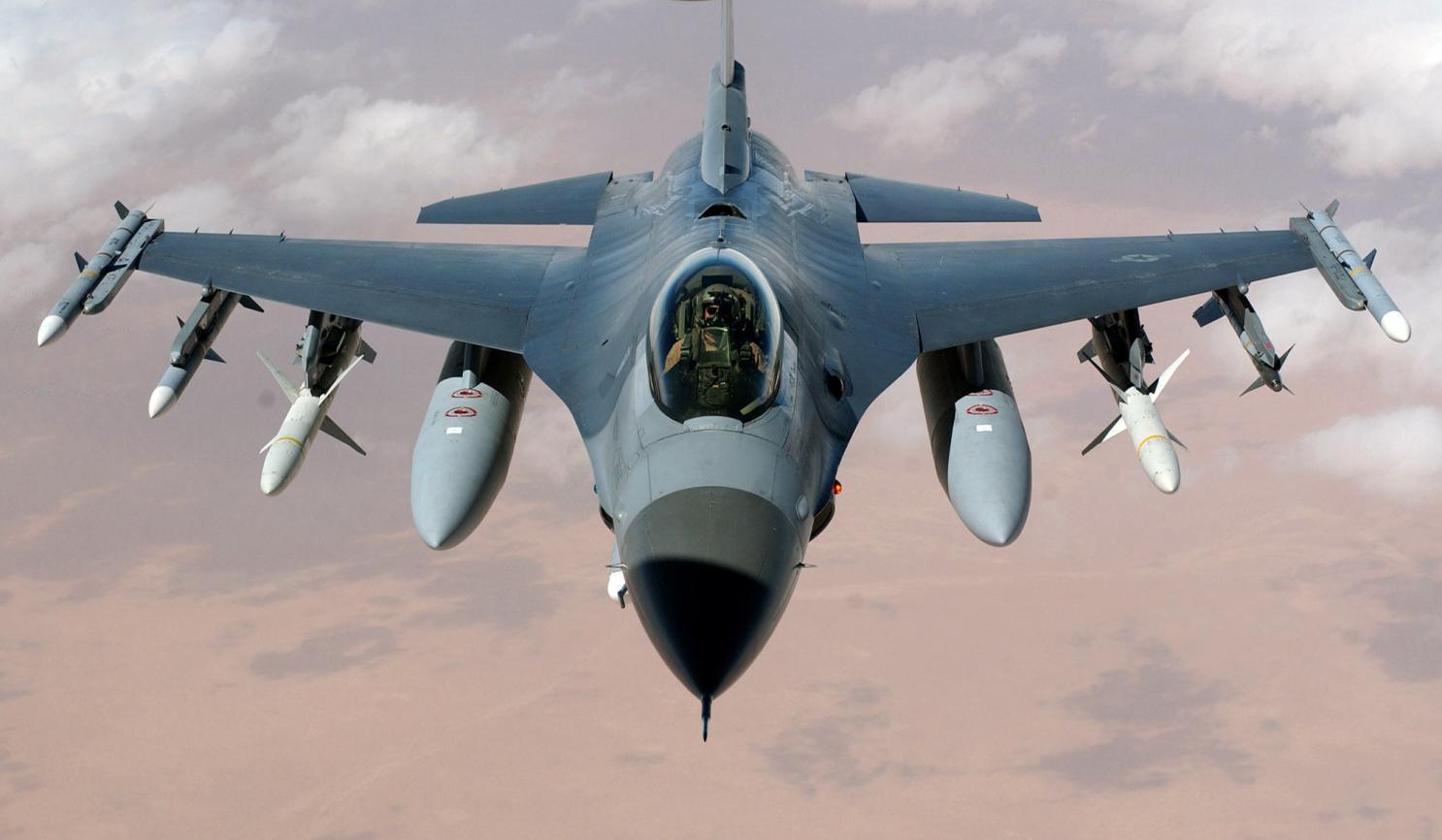
While the F-15 was in development, the Air Force worked out it could never afford enough of them to do everything. It needed something smaller and cheaper to fly alongside. That thinking produced the Lightweight Fighter programme, and the F-16 was the result.
The economics turned out to matter as much as the aerodynamics. An air force that can afford a lot of good aircraft often beats one that can only afford a few excellent ones.
First flight
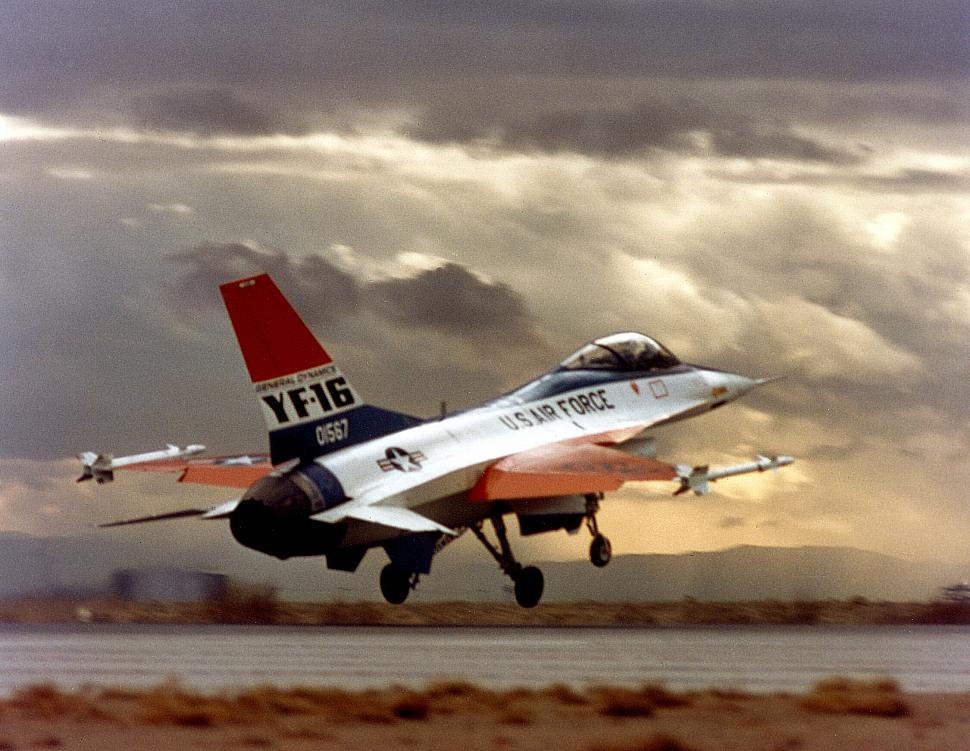
The prototype flew in 1974. Half a century later the design is still in production, which almost nothing else in military aviation can claim.
Why pilots call it the Viper
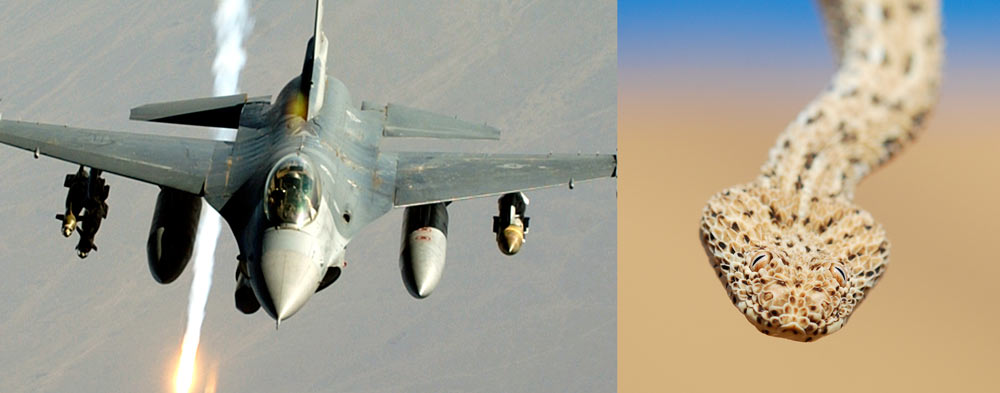
Officially it is the Fighting Falcon. Almost nobody who flies it calls it that. To its pilots it is the Viper, a nickname that stuck from the earliest days and never came loose.
Two explanations circulate. One is the aircraft’s resemblance to a viper’s head seen nose on. The other is the Colonial Viper from Battlestar Galactica, which was on television as the F-16 entered service. Pilots tend to prefer the second story.
The cockpit changed how fighters are flown
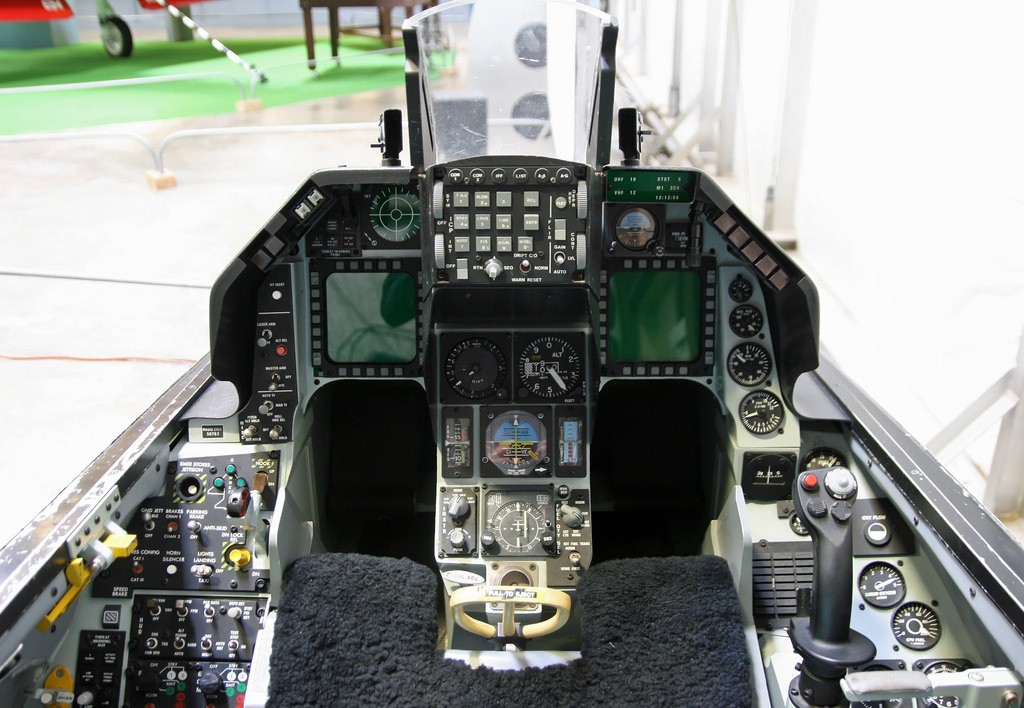
Three features made the F-16 cockpit unusual for a production fighter, and all three were about keeping a pilot effective under heavy g loading.
The control stick sits on the right console rather than between the knees, so the pilot’s forearm stays supported when the aircraft is pulling hard. The seat is reclined roughly 30 degrees, which raises g tolerance by shortening the vertical distance blood has to travel. And the frameless bubble canopy gives an almost uninterrupted view, including a genuine look down angle over the nose.
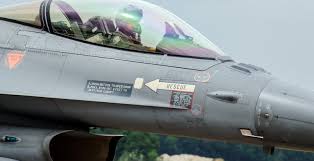
In a fight where seeing the other aircraft first decides the outcome, that visibility is not a comfort feature.
Fly by wire, and deliberate instability
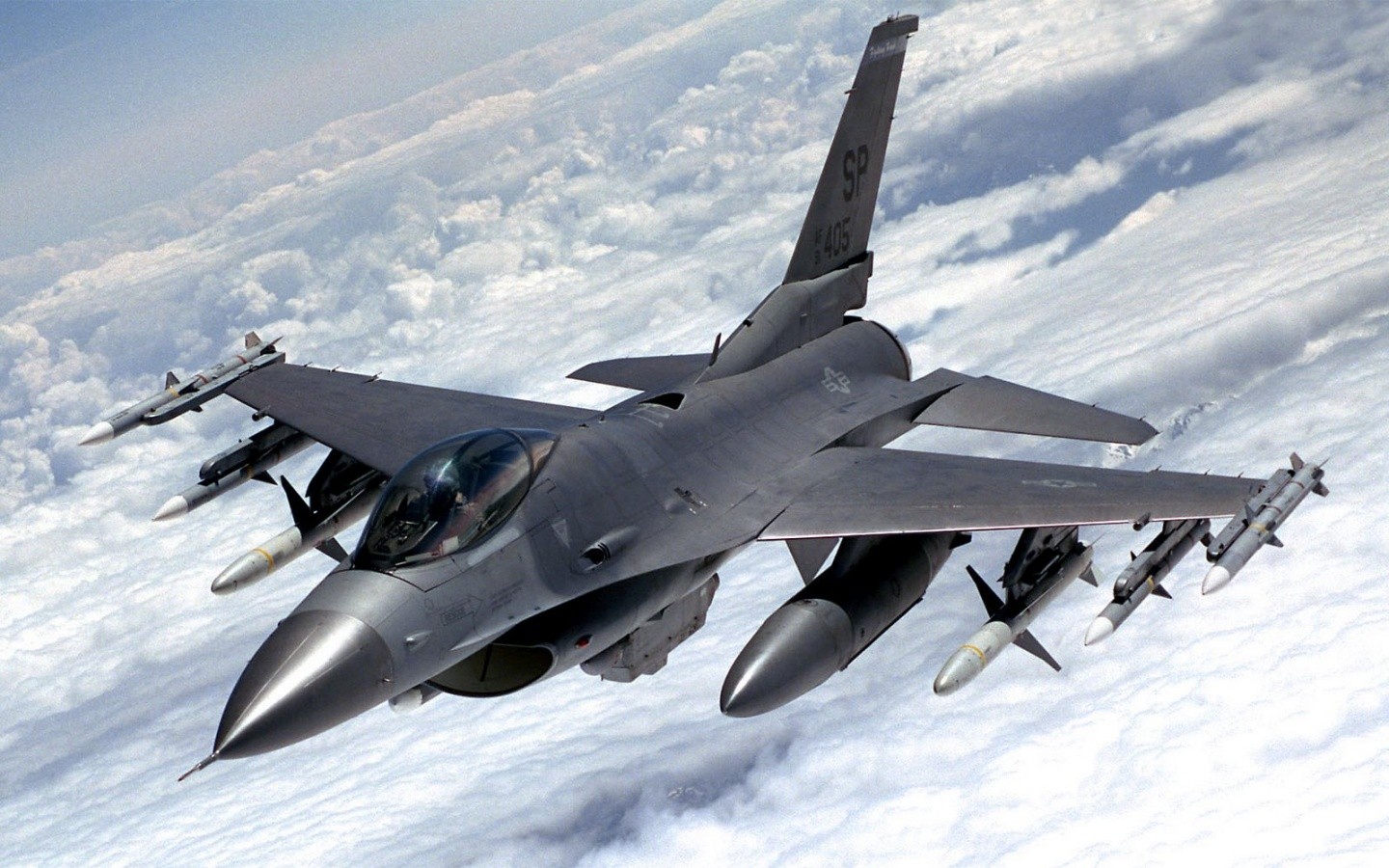
The F-16 was the first production fighter built around a full fly by wire flight control system with relaxed static stability. The airframe is not naturally stable, and computers make constant corrections to keep it pointed where the pilot wants.
Every fighter since has followed. At the time it was a genuine leap of faith: no mechanical backup, just software between the pilot and the ground.
It pulls 9g
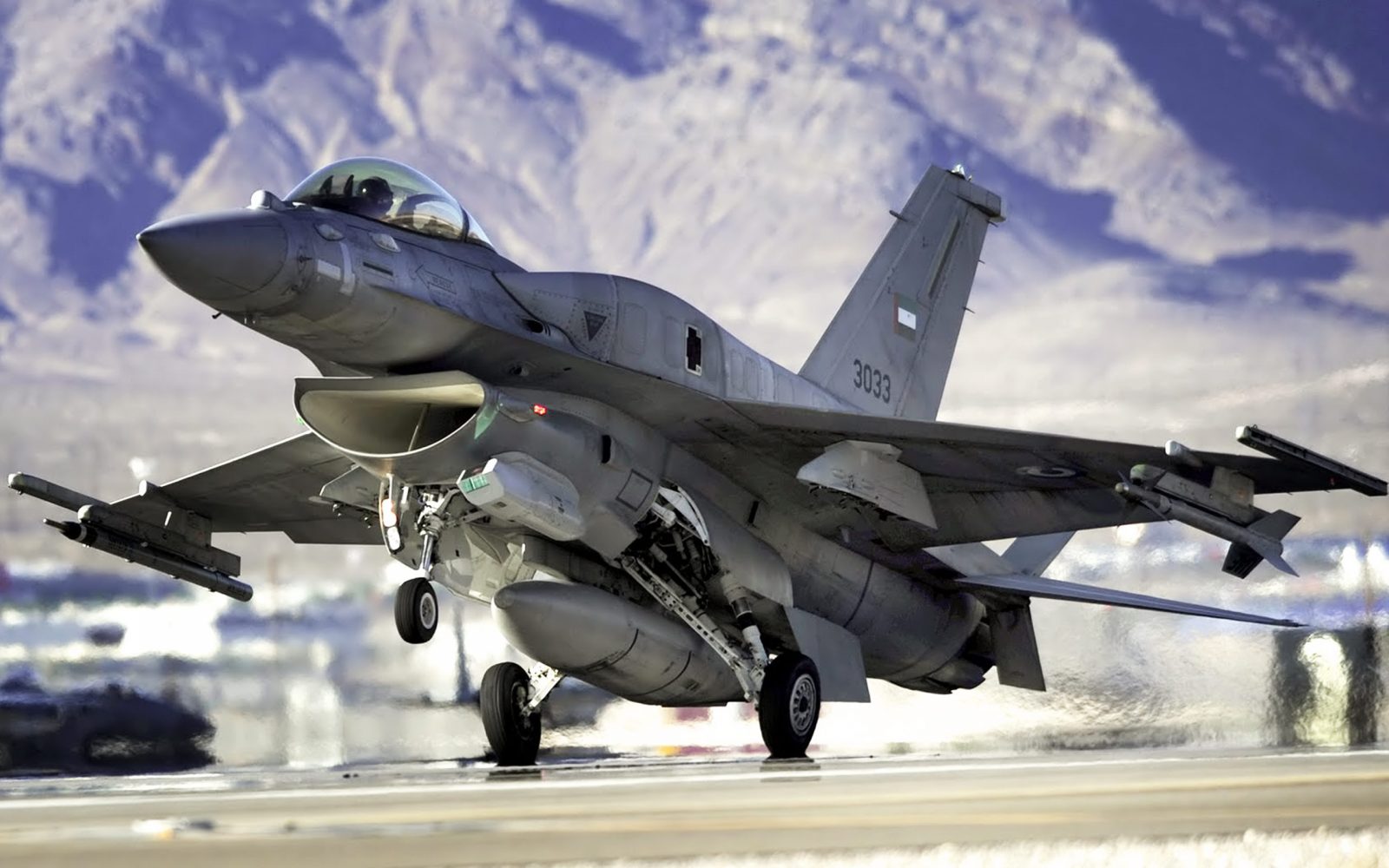
The F-16 was designed to sustain 9g, and the reclined seat and side stick exist largely to make that survivable for the person inside. The limiting factor in an F-16 turn is usually the pilot, not the aeroplane.
Easy to work on
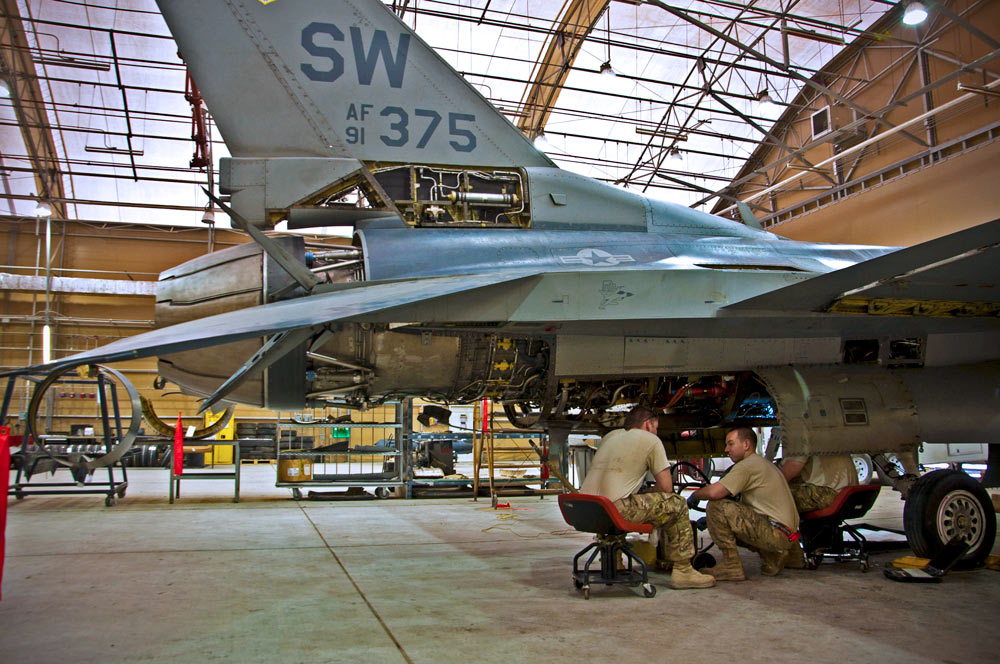
Around 80 percent of the aircraft’s access panels can be reached without a ladder or a stand. That sounds trivial and is not. Maintenance hours per flight hour decide how many aircraft an air force can actually put in the sky on a given day, and the F-16 was designed with the people holding the spanners in mind.
The unarmed F-16s of 11 September 2001
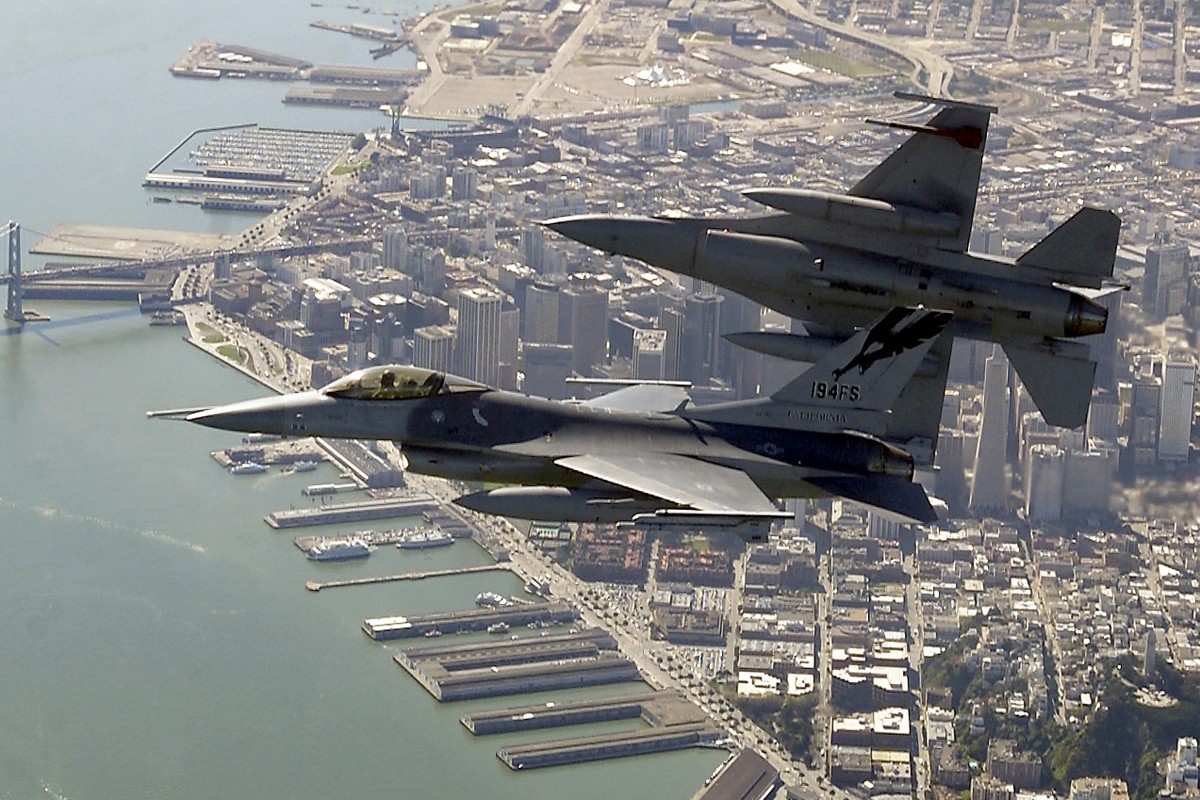
On 11 September 2001, two F-16s of the District of Columbia Air National Guard launched from Andrews Air Force Base to intercept United Airlines Flight 93, which was believed to be heading for Washington.
The aircraft were not armed. They had been on a training mission and carried only training ammunition, and there was no time to fit missiles. Colonel Marc Sasseville and Lieutenant Heather “Lucky” Penny took off anyway. The plan, as both have since described it, was to bring the airliner down by ramming it, Sasseville into the cockpit and Penny into the tail. Neither expected to survive.
They never found the aircraft. Flight 93 had already come down in Pennsylvania after the passengers fought back. The two F-16s spent the rest of the day clearing airspace over the capital.
Still flying, still being upgraded
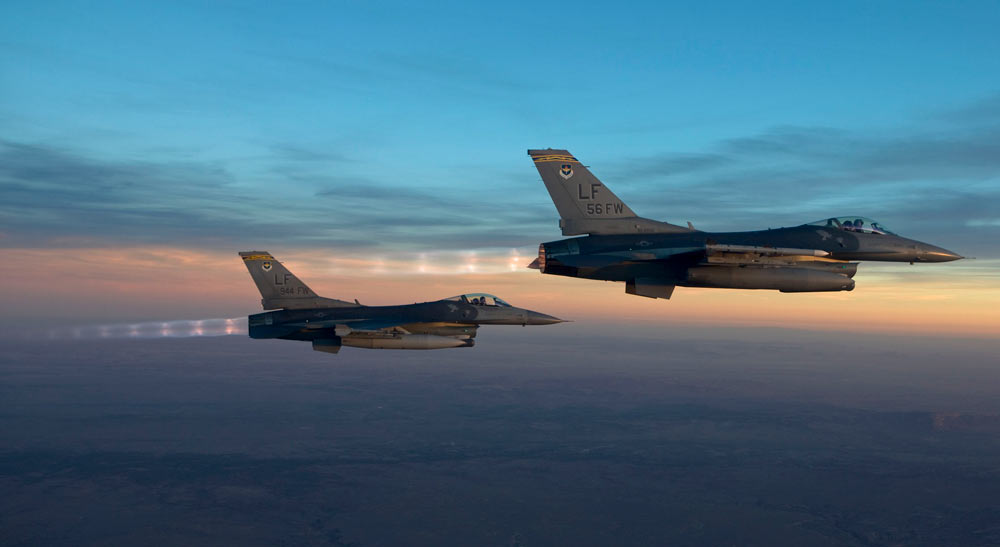
The F-35 was meant to replace the F-16, and eventually it will. But the Air Force keeps finding reasons to hold on: the F-16 is cheap to fly, plentiful, and good enough at most of what is actually asked of combat aircraft. Upgraded variants are being delivered to export customers now, and the type has decades of service left in it.
For how it compares with the current top tier, see the top fighter jets in the world.
