


A good fighter lets the pilot spend attention on the fight instead of on flying the aeroplane. Every modern fighter is built on that idea. The Lockheed Martin F-22 Raptor took it further than anything before it, and more than two decades after entering service it is still the aircraft other air forces measure themselves against.
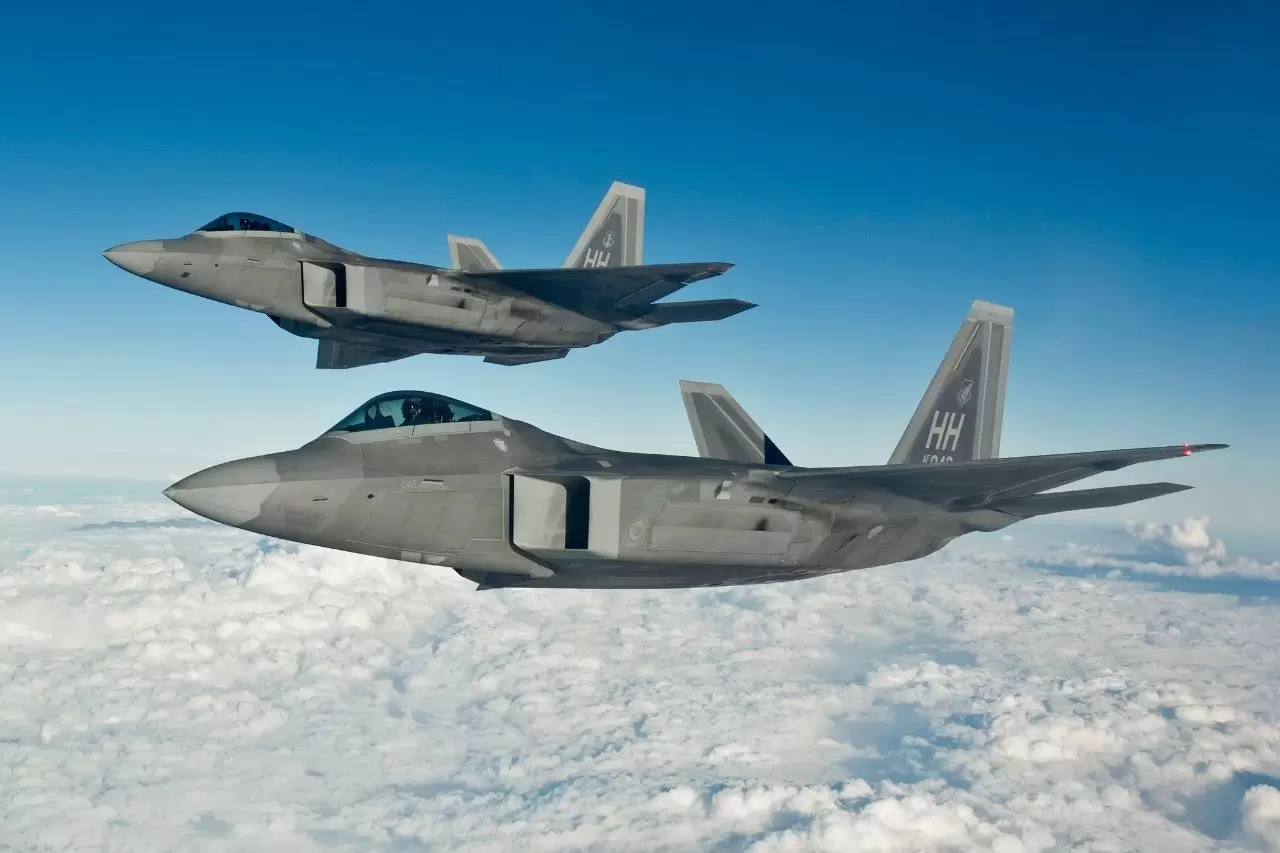
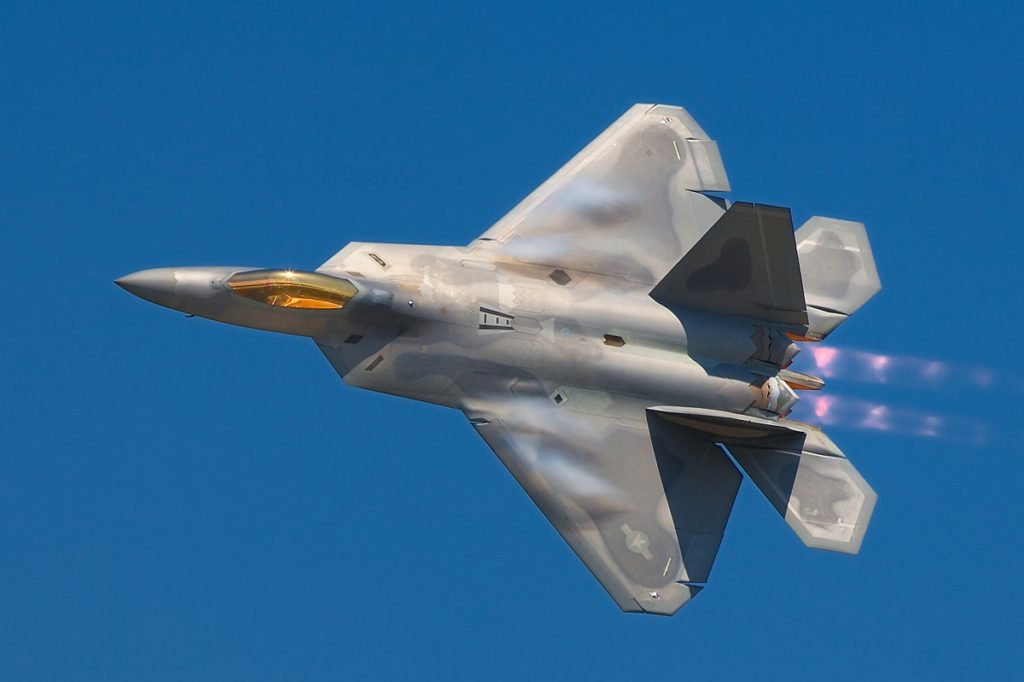
The programme began in the 1980s, with the design taking shape in the early 1990s. The brief was air to air dominance: replace the ageing F-15 and F-16 in the air superiority role with something that could see first, shoot first and not be seen at all. The F-22 became the first operational fifth generation fighter, single seat and twin engine.
What it cost, and why it was nearly cancelled
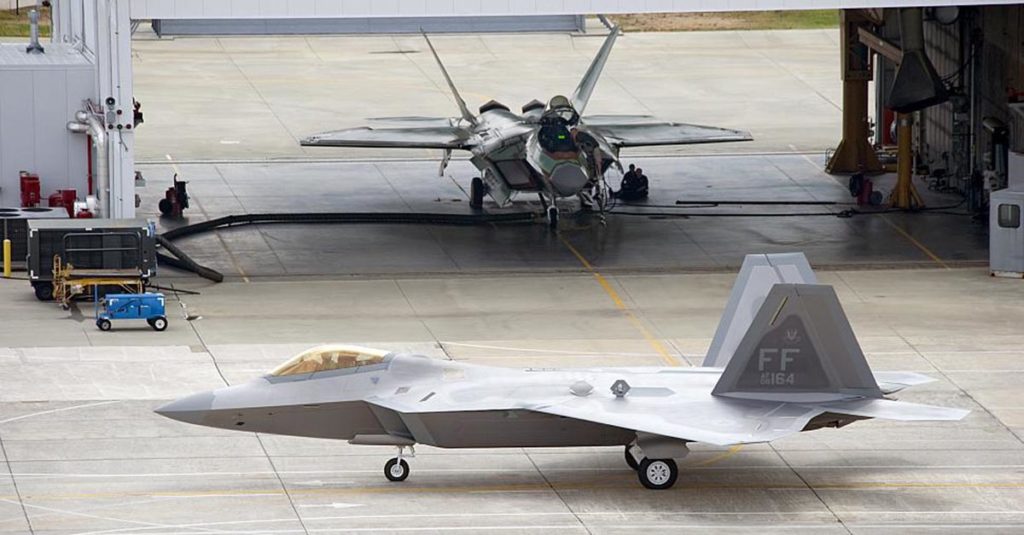
The total programme was estimated at roughly $67.3 billion, working out at about $360 million for each production aircraft delivered once development is included. The flyaway cost of building one more airframe is considerably lower than that, but the headline figure is what drove the politics.
And the politics were fierce. Both Defence Secretary Donald Rumsfeld and Senator John McCain argued against continuing. In the end production was capped well below what the Air Force originally wanted. Only 195 were built in total, 187 production aircraft plus eight for testing, and the line closed. That scarcity is why the F-22 is husbanded so carefully today.
One seat, and a cockpit built around workload
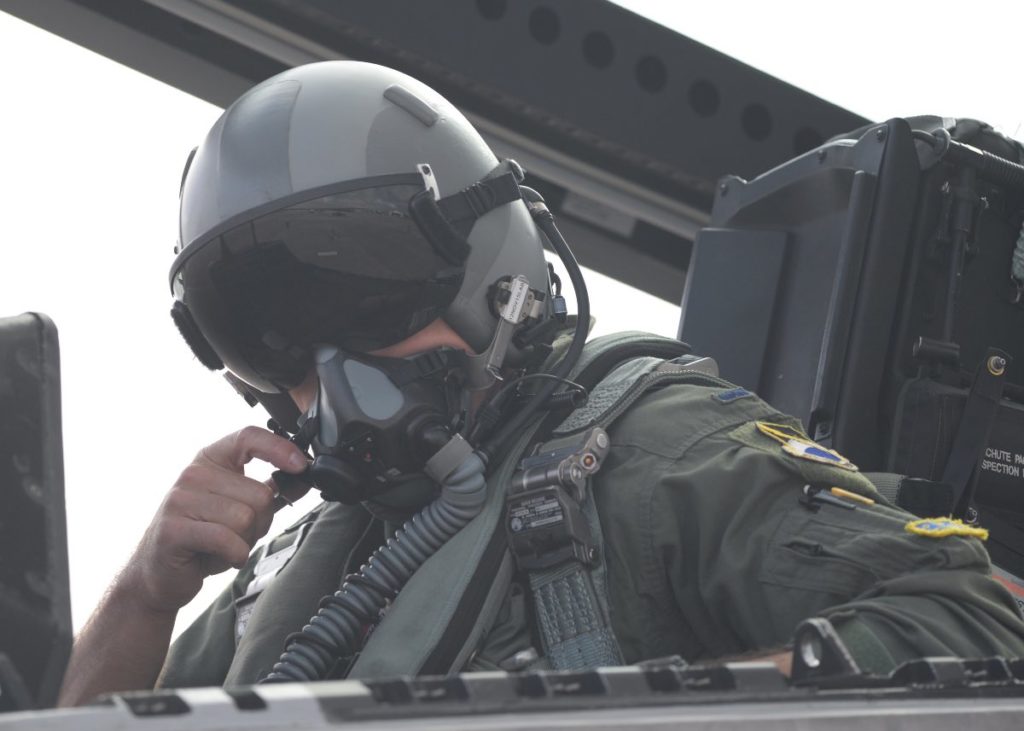
The Raptor is flown by one pilot. There is no two seat version, which is unusual for an aircraft this complex and means conversion training happens in simulators rather than with an instructor in the back.
The cockpit is not spacious, but it was designed around reducing what the pilot has to do. Sensor information is fused and presented as a single picture rather than as separate radar, threat and navigation displays the pilot has to combine mentally. That fusion, more than the stealth shaping, is what made the aircraft a generational leap.
First flight
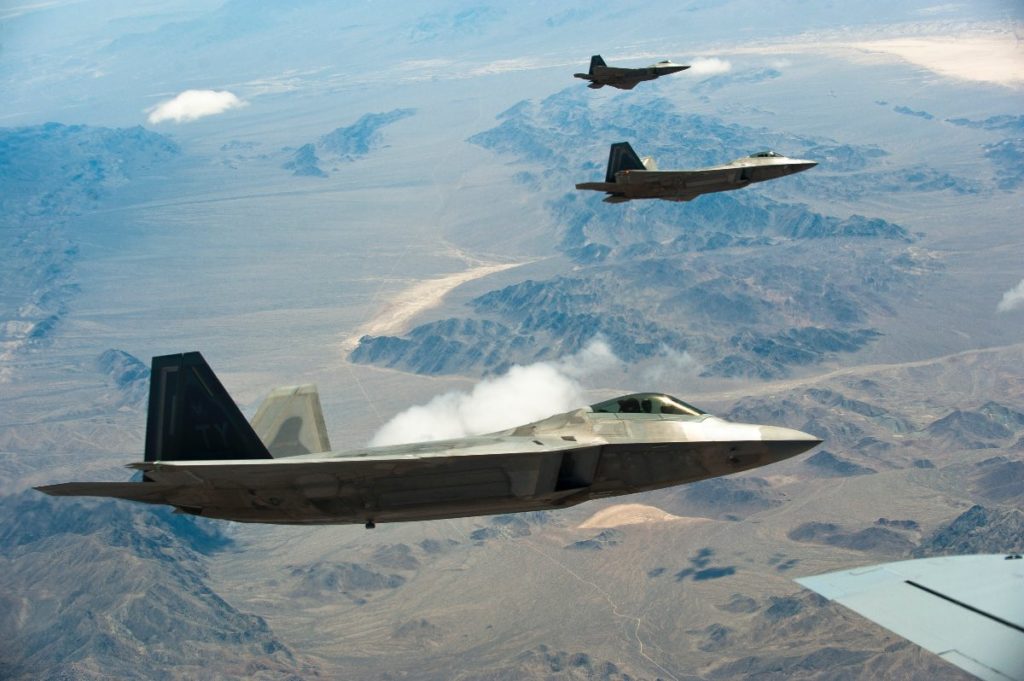
The YF-22 prototype flew on 29 September 1990. The first F-22 of the engineering and manufacturing development phase, much closer to the production aircraft, flew on 7 September 1997 with chief test pilot Alfred “Paul” Metz at the controls.
The lucky shirt
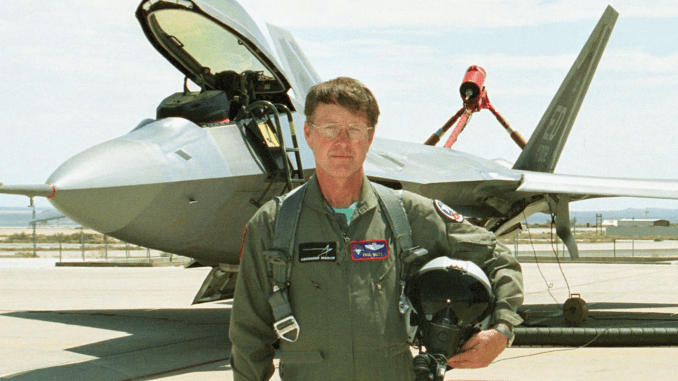
Test flying attracts superstition, and Metz is said to have worn a Super Chicken t-shirt under his flight suit for that first flight. For an aircraft this expensive and this scrutinised, a lucky shirt seems a reasonable precaution.
It took 17 years to fire a shot
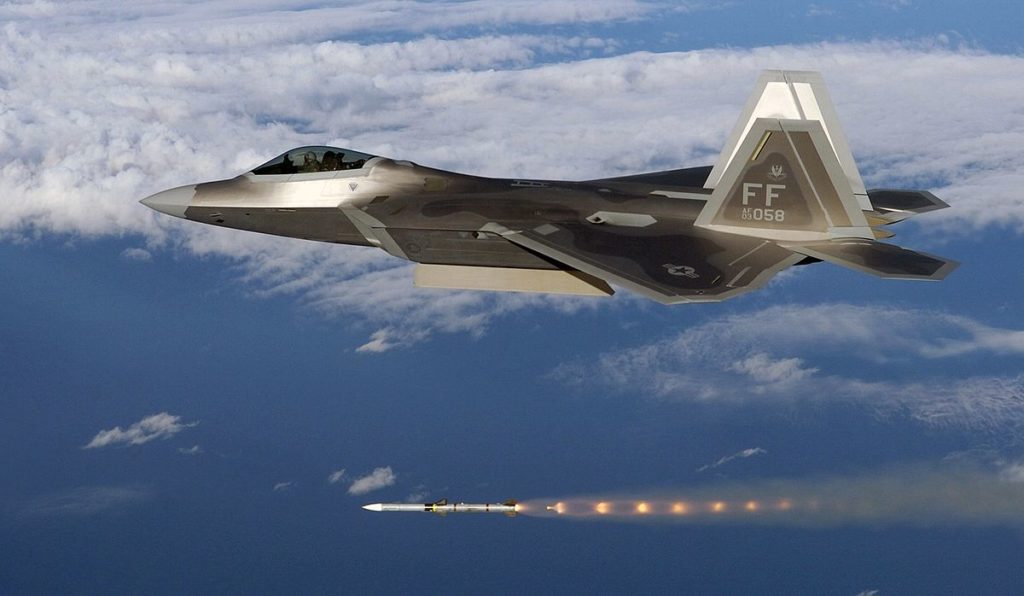
Despite flying in 1997, the F-22 did not see combat until 2014, during the American intervention in Syria against ISIS. Its role was not what it was designed for. Instead of fighting other fighters, it escorted strike packages and gathered information on enemy air defences while other aircraft dropped the bombs.
That gap says something about the aircraft. It was built for a peer conflict that did not arrive, and it spent its first two decades as a deterrent rather than a weapon.
Range, and the tanker problem
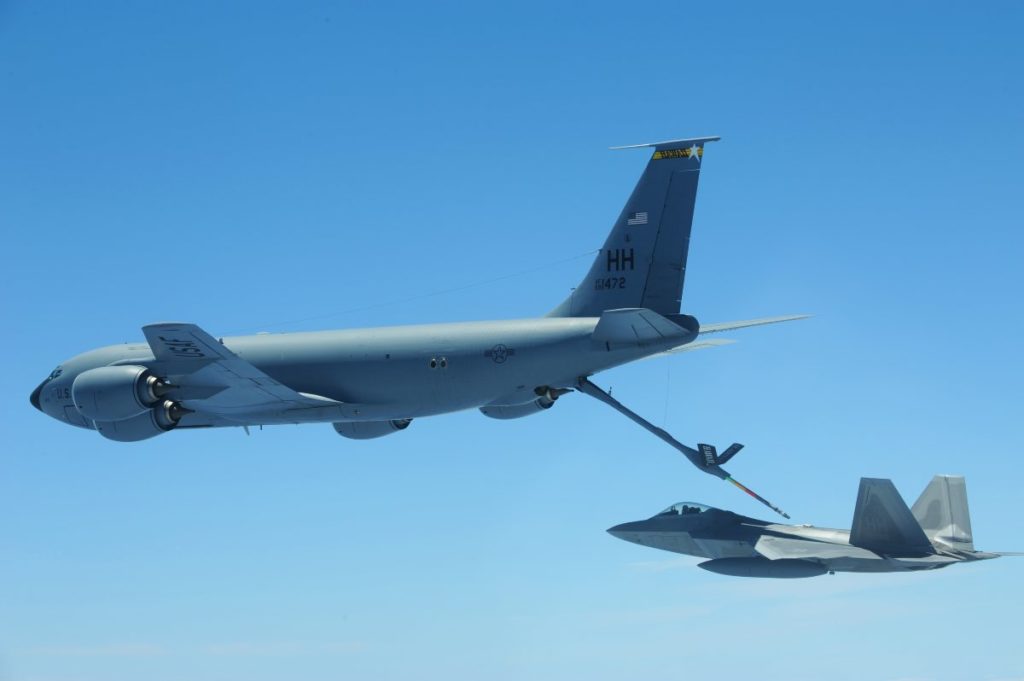
Ferry range is over 1,600 nautical miles, around 1,840 miles, and top speed is above Mach 2. Useful numbers, but nothing like enough to cross an ocean unaided.
Every long range F-22 deployment therefore depends on tankers. During the Syria operations the Raptors relied on aerial refuelling to reach and return from their targets. A stealth fighter is only as far reaching as the very unstealthy tanker fleet supporting it, which is a constraint planners think about constantly.
A good safety record
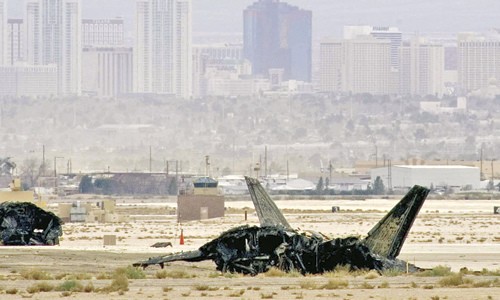
For an aircraft this advanced the F-22 has lost relatively few airframes. One of the YF-22 prototypes was lost during flight testing at Edwards Air Force Base in the early 1990s, and the pilot survived.
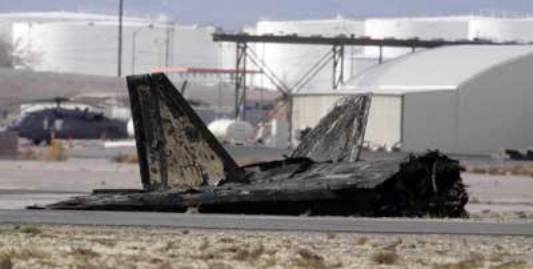
A production aircraft was lost on takeoff at Nellis Air Force Base in Nevada in 2004 after a flight control problem. The pilot ejected safely. With only 195 aircraft ever built, every loss matters more than it would in a large fleet.
Still the benchmark

The F-22 is no longer the newest stealth fighter, and the F-35 exists in far greater numbers. But for pure air to air performance, the Raptor is still the aircraft that sets the standard, and the small fleet is being upgraded rather than retired.
If you want the direct comparison, we covered the difference between the F-22 and the F-35.
