

Close Menu
    What's Hot

    Can a Plane Land on Water? What Ditching Certification Actually Requires

    October 12, 2026

    How Long Does a Pilot Stay Current? The 90 Day Rule and the Flight Review

    October 11, 2026

    What Medical Certificate Do Pilots Actually Need? Class 1, 2, 3 and BasicMed

    October 9, 2026
    X (Twitter) Pinterest YouTube TikTok Facebook Instagram
    Crew DailyCrew Daily
    Subscribe
    • Home
    • Aircraft & Technology
    • Cockpit & Operations
    • News
      • Aviation Updates
    • Pilot Careers
    • Flight Training
    Crew DailyCrew Daily
    Home » SR-71 Blackbird: Facts About the Fastest Plane
    Pilot Careers

    SR-71 Blackbird: Facts About the Fastest Plane

    Crew DailyBy Crew DailyNovember 29, 2018Updated:September 27, 2026No Comments4 Mins Read
    Facebook Twitter Pinterest LinkedIn Tumblr Email
    SR 71 Blackbird | Crewdaily
    Share
    Facebook Twitter LinkedIn Pinterest Email

    The Lockheed SR-71 Blackbird still holds the record for the fastest air breathing manned aircraft ever flown. It was retired decades ago and nothing built since has taken the title back. Here is what is actually true about it, and which famous claims are not.
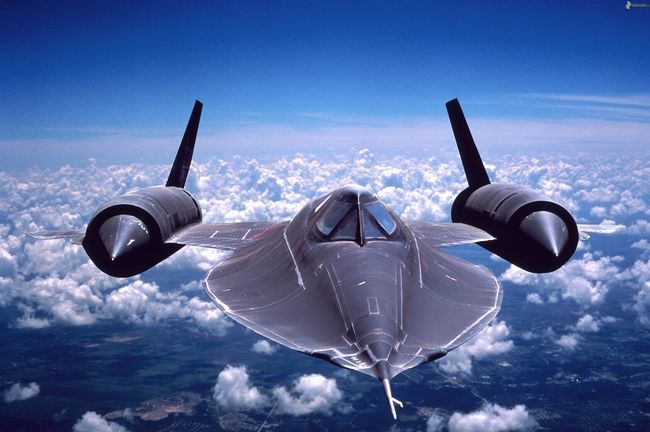
    An SR-71 Blackbird reconnaissance aircraft in flight

    Table of Contents

    Toggle
    • Where it came from
    • How fast it really went
    • Why it is black
    • Roughly 4,000 missiles, no hits
    • It navigated by the stars, in daylight
    • America bought its titanium from the Soviet Union
    • What its cameras could really see
    • Why nothing replaced it
      • Like this:

    Where it came from

    The Blackbird was designed at Lockheed’s Skunk Works under Clarence “Kelly” Johnson, and first flew on 22 December 1964 with test pilot Bob Gilliland at the controls. The US Air Force retired it in 1998, and NASA flew its remaining examples until 1999.

    It is worth noting the company name. This was Lockheed. Lockheed Martin did not exist until the 1995 merger, long after the Blackbird was designed and built.

    How fast it really went
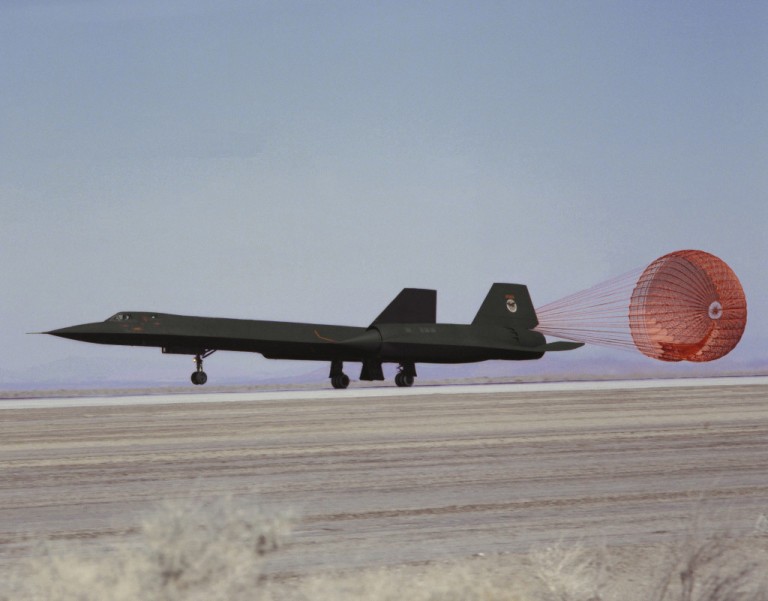
    An SR-71 Blackbird seen from the side at altitude

    On 28 July 1976 an SR-71 set an absolute speed record of 2,193.13 mph, roughly Mach 3.3. That record still stands for a manned air breathing aircraft.
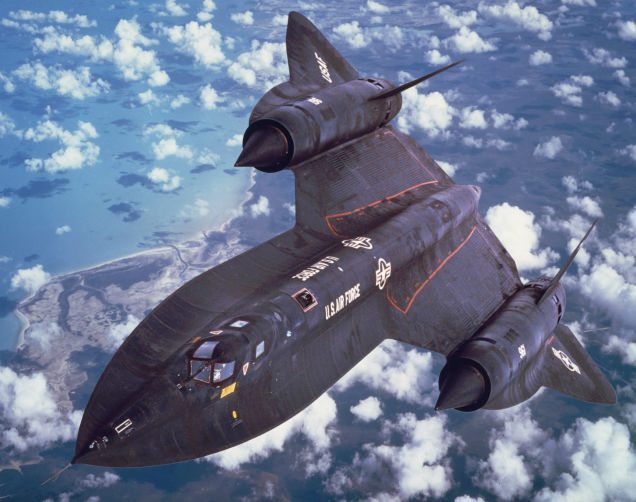
    An SR-71 Blackbird on a runway

    Cruising speed was above Mach 3 at around 80,000 feet. At those speeds friction heated the airframe enough that it expanded in flight, which is why the aircraft famously leaked fuel on the ground: the panels were built with gaps that only closed once everything got hot.

    Why it is black
    An SR-71 Blackbird parked in a hangar

    The name comes from the paint. The dark finish contained radar absorbing material and helped radiate away the enormous heat the airframe generated. Form followed function, and the nickname followed the form.

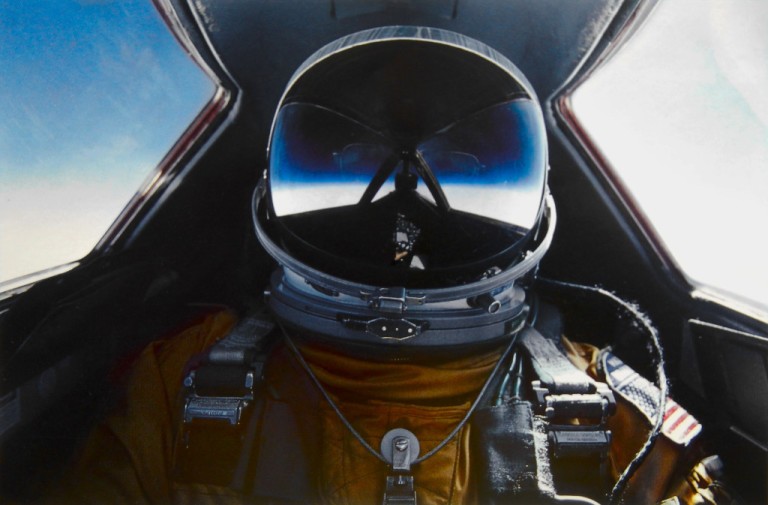
    Crews describe the cockpit at cruise as strangely calm, with the curvature of the Earth visible below and a black, star filled sky above. At 80,000 feet they were flying above almost everything else in the atmosphere.

    Roughly 4,000 missiles, no hits
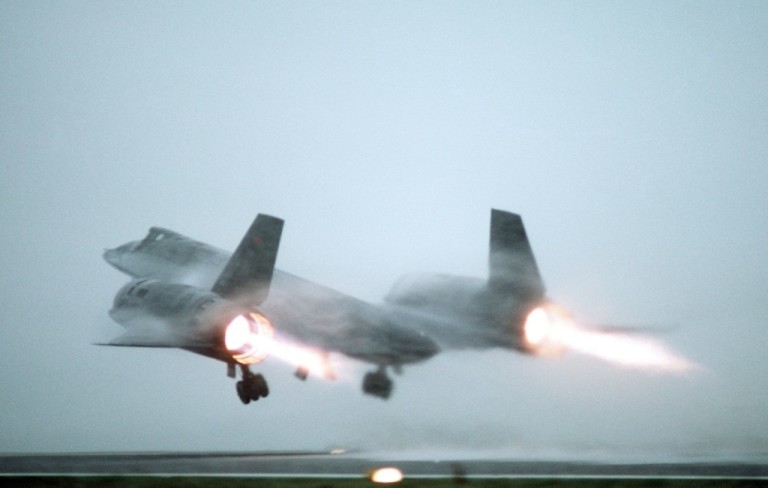
    An SR-71 Blackbird climbing away from a runway

    Across its service life somewhere around 4,000 missiles were fired at Blackbirds. None ever hit one.

    The evasion tactic was not manoeuvring. It was acceleration. The standard response to a surface to air missile launch was to speed up and climb, because the missile simply could not solve the intercept against something moving that fast at that altitude. No SR-71 was ever lost to enemy fire.

    It navigated by the stars, in daylight
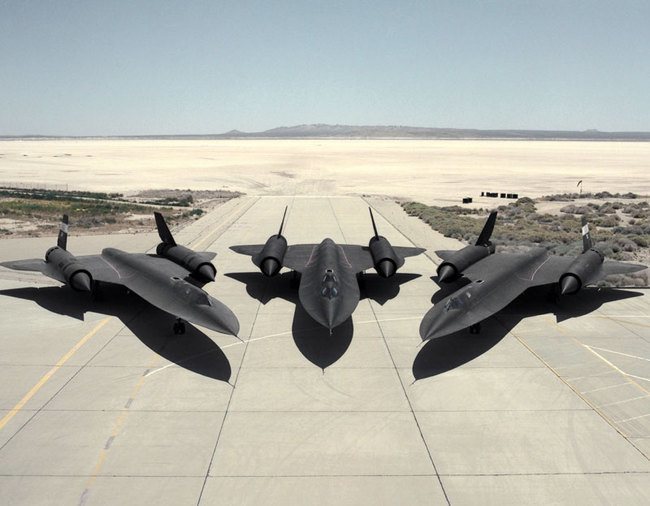
    The nose and cockpit of an SR-71 Blackbird

    Long before GPS, the Blackbird used an astro inertial navigation system that crews nicknamed R2-D2. It tracked stars through a window in the upper fuselage, and it could do so in broad daylight, working from a catalogue of 61 stars.

    It could begin acquiring its star fixes while the aircraft was still on the ground. For a reconnaissance aircraft that had to know exactly where it was over hostile territory, that accuracy mattered more than speed.

    America bought its titanium from the Soviet Union
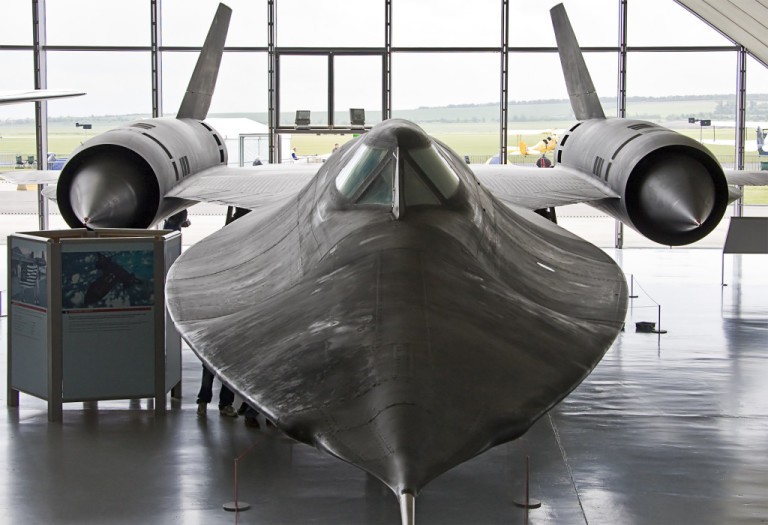
    Close view of an SR-71 Blackbird fuselage

    The airframe is mostly titanium, because aluminium would have softened at the temperatures involved. The problem was supply: the world’s largest source of the ore was the Soviet Union, the very country the aircraft was built to spy on.

    So the CIA set up front companies around the world to buy it, obscuring the end customer. The Soviet Union effectively supplied the metal for the aircraft that would go on to overfly it.

    What its cameras could really see
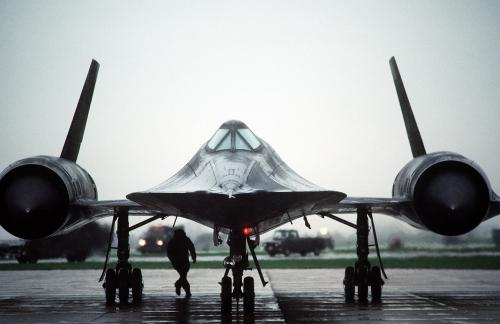
    An SR-71 Blackbird viewed from below

    The Blackbird’s cameras were extraordinary for the era, able to survey tens of thousands of square miles of ground in an hour and resolve objects around a foot across from 80,000 feet.

    The story that it could read a car number plate from that altitude is a myth. It is repeated often, but it was never true of the SR-71 or of the satellites that replaced it. What the aircraft actually did was more useful anyway: cover enormous areas quickly, at a speed and height nothing could reach.

    Why nothing replaced it

    The Blackbird was retired because satellites became good enough and the aircraft was punishingly expensive to operate. Every mission needed tankers, specialist fuel and a small army of people.

    Nothing has flown faster since, which says less about ambition than about economics. The Blackbird was built in an era willing to spend whatever it took, and it shows.

    More in the same vein: the fastest military jets in history.

    Like this:

    Like Loading…
    Share. Facebook Twitter Pinterest LinkedIn Tumblr Email
    Crew Daily
    • Website

    Related Posts

    When Do Pilots Have to Retire? The Age 65 Rule, Exactly

    October 2, 2026

    How You Actually Become a Fighter Pilot (and Why Most People Who Try Never Do)

    September 22, 2026

    The One Number That Rules an Airline Pilot’s Entire Life (It Isn’t Their Salary)

    September 18, 2026
    Our Picks

    When Do Pilots Have to Retire? The Age 65 Rule, Exactly

    October 2, 2026

    How You Actually Become a Fighter Pilot (and Why Most People Who Try Never Do)

    September 22, 2026

    The One Number That Rules an Airline Pilot’s Entire Life (It Isn’t Their Salary)

    September 18, 2026

    Airline Pilot Hiring in 2026: Which Airlines Are Hiring the Most

    September 13, 2026
    Stay In Touch
    • Facebook
    • Twitter
    • Pinterest
    • Instagram
    • YouTube
    • Vimeo
    Don't Miss

    Can a Plane Land on Water? What Ditching Certification Actually Requires

    Cockpit & Operations October 12, 2026

    Not every airliner is certified to land on water. The regulation that covers it opens…

    Like this:

    Like Loading…

    How Long Does a Pilot Stay Current? The 90 Day Rule and the Flight Review

    October 11, 2026

    What Medical Certificate Do Pilots Actually Need? Class 1, 2, 3 and BasicMed

    October 9, 2026

    The Alcohol and Drug Rules Pilots Actually Fly Under

    October 5, 2026

    Crew Daily publishes aviation news, aircraft guides, cockpit insights and pilot career information for aviation professionals and enthusiasts.\n\nEmail Us: [email protected]

    Navigation
    • About us
    • Contact Us
    • Privacy Policy
    • Terms and Conditions
    • DCMA
    Our Picks

    Can a Plane Land on Water? What Ditching Certification Actually Requires

    October 12, 2026

    How Long Does a Pilot Stay Current? The 90 Day Rule and the Flight Review

    October 11, 2026

    What Medical Certificate Do Pilots Actually Need? Class 1, 2, 3 and BasicMed

    October 9, 2026
    X (Twitter) Pinterest YouTube TikTok Facebook Instagram
    © 2026 Crewdaily.com.

    Type above and press Enter to search. Press Esc to cancel.

    %d