

Close Menu
    What's Hot

    Can a Plane Land on Water? What Ditching Certification Actually Requires

    October 12, 2026

    How Long Does a Pilot Stay Current? The 90 Day Rule and the Flight Review

    October 11, 2026

    What Medical Certificate Do Pilots Actually Need? Class 1, 2, 3 and BasicMed

    October 9, 2026
    X (Twitter) Pinterest YouTube TikTok Facebook Instagram
    Crew DailyCrew Daily
    Subscribe
    • Home
    • Aircraft & Technology
    • Cockpit & Operations
    • News
      • Aviation Updates
    • Pilot Careers
    • Flight Training
    Crew DailyCrew Daily
    Home » Supermarine Spitfire: Facts About Britain’s Fighter
    Cockpit & Operations

    Supermarine Spitfire: Facts About Britain’s Fighter

    Crew DailyBy Crew DailyDecember 25, 2018Updated:September 27, 2026No Comments4 Mins Read
    Facebook Twitter Pinterest LinkedIn Tumblr Email
    Supermarine Spitfire2 | Crewdaily
    Share
    Facebook Twitter LinkedIn Pinterest Email

    The Supermarine Spitfire is a British single seat fighter that served the Royal Air Force and other Allied air forces before, during and long after the Second World War. It is a piston engined, propeller driven aircraft, not a jet, and that distinction matters because almost everything remarkable about it comes from how far its designers pushed propeller technology.
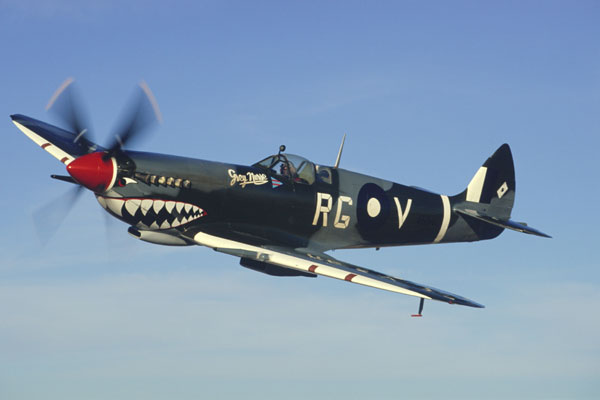
    A Supermarine Spitfire in flight showing its elliptical wings

    It was built in a long run of variants, with most of the changes appearing in the wing. It holds one distinction no other British fighter can claim: it stayed in continuous production right through the war, from before the fighting started to after it ended.

    Table of Contents

    Toggle
    • The designer, and the man who finished the job
    • Where the name came from
    • First flight and service life
    • What it cost
    • Performance, and why one number is misleading
    • The Spitfires that went into film
    • How many are left
    • Why it still matters
      • Like this:

    The designer, and the man who finished the job

    A Spitfire parked on grass with its canopy open

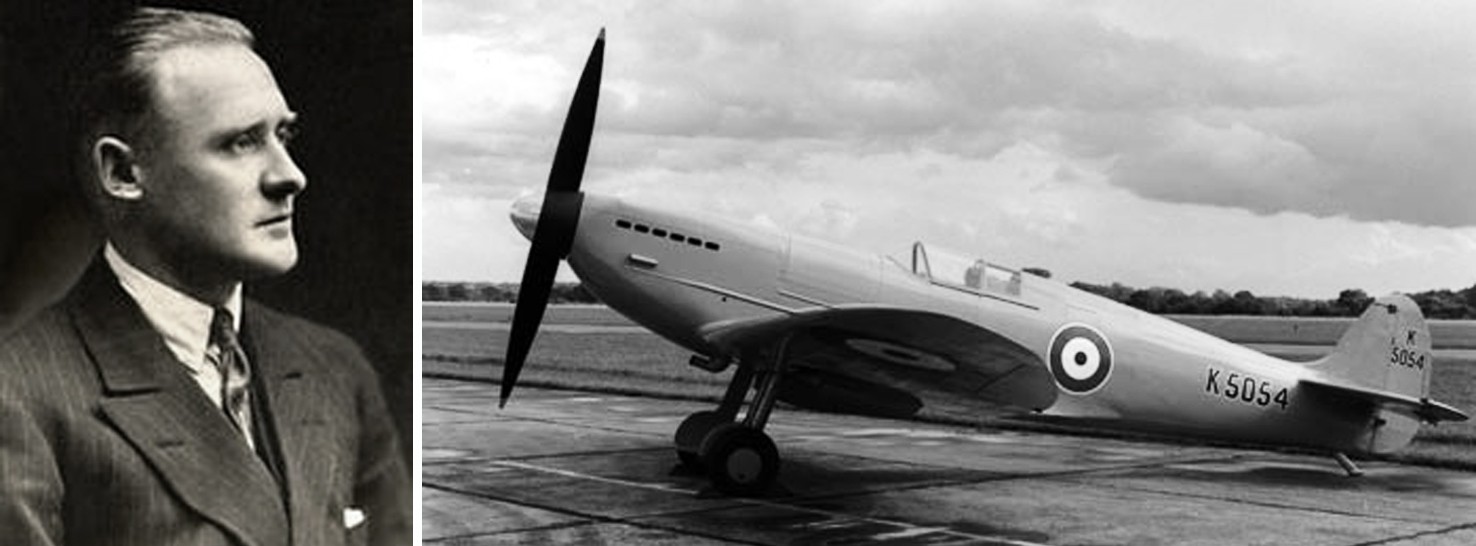
    The Spitfire came from R.J. Mitchell, chief designer at Supermarine Aviation Works in Southampton. He wanted a short range, very high performance interceptor, and he kept refining it until his death in 1937, before the aircraft had entered service.
    A close view of a Spitfire nose and propeller

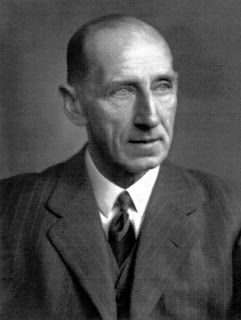
    His colleague Joseph Smith took over, and it was Smith who shepherded the design through its many wartime variants. Mitchell gets the credit and deserves it, but the aircraft that fought most of the war was substantially Smith’s work.

    Where the name came from
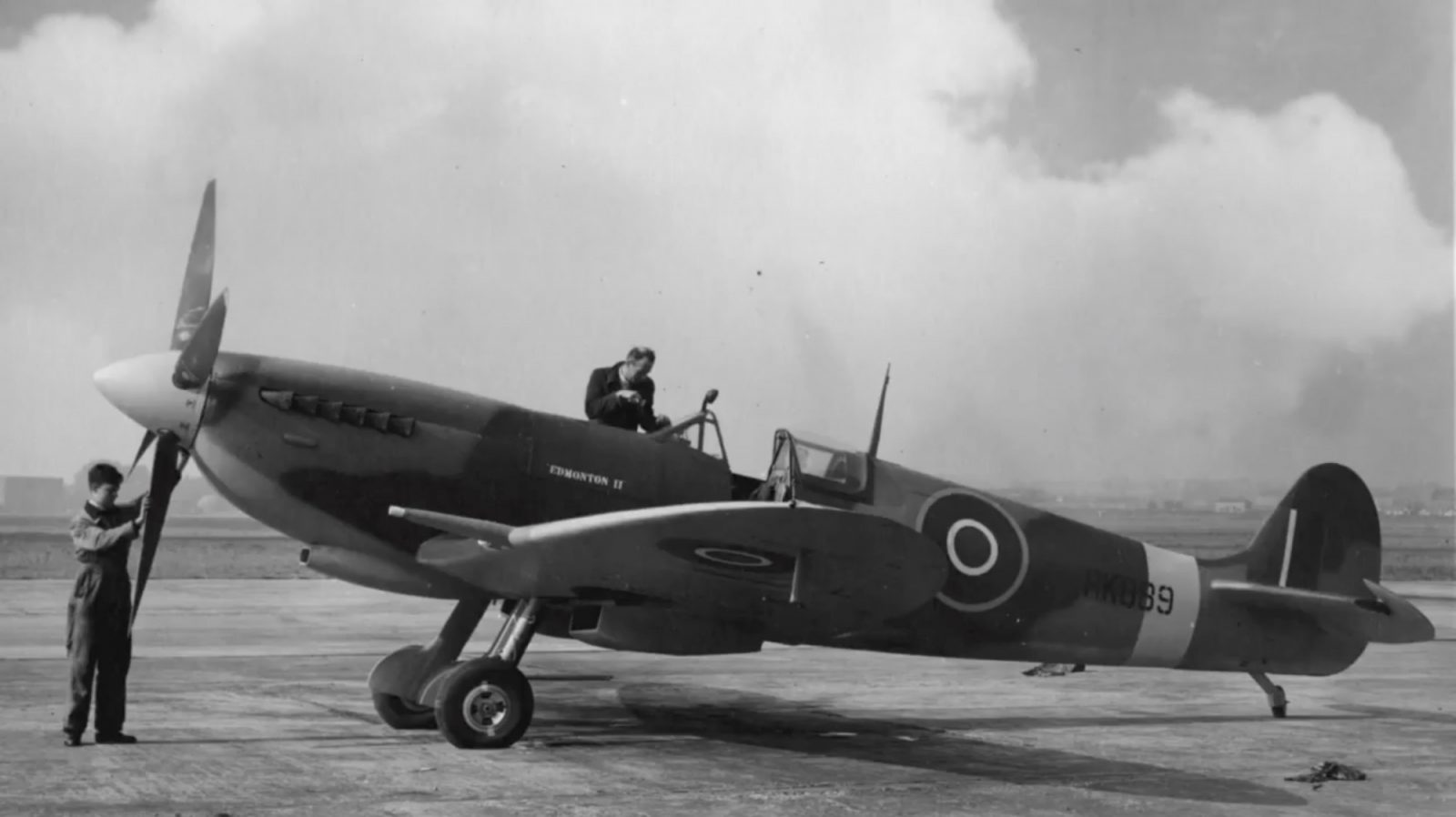
    A Spitfire on an airfield with ground crew nearby

    Most people assume the name refers to the aircraft’s firepower. It does not. Sir Robert McLean, chairman of Vickers Aviation, called his daughter Ann his “little spitfire”, and put the name forward for that reason.
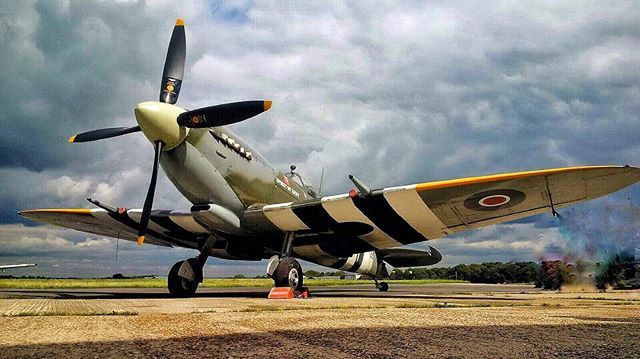
    Two Spitfires flying in formation

    Mitchell hated it. His reported response was that it was “the sort of bloody silly name they would give it”. He had preferred something along the lines of the Shrew or the Scarab. History was kinder to McLean’s suggestion.

    First flight and service life
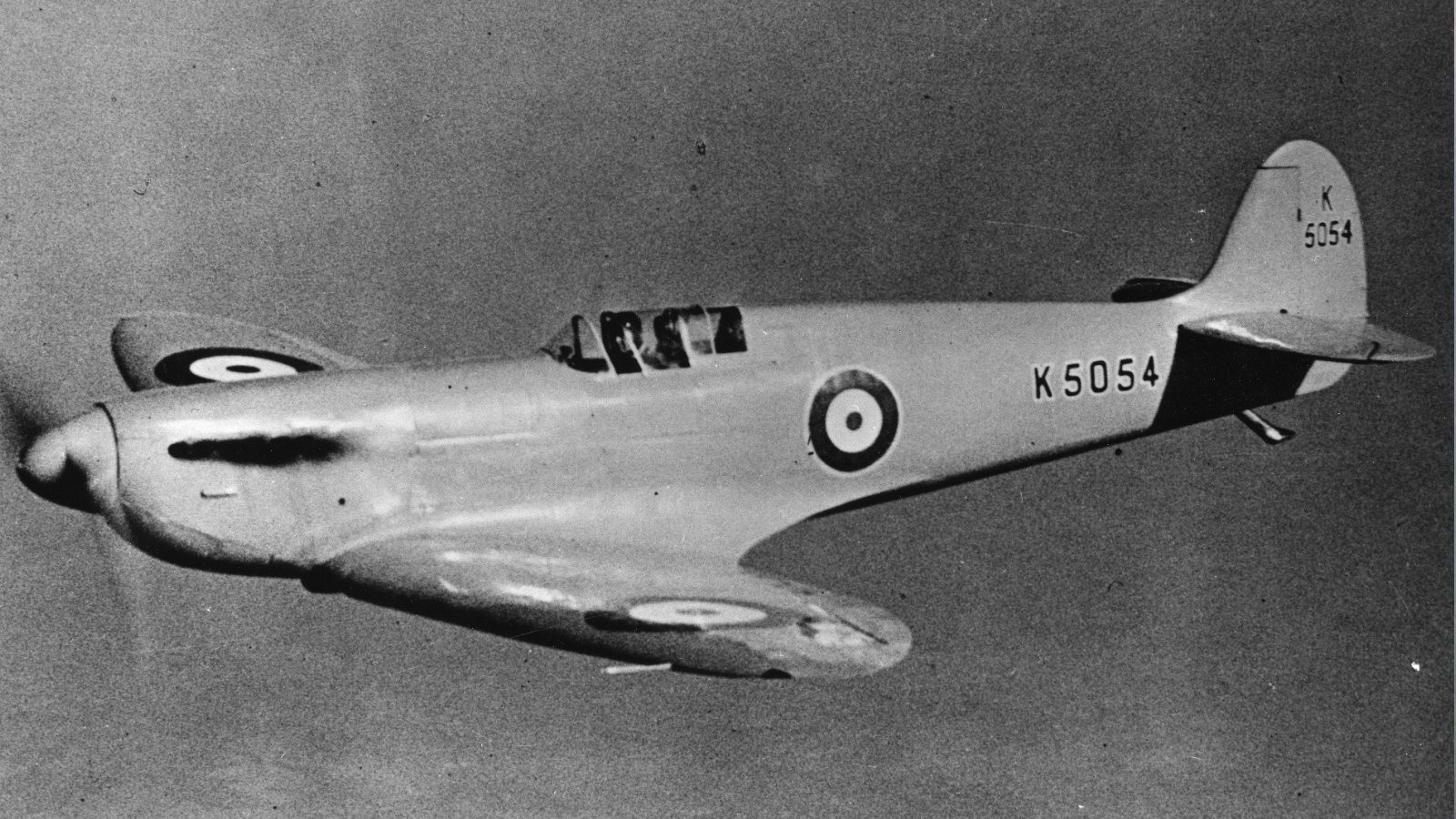
    An early Spitfire prototype on a runway

    The Spitfire flew for the first time on 5 March 1936. It entered RAF service two years later, in 1938, and variants of it stayed in British service until 1955. Very few combat aircraft of any era manage a nineteen year front line career.

    What it cost

    A Spitfire in 1939 cost around £12,604. Adjusted roughly for inflation that is somewhere near £681,000 today, which sounds almost modest set against a modern combat aircraft costing tens of millions. The comparison is not really fair, since a wartime fighter and a modern multirole aircraft are built to do very different jobs, but it does show how much the price of air power has changed.

    Performance, and why one number is misleading
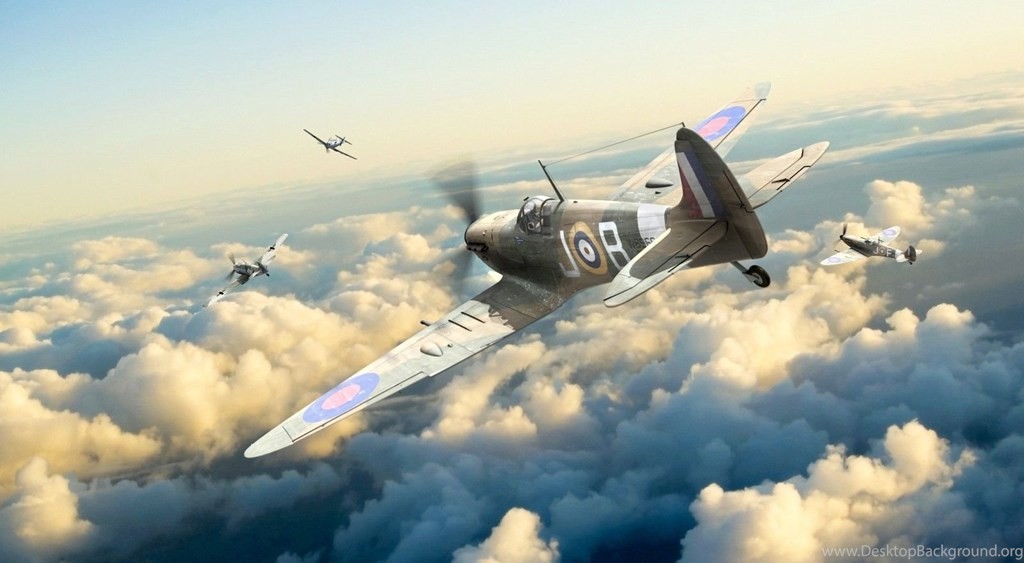
    A Spitfire banking steeply in flight

    Quoting a single top speed for the Spitfire is misleading, because the aircraft changed enormously across its variants. Early marks managed a little over 360 mph. Later Griffon engined versions were far quicker.

    Typical early figures give a range around 990 nautical miles, dropping to roughly 410 on a combat mission once you account for climbing, manoeuvring and reserves, and a service ceiling near 36,000 feet. The cockpit was not pressurised, which at that altitude meant oxygen, cold, and a genuinely punishing working environment.

    The Spitfires that went into film
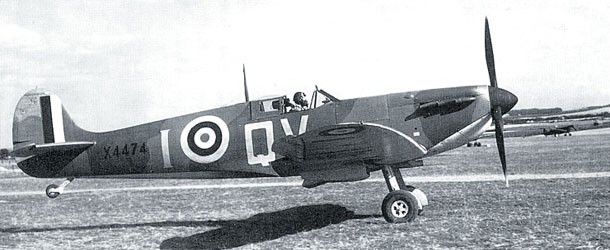
    A Spitfire taxiing along a grass airfield

    When the film Battle of Britain was made in 1968, real Spitfires flew in it. By then they had been retired from service and airframes were sitting unused at bases around the world, so the production could gather a genuine fleet.
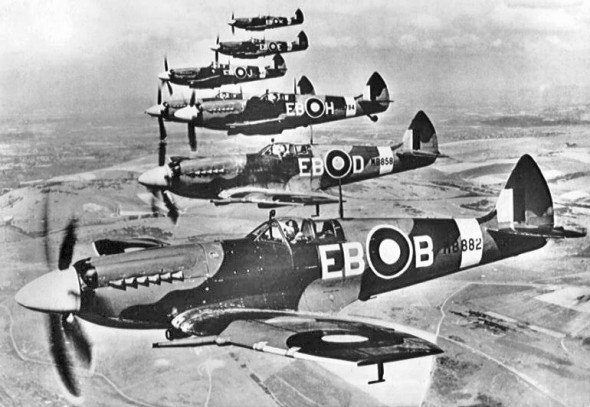
    Several Spitfires lined up on an airfield

    Some were flown by veterans who had flown them in the war. It is one of the reasons the flying sequences still hold up.

    How many are left
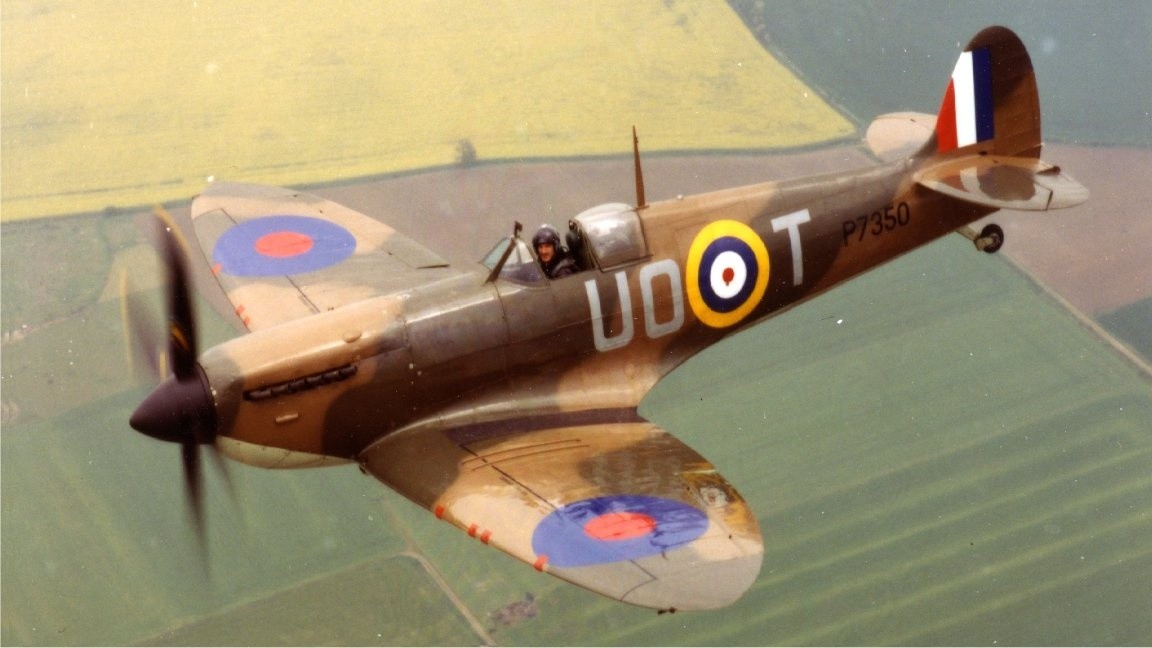
    A preserved Spitfire on display in a museum

    Around 238 Spitfires survive worldwide. Only a fraction of those, roughly 60, are in airworthy condition. The rest sit in museums, and every airworthy example is maintained at considerable expense by people who think the sound alone justifies it.

    Why it still matters

    The Spitfire did its job, which was keeping the Luftwaffe from winning air superiority over Britain. It earned enough respect from the other side that German pilots spoke about wanting one. Very few aircraft become a national symbol. This one did, and it has not faded.

    More in the same vein: facts about the F-15 Eagle and the fastest military jets in history.

    Like this:

    Like Loading…
    Share. Facebook Twitter Pinterest LinkedIn Tumblr Email
    Crew Daily
    • Website

    Related Posts

    Can a Plane Land on Water? What Ditching Certification Actually Requires

    October 12, 2026

    The Alcohol and Drug Rules Pilots Actually Fly Under

    October 5, 2026

    How Long Can a Pilot Actually Fly? The Real Numbers

    October 4, 2026
    Our Picks

    Can a Plane Land on Water? What Ditching Certification Actually Requires

    October 12, 2026

    The Alcohol and Drug Rules Pilots Actually Fly Under

    October 5, 2026

    How Long Can a Pilot Actually Fly? The Real Numbers

    October 4, 2026

    When Do Pilots Have to Retire? The Age 65 Rule, Exactly

    October 2, 2026
    Stay In Touch
    • Facebook
    • Twitter
    • Pinterest
    • Instagram
    • YouTube
    • Vimeo
    Don't Miss

    Can a Plane Land on Water? What Ditching Certification Actually Requires

    Cockpit & Operations October 12, 2026

    Not every airliner is certified to land on water. The regulation that covers it opens…

    Like this:

    Like Loading…

    How Long Does a Pilot Stay Current? The 90 Day Rule and the Flight Review

    October 11, 2026

    What Medical Certificate Do Pilots Actually Need? Class 1, 2, 3 and BasicMed

    October 9, 2026

    The Alcohol and Drug Rules Pilots Actually Fly Under

    October 5, 2026

    Crew Daily publishes aviation news, aircraft guides, cockpit insights and pilot career information for aviation professionals and enthusiasts.\n\nEmail Us: [email protected]

    Navigation
    • About us
    • Contact Us
    • Privacy Policy
    • Terms and Conditions
    • DCMA
    Our Picks

    Can a Plane Land on Water? What Ditching Certification Actually Requires

    October 12, 2026

    How Long Does a Pilot Stay Current? The 90 Day Rule and the Flight Review

    October 11, 2026

    What Medical Certificate Do Pilots Actually Need? Class 1, 2, 3 and BasicMed

    October 9, 2026
    X (Twitter) Pinterest YouTube TikTok Facebook Instagram
    © 2026 Crewdaily.com.

    Type above and press Enter to search. Press Esc to cancel.

    %d