


The Gulfstream G800 entry service 2026 milestone marks one of the most significant moments in business aviation history. This ultra-long-range flagship from Gulfstream Aerospace is now delivering to operators worldwide, and the ripple effects are being felt across every segment of the industry.
After years of development, testing, and certification work, the aircraft is finally in the hands of customers who demanded more range, more comfort, and more capability than anything previously available. What makes this particular program so noteworthy is not just a single feature but rather a combination of technologies and design decisions that set a new benchmark.
In this article, we break down seven inside details about the Gulfstream G800 entry service 2026 program that every aviation professional and enthusiast should understand. From its record-setting range to its cabin environment innovations, this aircraft is reshaping what operators expect from a business jet.
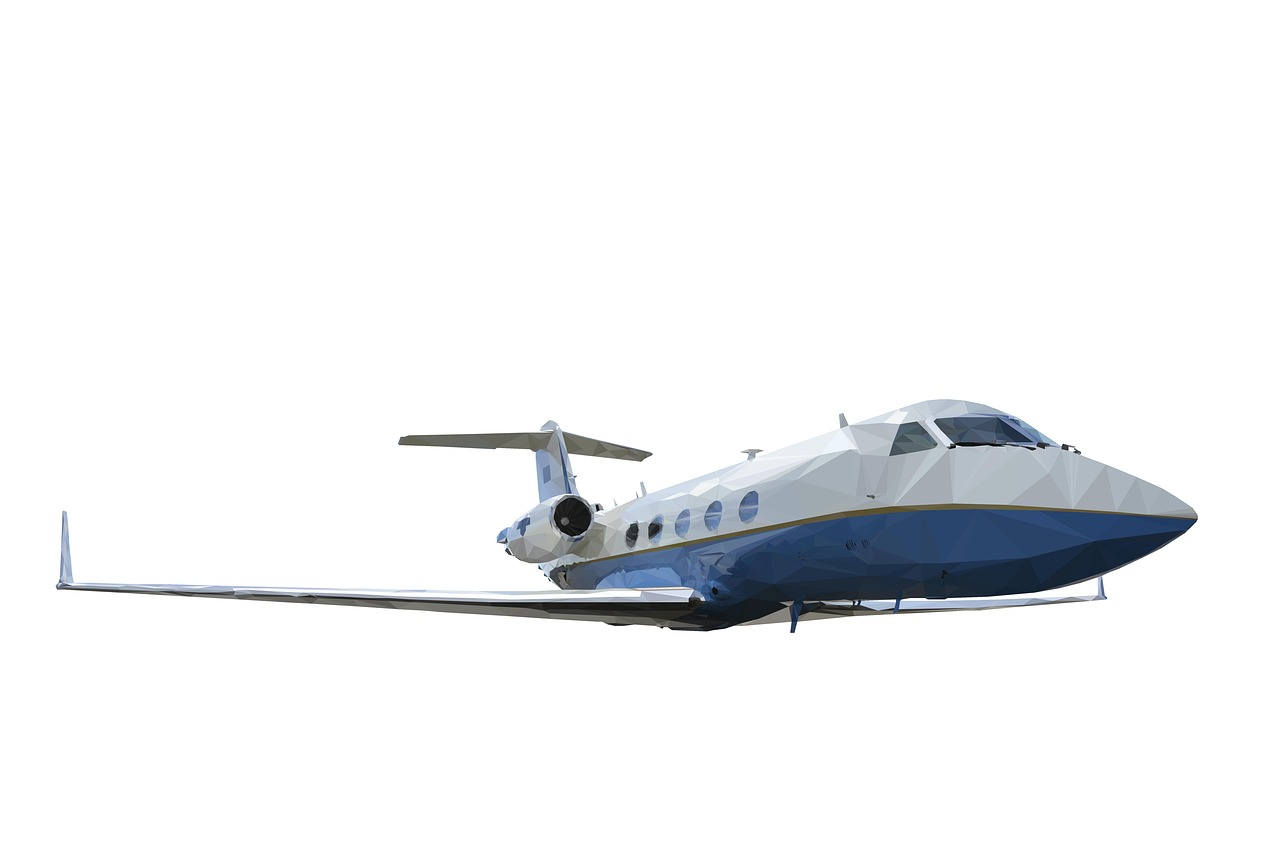
Why the Gulfstream G800 Entry Service 2026 Timeline Matters
The road to certification and first delivery was not simple. Gulfstream announced the G800 program alongside the G400 at its October 2021 event, promising the longest range of any purpose-built business jet. Achieving that promise required thousands of flight test hours and close coordination with the FAA.
The Gulfstream G800 entry service 2026 timeline was carefully managed to avoid the kind of delays that have plagued other major aerospace programs in recent years. Gulfstream’s parent company, General Dynamics, invested heavily in manufacturing infrastructure at the Savannah, Georgia headquarters to keep the production ramp on schedule.
By the time the first customer aircraft rolled off the line, Gulfstream had already accumulated a strong order backlog. Industry analysts estimate the demand pipeline extends well into 2028, with some delivery positions reportedly sold out for the next two years.
This kind of demand signals something important about where business aviation is heading. The ultra-long-range segment is no longer a niche. It is the primary growth driver for the top-tier OEMs, and the Gulfstream G800 entry service 2026 achievement is the clearest proof of that trend.
Record-Setting 8,000 Nautical Mile Range
The G800’s headline number is its 8,000 nautical mile range at Mach 0.85. That figure allows nonstop flights from New York to Singapore, from London to Buenos Aires, or from Dubai to Los Angeles without a fuel stop.
No other purpose-built business jet currently matches this capability. The range advantage gives operators genuine flexibility in route planning, especially for corporate flight departments managing global travel schedules.
The Gulfstream G800 entry service 2026 deliveries have already demonstrated this range in real-world operations. Early operators report completing missions that previously required a tech stop, saving time, crew duty complications, and fuel costs associated with intermediate landings.
For context, the ability to fly nonstop between financial capitals on opposite sides of the globe is something that was simply not possible in a business jet five years ago. This single capability changes the competitive landscape entirely.
Rolls-Royce Pearl 700 Engines Deliver Efficiency and Power
Powering the G800 are two Rolls-Royce Pearl 700 engines, each producing 18,250 pounds of thrust. These engines were developed specifically for the Gulfstream G700 and G800 platforms and represent the latest generation of business aviation propulsion.
The Pearl 700 delivers a significant improvement in specific fuel consumption compared to the BR725 engines on the previous-generation G650ER. Lower fuel burn across the mission profile is what makes the 8,000 nautical mile range achievable without increasing the aircraft’s maximum takeoff weight to impractical levels.
Rolls-Royce has been making headlines beyond business aviation as well, with the Rolls-Royce UltraFan engine breakthroughs promising similar efficiency gains for commercial widebody aircraft. The Pearl 700 on the G800 gives operators a taste of what next-generation propulsion technology can deliver today.
The engine’s reliability metrics during the flight test campaign were reportedly outstanding. Gulfstream and Rolls-Royce worked closely to ensure the powerplant met the stringent dispatch reliability targets that corporate operators demand.
Symmetry Flight Deck Redefines Cockpit Technology
The Gulfstream Symmetry Flight Deck on the G800 is the most advanced cockpit in business aviation. It features active control sidesticks — a first for any civilian aircraft — along with ten touchscreen displays and an enhanced vision system integrated with a head-up display.
Active control sidesticks provide tactile feedback between the left and right seat, meaning both pilots always know the stick position and force input of the other. This is a meaningful safety and situational awareness improvement over passive sidestick designs used on other fly-by-wire aircraft.
The Gulfstream G800 entry service 2026 program brings this cockpit technology to the ultra-long-range segment in full production form. Pilots transitioning from the G650 or G550 have reported that the Symmetry Flight Deck reduces workload on long missions, which is exactly the kind of improvement that matters on 15-plus-hour flights.
Combined with Gulfstream’s predictive landing performance system and advanced autothrottle, the G800 cockpit sets a standard that competitors will need to match. The avionics suite also supports future software updates, meaning the aircraft will continue to gain capability over its service life.
Cabin Environment Designed for Ultra-Long Missions
Range means nothing if passengers arrive exhausted. Gulfstream engineered the G800 cabin specifically for the demands of ultra-long-range travel, and the results are impressive.
The cabin altitude at a typical cruise altitude of 41,000 feet is just 2,916 feet, compared to 6,000 to 8,000 feet on most commercial aircraft. Lower cabin altitude reduces fatigue, headaches, and dehydration, which makes a real difference on flights lasting 14 to 18 hours.
The G800 also features 100 percent fresh air circulation with no recirculated cabin air. The Gulfstream Cabin Management System allows passengers to control lighting, temperature, window shades, and entertainment from their seats or personal devices.
Up to four living areas and a crew rest space can be configured in the 56-foot-long cabin. The Gulfstream G800 entry service 2026 deliveries have included configurations ranging from corporate shuttle layouts to VIP configurations with a private stateroom and full shower.
This level of cabin capability is one reason the ultra-long-range segment continues to attract buyers who might previously have considered converted commercial aircraft. The G800 offers a bespoke cabin experience that no airline-derivative platform can match.
The Gulfstream G800 Entry Service 2026 Impact on the Competitive Landscape
The G800’s arrival has forced competitors to respond. Bombardier’s Global 8000, which promises a similar range class, is still in its certification campaign. Dassault’s Falcon 10X, another ultra-long-range contender, is also working toward certification.
By reaching the market first with a proven, certified, and delivering aircraft, Gulfstream has captured a significant first-mover advantage. The Gulfstream G800 entry service 2026 timing means operators who need this capability today have exactly one option that is fully certified and in production.
This competitive dynamic mirrors what is happening in the commercial aviation space, where widebody aircraft order trends reshaping the industry are similarly driven by range, efficiency, and cabin experience requirements.
The business jet OEMs are all investing heavily in ultra-long-range platforms because the customer base for these aircraft is growing. Wealth creation in Asia, the Middle East, and Africa is driving demand from regions where ultra-long-range capability is not a luxury but a necessity.
Sustainability Credentials and SAF Compatibility
Every new aircraft program in 2026 must address sustainability, and the G800 is no exception. The aircraft is certified to operate on up to 50 percent sustainable aviation fuel blends, consistent with current industry standards.
Gulfstream has committed to making all new production aircraft SAF-compatible and has been using SAF in its own flight operations at Savannah for several years. The company also participates in industry working groups aimed at achieving 100 percent SAF approval for business jets.
The Gulfstream G800 entry service 2026 program also benefits from the aircraft’s inherent fuel efficiency. By burning less fuel per nautical mile than its predecessor, the G800 reduces total CO2 emissions on a per-mission basis, even before accounting for SAF usage.
For corporate flight departments under pressure to reduce their environmental footprint, the G800 offers a credible path forward. It combines genuine operational capability with measurable sustainability improvements.
The broader aviation industry is tackling similar challenges. Programs like the Qatar Airways Boeing 777-9 ultra-long-haul launch also highlight how new-generation aircraft are delivering efficiency improvements at scale.
Service Network and Support Infrastructure
An aircraft is only as good as the support behind it. Gulfstream operates one of the largest OEM-owned service networks in business aviation, with facilities across the United States, Europe, the Middle East, and Asia-Pacific.
The company has expanded its service capacity in anticipation of the G800 fleet entering operation. New service centers and authorized facilities have been added in key markets to ensure operators have access to maintenance, parts, and technical support wherever they fly.
The Gulfstream G800 entry service 2026 ramp-up was accompanied by the deployment of a dedicated G800 customer support team. This team provides 24/7 operational support, including AOG response, field service engineers, and mobile repair capability.
For operators considering the G800 against competitors that may not have the same depth of global service coverage, this infrastructure is a significant differentiator. Downtime is the enemy of utilization, and Gulfstream’s investment in service capacity directly supports mission availability.
What the G800 Means for the Future of Business Aviation
The seven details outlined above paint a clear picture. The Gulfstream G800 entry service 2026 milestone is not just about one aircraft. It represents a shift in what the market demands and what technology can deliver.
Ultra-long-range capability, advanced cockpit systems, low cabin altitude environments, and improved sustainability are no longer aspirational goals. They are the baseline expectations for top-tier business jets in 2026.
The G800 also raises the bar for future programs. Any competitor entering this segment will need to match or exceed the range, cabin environment, and cockpit technology that Gulfstream has established. That is a high bar.
For pilots, the G800 offers one of the most sophisticated flying experiences available. The Symmetry Flight Deck, combined with the aircraft’s advanced systems and automation, makes long-range missions more manageable and safer.
For passengers, it delivers an experience that no commercial flight can replicate. The privacy, comfort, and flexibility of a purpose-built ultra-long-range cabin, combined with the ability to fly nonstop between virtually any two cities on earth, is transformative.
Market Outlook and Delivery Projections
Industry forecasters project that Gulfstream will deliver between 30 and 40 G800 aircraft in the first full year of production. That number is expected to ramp steadily as the Savannah production line reaches full rate.
The Gulfstream G800 entry service 2026 order book reportedly includes a diverse mix of corporate flight departments, charter operators, head-of-state customers, and high-net-worth individuals. Geographic demand is particularly strong from the Middle East, Asia, and North America.
Residual value projections for the G800 are strong, driven by limited supply and sustained demand. Pre-owned market analysts expect the type to hold its value well, which is an important consideration for buyers evaluating total cost of ownership.
The business aviation market as a whole remains healthy in 2026, with flight activity levels at or near record highs in most regions. The Gulfstream G800 entry service 2026 moment arrives at a time when the industry can absorb a new flagship product without difficulty.
Final Thoughts on the Gulfstream G800 Entry Service 2026 Achievement
There is no question that the Gulfstream G800 entry service 2026 program will be remembered as a defining chapter in business aviation. The aircraft delivers on every promise Gulfstream made when it announced the program five years ago.
From its 8,000 nautical mile range to its Rolls-Royce Pearl 700 engines, from its Symmetry Flight Deck to its low-altitude cabin, the G800 is the most capable purpose-built business jet ever to enter service. That is not marketing language. It is a statement of fact based on certified performance data.
For operators evaluating their next ultra-long-range platform, the G800 sets the standard against which every alternative will be measured. The Gulfstream G800 entry service 2026 story is still being written, but the opening chapter is exceptionally strong.
As someone who has spent years watching aircraft programs move from announcement to certification to delivery, I can say that what Gulfstream has accomplished here deserves recognition. The G800 is a remarkable aircraft, and its impact on business aviation will be felt for decades.
For more details on Gulfstream’s full product lineup and the G800 program, visit Gulfstream Aerospace’s official website.
About the Author: Capt. James Harlow is an A320 Captain holding a GCAA license with over a decade of flying in the Gulf region. He writes about aviation news, pilot careers, cockpit operations, and airline life.
