


Qatar Airways Boeing 777-9 2026 is the aviation story that has dominated headlines and reshaped expectations for ultra-long-haul travel this year. The Doha-based carrier is preparing to introduce the world’s largest twin-engine commercial aircraft into revenue service, and the details emerging from inside the program are nothing short of extraordinary. This article breaks down seven key details about this landmark aircraft delivery and what it means for passengers, pilots, and the wider aviation industry.
The anticipation around the Qatar Airways Boeing 777-9 2026 entry into service has been building for years. Delays, redesigns, and certification hurdles pushed the timeline back repeatedly. Now, with Boeing having secured the type certificate and deliveries underway, the airline is finally ready to put this giant in the sky.
1. Qatar Airways Boeing 777-9 2026 Delivery Timeline Confirmed
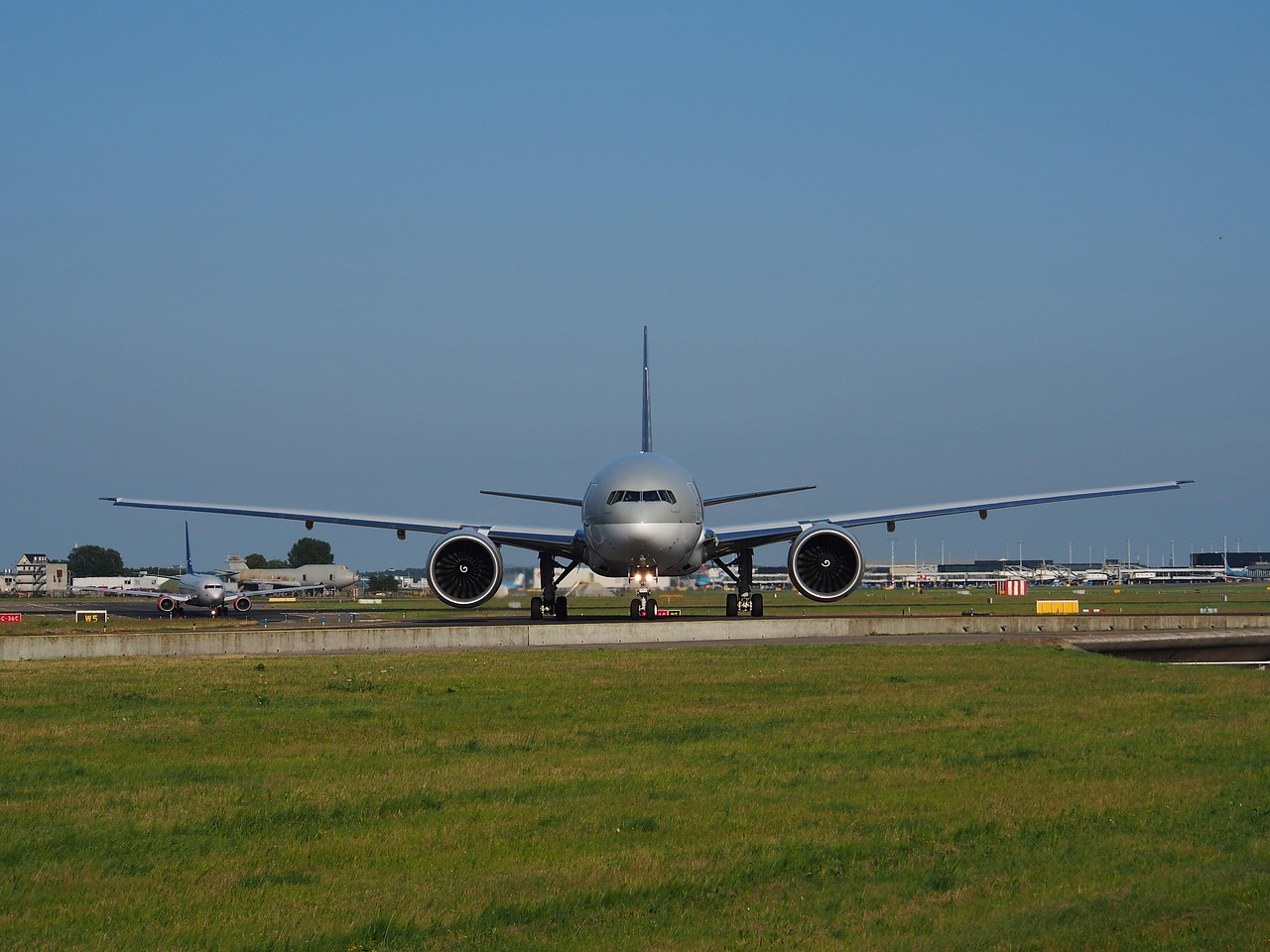
The first detail that matters most is timing. Qatar Airways has confirmed that its initial batch of Boeing 777-9 aircraft will enter commercial service in late 2026, following months of crew training, route proving flights, and cabin readiness checks. The airline expects to receive its first aircraft by Q3 2026, with revenue flights beginning shortly after.
Qatar Airways holds a firm order for 74 Boeing 777-9 aircraft, making it one of the largest customers for the type. The sheer scale of this order speaks to the airline’s confidence in the platform. For more context on how this fits into the broader delivery picture, see our coverage of Boeing 777X first commercial flight details.
The delivery schedule is staggered, with approximately 8 to 10 aircraft expected in the first 18 months. This phased approach allows Qatar Airways to build operational experience gradually before scaling up. It also gives Boeing room to manage production ramp-up at its Everett, Washington facility.
2. The Cabin Product Sets a New Standard
The second inside detail involves what passengers will actually experience onboard. Qatar Airways has invested heavily in designing a cabin that matches the airline’s reputation for premium travel. The Qatar Airways Boeing 777-9 2026 cabin will feature the airline’s next-generation Qsuite business class, which has already been teased in industry presentations.
The new Qsuite iteration reportedly includes larger personal suites, improved privacy screens, and enhanced in-flight entertainment displays exceeding 21 inches. First impressions from industry insiders suggest this could be the most competitive business class product in the sky when it launches.
Economy class has not been overlooked either. The Boeing 777-9’s wider cabin cross-section allows for improved seat width even in a 3-3-3 configuration. Qatar Airways is expected to offer generous pitch and personal device charging at every seat, raising the bar for long-haul economy travel.
Premium Economy Gets Real Attention
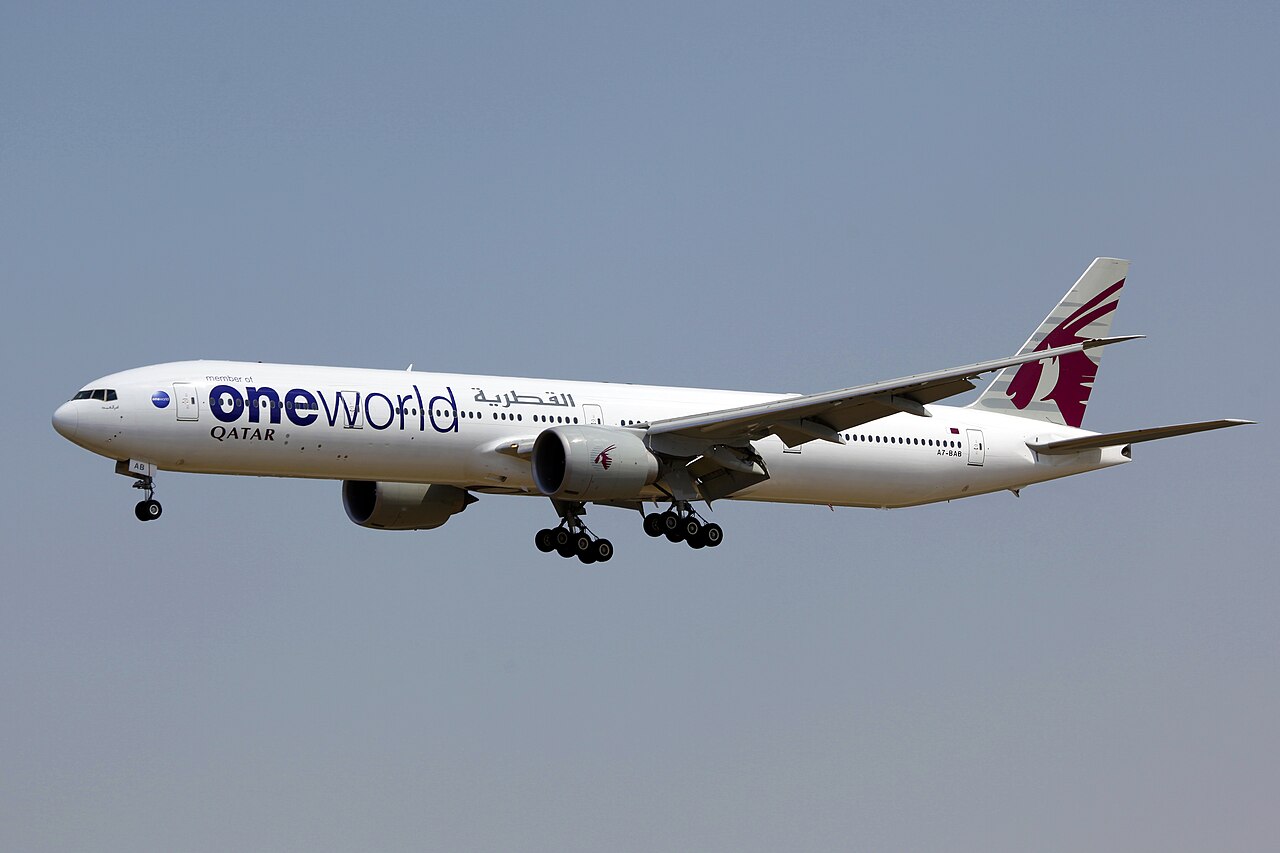
Qatar Airways has also committed to a dedicated premium economy cabin on the 777-9. This four-class configuration positions the airline to compete directly with Singapore Airlines and Emirates on key routes. The premium economy seats are expected to offer 38 inches of pitch and a leg rest.
3. Route Network: Where the Qatar Airways Boeing 777-9 2026 Fleet Will Fly
Route selection is the third major detail. Qatar Airways has been strategic about where it plans to deploy the 777-9, and the choices reflect both commercial logic and operational capability. The aircraft’s range of approximately 7,285 nautical miles makes it suitable for virtually any route in the airline’s network.
Initial deployment is expected on high-demand routes from Doha to London Heathrow, New York JFK, and Sydney. These are trunk routes where the additional capacity and fuel efficiency of the 777-9 will deliver the greatest return. The Qatar Airways Boeing 777-9 2026 deployment on the Doha-Sydney route is particularly significant, as it represents one of the longest commercial flights in the world.
There is also speculation that the airline may use the aircraft on its Doha-Auckland service, which would test the type’s range capabilities on a commercially demanding route. The flexibility of the 777-9 gives Qatar Airways options that simply were not available with older widebody types.
For a broader perspective on how airlines are building their future fleets, read about widebody aircraft orders reshaping the airline industry.
4. Pilot Training and Crew Preparation
The fourth detail focuses on the people who will fly and operate the aircraft. Qatar Airways began its Boeing 777-9 pilot training program in early 2026, sending experienced 777-300ER captains and first officers to Boeing’s training facility in Miami and to the airline’s own simulator center in Doha.
The transition from the 777-300ER to the 777-9 is considered relatively straightforward due to a common type rating. However, the 777-9 introduces new systems, including the GE9X engine interface, updated flight deck displays, and revised fly-by-wire control laws on the folding wingtips. These differences require dedicated training modules.
Qatar Airways has reportedly allocated over 40 simulator hours per pilot for the transition. This is above the regulatory minimum and reflects the airline’s cautious approach to introducing a new type. The Qatar Airways Boeing 777-9 2026 crew training program is one of the most comprehensive type transition efforts the airline has undertaken.
What This Means for Pilot Careers
For pilots considering a career in the Gulf, the introduction of the 777-9 creates new opportunities. Qatar Airways will need to expand its widebody pilot roster significantly over the next several years. If you are curious about what daily life looks like for pilots based in the region, check out Gulf airline pilot life honest truths.
The 777-9 program also creates demand for training captains, check pilots, and line training instructors. These roles come with additional responsibilities and compensation.
5. Engine Performance and Fuel Efficiency Gains
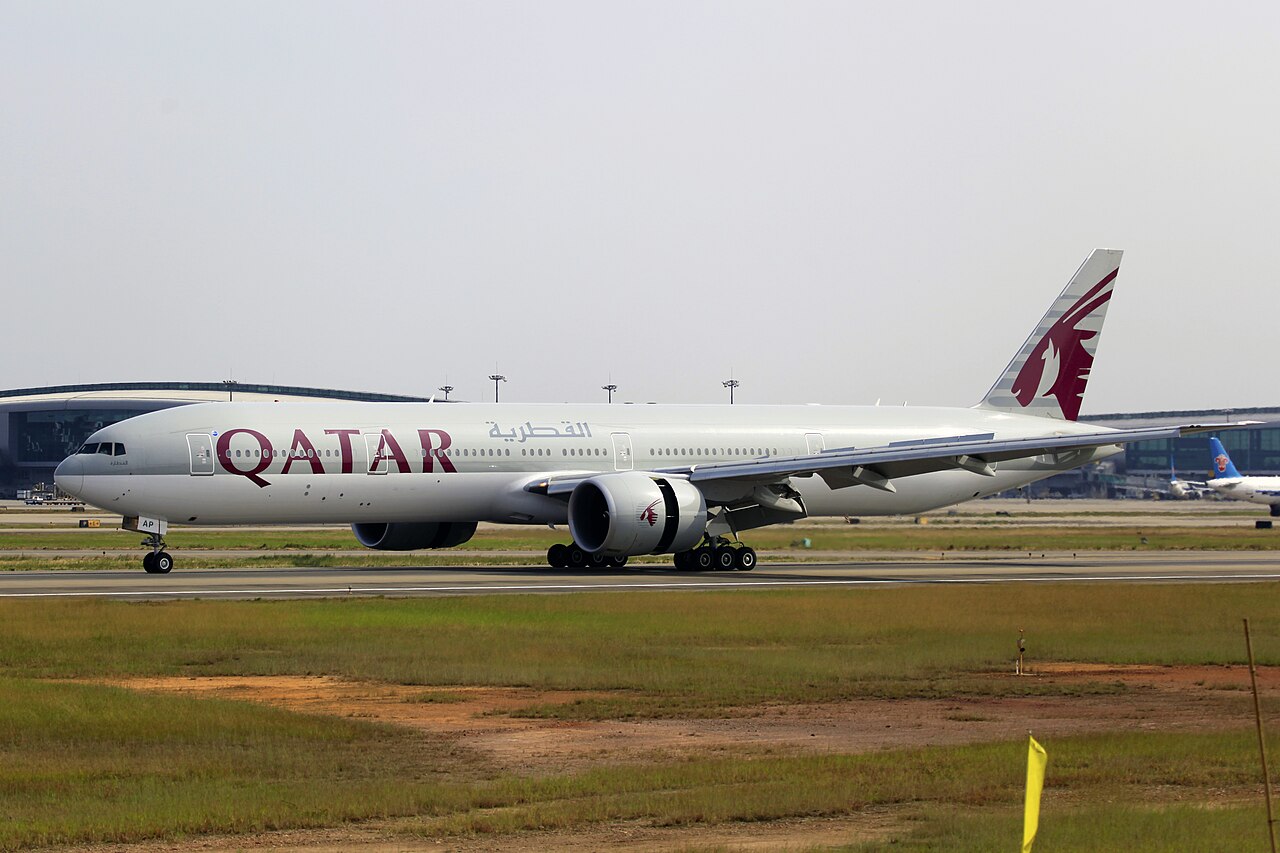
The fifth detail worth examining is what sits under the wings. The Qatar Airways Boeing 777-9 2026 fleet is powered by the GE9X, the world’s largest commercial aircraft engine. This powerplant has a fan diameter of 134 inches and delivers approximately 105,000 pounds of thrust.
What makes the GE9X significant is not just its size but its efficiency. According to GE Aerospace, the engine offers a 10% improvement in fuel consumption compared to the GE90-115B that powers the current 777-300ER. For an airline operating a fleet of 74 aircraft across ultra-long-haul routes, these savings add up quickly.
The fuel efficiency of the Qatar Airways Boeing 777-9 2026 aircraft directly impacts operating economics. Lower fuel burn per seat-mile allows the airline to maintain competitive fares while protecting margins. It also supports Qatar Airways’ sustainability targets, which include a commitment to net-zero carbon emissions by 2050.
Noise Reduction Benefits
The GE9X also runs quieter than its predecessor. Reduced noise footprint matters at airports with strict noise abatement procedures, particularly during nighttime operations at European hubs. This gives the 777-9 an operational advantage on certain slot-restricted routes.
6. How the Qatar Airways Boeing 777-9 2026 Launch Affects Competitors
The sixth detail extends beyond Qatar Airways itself. The introduction of the 777-9 at this scale will send ripples across the competitive landscape, particularly among Gulf carriers and other major international airlines.
Emirates, which also holds a large 777-9 order, is watching the Qatar Airways Boeing 777-9 2026 rollout closely. The Dubai-based carrier is expected to follow with its own 777-9 entry into service, but Qatar Airways is positioned to claim the first-mover advantage among Gulf operators. That matters in a market where brand perception and product leadership drive premium traffic.
Singapore Airlines and Cathay Pacific, both of which operate competing ultra-long-haul networks, will also need to respond. The combination of the 777-9’s range, capacity, and the new Qsuite product gives Qatar Airways a strong hand. The Qatar Airways Boeing 777-9 2026 introduction could accelerate cabin refresh programs at rival airlines.
Fleet Replacement Dynamics
The 777-9 will gradually replace aging Airbus A340-600 and Boeing 777-200LR aircraft in the Qatar Airways fleet. This retirement of older, less efficient types further improves the airline’s overall fleet economics. It also simplifies maintenance planning and spare parts inventory over time.
7. Passenger Experience and Technology Onboard
The seventh and final detail is about the technology passengers will interact with during their flight. Qatar Airways has a history of pushing in-flight technology boundaries, and the 777-9 platform gives the airline new tools to work with.
The Qatar Airways Boeing 777-9 2026 aircraft will feature the airline’s Oryx One entertainment system running on the latest Thales AVANT platform. This system supports 4K resolution screens, Bluetooth audio connectivity, and a personalized content library powered by passenger profiles. Connectivity will be handled by high-throughput satellite internet, offering speeds that support streaming and video calls.
Cabin lighting on the 777-9 uses a full-spectrum LED system that can simulate natural daylight cycles. This is particularly valuable on ultra-long-haul flights, where managing passenger circadian rhythms reduces jet lag and improves arrival comfort. Qatar Airways has worked with lighting designers to create custom mood sequences for different phases of flight.
Connectivity That Actually Works
One of the most common complaints on long-haul flights is unreliable Wi-Fi. Qatar Airways is addressing this head-on with the 777-9 by installing a multi-orbit satellite antenna system. This setup combines geostationary and low-Earth-orbit satellite coverage to minimize dropouts over oceans and polar routes.
The airline has indicated that business class passengers will receive complimentary high-speed internet, while economy passengers will have access to a tiered pricing model. Given the Qatar Airways Boeing 777-9 2026 route network focuses on ultra-long-haul sectors, reliable connectivity becomes a genuine differentiator rather than a gimmick.
The Bigger Picture for Ultra-Long-Haul Aviation
Stepping back, the Qatar Airways Boeing 777-9 2026 program represents more than a fleet renewal. It signals a strategic bet on the future of point-to-point, ultra-long-haul travel over hub-based connecting itineraries. The 777-9’s combination of range, capacity, and efficiency makes nonstop services viable on routes that previously required a stop.
This trend aligns with broader passenger preferences. Surveys consistently show that travelers prefer fewer connections, even if it means slightly longer flight times. The Qatar Airways Boeing 777-9 2026 fleet gives the airline the ability to offer nonstop services to destinations that competitors can only reach with a connection.
For the Boeing Company, Qatar Airways’ commitment to the 777-9 provides critical validation after a difficult period of delays and public scrutiny. Each successful delivery and route launch builds confidence in the program and encourages other operators to finalize their own orders.
What Comes Next
Looking ahead, the Qatar Airways Boeing 777-9 2026 story is really just the beginning. As more aircraft arrive and routes expand, the impact on the airline’s network and competitive position will become clearer. The next 18 to 24 months will be a defining period for both Qatar Airways and the 777-9 program as a whole.
Passengers stand to benefit the most. Better cabins, improved fuel efficiency, quieter engines, and genuine high-speed connectivity are tangible improvements that affect every flight. The Qatar Airways Boeing 777-9 2026 launch is a strong signal that ultra-long-haul aviation is entering its most exciting chapter yet.
For pilots, aviation enthusiasts, and industry watchers, this is a program worth following closely. The aircraft is real, the orders are firm, and the flights are coming. The Qatar Airways Boeing 777-9 2026 era has arrived.
About the Author: Capt. James Harlow is an A320 Captain holding a GCAA license with over a decade of flying in the Gulf region. He writes about aviation news, pilot careers, cockpit operations, and airline life.
