


The Rolls-Royce UltraFan engine 2026 program has reached a defining moment in commercial aviation history. After years of ground testing at the Derby facility in the United Kingdom, this powerplant is now entering a phase that could permanently alter how we think about jet propulsion. Every pilot, engineer, and airline executive should be paying close attention.
The aviation world has been waiting for a next-generation engine that delivers on promises rather than just press releases. With the UltraFan, Rolls-Royce appears to be doing exactly that. The numbers coming out of the test program are not just impressive on paper. They translate into real operational gains for airlines and real reductions in environmental impact.
In this article, we break down the 10 most significant breakthroughs from the Rolls-Royce UltraFan engine 2026 test campaign and explain what they mean for the future of flight.
1. The Rolls-Royce UltraFan Engine 2026 Delivers a 25% Fuel Efficiency Gain
The headline number from the Rolls-Royce UltraFan engine 2026 program is a 25% improvement in fuel efficiency compared to the first-generation Trent engines. This is not a theoretical projection. Ground test data has confirmed these gains are achievable in real-world operating conditions.
For airlines, a 25% reduction in fuel burn per flight translates directly to lower operating costs and reduced carbon emissions. At current jet fuel prices, a long-haul operator could save millions of dollars per aircraft per year. That kind of saving changes fleet economics entirely.
This efficiency leap also aligns with the industry’s push toward sustainable aviation fuel breakthroughs that are gaining traction across global carriers. When you combine a more efficient engine with cleaner fuel, the environmental math starts to look genuinely promising.
2. A Record-Breaking 140-Inch Fan Diameter
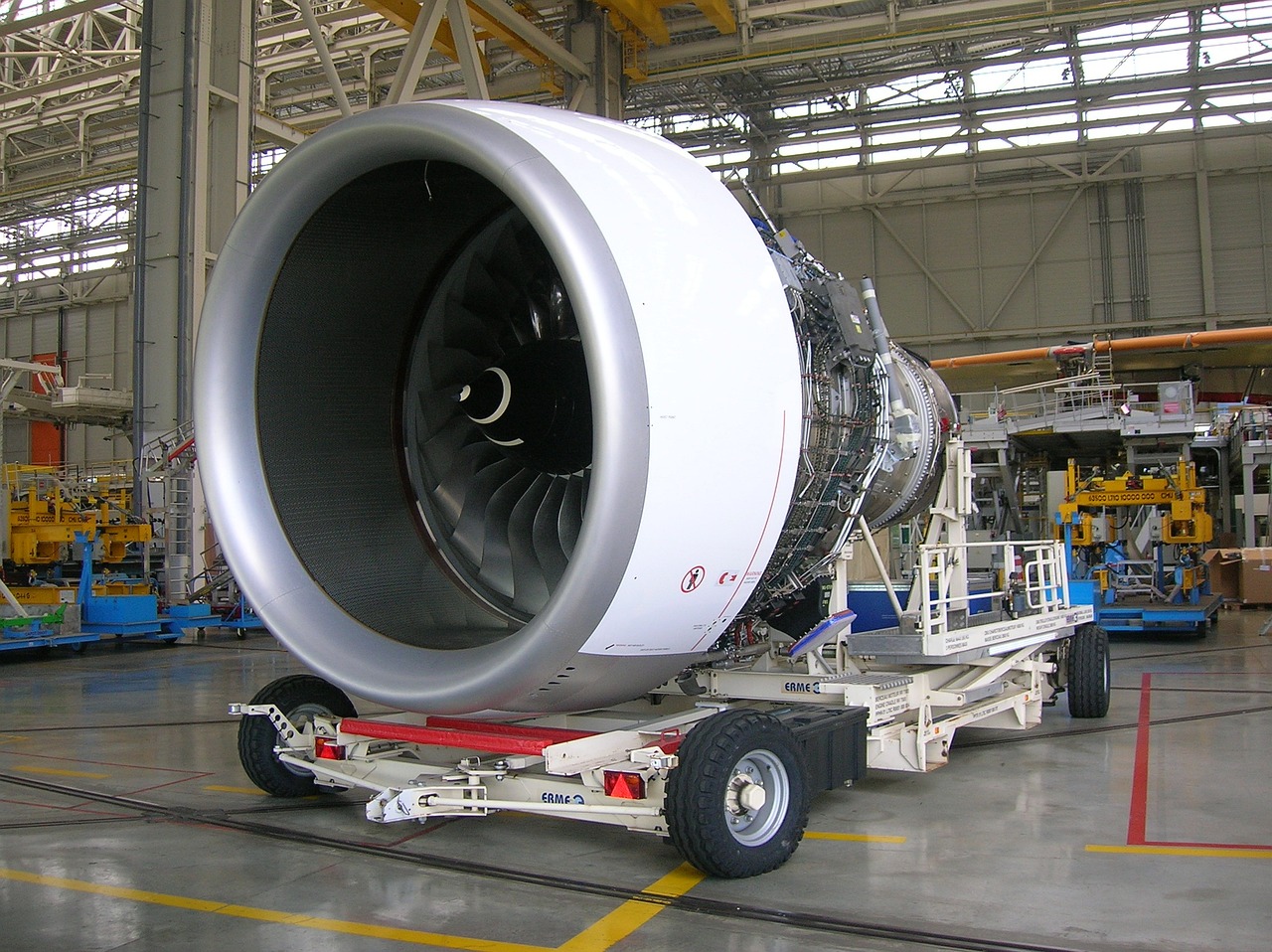
One of the most visually striking aspects of the UltraFan is its sheer size. The fan diameter measures 140 inches, making it the largest geared fan engine ever built. That size is not for show. It is a core part of the efficiency strategy.
A larger fan moves more air at lower speeds, which reduces noise and improves propulsive efficiency. The engineering challenge, of course, is building a fan that large without adding excessive weight. Rolls-Royce solved this with advanced composite fan blades and a titanium leading edge.
The Rolls-Royce UltraFan engine 2026 testing has confirmed that this massive fan operates within expected performance parameters at full power. Vibration levels and blade integrity have met or exceeded targets during high-power runs.
3. The Power Gearbox Changes Everything
Perhaps the single most important technological breakthrough in the Rolls-Royce UltraFan engine 2026 program is the power gearbox. This component allows the fan to spin at a different speed than the low-pressure turbine, optimizing both for peak efficiency.
The UltraFan’s gearbox is capable of handling 64 megawatts of power. To put that in perspective, that is enough to power a small city. No other aviation gearbox in history has operated at this scale.
Ground tests have demonstrated that the gearbox performs reliably under sustained high-load conditions. This is the component that skeptics said could not be built at this power level, and Rolls-Royce has proven them wrong.
4. Compatibility With 100% Sustainable Aviation Fuel
The Rolls-Royce UltraFan engine 2026 has been designed from the ground up to run on 100% sustainable aviation fuel. This is not a retrofit or a compromise. The combustion system, fuel delivery architecture, and materials were all selected with SAF compatibility as a baseline requirement.
During testing, the engine has run on various SAF blends without modification. Performance data shows no degradation in thrust or efficiency when operating on unblended SAF. This is a significant result.
Airlines ordering aircraft powered by the UltraFan will not need to worry about fuel flexibility. The engine handles conventional Jet A-1, SAF blends, and pure SAF equally well. That kind of fuel agnosticism is exactly what the industry needs as SAF production scales up globally.
5. Advanced Ceramic Matrix Composites in the Hot Section
The turbine section of the Rolls-Royce UltraFan engine 2026 uses ceramic matrix composite materials that can withstand temperatures exceeding traditional nickel superalloys. These CMC components are lighter and more heat-resistant, allowing the engine to operate at higher thermal efficiencies.
Weight savings in the hot section compound across the entire engine. Every kilogram removed from the turbine means less structural support is needed, which means a lighter nacelle, which means lower fuel burn. The cascade effect is substantial.
Rolls-Royce has been developing these materials for over a decade, and the UltraFan represents their first full-scale application in a commercial engine architecture. Test results indicate the CMC components are performing as designed under cyclic thermal loading.
6. The Rolls-Royce UltraFan Engine 2026 and Digital Twin Technology
Every aspect of the UltraFan test campaign is being shadowed by a digital twin. This virtual replica of the engine runs in parallel with physical tests, comparing predicted performance against actual measurements in real time.
The Rolls-Royce UltraFan engine 2026 digital twin allows engineers to identify anomalies before they become problems. It also accelerates the certification process by providing regulators with comprehensive data sets that complement physical test evidence.
For airlines, the digital twin concept extends into service. Rolls-Royce plans to use digital twins for predictive maintenance, optimizing engine-on-wing time and reducing unscheduled removals. This approach builds on the company’s existing TotalCare engine health monitoring program.
7. Noise Reduction That Airports Will Welcome
Airport noise restrictions are a growing constraint on airline operations worldwide. The Rolls-Royce UltraFan engine 2026 addresses this directly with a significantly lower noise signature than current-generation engines.
The combination of a slower-turning, larger fan and advanced acoustic liners in the nacelle produces a measurably quieter engine. Preliminary acoustic data from ground tests suggests the UltraFan could meet the most stringent noise regulations currently proposed for 2030 and beyond.
For pilots operating into noise-sensitive airports during nighttime hours, this matters. Quieter engines mean fewer operational restrictions, more available slots, and less community opposition to airport expansion. It is a win across the board.
8. Scalable Architecture From Widebody to Narrowbody
One of the smartest decisions in the Rolls-Royce UltraFan engine 2026 program was designing a scalable architecture. The core technology can be adapted to produce engines ranging from 25,000 to 100,000 pounds of thrust. That covers everything from single-aisle replacements to the largest widebody aircraft.
This scalability means Rolls-Royce can offer the UltraFan to power future aircraft programs across multiple market segments. Whether Boeing or Airbus launches a next-generation narrowbody or a new widebody, the UltraFan core is ready.
The trend toward widebody aircraft order trends reshaping the industry suggests that demand for high-thrust, efficient engines will only grow. Rolls-Royce is positioning the UltraFan to capture a significant share of that market.
9. Additive Manufacturing Accelerates Production
The Rolls-Royce UltraFan engine 2026 makes extensive use of additive manufacturing, commonly known as 3D printing, for complex engine components. This approach reduces part counts, cuts production lead times, and allows for geometries that traditional casting and forging cannot achieve.
Several combustor and turbine components are produced using additive techniques. These parts are lighter, stronger at stress concentration points, and faster to produce. Rolls-Royce has invested heavily in its additive manufacturing facilities to support UltraFan production at scale.
For the broader supply chain, this shift toward additive manufacturing reduces dependency on traditional forging suppliers and shortens the path from design change to production implementation. It is a fundamental shift in how jet engines are built.
10. A Clear Path to Powering Future Aircraft Programs
The Rolls-Royce UltraFan engine 2026 is not being developed in isolation. It is being designed to power the next generation of commercial aircraft that Boeing and Airbus are expected to announce within the coming years.
With the Boeing 777X first commercial flight marking a transition point for widebody aviation, the industry is already looking ahead to what comes next. The UltraFan positions Rolls-Royce as a leading contender for those future platforms.
Airlines evaluating their long-term fleet strategies should factor the UltraFan into their planning. An engine that offers 25% better fuel efficiency, full SAF compatibility, and lower noise is not just an incremental improvement. It represents a generational leap.
What the Rolls-Royce UltraFan Engine 2026 Means for Pilots
From a cockpit perspective, the Rolls-Royce UltraFan engine 2026 should be largely transparent. Pilots will interact with the engine through FADEC systems just as they do with current powerplants. Thrust response, spool-up times, and operational handling are all being designed to meet or exceed current standards.
Where pilots will notice a difference is in operational flexibility. Lower fuel burn means longer range or heavier payload options. Reduced noise means fewer restrictions at noise-sensitive airports. Full SAF compatibility means no procedural changes regardless of fuel source.
The digital twin and predictive maintenance capabilities also mean fewer in-service surprises. Engine reliability should improve, and dispatch rates should be higher than current-generation engines from day one.
Industry Reactions and Airline Interest
Major airlines have been closely following the Rolls-Royce UltraFan engine 2026 program. While no formal engine selection can happen until an airframe manufacturer launches a new aircraft program, several carriers have publicly expressed interest in the technology.
Emirates, Singapore Airlines, and Lufthansa have all sent engineering teams to observe UltraFan testing at Derby. Their feedback has been incorporated into the design process, ensuring the engine meets real-world airline requirements rather than just engineering targets.
Leasing companies are also watching closely. An engine that reduces operating costs by the margins the UltraFan promises will command premium residual values. Aircraft powered by this engine should hold their value better than those with less efficient powerplants.
Timeline and Certification Outlook
The Rolls-Royce UltraFan engine 2026 ground test campaign is progressing through its planned milestones. Full-power ground runs have been completed, endurance testing is underway, and component validation continues in parallel.
Flight testing is the next major milestone. While Rolls-Royce has not announced a specific flight test date, the program is tracking toward readiness for a new aircraft platform launch decision in the late 2020s. Certification would follow the airframer’s timeline.
The Rolls-Royce UltraFan engine 2026 program represents the largest single investment in engine technology the company has ever made. The stakes are high, but the test results so far justify the commitment.
The Bottom Line on the Rolls-Royce UltraFan Engine 2026
The Rolls-Royce UltraFan engine 2026 is not just another engine development program. It is a comprehensive reimagining of what a commercial jet engine can be. From the record-breaking power gearbox to the full SAF compatibility, every aspect has been designed to address the challenges facing aviation over the next three decades.
For pilots, the promise is better performance and greater operational flexibility. For airlines, it is lower costs and a credible path to sustainability targets. For passengers, it is quieter flights and a smaller environmental footprint.
The 10 breakthroughs outlined here are not theoretical. They are backed by hardware testing and real data from the Rolls-Royce UltraFan engine 2026 test program. As the aviation industry looks toward its next chapter, this engine will almost certainly be at its center.
Stay tuned to CrewDaily for continued coverage of the Rolls-Royce UltraFan engine 2026 program and all major developments in aviation technology.
About the Author: Capt. James Harlow is an A320 Captain holding a GCAA license with over a decade of flying in the Gulf region. He writes about aviation news, pilot careers, cockpit operations, and airline life.
