


A pilot licence does not expire. Currency does, and it expires in several different ways at once. A pilot can be perfectly legal to fly alone this morning and illegal to take a friend up this afternoon, without anything about them or the aeroplane having changed.
All of it comes from two sections of the regulations: 14 CFR 61.56 for the flight review, and 14 CFR 61.57 for recent flight experience.
The flight review: one hour, one hour, every two years
The flight review is the one most people have heard of, and the one most often described wrongly. It is not a test and there is no pass mark written into the rule.
The minimum is 1 hour of flight training and 1 hour of ground training. The ground hour must cover the current general operating and flight rules of Part 91. The flight hour covers whatever manoeuvres and procedures the instructor decides are needed for that pilot to show they can safely exercise their privileges.
That second half is deliberately open. The regulation hands the instructor the judgement rather than prescribing a syllabus, which is why two pilots can have entirely different reviews on the same afternoon and both be legal.
The deadline is worded more carefully than people remember. You need a review accomplished since the beginning of the 24th calendar month before the month in which you act as pilot in command. The clock runs in whole months, not to the day, so a review completed on any day in October 2026 carries you to the end of October 2028.
Two details worth knowing. Glider pilots may substitute three instructional flights, each including a flight to traffic pattern altitude, for the flight hour. And if you have passed a proficiency check or a practical test for a certificate, rating or operating privilege inside the same period, you do not need a flight review at all. Anyone who has added a rating recently is already covered and may not realise it.
The 90 day rule, and the exception almost nobody quotes
To carry anyone, you need three takeoffs and three landings in the preceding 90 days, as sole manipulator of the controls, in an aircraft of the same category, class and type. A tailwheel aeroplane raises the bar: those landings must be to a full stop.
Here is the part that gets left out of most explanations. The rule only bites when people are on board. The regulation explicitly allows you to act as pilot in command under day VFR or day IFR without any of it, provided no persons or property are carried other than those necessary for the flight.
So a pilot who has not flown for six months may legally go up alone, fly three circuits, and land as a current pilot who can now carry passengers. The rule is not a competence gate on the pilot. It is a protection for everyone else in the aircraft, and reading it that way makes the whole structure make sense.
Night currency is a separate rule with a harder test

Day currency does not buy you the night. To carry passengers in the dark you need a second set of three takeoffs and three landings within 90 days, and they are harder in two ways.
- They must be to a full stop, in any aircraft, not just tailwheels. Touch and go does not count.
- They must happen in a specific window: beginning 1 hour after sunset and ending 1 hour before sunrise.
That window is narrower than “night” as most people use the word. Civil twilight does not qualify. A pilot doing circuits in the half light after sunset is logging nothing towards this, which catches out more people than any other part of the rule.
Instrument currency runs on a different clock entirely
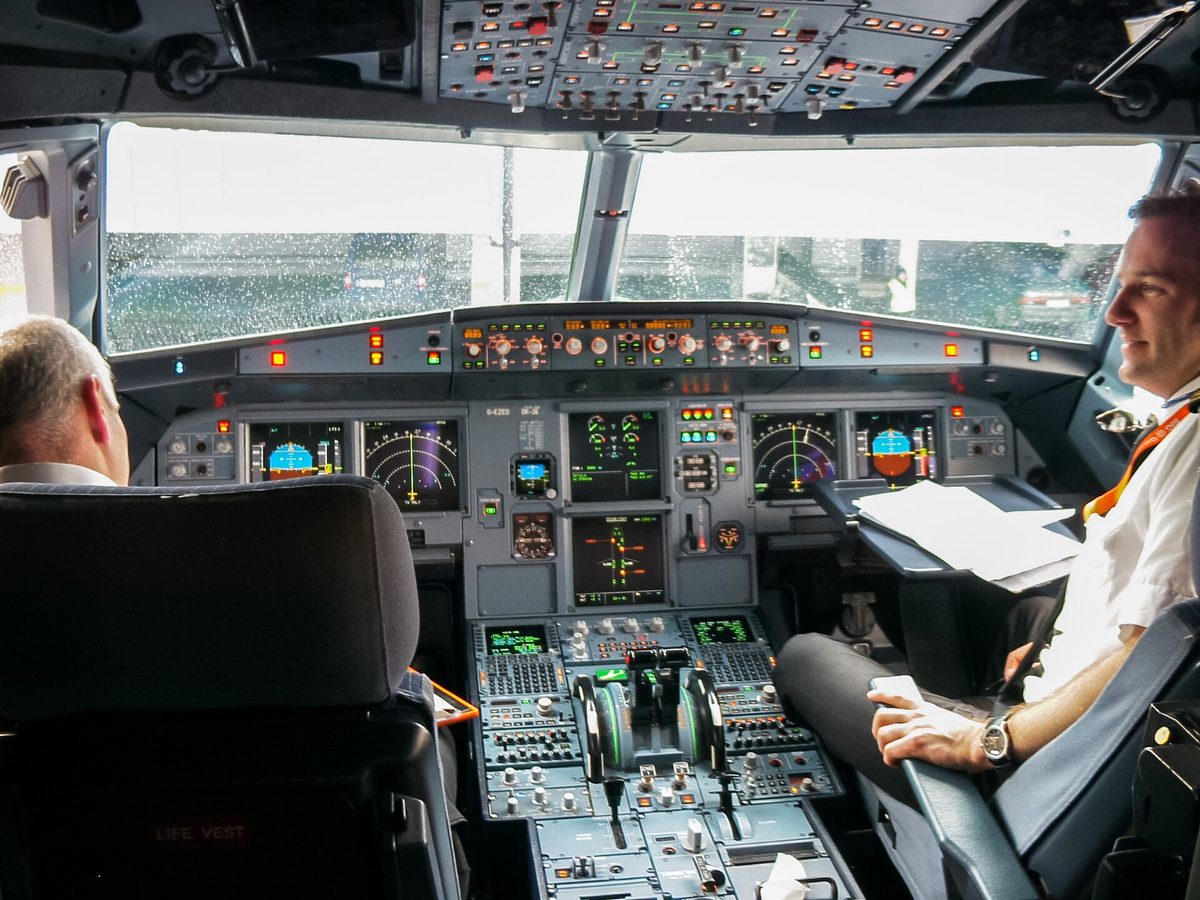
To act as pilot in command under IFR, or in weather below VFR minimums, the window is six months rather than 90 days. Within the 6 calendar months preceding the month of the flight, you must have performed and logged:
- Six instrument approaches
- Holding procedures and tasks
- Intercepting and tracking courses using navigational electronic systems
These may be flown in actual conditions or under a view limiting device. Note that it is six approaches plus holding plus tracking, not six approaches alone. Pilots who fly approaches regularly but never hold are not current, and the omission is easy to miss because the approaches feel like the hard part.
What a simulator can and cannot replace
Simulators count, but the conditions tighten as the privilege gets more demanding.
Day takeoffs and landings may be done in a full flight simulator or flight training device approved for landings, used within an approved course at a Part 142 training centre. Night currency may be done in a full flight simulator approved for takeoffs and landings, and the visual system must be set to represent that same window after sunset and before sunrise. Instrument currency is the most permissive of the three, allowing a full flight simulator, a flight training device or an aviation training device, provided it represents the right category of aircraft.
The pattern is consistent. The closer the task gets to the specific hazard, landing an aeroplane in the dark, the more specific the device has to be about reproducing it.
Frequently asked questions
Does a pilot licence expire?
No. The certificate itself does not expire. What lapses is currency: the flight review every 24 calendar months, the 90 day takeoff and landing requirement for carrying people, night currency, and instrument currency every 6 calendar months.
Can I fly if I am not current?
Yes, alone. The 90 day rule applies to carrying persons, and the regulation explicitly permits acting as pilot in command under day VFR or day IFR with nobody and nothing else on board. You can fly yourself back into currency.
How long is a flight review valid?
Until the end of the 24th calendar month after the month you completed it. Because it counts whole months, a review on the 2nd of a month and one on the 30th of the same month expire on exactly the same day.
Do touch and go landings count for night currency?
No. Night currency requires landings to a full stop, and they must fall between 1 hour after sunset and 1 hour before sunrise. For day currency, touch and go is acceptable unless the aeroplane is a tailwheel.
What makes a pilot instrument current?
Six instrument approaches, holding procedures and tasks, and intercepting and tracking courses using navigational electronic systems, all performed and logged within the 6 calendar months before the month of the flight.
Sources
The flight review requirements, the two hour minimum, the 24 calendar month window, the glider substitution and the proficiency check exemption are from 14 CFR 61.56. The 90 day rule, the solo exception, night currency, instrument currency and the simulator provisions are from 14 CFR 61.57. Both were read from the current edition on 11 October 2026. These are US rules; other regulators set their own currency requirements.
More from CrewDaily: which medical certificate pilots actually need, whether a student pilot certificate expires, Part 61 against Part 141 training, and how long a pilot can legally fly in one day.
