


If you have started researching flight schools, you have almost certainly run into two unfamiliar terms: Part 61 and Part 141. Neither refers to an airplane or a rating, they refer to which FAA regulation governs how your training is structured, and the choice between them affects your timeline, your cost, and in some cases whether you are even eligible to enroll. Here is what actually separates them.

What Part 61 and Part 141 Actually Are
Both names refer to sections of the Federal Aviation Regulations. Part 61 lays out the minimum requirements to earn a pilot certificate, regardless of who taught you or how. Part 141 is a separate section that governs FAA-approved flight schools: their syllabus, their facilities, their chief instructor’s qualifications, and their record-keeping, all of which must be reviewed and approved by the FAA before the school can operate under that part.
In practice, this means a Part 61 instructor can train you one-on-one with a flexible, instructor-designed curriculum, while a Part 141 school has to run every student through an FAA-approved, structured course outline. Neither path produces a “lesser” pilot certificate, the certificate itself is identical either way, but the road to get there looks different.
The Hour Requirements Are Genuinely Different
This is where most people’s decision actually gets made. Part 141’s structured syllabus qualifies for reduced minimum flight hours compared to Part 61:
- Private Pilot License: 40 hours minimum under Part 61, versus 35 hours under Part 141.
- Commercial Pilot License: 250 hours minimum under Part 61, versus 190 hours under Part 141, a 60-hour difference that adds up fast at typical hourly rental rates.
- Instrument Rating: Part 61 requires 50 hours of cross-country pilot-in-command time before you can add the rating; Part 141 has no separate cross-country minimum, since it is built into the approved syllabus instead.
Lower minimums do not automatically mean lower cost, though. Part 141 schools tend to charge more per flight hour and often bundle mandatory ground school fees into the price, so the total cost between the two paths ends up closer than the raw hour difference suggests. It’s worth asking any school for an all-in, certificate-to-certificate quote rather than comparing hourly rates alone.
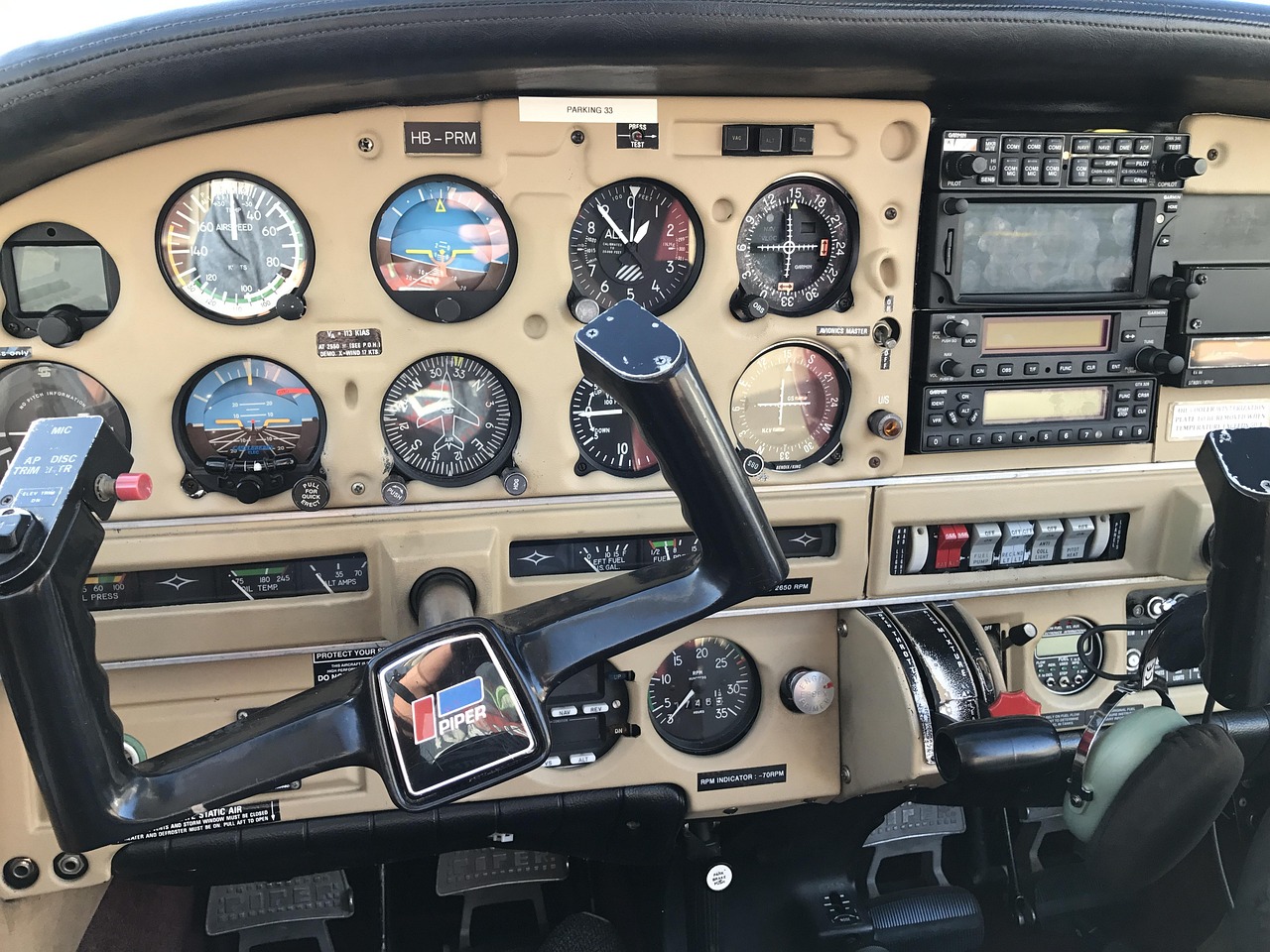
Structure Versus Flexibility
Part 61 training is instructor-driven. You and your instructor set the pace, the order of maneuvers, and the schedule, which makes it a natural fit for working adults training around a job, or hobbyist pilots with no fixed timeline. The tradeoff is that progress depends heavily on how organized your particular instructor is, and switching instructors mid-training can mean some inconsistency in how lessons build on each other.
Part 141 training runs on a fixed, FAA-approved syllabus that every instructor at the school follows the same way. Every lesson has a defined objective and a defined order, stage checks are built in at regular intervals, and the whole program is designed to move a full-time student from zero to certificate as efficiently as the regulation allows. That structure is exactly why it suits career-track students, and it’s part of why our step-by-step guide to becoming a pilot treats hour-building efficiency as the real bottleneck in the whole process.
Who Is Actually Required to Choose Part 141
For most U.S. citizens, this is a genuine choice. For two groups, it is not:
- International students on an M-1 visa can only train at a Part 141 school that is SEVIS-approved and authorized to issue the I-20 form required to obtain the visa in the first place. A Part 61 instructor cannot sponsor that paperwork, regardless of qualifications.
- Veterans using GI Bill benefits can only apply that funding to Part 141 programs. Part 61 training, however good, is not eligible for GI Bill tuition assistance.
If you fall into either category, the decision is already made for you. If you don’t, it genuinely comes down to how you learn and how fast you want to move, which matters more than usual right now given how active airline hiring has been in 2026.
Frequently Asked Questions
Is a Part 141 pilot certificate better than a Part 61 certificate?
No. The certificate you earn is identical either way. The FAA does not distinguish between a Private or Commercial Pilot License earned under Part 61 versus Part 141 on the certificate itself.
Is Part 141 always cheaper because it requires fewer hours?
Not necessarily. Part 141 schools often charge higher per-hour rates and add mandatory ground school fees, which can offset the savings from needing fewer flight hours. Always compare total certificate-to-certificate cost, not just the hourly rate.
Can I switch between Part 61 and Part 141 training partway through?
Generally yes, though hours logged under one part don’t always transfer cleanly toward the reduced minimums of the other, since Part 141’s lower hour requirements are tied to completing its specific approved syllabus. Ask any school you’re considering how they handle transfer students before enrolling.
Do I need a Part 141 school to fly for an airline eventually?
No. Airlines hire pilots who trained under either part, as long as they meet ATP certification requirements. The path you choose affects your training experience, not your long-term career eligibility.
Final Thoughts
Part 61 and Part 141 are not a better-path-versus-worse-path choice, they are two different regulatory frameworks built for two different kinds of students. If you are an international student or using GI Bill benefits, Part 141 is your only option. If you are not, the real question is whether you want the flexibility of instructor-driven training or the discipline of a structured, full-time syllabus, and either one can get you to the same certificate in the end.
Once you have picked a training path, the next question is funding it. We broke down how to pay for flight school, from cadet programme stipends to the GI Bill rule that catches most veterans out.
Whichever path you pick, you will hold a student pilot certificate while you train. Here is what it does and does not allow, and which parts of it actually expire.
