


Scholarship deadlines last checked 28 September 2026. The calendar below is verified against each organisation’s own application page on that date. Deadlines move, so confirm before you rely on one.
Ask around a flight school long enough and you’ll hear the same hopeful question in a dozen forms. Will an airline pay for this? Does the GI Bill cover it? Can I just file a FAFSA like my friends at university did?
The honest answer is that almost nobody pays cash, almost no American airline pays for your training up front, and the federal aid system treats flight schools very differently from colleges. None of that means flight training is out of reach. It means the money comes from somewhere other than where most people first look.
Here’s what actually pays for flight school in 2026, based on what the airlines, the VA and the scholarship funds say themselves.
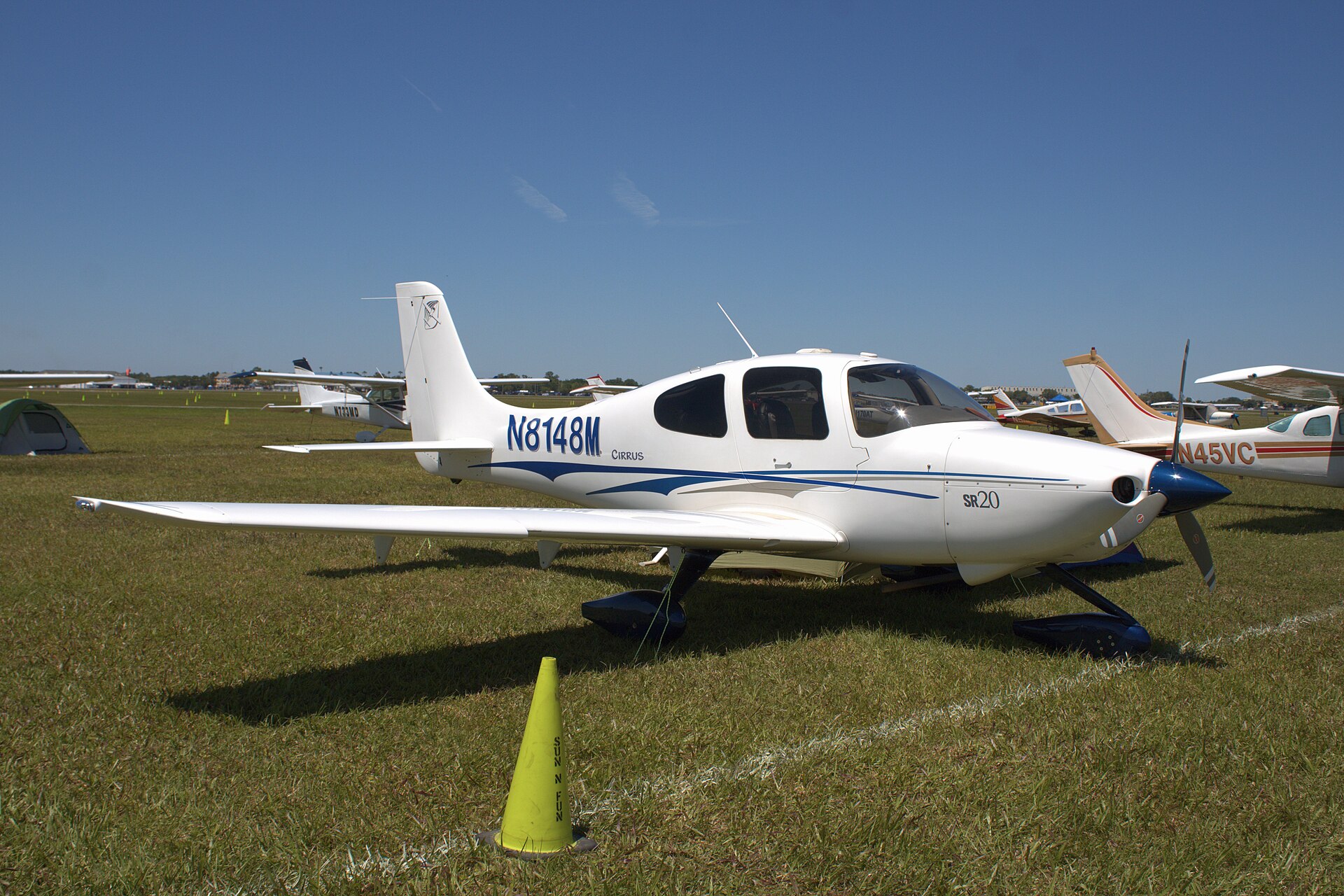
Will an airline pay for your flight training?
Not in the United States, and the cadet programmes that look like they do are mostly financing plus a job at the end of it.
Frontier is refreshingly blunt about this. Its F9 Pilot Cadet Program routes candidates through ATP, and Frontier’s own FAQ states that “Tuition is set by ATP, but averages $90,000 for most students.” There’s no tuition assistance. What cadets get instead is a monthly stipend of $500 until they reach 750 flight hours, then $1,000 a month for the rest of the 24 month programme, described in Frontier’s words as help “to offset costs.”
That’s the shape of the deal across the industry. United’s Aviate Academy is self funded with financing available. American’s Cadet Academy works as a flow through, meaning you train and fly for a regional partner before the mainline seat appears. The money that does come from airlines tends to arrive after you’re hired, as a signing bonus or tuition reimbursement paid out over your first years on the line.
So a cadet programme is worth having. It gives you a defined path, a conditional job offer and sometimes a stipend while you instruct. What it almost never gives you is free training.
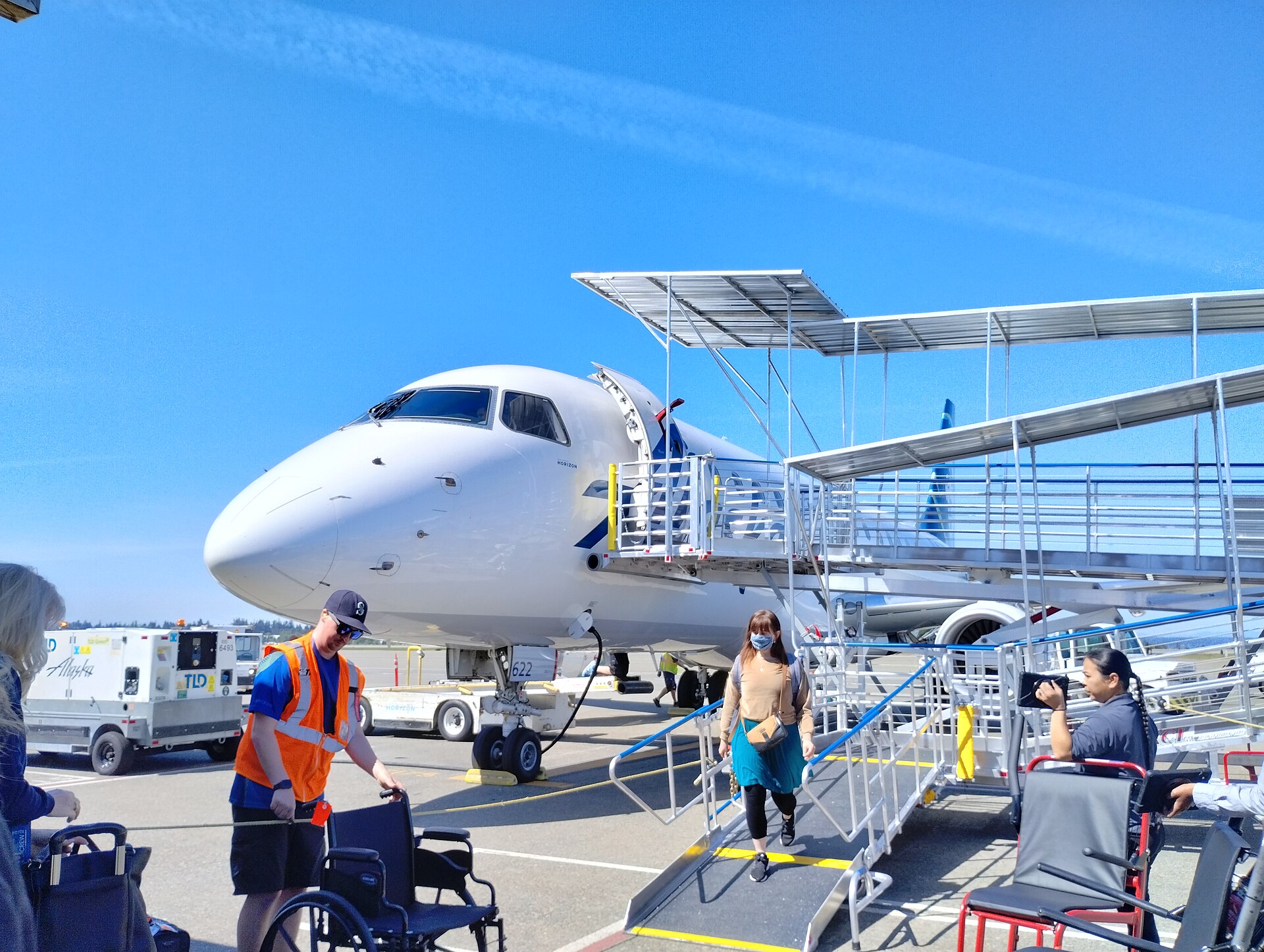
Does the military pay for flight school?
Yes, and it’s the only route in America where somebody else genuinely absorbs the whole cost of teaching you to fly.
The catch isn’t financial, it’s contractual. Military pilot training comes with a service commitment measured in years after you earn your wings, and you don’t choose the airframe. You might want airliners and get tankers. You might want fighters and fly heavies. The selection process decides, not you.
People who go this way generally aren’t doing it as a cheaper way into an airline job. They want to fly military aircraft, and the airline career is what comes afterwards. If your only motivation is avoiding a training bill, the commitment will feel very long.
Can you use FAFSA at a flight school?
Usually not, and this trips up more aspiring pilots than anything else on this list.
Four separate systems get confused here, and they have nothing to do with each other:
- FAA certification is your school’s legal authority to train pilots. Every real flight school has it.
- Accreditation is educational recognition from a body the Department of Education recognises. Most flight schools don’t have it.
- Title IV eligibility is what lets a school accept Pell Grants and federal Direct Loans, the money a FAFSA unlocks. It requires accreditation first.
- VA approval is a separate process again, governing GI Bill money.
A school can be fully FAA certificated under Part 61 or Part 141 and still have none of the other three. That’s the normal case. Standalone flight schools, the kind that take you from private through instrument, commercial and CFI, are mostly not Title IV eligible, so a FAFSA simply has nowhere to land.
There is a way to use federal aid, and it’s the college route. Enrol in an aviation degree programme at an accredited university that runs or partners with a flight school, and your training becomes part of an accredited degree. Now the FAFSA works, because you’re a student at a Title IV institution who happens to be flying.
That path costs more overall and takes longer than a dedicated academy. What you’re buying is access to federal aid, a degree, and a slower, steadier schedule.
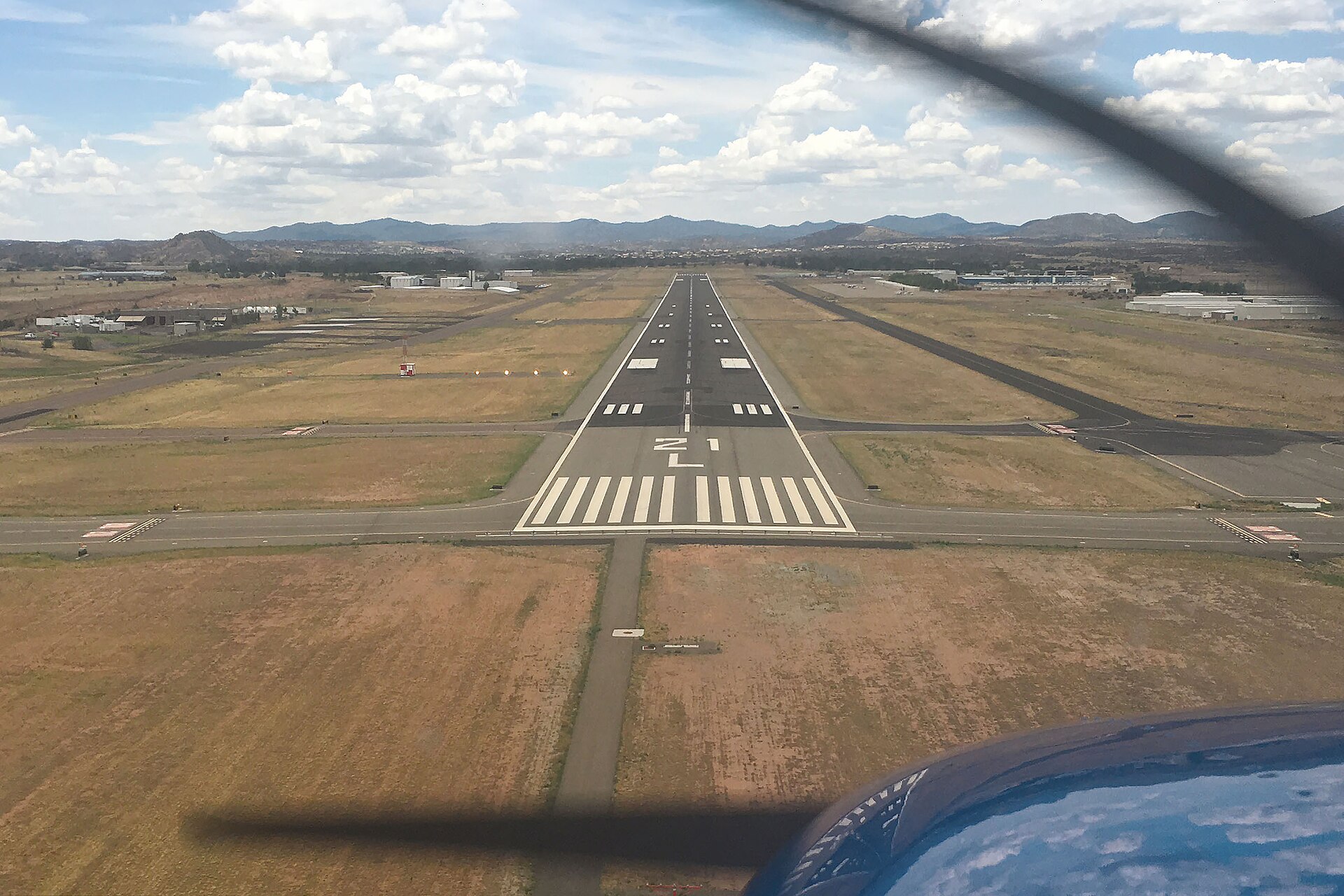
How the GI Bill really works for flight training
Veterans get a genuinely useful benefit here, but it has a condition that catches people out.
The VA requires that you already hold a private pilot certificate before your flight training benefits kick in. Its guidance is explicit that “You have a private pilot’s license” is a prerequisite, alongside a second class medical certificate, or first class if you’re working toward an ATP. So the GI Bill will not pay for your first hours at a standalone pilot school. You have to arrive with the PPL already in hand.
Beyond that, the rules split by programme:
- Training has to happen at an FAA certificated Part 141 pilot school or Part 142 training centre.
- The Montgomery GI Bill, both active duty and Selected Reserve, reimburses 60 percent of the approved fees your school charges.
- The Post-9/11 GI Bill pays the school up to an annual cap that the VA sets and updates, so check the current figure rather than assuming last year’s.
- Survivors’ and Dependents’ Educational Assistance cannot be used at a pilot school at all, although it may work for a college based aviation programme.
Read that list next to the previous section and a pattern shows up. Doing your training inside an accredited college aviation degree opens doors that a standalone academy keeps shut, for veterans and for FAFSA filers alike.
Scholarships that actually pay out
Aviation scholarships have a reputation for being tiny and nearly impossible to win. That reputation is out of date.
AOPA runs one of the largest programmes, with awards ranging from $250 to $14,000. Its high school stream alone offers at least 90 scholarships of $12,000 each, aimed at 16 to 18 year olds working toward a private certificate, plus up to 20 more of $12,000 for teachers using the AOPA Foundation’s aviation STEM curriculum. Applicants have to be AOPA members, which is free for high school students.
Timing matters more than most people realise. AOPA’s autumn window runs from 1 October to 30 December, with decisions by 15 April. The spring round opens 1 April and closes 30 June, with decisions by 15 September. Miss the window and you’re waiting six months.
The EAA Aviation Foundation runs its own flight training scholarships, and there are dozens of smaller funds tied to regions, employers and specific demographics. None of these will fund an entire commercial licence on their own. Stacked across several years of training, they meaningfully shorten the bill.
Scholarship deadline calendar
Verified against each organisation’s own application page on 28 September 2026. Both of the
largest programmes open on the same day, 1 October, which makes early October the single most
valuable week of the year for anyone funding training.
| Programme | Applications open | Applications close | Decisions | Notes |
|---|---|---|---|---|
| AOPA, autumn round | 1 October | 30 December | by 15 April | Awards $250 to $14,000. At least 90 awards of $12,000 for high school students. AOPA membership required, free for high schoolers. |
| AOPA, spring round | 1 April | 30 June | by 15 September | Second chance in the same cycle if you miss the autumn window. |
| EAA flight training | 1 October | 19 December | not published | Age 16 and over. Membership not required but members and active chapter members are prioritised. Usable at any US or Canadian flight school that is not a university programme. Paid out 40 percent, 40 percent, then 20 percent on completion. |
Other programmes worth applying to, dates not verified here: Women in Aviation
International, the Organization of Black Aerospace Professionals, the Ninety-Nines, and a long tail
of regional and state foundations. Their windows move year to year, so check each organisation
directly rather than trusting any third party calendar, including this one, without confirming.
Two practical points that matter more than the list. Applications are free, so the only cost is
your time, and the pool is far less competitive than most students assume because so few people
actually apply. And treat it as a recurring task each October and April rather than something you
try once and forget.
Loans, and why aviation lending is its own thing
Because most flight schools sit outside the federal system, the borrowing that funds them is largely private. Specialist aviation lenders exist precisely because mainstream student loan products don’t fit a student who isn’t enrolled anywhere accredited.
Two things are worth understanding before signing anything. Private aviation loans generally carry higher rates than federal student loans and lack the federal protections, such as income driven repayment. And training timelines slip. Weather, maintenance, instructor turnover and checkride scheduling all stretch a programme, and interest keeps accruing while you wait for a decent flying day.
Build the delay into your budget rather than the brochure timeline. If you want a realistic figure to start from, we broke the numbers down in how much flight school costs in 2026.
What paying for it “with no money” actually looks like
This is the most searched version of the question, and it deserves a straight answer rather than encouragement.
Nobody gets from zero hours to an airline flight deck without a large sum of money moving somewhere. What people do instead is spread the cost and get paid partway through:
- Fly to the CFI certificate, then instruct. This is the classic route. You fund the first stretch yourself, then earn while building the hours you need anyway. It’s slower and the early pay is modest, but the training bill stops growing.
- Train part time while working. Less efficient per hour, easier on the finances, and far more common than the full time academy path.
- Join a flying club. Club aircraft rates are often well below commercial rental, which matters a lot across the dozens of hours between checkrides.
- Enlist first. Serving in a non flying role can bring education benefits you later apply to training, though remember the VA’s rule about holding the PPL first.
- Stack scholarships deliberately. Treat applications as a recurring task each October and April rather than something you try once.
Before committing to any of it, work out which training structure suits you, because it changes the cost as well as the schedule. Our guide to Part 61 versus Part 141 covers that choice, and if you’re weighing whether the numbers work at the far end, what pilots actually earn is the other half of the equation.
Frequently asked questions
Do airlines pay for flight school?
Not in the US, at least not up front. Cadet programmes offer financing, a conditional job and sometimes a monthly stipend while you build hours. Frontier, for instance, pays $500 a month until 750 hours then $1,000 a month, while cadets fund roughly $90,000 of training themselves. Airline money that does arrive usually comes as a signing bonus or tuition reimbursement after you’re hired.
Does FAFSA cover flight school?
Only if the school holds Title IV eligibility, which most standalone flight schools don’t. FAA certification and Title IV eligibility are completely separate things. The reliable way to use a FAFSA is to enrol in an aviation degree at an accredited college that runs or partners with a flight school.
Can I use the GI Bill for flight training?
Yes, but you need a private pilot certificate already, plus the right medical, and the training must be at an FAA certificated Part 141 school or Part 142 centre. The Montgomery GI Bill reimburses 60 percent of approved fees. The Post-9/11 GI Bill pays up to a cap the VA sets. Dependants’ DEA benefits can’t be used at a pilot school.
Does the military pay for flight school?
Yes, fully, in exchange for a multi year service commitment after training. You also don’t pick your aircraft. It suits people who want to fly military aircraft, not people simply looking for a cheaper route to an airline.
How long does it take to pay off flight training?
It depends entirely on what you borrowed and which seat you reach. The variables that matter most are how much of the bill you covered before instructing, how quickly you moved from CFI to a first officer seat, and whether a signing bonus or tuition reimbursement applied. Anyone quoting a single confident number hasn’t accounted for those.
The realistic version
Most people who make it to a commercial flight deck fund training through a mix: some savings, a private loan, a scholarship or two, an instructing job that pays while the hours build, and sometimes an airline stipend near the end. Hardly anyone uses just one source.
The two decisions that move the number most are choosing between an accredited college programme and a standalone academy, which determines whether federal aid and full GI Bill access are even on the table, and how early you reach the CFI certificate, which is the point the bill stops growing and starts shrinking.
If you’re a veteran, get the private certificate sorted before you plan around VA money. If you’re still in high school, the AOPA window opening on 1 October is the cheapest thing you’ll ever do for your flying career.
Sources: Frontier Airlines F9 Pilot Cadet Program, US Department of Veterans Affairs, AOPA Flight Training Scholarships.
Before any of the funding matters, you need the certificate itself. We covered what a student pilot certificate lets you do, including the expiry question almost everyone gets wrong.
