


A US airline pilot can be on duty for anywhere between 9 and 19 hours, depending on what time they started, how many flights they are doing, how many pilots are on board and what kind of bed, if any, the aircraft carries. There is no single number, and the answer is set out in a regulation most passengers have never heard of.
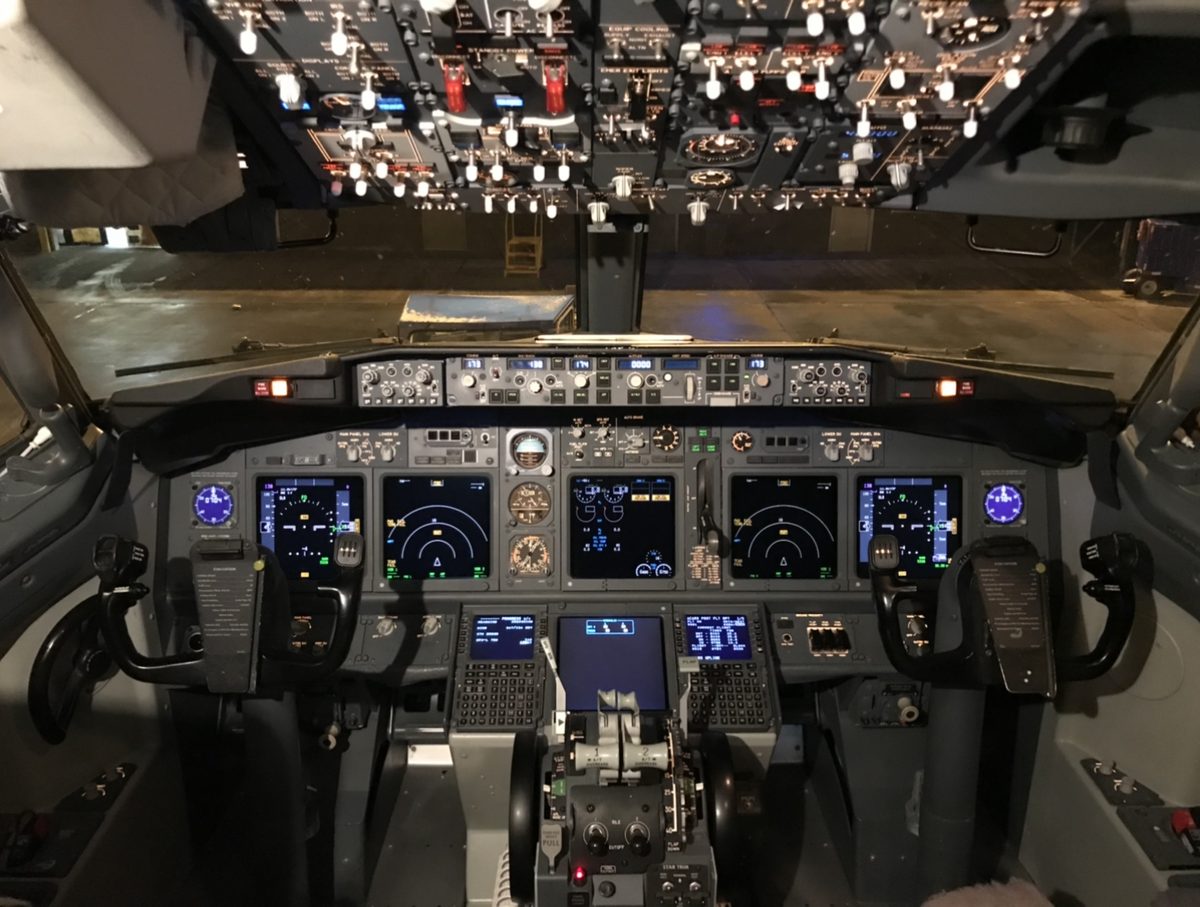
Everything below is taken from 14 CFR Part 117, the flight and duty limitation rules, read from the current edition. The tables are the regulation’s own.
Three limits, not one
People usually ask how long a pilot can fly as though it were one number. The rule actually sets three separate ceilings, and the lowest one wins on any given day.
| Limit | What it caps |
|---|---|
| Flight duty period | The whole working stretch, from reporting to the final engine shutdown |
| Flight time | Only the hours actually airborne |
| Cumulative limits | Totals across a week, a month and a year |
A pilot can therefore be legal on flying hours and still out of time on duty, which is the usual way a crew times out.
How long the working day can be
For a normal two pilot crew, the duty limit depends on when the day starts and how many flights are in it. These are the regulation’s own figures, in hours.
| Report time | 1 flight | 2 | 3 | 4 | 5 | 6 | 7 or more |
|---|---|---|---|---|---|---|---|
| 0000 to 0359 | 9 | 9 | 9 | 9 | 9 | 9 | 9 |
| 0500 to 0559 | 12 | 12 | 12 | 12 | 11.5 | 11 | 10.5 |
| 0700 to 1159 | 14 | 14 | 13 | 13 | 12.5 | 12 | 11.5 |
| 1700 to 2159 | 12 | 12 | 11 | 11 | 10 | 9 | 9 |
| 2300 to 2359 | 10 | 10 | 10 | 9 | 9 | 9 | 9 |
The pattern is worth reading twice. A crew starting at 0700 gets 14 hours. The same crew starting at midnight gets 9. The regulation is not counting hours worked, it is counting how hard those hours are to stay awake through, which is why the generous numbers sit in the morning and the harsh ones sit overnight.
There is also a quiet penalty for jet lag. If the crew is not acclimated to the local time zone, the limit drops by a further 30 minutes.
How many of those hours can be flying
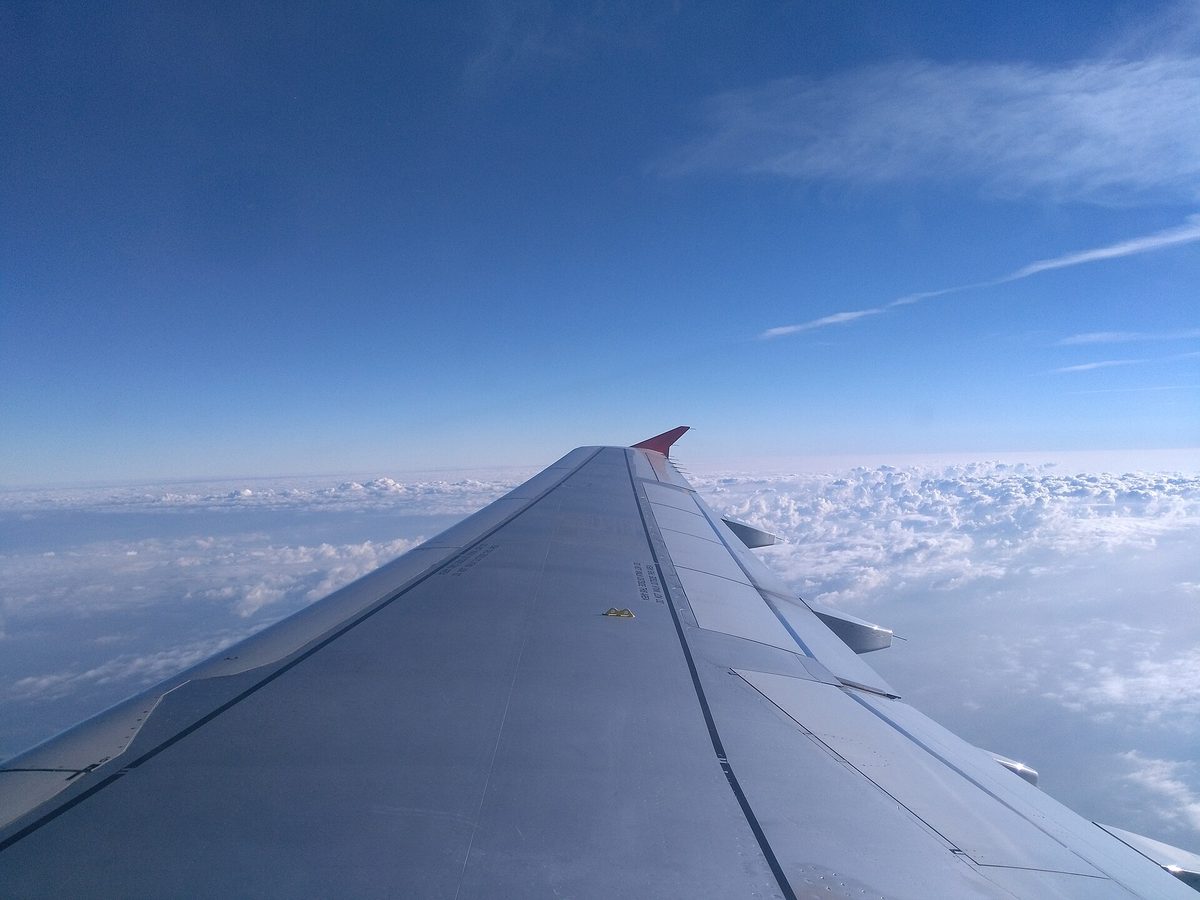
Inside that duty period, actual airborne time is capped separately and much lower.
| Report time | Maximum flight time |
|---|---|
| 0000 to 0459 | 8 hours |
| 0500 to 1959 | 9 hours |
| 2000 to 2359 | 8 hours |
So a 14 hour duty day still contains at most 9 hours in the air. The rest is the part passengers never see: briefing, preflight, turnarounds, delays and waiting.
What changes when you add pilots
This is how a 17 hour flight is legal at all. Put more pilots on board than the aircraft needs and the duty limit rises sharply, because each of them can be relieved and sleep in turn.
| Report time | 3 pilots, proper bunk | 4 pilots, proper bunk | 3 pilots, reclining seat | 4 pilots, reclining seat |
|---|---|---|---|---|
| 0000 to 0559 | 15 | 17 | 13 | 13.5 |
| 0700 to 1259 | 17 | 19 | 15 | 15.5 |
| 1700 to 2359 | 15 | 17 | 13 | 13.5 |
Nineteen hours is the ceiling, and it takes four pilots and a real bed to reach it.
Where the resting pilot actually sleeps
The difference between 13 hours and 19 is the quality of the bed, and the regulation defines three grades of it in surprising detail.
- Class 1. A bunk or other flat sleeping surface, separate from both the flight deck and the passenger cabin, temperature controlled, with light the occupant can control and isolation from noise and disturbance. This is the hidden compartment people have heard rumours about, and it is the only one that buys the full 19 hours.
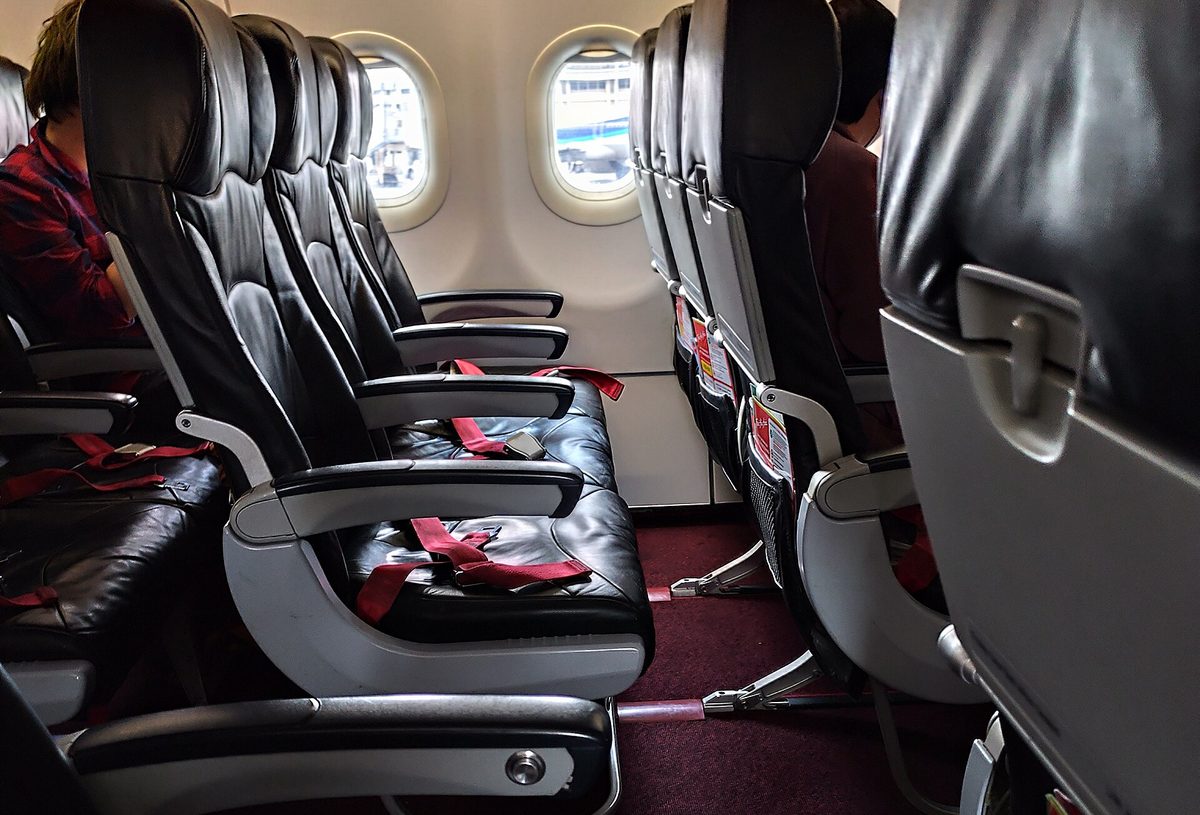
- Class 2. A seat in the cabin that lies flat or nearly flat, separated from passengers by at least a curtain for darkness and some sound mitigation, and reasonably free from disturbance.
- Class 3. A seat in the cabin or on the flight deck that reclines at least 40 degrees and supports the legs and feet. That is the whole requirement, and it is worth the least extra time.
Note what the regulation is really doing. It is not asking whether a pilot slept. It is pricing, in hours, how likely it is that they could.
The weekly and yearly ceilings
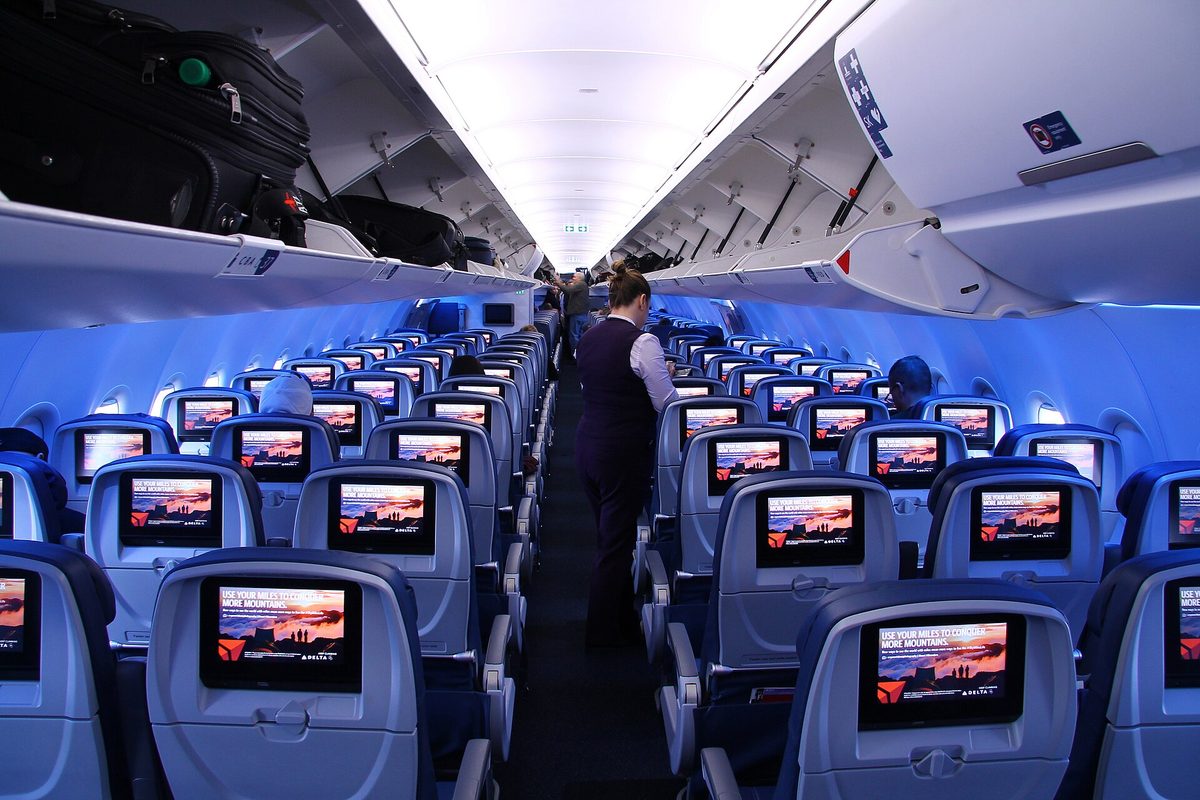
Beyond any single day, the totals are capped too.
- No more than 100 hours of flight time in any 672 consecutive hours, which is four weeks.
- No more than 1,000 hours of flight time in any 365 days.
- No more than 60 duty hours in any 168 consecutive hours, which is one week.
- No more than 190 duty hours in any 672 consecutive hours.
Rest is mandated in the same hard way. A pilot must have at least 30 consecutive hours free of all duty in any 168 hour period, and after certain long range patterns, 56 consecutive hours on getting back to base.

The rule that overrides every number above
All of that is a ceiling, not a target, and one short section outranks the lot of it.
Under the fitness for duty rule, a pilot must report rested and fit. An airline may not assign, and a pilot may not accept, a duty period if that pilot has reported themselves too fatigued to fly safely, and an airline may not let a pilot continue once they have said so. As part of the dispatch release, every pilot has to affirmatively state that they are fit.
In other words the last line of defence is not a table. It is a pilot being willing to say no, in writing, before the flight leaves. The only way an airline may legally exceed any limit in the whole part is under an FAA approved Fatigue Risk Management System that demonstrably gives an equivalent level of safety.
Frequently asked questions
How long can a pilot fly in one day?
Up to 9 hours of actual flight time for a standard two pilot crew, inside a duty period that can run from 9 to 14 hours depending on start time and number of flights. With extra pilots and a proper bunk, the duty period can reach 19 hours.
Why do crews time out?
Usually on duty time rather than flying time. Delays extend the working day without adding airborne hours, so a crew can be well inside the flight time cap and still hit the duty ceiling.
Do pilots really sleep on long flights?
On augmented crews, yes, and the law assumes it. The extra hours an airline is allowed depend directly on the class of rest facility carried, from a proper bunk down to a seat that reclines 40 degrees.
How many hours can a pilot fly in a year?
No more than 1,000 hours of flight time in any 365 days, and no more than 100 hours in any four week period.
Can an airline make a pilot fly when they are tired?
No. If a pilot reports themselves too fatigued to fly safely, the airline may not assign the duty or allow it to continue, and each pilot must state they are fit as part of the dispatch release.
Sources
Every figure here is from 14 CFR Part 117, read from the current edition on 4 October 2026: Tables A, B and C for the limits, section 117.3 for the rest facility classes, 117.13 for the acclimation reduction, 117.23 for cumulative limits, 117.25 for rest, and 117.5 and 117.7 for fitness for duty and fatigue risk management. These are US rules; other regulators set their own, usually similar in shape and different in detail.
More from CrewDaily: what happens if both pilots fall asleep, when pilots have to retire, and why seniority decides a pilot’s whole career.
