


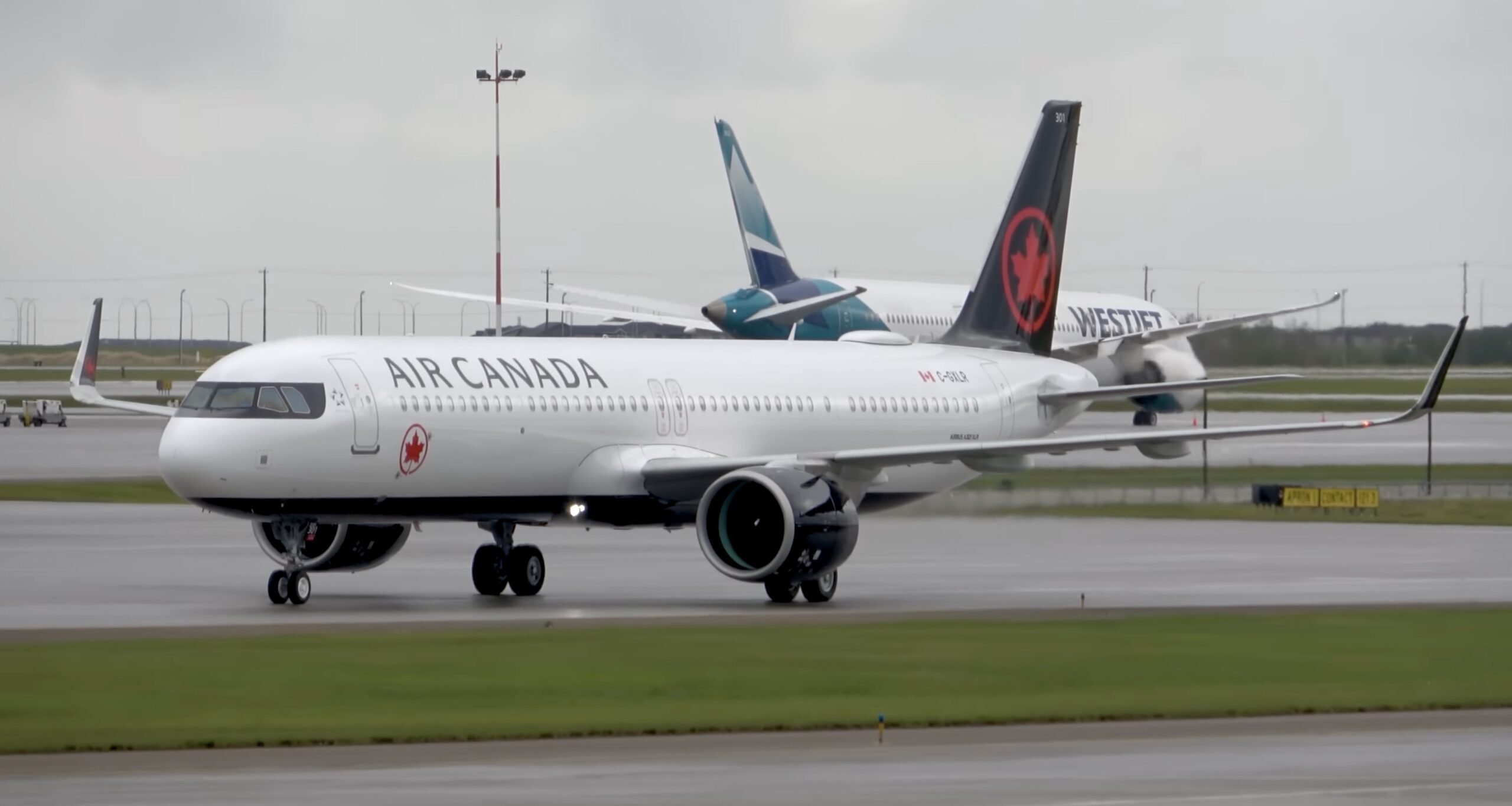
Airbus A321XLR pilot jobs 2026 are generating serious buzz across the airline industry as carriers finalize their plans for the longest-range single-aisle aircraft ever built. With entry into service now well underway and over 500 orders on the books, this aircraft is reshaping how airlines think about transatlantic routes, crew planning, and type-rated pilot demand. If you fly the A320 family or plan to transition into it, this is the year to pay attention.
Why the Airbus A321XLR Changes Everything for Narrowbody Operations
The A321XLR brings a certified range of up to 4,700 nautical miles. That is transatlantic capability in a single-aisle airframe, something that was unthinkable just a few years ago. Airlines no longer need widebody jets to connect mid-size city pairs across the Atlantic, and that changes the economics of long-haul flying completely.
For airlines, the operating cost per seat is significantly lower than deploying a Boeing 787 or Airbus A330 on thin long-haul routes. The aircraft can profitably fly 180 to 220 passengers on sectors that would never justify a widebody. This opens hundreds of new city pairs that were previously left unserved.
For pilots, this means one thing above all else: more jobs. Every new route requires crew, and the A321XLR is creating routes that simply did not exist before. The ripple effect on Airbus A321XLR pilot jobs 2026 is already visible in recruitment postings from airlines in Europe, the Middle East, and North America.
Airlines Already Hiring for the A321XLR in 2026
Several major carriers are actively building their A321XLR fleets right now. Iberia took delivery of its first aircraft in late 2024 and has been expanding its XLR operations steadily. Aer Lingus is using the type to strengthen transatlantic connectivity from Dublin to smaller U.S. cities.
In the Middle East, the interest is equally strong. Carriers like Jazeera Airways and Kuwait Airways have the A321XLR on order, and Riyadh Air pilot jobs and salary expectations are also tied to the broader A321neo family fleet strategy in the region.
In North America, JetBlue continues to expand its transatlantic footprint with the A321LR and is widely expected to add the XLR variant. United Airlines, already the largest A321neo operator in the U.S., is evaluating XLR routes that would complement its existing hub strategy.
The bottom line is clear. Airlines across multiple regions are hiring pilots for A321XLR operations, and that trend is accelerating through the second half of 2026.
Airbus A321XLR Pilot Jobs 2026: What Type Rating Do You Need?
Here is the good news. The A321XLR shares a common type rating with the entire A320 family. If you already hold an A320 type rating, you can fly the XLR after completing a short differences training course. There is no need for a separate type rating exam or additional checkride.
This is a massive advantage for pilots already in the Airbus narrowbody ecosystem. Your existing A320/A321 type rating is your ticket to flying the longest-range single-aisle jet in commercial service.
For pilots coming from Boeing types like the 737, a full A320 type rating course will be required. Given the current airline pilot shortage, many airlines are offering sponsored or partially funded type rating conversions to attract experienced pilots from other fleets.
New Routes the A321XLR Is Opening in 2026
The route map expansion driven by the A321XLR is something the industry has not seen from a narrowbody before. Let me break down what is happening by region.
Europe to North America
This is the primary battleground. Airlines like Iberia are connecting Madrid to cities in the U.S. and Canada that previously had no direct service. Aer Lingus is linking Dublin with secondary U.S. airports. Norse Atlantic and other low-cost long-haul carriers are evaluating the XLR as a replacement for their widebody operations on thinner routes.
Middle East Expansion
Gulf carriers are looking at the A321XLR for routes connecting the Arabian Peninsula with destinations in Southern Europe, East Africa, and the Indian subcontinent. The lower operating costs make these routes viable with a narrowbody for the first time.
Asia-Pacific Opportunities
In Asia, the A321XLR opens possibilities for routes between Southeast Asia and Australia, as well as connections between secondary cities in India and the Middle East. Airlines like IndiGo, which has ordered the aircraft, could use it to launch international long-haul services that would be uneconomical with a widebody.
Every one of these new routes translates directly into crew requirements. More routes mean more block hours, more pairings, and more Airbus A321XLR pilot jobs 2026 postings on airline career pages.
Salary Expectations for A321XLR Pilots
Compensation for A321XLR pilots follows the existing A320 family pay scales at most airlines since it is the same type rating. However, because XLR routes are longer sectors with augmented crew requirements on some pairings, there are nuances worth understanding.
In Europe, A321 captains at major carriers typically earn between EUR 130,000 and EUR 200,000 annually, depending on the airline and seniority. First Officers generally fall in the EUR 60,000 to EUR 100,000 range.
In the Middle East, tax-free salaries for A320 family captains range from USD 140,000 to USD 220,000, with additional benefits such as housing, education allowances, and annual travel tickets. The Middle East remains one of the most financially attractive regions for A320 family pilots.
In North America, major airline A321 captains can earn well above USD 250,000 per year, especially at legacy carriers where recent pilot contract negotiations have pushed compensation to record levels.
The longer sectors flown by the XLR may also bring enhanced per diem allowances and layover benefits, adding to total compensation packages.
How the A321XLR Compares to Competing Aircraft
The A321XLR does not exist in a vacuum. Boeing’s 737 MAX 10 and the upcoming 737 MAX 7 are competing for orders, though neither can match the XLR’s range. The Boeing 737 MAX 7 certification timeline and its impact on pilot jobs is worth watching, as any delays continue to push airlines toward Airbus solutions.
The Boeing 787-8 and Airbus A330-800 are the widebody alternatives for similar routes, but their higher seat-mile costs make them less attractive on thinner routes. Airlines are increasingly choosing the XLR specifically because it allows them to open routes without the financial risk of filling a 250-plus-seat widebody.
This competitive positioning means the A321XLR order book is likely to grow further. According to Airbus’s official orders and deliveries data, the A321neo family (including XLR variants) continues to dominate the single-aisle market with thousands of backlog orders. Every delivery adds to the demand for qualified pilots, reinforcing the positive outlook for Airbus A321XLR pilot jobs 2026.
What This Means for Your Career Planning
If you are a current A320 family pilot, the XLR is an upgrade in capability without any significant retraining barrier. Position yourself at airlines that have XLR orders, and you will likely find yourself flying some of the most interesting narrowbody routes in commercial aviation history.
If you are a cadet or low-hour pilot, targeting the A320 type rating is a smart long-term play. The A320 family fleet is the largest in the world, and the XLR extends its relevance well into the 2040s. Your type rating investment will pay dividends for decades.
If you are on Boeing types and considering a switch, 2026 is a strong year to make the move. Airlines are actively recruiting, training pipelines have capacity, and the demand for A320 family pilots is outpacing supply in multiple regions.
Practical Steps to Take Right Now
1. Update your applications at airlines with A321XLR deliveries scheduled for 2026 and 2027.
2. Ensure your A320 type rating is current, or begin the process if you are transitioning from another type.
3. Monitor airline fleet plans closely. Delivery schedules from Airbus are public, and you can track which airlines are receiving XLR aircraft.
4. Network with recruiters at aviation job fairs and through professional pilot associations. Many XLR positions are being filled through direct recruitment channels.
The Bigger Picture for 2026 and Beyond
The Airbus A321XLR is more than just a new airplane variant. It represents a structural shift in how airlines plan their networks. By making long-haul narrowbody operations commercially viable, it creates pilot positions that would not otherwise exist. That is the honest reality.
The combination of strong order books, expanding route networks, and the ongoing global pilot shortage makes Airbus A321XLR pilot jobs 2026 one of the most promising areas in commercial aviation employment. Whether you are a seasoned captain or a first officer building hours, this aircraft type deserves a prominent place in your career strategy.
The pilots who recognize this shift early and position themselves accordingly will benefit the most. The A321XLR is not a niche aircraft. It is becoming a cornerstone of modern airline fleet planning. And with that comes opportunity on a scale that the narrowbody world has never seen before.
Stay informed, stay current on your qualifications, and be ready when the call comes. The A321XLR era is here, and it is hiring.
About the Author: Capt. James Harlow is an A320 Captain holding a GCAA license with over a decade of flying in the Gulf region. He writes about aviation news, pilot careers, cockpit operations, and airline life.
