


Singapore Changi Terminal 5 2026 stands as the most ambitious airport infrastructure project currently under construction in the Asia-Pacific region. This massive undertaking will redefine how millions of passengers experience air travel across Southeast Asia and beyond. The project has captured the attention of aviation professionals, airlines, and travelers worldwide.
As a pilot who has operated into Changi for years, I can tell you that this airport has always set the standard. But what is happening right now with Terminal 5 goes far beyond anything we have seen before. The scale, the technology, and the operational philosophy behind this build are genuinely unprecedented.
What Makes Singapore Changi Terminal 5 2026 a Game-Changer for Aviation
The numbers alone tell a striking story. Terminal 5 is designed to handle approximately 50 million passengers annually once fully operational. That figure effectively doubles the current capacity of Changi Airport, pushing total airport throughput beyond 140 million passengers per year.
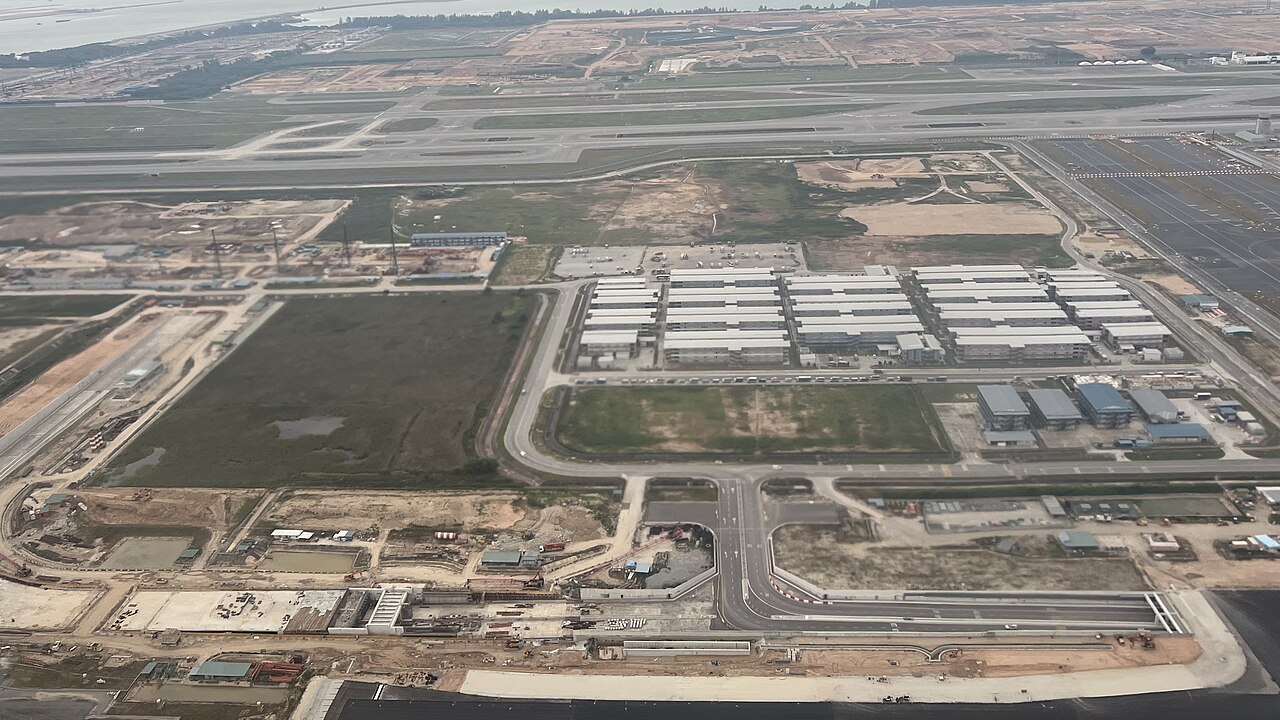
Construction activity in 2026 has entered a phase of visible and rapid progress. Structural steelwork for the main terminal building is rising, and early systems installation is underway in completed sections. The Civil Aviation Authority of Singapore (CAAS) and Changi Airport Group (CAG) have maintained a disciplined timeline despite the project’s complexity.
Singapore Changi Terminal 5 2026 developments confirm that the terminal will feature a three-runway system. This is a significant change from the current two-runway configuration. The third runway alone will transform Changi’s ability to handle peak-hour traffic and reduce holding delays that pilots currently experience during busy periods.
1. A Terminal Designed Around Passenger Flow, Not Architecture
One of the most important inside details about Singapore Changi Terminal 5 2026 is the design philosophy. Unlike many mega-terminal projects that prioritize visual drama, T5 has been engineered around passenger flow efficiency from the ground up.
The terminal layout uses a centralized processing model. Passengers will move through check-in, immigration, and security in a streamlined sequence that minimizes backtracking and confusion.
Walking distances have been carefully calculated. Even at the most remote gates, passengers should face significantly shorter transit times compared to other mega-hubs of similar capacity. This matters for connections, and it matters for the passenger experience.
2. Automation and Biometric Systems at Every Touchpoint
The Singapore Changi Terminal 5 2026 project incorporates end-to-end biometric processing. From check-in kiosks to boarding gates, facial recognition technology will allow passengers to move through the terminal without repeatedly presenting documents.
Baggage handling will rely on an advanced automated system capable of processing tens of thousands of bags per hour. The system uses high-speed tote-based conveyors and AI-driven sorting to reduce mishandling rates to near zero.
For pilots and crew, these systems mean faster turnarounds and fewer ground delays caused by baggage issues. The operational benefits extend well beyond passenger convenience.
3. Sustainability Built into Every Layer of Singapore Changi Terminal 5 2026
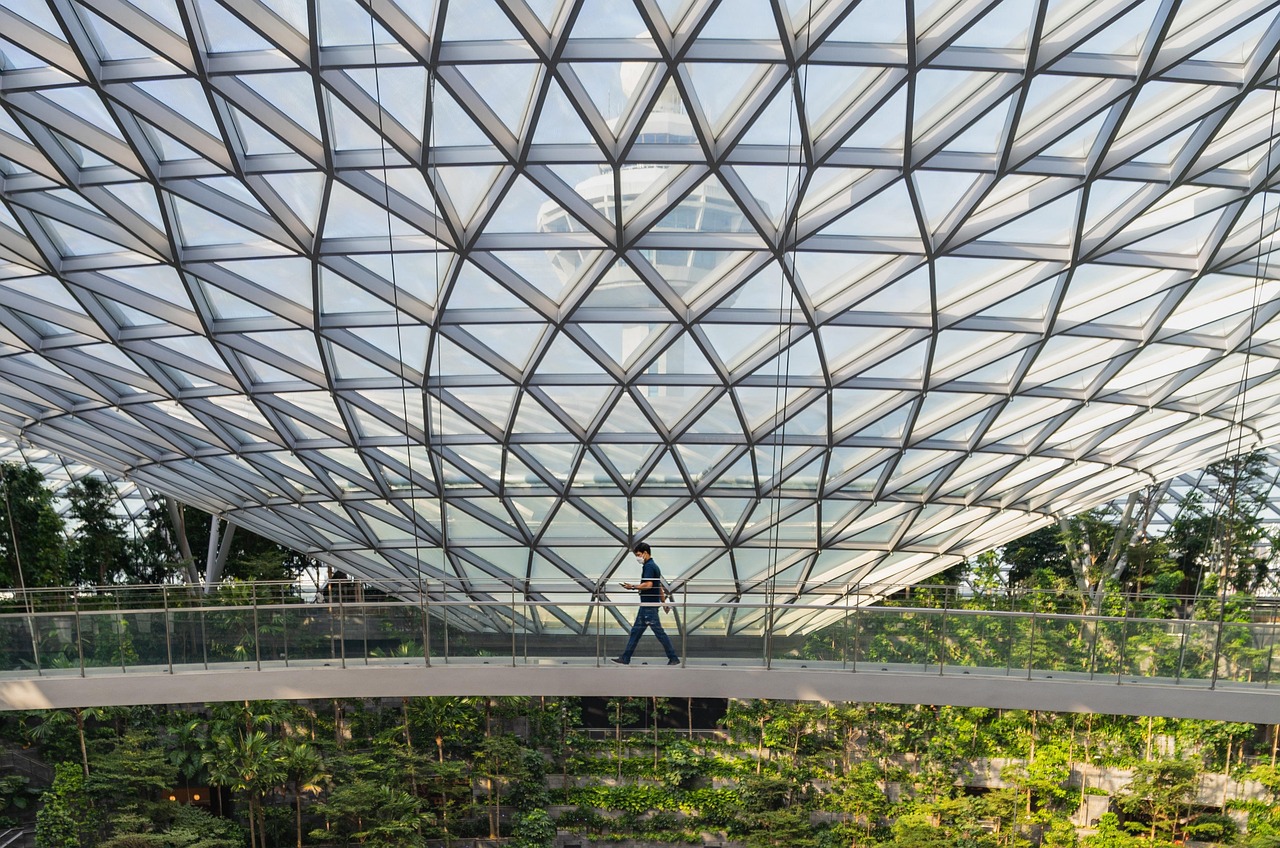
Green building standards are not optional for this project. They are foundational. Terminal 5 is being constructed to achieve the highest tier of Singapore’s Green Mark certification, incorporating solar panel arrays, rainwater harvesting, and energy-efficient cooling systems designed for the tropical climate.
The terminal’s roof design maximizes natural daylight penetration while controlling solar heat gain. This reduces the energy required for both lighting and air conditioning, which are the two biggest energy consumers in any tropical airport terminal.
CAG has also committed to integrating electric ground support equipment across the T5 apron. This aligns with Singapore’s broader national targets for carbon reduction and positions Changi as a leader in sustainable airport operations across Asia-Pacific.
4. How T5 Will Reshape Airline Hub Strategies Across Asia
The capacity added by Singapore Changi Terminal 5 2026 will directly impact airline network planning throughout the region. Singapore Airlines Group, including Scoot, is expected to be the anchor tenant, but the terminal is designed to accommodate a wide range of carriers.
With 50 million additional passengers flowing through Changi, connecting traffic between Europe, Australia, and Asia will intensify. Airlines that currently hub through other Southeast Asian airports may reconsider their strategies as T5 offers superior facilities and connection times.
This shift echoes what is happening at other global mega-hubs. The New Istanbul Airport mega expansion follows a similar playbook of building massive capacity to attract transfer traffic. The competition between these super-connectors will define long-haul routing for the next two decades.
5. The Third Runway and What It Means for Pilots
For those of us in the cockpit, the third runway associated with Singapore Changi Terminal 5 2026 is arguably the most significant operational detail. Changi currently operates two parallel runways, and during peak hours, the sequencing can get tight.
A third runway will provide dramatically more flexibility for air traffic control. Simultaneous arrivals and departures on multiple runways will reduce holding times and allow more efficient climb and descent profiles. That translates directly into fuel savings and lower emissions per flight.
The runway configuration has been designed to support independent parallel approaches. Pilots can expect updated STAR and SID procedures optimized for the three-runway environment. Training departments at airlines operating into Changi will need to incorporate these changes well before T5 opens.
6. Ground Transportation Links That Connect T5 to the City and Region
Singapore Changi Terminal 5 2026 planning extends far beyond the airport boundary. A dedicated MRT (Mass Rapid Transit) line will connect the new terminal directly to the existing rail network, giving passengers seamless access to the city center.
Automated people movers will link T5 to the existing terminals, making inter-terminal transfers fast and convenient. This is particularly important for connecting passengers who may arrive at one terminal and depart from T5.
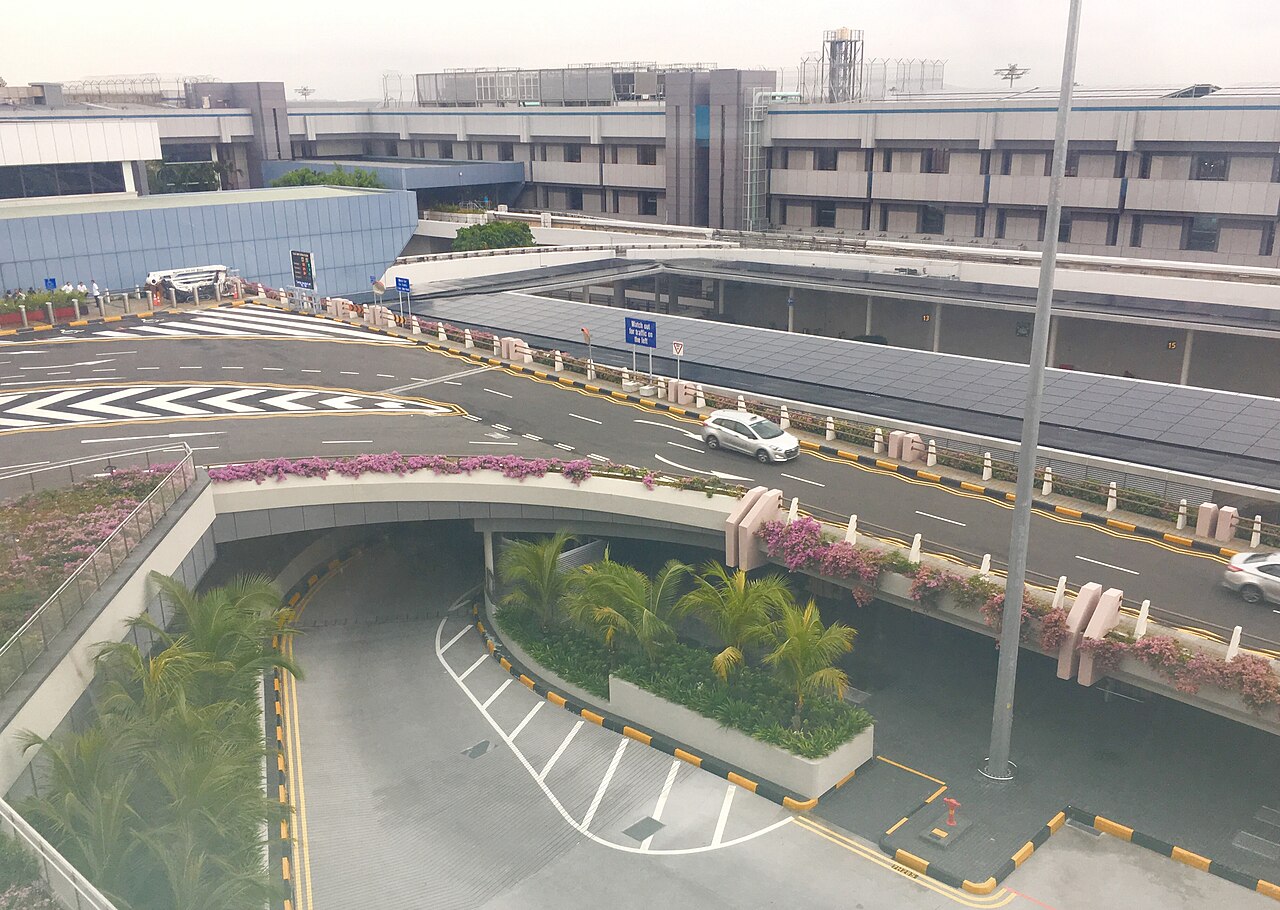
Road infrastructure upgrades are also underway, including new expressway connections and expanded taxi and ride-hail pickup zones. The goal is to ensure that the ground-side experience matches the efficiency of the air-side operations.
7. Retail and Commercial Spaces Redefining Airport Revenue
Anyone familiar with Changi knows that the airport has always excelled at commercial operations. Singapore Changi Terminal 5 2026 takes this to another level with a retail and dining footprint that rivals major shopping destinations.
The commercial strategy is not just about filling space with shops. CAG is curating experiences that encourage passengers to arrive early and spend time in the terminal. Expect immersive dining concepts, experiential retail, and dedicated lounges that go well beyond the standard airline offerings.
Revenue from these commercial operations helps keep aeronautical charges competitive. For airlines, that means lower landing fees and terminal charges compared to other mega-hubs. It is a smart business model that benefits everyone in the aviation ecosystem.
8. Singapore Changi Terminal 5 2026 and the Future of Aircraft Operations
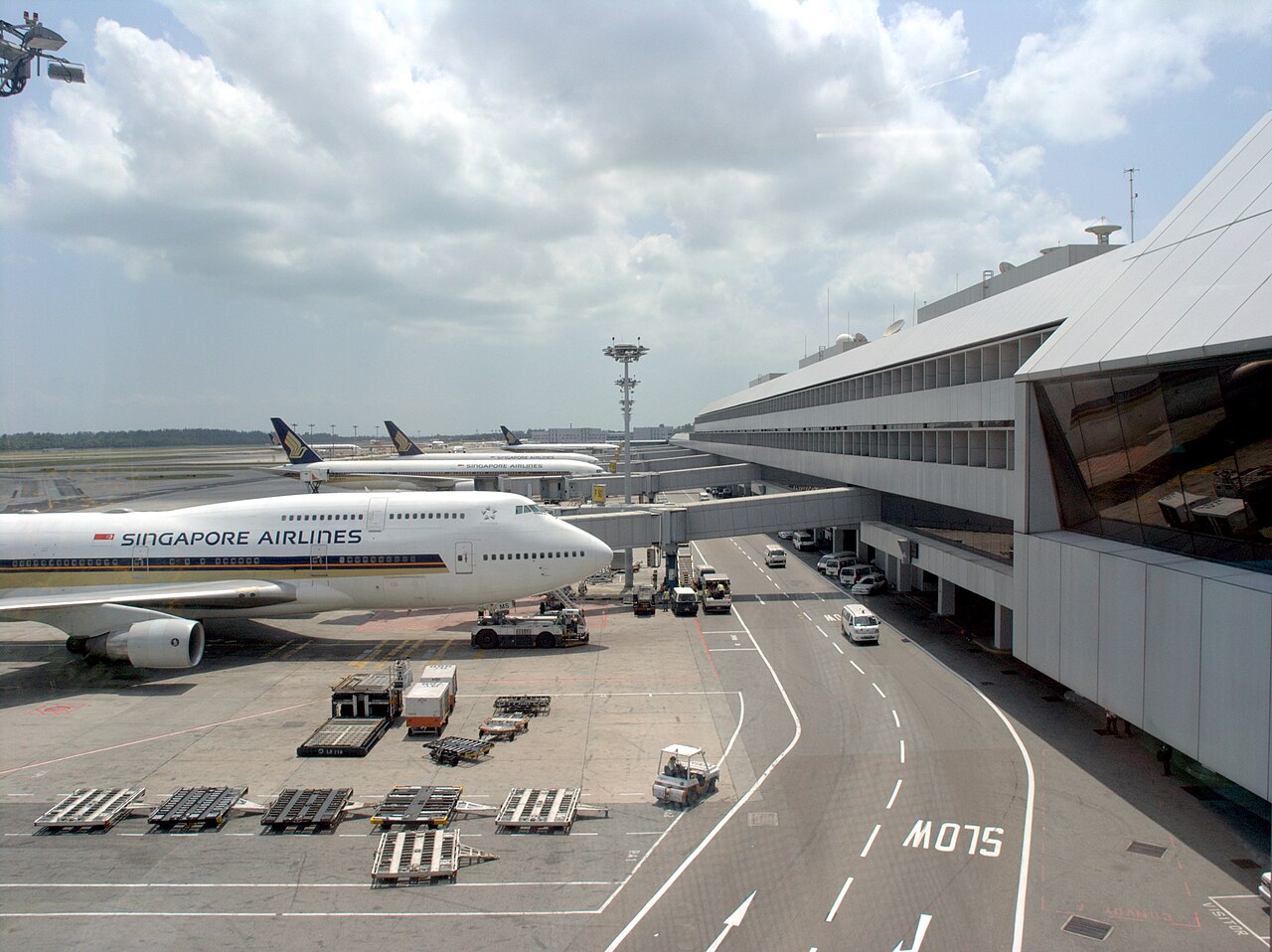
The apron and gate design at T5 accommodates the latest generation of widebody aircraft. This includes the Airbus A350, Boeing 787, and the anticipated next-generation widebody platforms that manufacturers are developing.
Gate spacing and jet bridge configurations are designed for flexibility. Contact stands can handle everything from narrowbody aircraft to the A380, depending on demand. This adaptability is forward-looking, especially as widebody aircraft orders reshaping the airline industry continue to influence fleet planning worldwide.
Taxiway geometry around T5 has been optimized for efficient ground movement. Pilots will appreciate reduced taxi times, and airlines will welcome the fuel savings that come with shorter ground rolls between runway and gate.
9. Integration of Advanced Air Mobility and Future Technologies
Perhaps the most forward-thinking element of Singapore Changi Terminal 5 2026 is the provision for advanced air mobility. The terminal design includes designated zones for vertiport operations, anticipating the arrival of electric vertical takeoff and landing (eVTOL) aircraft.
Singapore has been one of the most proactive countries in testing and regulating urban air mobility eVTOL breakthroughs. Building vertiport infrastructure into T5 from the start avoids the costly retrofitting that other airports will face.
Digital twin technology is being used throughout the construction and planning process. A complete virtual model of the terminal allows engineers to simulate passenger flows, aircraft movements, and emergency scenarios before the physical building is complete. This level of planning precision is setting a new benchmark for airport construction globally.
The Competitive Landscape: How T5 Stacks Up Against Regional Rivals
Singapore Changi Terminal 5 2026 does not exist in a vacuum. Across the Asia-Pacific region, several major airport projects are competing for dominance. Kuala Lumpur, Bangkok, and Jakarta are all expanding or planning new terminals.
However, Singapore brings unique advantages that are difficult to replicate. Political stability, regulatory transparency, world-class air traffic management, and a geographic position at the crossroads of major long-haul routes give Changi a structural edge.
The CAAS official website provides regular updates on regulatory developments and airspace planning related to the T5 project. Pilots and industry professionals should monitor these updates closely as procedures will evolve in the lead-up to opening.
Timeline and Milestones: What to Expect Next
As of mid-2026, the Singapore Changi Terminal 5 2026 construction is progressing through major structural milestones. The project remains on track for a phased opening that is expected to begin in the early 2030s, with full operations following shortly after.
Key milestones in the near term include completion of the main terminal superstructure, installation of baggage handling and mechanical systems, and the beginning of fit-out works for airline and commercial spaces. The third runway construction is progressing in parallel.
Testing and commissioning will be an extensive process. Changi Airport Group has historically run thorough trial operations before opening new facilities, and T5 will be no exception. Expect large-scale passenger simulation exercises in the years before the doors open to the public.
What Singapore Changi Terminal 5 2026 Means for the Industry
Stepping back from the details, the broader significance of Singapore Changi Terminal 5 2026 is hard to overstate. This project represents a bet on the future of aviation, a belief that air travel demand in Asia-Pacific will continue to grow strongly over the coming decades.
For airlines, T5 offers a platform to expand networks and capture connecting traffic. For passengers, it promises a travel experience that is faster, smoother, and more enjoyable. For aviation professionals, it raises the bar for what we should expect from airport infrastructure.
The lessons from Singapore Changi Terminal 5 2026 will influence airport planning worldwide. From automation to sustainability to advanced air mobility integration, T5 is not just a terminal. It is a statement about where aviation is heading.
I have been flying into Changi for over a decade, and every visit reminds me why this airport consistently ranks at the top. With Terminal 5, Singapore is not just maintaining that position. They are building something that will set the pace for an entire generation of airport development.
The aviation world is watching Singapore Changi Terminal 5 2026 closely. And for good reason. What is being built there today will shape how we all fly tomorrow.
About the Author: Capt. James Harlow is an A320 Captain holding a GCAA license with over a decade of flying in the Gulf region. He writes about aviation news, pilot careers, cockpit operations, and airline life.
