


The Spirit Airlines shutdown 2026 has sent shockwaves through the American aviation industry and permanently altered the landscape of budget air travel. What was once the largest ultra-low-cost carrier in the United States is now a cautionary tale about unsustainable business models, rising operational costs, and fierce competition. For passengers, pilots, and the broader airline ecosystem, the ripple effects are only beginning to surface.
In this article, we break down the seven most significant impacts of the Spirit Airlines shutdown 2026 and what they mean for everyone connected to US aviation. From ticket prices to pilot employment, airport operations to competitive dynamics, nothing has been left untouched.
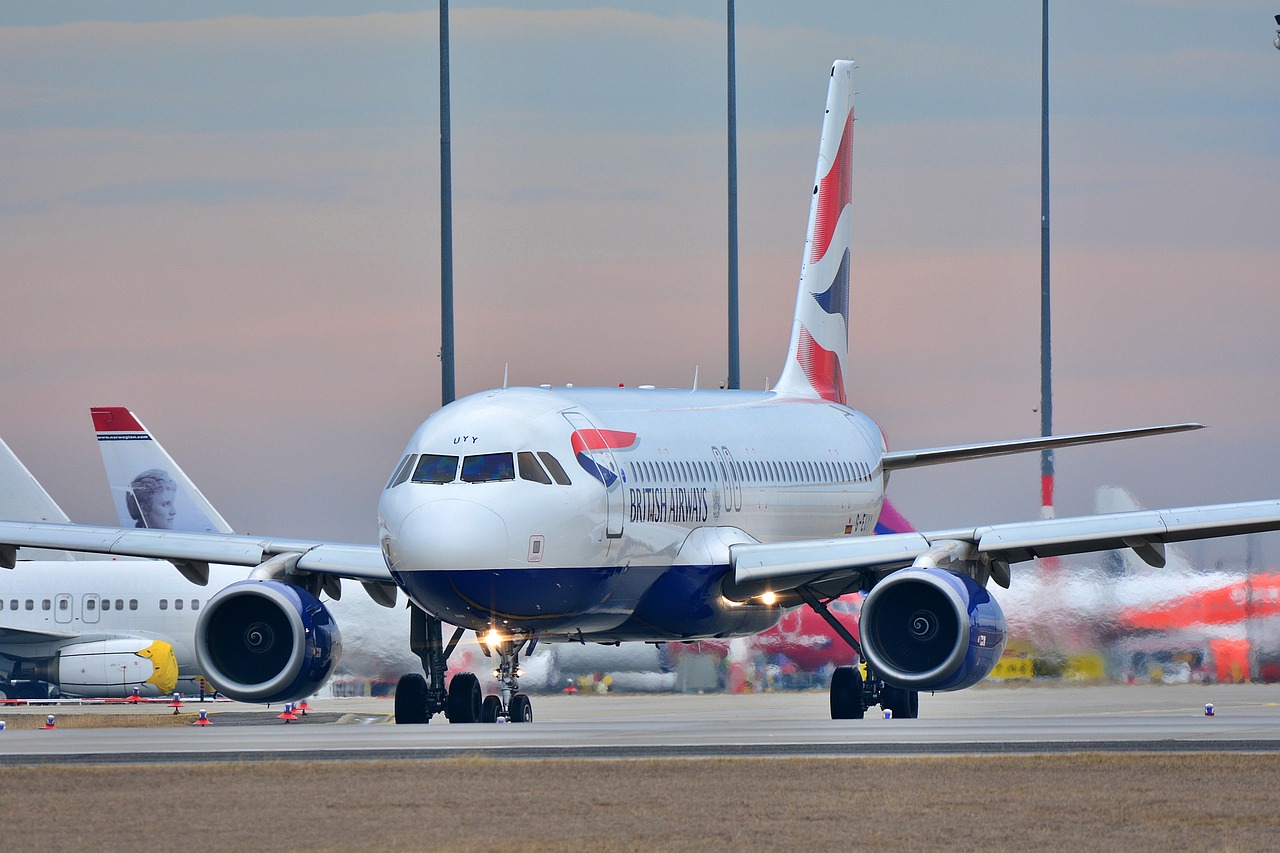
What Led to the Spirit Airlines Shutdown 2026
Before diving into the impacts, it is worth understanding how we got here. Spirit Airlines had been struggling financially for years, battling mounting debt, a failed merger attempt with JetBlue, and a customer base that was increasingly drawn to competitors offering slightly higher fares with significantly better service.
The airline filed for Chapter 11 bankruptcy protection in late 2024 and attempted to restructure. However, the restructuring efforts fell short. Creditors lost confidence, aircraft lessors began reclaiming planes, and by early 2026, the airline ceased operations entirely.
The Spirit Airlines shutdown 2026 became official when the carrier surrendered its operating certificate and began the process of liquidation. Thousands of employees were displaced, and dozens of routes across the country went dark overnight. It marked the largest US airline failure since the collapse of Eastern Air Lines decades ago.
What the Spirit Airlines Shutdown 2026 Means for Budget Travelers
The most immediate and visible impact of the Spirit Airlines shutdown 2026 is the effect on budget travelers. Spirit carried approximately 50 million passengers annually at its peak, many of whom chose the airline specifically because it offered the cheapest fares available.
Those travelers now face a market with fewer ultra-low-cost options. Frontier Airlines remains as the primary ULCC, but it cannot absorb all of Spirit’s former demand on its own. Avelo and Breeze Airways serve niche markets and limited route networks, leaving significant gaps.
For budget-conscious flyers, the days of $29 base fares on major domestic routes are largely over. The Spirit Airlines shutdown 2026 has effectively reduced competition at the bottom end of the fare spectrum, and basic economics tells us what happens next: prices go up.
Impact 1: Rising Domestic Airfares Across the Board
The first and most measurable impact of the Spirit Airlines shutdown 2026 is the increase in domestic airfares. Multiple industry analyses have confirmed that average ticket prices on routes previously served by Spirit have risen between 10 and 25 percent since the carrier ceased operations.
This is not speculation. The Department of Transportation tracks average fare data, and the trend lines are clear. When a major competitor exits a market, remaining carriers have less incentive to keep prices low.
Airlines like American, Delta, United, and Southwest have quietly adjusted their pricing on routes where Spirit once provided competitive pressure. The Spirit Airlines shutdown 2026 removed the pricing floor that kept legacy carriers honest on hundreds of city pairs.
Even travelers who never flew Spirit are feeling the effects. The mere presence of an ultra-low-cost carrier on a route historically forced other airlines to offer competitive economy fares. That pressure valve is now gone on many routes.
Impact 2: Fort Lauderdale and Other Hub Airports Face Transition
Spirit Airlines was headquartered in Dania Beach, Florida, and Fort Lauderdale-Hollywood International Airport served as its primary hub. The Spirit Airlines shutdown 2026 left a massive void at FLL, where Spirit once accounted for roughly 30 percent of all departures.
Airport authorities have been working to attract replacement service, but filling that gap takes time. JetBlue, Southwest, and Frontier have added some routes, but the total seat capacity at FLL remains well below pre-shutdown levels.
Other airports heavily dependent on Spirit service have faced similar challenges. Cities like Atlantic City, Latrobe (near Pittsburgh), and Niagara Falls had limited airline options to begin with, and the Spirit Airlines shutdown 2026 left some of these smaller airports with drastically reduced schedules.
For anyone interested in how airline consolidation and route changes are reshaping travel options, the Alaska Hawaiian Airlines merger reshaping Pacific routes provides another example of how market dynamics shift when carriers combine or disappear.
Impact 3: Thousands of Aviation Jobs Displaced
The human cost of the Spirit Airlines shutdown 2026 cannot be overstated. At the time of its closure, Spirit employed approximately 9,000 people, including pilots, flight attendants, mechanics, dispatchers, and ground operations staff.
While some of these professionals have found new positions at other carriers, the transition has not been seamless. Pilots, in particular, face seniority resets when joining new airlines, which can mean years of rebuilding their career progression.
The good news, if there is any, is that the ongoing airline pilot shortage has created openings at regional and mainline carriers. Many former Spirit pilots have been hired relatively quickly, though not always at the same pay scale or base location they previously enjoyed.
Flight attendants and ground staff have had a harder time. Unlike pilots, whose skills and certifications transfer directly, support staff often face a more competitive job market with fewer openings at comparable pay.
For those considering aviation careers in the Southeast, understanding pilot salaries in Florida can help frame what opportunities look like in the post-Spirit landscape.
Impact 4: The Spirit Airlines Shutdown 2026 Strengthened Legacy Carriers
One of the less discussed outcomes of the Spirit Airlines shutdown 2026 is how it has strengthened the position of legacy airlines. American, Delta, and United have all benefited from reduced competition on domestic routes.
These carriers have absorbed former Spirit passengers, many of whom had no other ultra-low-cost alternative. Load factors at legacy airlines have increased on key routes, and yield per passenger has improved thanks to the reduced competitive pressure.
Southwest Airlines has also gained ground. While not a legacy carrier in the traditional sense, Southwest occupies a unique middle position between ultra-low-cost and full-service. The Spirit Airlines shutdown 2026 pushed many price-sensitive travelers toward Southwest, boosting its market share in cities like Orlando, Las Vegas, and Chicago.
The competitive landscape in US aviation is now more consolidated than at any point in recent history. Four major carriers control the vast majority of domestic capacity, and the checks that ultra-low-cost carriers once provided have been significantly weakened.
Impact 5: Frontier Airlines Under Pressure to Fill the Gap
Frontier Airlines is now the undisputed leader in the US ultra-low-cost segment following the Spirit Airlines shutdown 2026. That position comes with both opportunity and risk.
On one hand, Frontier has access to a larger pool of potential customers and can expand into markets that Spirit once dominated. The airline has already announced new routes from several former Spirit strongholds, including expanded service from Orlando, Las Vegas, and Denver.
On the other hand, Frontier faces pressure to grow responsibly. Rapid expansion can strain resources, reduce service quality, and create financial vulnerability. Frontier’s management team has publicly acknowledged that they are watching costs carefully and will not overextend.
The Spirit Airlines shutdown 2026 essentially placed the entire future of ultra-low-cost flying in America on Frontier’s shoulders. If Frontier stumbles, the ULCC model in the United States could face an existential question.
Industry watchers are also monitoring whether new entrants might emerge. However, launching a new airline in the current regulatory and economic environment is extraordinarily difficult. The barriers to entry remain high, and the Spirit Airlines shutdown 2026 has made investors more cautious about funding budget airline startups.
Impact 6: Regulatory and Political Fallout
The Spirit Airlines shutdown 2026 has reignited debates about airline competition policy in Washington. Consumer advocacy groups have argued that the DOJ’s decision to block the JetBlue-Spirit merger in 2024 inadvertently contributed to Spirit’s demise by removing what may have been its best path to survival.
Others counter that the merger would have reduced competition even further. Regardless of which side is correct, the political conversation has shifted. Legislators are now discussing whether existing antitrust frameworks adequately account for the consequences of blocking airline mergers when one of the parties is financially fragile.
The Spirit Airlines shutdown 2026 has also prompted calls for stronger consumer protection measures. When Spirit ceased operations, thousands of passengers held tickets for future flights and faced a complicated refund process. Some travelers were left stranded at airports with no rebooking options.
The DOT has since proposed new rules requiring airlines to maintain insurance or escrow accounts to protect passenger funds in the event of a sudden shutdown. These proposals are directly inspired by the Spirit Airlines shutdown 2026 experience.
Impact 7: Long-Term Shifts in the US Aviation Business Model
Perhaps the most profound consequence of the Spirit Airlines shutdown 2026 is the message it sends about the viability of the ultra-low-cost model in America. Spirit built its business on bare-bones fares, charging separately for everything from carry-on bags to seat assignments to water bottles.
For a time, this model worked. But rising fuel costs, increasing labor expenses driven by pilot shortages, higher airport fees, and a post-pandemic traveler base that increasingly valued reliability and comfort gradually eroded Spirit’s competitive advantage.
The Spirit Airlines shutdown 2026 suggests that the pure ULCC model may have a ceiling in the US market. European ULCCs like Ryanair and Wizz Air operate under different cost structures, regulatory environments, and market conditions that may not translate directly to the American context.
Going forward, airlines in the budget segment may need to adopt a hybrid approach. Offering low base fares while providing a baseline level of service quality could prove more sustainable than the extreme unbundling that defined Spirit’s product.
The Spirit Airlines shutdown 2026 is, in many ways, a turning point. It forces the industry to reconsider what budget flying should look like and how much cost-cutting passengers are truly willing to accept.
What Comes Next for US Aviation After the Spirit Airlines Shutdown 2026
The full effects of the Spirit Airlines shutdown 2026 will take years to fully materialize. In the near term, travelers will continue to see higher fares on routes where Spirit once competed. Airports will continue adjusting their tenant mixes and gate assignments.
The pilot workforce displaced by the Spirit Airlines shutdown 2026 will gradually be absorbed by other carriers, though the seniority and lifestyle impacts will linger for individual aviators. Mechanics, dispatchers, and other professionals will find their way as well, but the transition is never painless.
From a business perspective, the Spirit Airlines shutdown 2026 serves as a stark reminder that low fares alone do not guarantee survival. Customer experience, financial discipline, fleet management, and adaptability all matter. Spirit struggled in all of these areas during its final years.
For the traveling public, the lesson is equally clear. Competition matters. When a carrier disappears, everyone pays more. The Spirit Airlines shutdown 2026 has made that reality impossible to ignore.
Final Thoughts on the Spirit Airlines Shutdown 2026
The Spirit Airlines shutdown 2026 is more than an airline going out of business. It represents a structural shift in American aviation that will influence pricing, competition, employment, and policy for years to come.
Whether you are a pilot evaluating career options, a traveler searching for affordable flights, or an industry observer tracking market dynamics, the implications of the Spirit Airlines shutdown 2026 demand attention. The seven impacts outlined here are just the beginning of a much longer story.
Budget air travel in the United States will never look the same. The question now is whether the industry, regulators, and consumers can adapt in ways that preserve accessibility and competition in American skies.
About the Author: Capt. James Harlow is an A320 Captain holding a GCAA license with over a decade of flying in the Gulf region. He writes about aviation news, pilot careers, cockpit operations, and airline life.
