


The Alaska Hawaiian Airlines merger 2026 stands as one of the most transformative airline consolidations in recent memory, reshaping how millions of passengers fly across the Pacific. What began as a bold acquisition announcement has now evolved into a fully operational integration that is redrawing route maps, fleet strategies, and loyalty programs. The effects are rippling through every corner of Pacific aviation.
For pilots, frequent flyers, and aviation enthusiasts, this merger represents a seismic shift in competitive dynamics. Alaska Airlines and Hawaiian Airlines together now operate one of the most extensive Pacific route networks of any U.S. carrier. The combined airline is challenging legacy giants in ways few predicted just two years ago.
In this article, we break down the nine inside changes that matter most. From new routes and fleet decisions to pilot seniority and passenger experience, the Alaska Hawaiian Airlines merger 2026 is delivering real consequences. Let’s get into it.
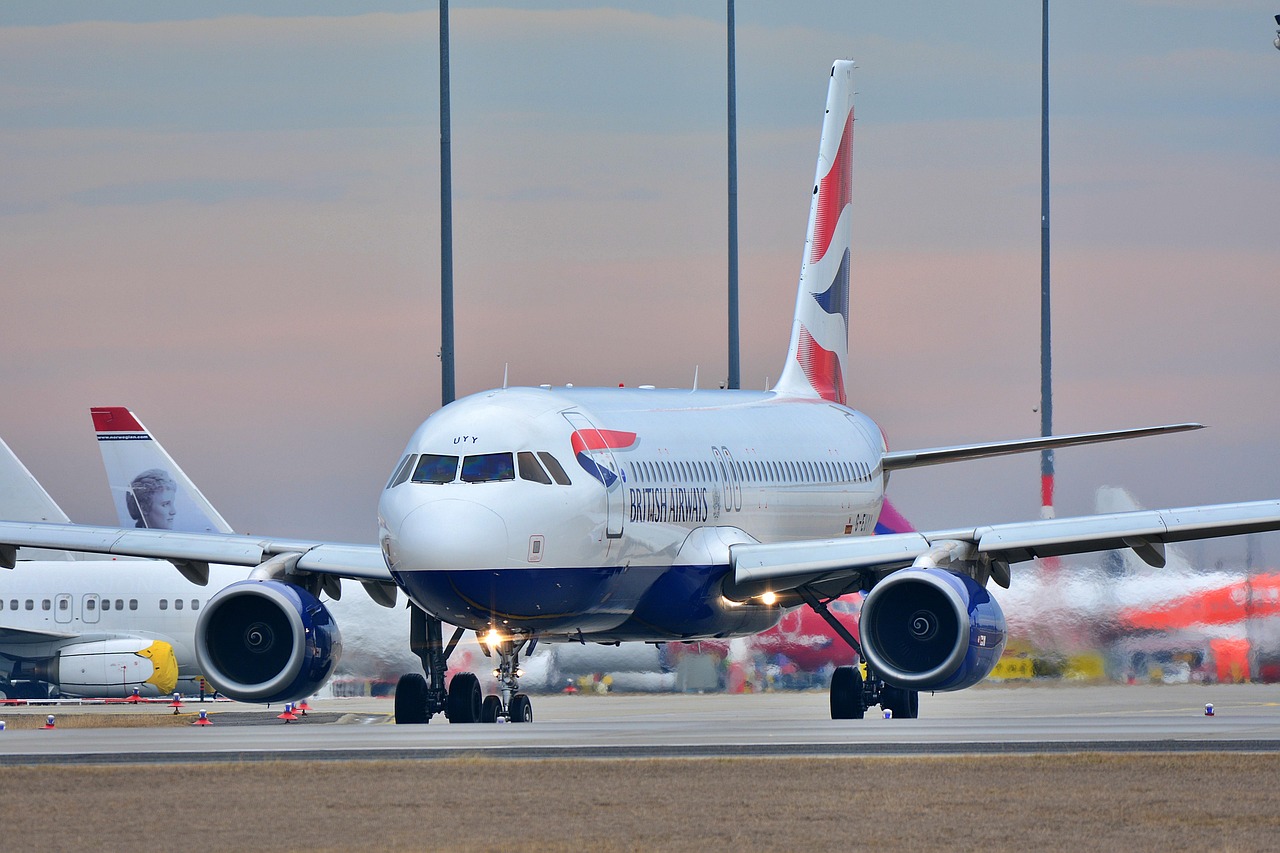
1. How the Alaska Hawaiian Airlines Merger 2026 Is Redrawing Pacific Route Maps
The most visible impact of the Alaska Hawaiian Airlines merger 2026 is the explosion of new route options across the Pacific. Alaska Airlines has leveraged Hawaiian’s established presence in Honolulu, Maui, and Kona to build connecting services that reach deep into the Asia-Pacific region. Passengers now have single-ticket itineraries from cities like Seattle, Portland, and San Francisco all the way to Tokyo, Seoul, and Sydney with Hawaiian metal handling the transpacific segments.
Before the merger, Hawaiian Airlines operated a respected but limited long-haul network. Its Airbus A330 fleet connected Hawaii to key Asian and Australasian cities, but feed traffic from the U.S. mainland was inconsistent. Alaska’s West Coast dominance now solves that problem entirely.
The combined carrier has announced seven new city pairs for the second half of 2026, most of them connecting secondary West Coast cities to Hawaii and onward to international destinations. This is a direct challenge to United Airlines, which has long dominated Pacific flying from its San Francisco hub. The Alaska Hawaiian Airlines merger 2026 is making Hawaii a genuine competing gateway to Asia.
2. Fleet Integration: Mixing Boeings and Airbuses Under One Roof
Fleet strategy is where the Alaska Hawaiian Airlines merger 2026 gets technically interesting. Alaska Airlines has historically been an all-Boeing operator, running 737 variants with proud loyalty to the type. Hawaiian Airlines, meanwhile, flew a mixed fleet of Airbus A321neos and A330s.
The merged entity now operates both Boeing and Airbus aircraft, a significant operational complexity. Alaska leadership has indicated that Hawaiian’s A330 widebody fleet will remain in service for transpacific routes, while the A321neo fleet handles high-density mainland-to-Hawaii services. Meanwhile, Alaska’s 737 MAX fleet continues to serve the West Coast and shorter domestic routes.
This dual-manufacturer strategy has implications for pilot training, maintenance infrastructure, and parts inventory. It’s a departure from Alaska’s traditional philosophy but one that makes economic sense given the widebody aircraft orders reshaping the industry. The airline has not ruled out eventually standardizing on one manufacturer, but that decision is likely years away.
3. Mileage Plan Meets HawaiianMiles: Loyalty Program Overhaul
If you are a points enthusiast, the Alaska Hawaiian Airlines merger 2026 has forced one of the biggest loyalty program integrations in years. Alaska’s Mileage Plan, widely considered one of the best programs in North America, is absorbing HawaiianMiles into a single unified structure.
The transition has not been entirely smooth. HawaiianMiles members initially worried about devaluation of their existing points balances, and some award chart changes in early 2026 drew criticism. However, Alaska has largely preserved the earning rates and partner airline redemption options that made Mileage Plan so popular.
The biggest win for members is expanded redemption options. Mileage Plan members can now book award seats on Hawaiian’s A330 routes to Asia and Oceania, opening up premium cabin redemptions that were previously unavailable. The Alaska Hawaiian Airlines merger 2026 has effectively turned Mileage Plan into a program with genuine global reach.
4. Pilot Seniority Lists: The Human Side of the Merger
Every airline merger creates anxiety in the cockpit, and the Alaska Hawaiian Airlines merger 2026 is no exception. Combining two pilot seniority lists is one of the most contentious processes in aviation labor relations. It determines who flies what aircraft, who holds captain seats, and who gets priority on base assignments.
ALPA, which represents pilots at both carriers, has been mediating the seniority integration process throughout 2026. The standard approach involves a blend of relative seniority and career expectations, but the details are still being finalized. Hawaiian pilots, many of whom hold widebody type ratings, want assurance they will retain access to A330 flying.
For Alaska pilots, the merger opens new opportunities on widebody equipment and international routes that did not exist before. Given the ongoing airline pilot shortage, the combined carrier is in a strong position to offer career progression. The Alaska Hawaiian Airlines merger 2026 is creating more captain seats, not fewer, which is a rare positive outcome in consolidation scenarios.
5. Airport Operations and Hub Strategy After the Alaska Hawaiian Airlines Merger 2026
Hub strategy is being rewritten. The Alaska Hawaiian Airlines merger 2026 has effectively created a three-hub system: Seattle-Tacoma, Honolulu, and a growing focus on Los Angeles. Each hub serves a distinct purpose in the network.
Seattle remains the primary connecting hub for domestic traffic and Alaska’s traditional strength markets across the Pacific Northwest and into Canada. Honolulu becomes the Pacific gateway, handling all transpacific long-haul flights and connecting traffic from the mainland. Los Angeles, where both airlines had significant pre-merger presence, is being built up as a secondary connecting point for Southern California demand.
Gate and terminal logistics at Honolulu International Airport have required significant coordination. The airport authority has worked with the merged airline to co-locate operations, reducing connection times for passengers transferring between Alaska 737 flights and Hawaiian A330 services. Early data suggests connection times have dropped by an average of 25 minutes since integration began.
6. Competitive Pressure on United, Delta, and Southwest
The Alaska Hawaiian Airlines merger 2026 is sending shockwaves through competing carriers. United Airlines, the dominant player on Pacific routes from the mainland, now faces a well-funded rival with a genuine hub in Honolulu. Delta Air Lines, which had a longstanding partnership with Hawaiian before the merger, lost a key Pacific partner.
Southwest Airlines, which entered the Hawaii market with much fanfare in 2019, is feeling competitive pressure on mainland-to-Hawaii routes. The combined Alaska-Hawaiian entity can offer connecting itineraries beyond Hawaii that Southwest simply cannot match. Southwest has responded with fare reductions on its busiest Hawaii routes, but the long-term strategic disadvantage is clear.
According to data from the Bureau of Transportation Statistics, the merged carrier now controls approximately 35% of all seat capacity between the U.S. mainland and Hawaii. That market share gives the Alaska Hawaiian Airlines merger 2026 significant pricing power. It’s a competitive dynamic that regulators will continue to watch closely.
7. Passenger Experience: What Flyers Can Expect in 2026
On the passenger side, the Alaska Hawaiian Airlines merger 2026 is bringing notable changes to the in-flight experience. Hawaiian Airlines was always known for its warm, island-inspired cabin service, and Alaska has wisely chosen to preserve that identity on Hawaii routes.
Passengers flying on Hawaiian-branded aircraft still receive the signature orchid lei greeting on select flights to Hawaii. The food and beverage service on transpacific routes retains Hawaiian’s distinctive island menu. Alaska has invested in refreshing the interiors of Hawaiian’s A330 fleet, adding new seat cushions, updated IFE screens, and improved Wi-Fi connectivity.
For domestic segments on Alaska’s 737 fleet, the experience remains consistent with what passengers have come to expect: reliable service, free in-flight entertainment, and a solid buy-on-board food program. The Alaska Hawaiian Airlines merger 2026 has not resulted in a race to the bottom on passenger experience. If anything, the combined product is stronger than what either airline offered independently.
8. Cargo and Freight: An Overlooked Benefit of the Merger
One aspect of the Alaska Hawaiian Airlines merger 2026 that gets less attention is cargo. Hawaiian Airlines operated dedicated freighter aircraft serving the islands, carrying everything from fresh produce to automotive parts. This cargo operation is essential for Hawaii’s economy.
Alaska Airlines has expanded the cargo program by adding belly freight capacity on its 737 flights from the mainland. The combined cargo network now offers shippers a single point of contact for goods moving between the continental U.S., Hawaii, and transpacific destinations. This is particularly valuable for perishable goods like seafood moving from Alaska and flowers moving from Hawaii.
The cargo synergy is expected to generate over $200 million in annual revenue for the merged carrier. It’s a quiet but significant contributor to the financial case for the Alaska Hawaiian Airlines merger 2026. Freight revenue helps offset the cost of maintaining routes that might otherwise be marginally profitable on passenger revenue alone.
9. Future Growth: Where the Alaska Hawaiian Airlines Merger 2026 Goes Next
Looking ahead, the Alaska Hawaiian Airlines merger 2026 positions the combined carrier for ambitious growth. Management has signaled interest in adding new destinations in Southeast Asia, including Vietnam and Thailand, using Hawaiian’s widebody fleet. These routes would connect through Honolulu with feed traffic from Alaska’s domestic network.
There is also talk of further fleet expansion. The airline hiring and pilot demand trends suggest the industry needs more crews, and the merged airline is actively recruiting. New aircraft orders, potentially including Boeing 787 Dreamliners, could arrive by 2028 or 2029 to supplement the aging A330 fleet.
The Alaska Hawaiian Airlines merger 2026 also opens possibilities for new alliance partnerships. Alaska is already a member of the oneworld alliance, and Hawaiian’s Pacific routes add value to that partnership. Qantas, Japan Airlines, and Cathay Pacific all stand to benefit from improved connectivity through Honolulu. The strategic potential is enormous.
What the Alaska Hawaiian Airlines Merger 2026 Means for the Broader Industry
Zooming out, the Alaska Hawaiian Airlines merger 2026 represents a broader trend in aviation: mid-size carriers combining to compete against mega-carriers. The U.S. airline industry has consolidated dramatically over the past two decades, and this merger continues that trajectory.
For pilots, the merger means more routes, more aircraft types, and more career options. For passengers, it means better connectivity across the Pacific and potentially more competitive fares as the combined carrier challenges United and Delta. For the industry as a whole, it is a case study in how two culturally distinct airlines can integrate without destroying what made each one special.
The Alaska Hawaiian Airlines merger 2026 is still in its early chapters. Full integration typically takes three to five years, and there will be turbulence along the way. But the early signs are encouraging. The network makes geographic sense, the fleet strategy is pragmatic, and the leadership team has shown willingness to preserve the best elements of both airlines.
Final Thoughts
The Alaska Hawaiian Airlines merger 2026 is not just another corporate consolidation. It is a strategic realignment of Pacific aviation that will influence route planning, fleet procurement, and competitive dynamics for years to come. Whether you are a pilot evaluating career moves, a frequent flyer planning your next award trip, or an aviation enthusiast watching industry trends, this merger demands your attention.
Nine changes are already reshaping the landscape, and more are coming. The merged airline has the network, the fleet, and the momentum to become a genuine Pacific powerhouse. Keep watching this space. The Alaska Hawaiian Airlines merger 2026 story is far from over.
About the Author: Capt. James Harlow is an A320 Captain holding a GCAA license with over a decade of flying in the Gulf region. He writes about aviation news, pilot careers, cockpit operations, and airline life.
