


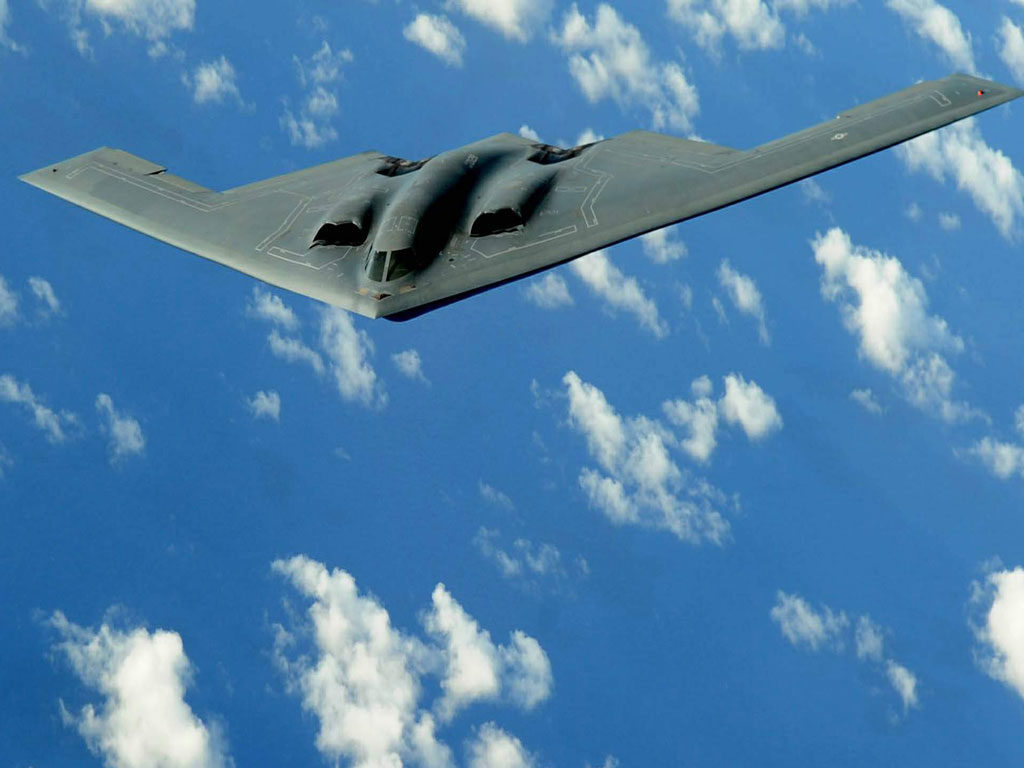
The Northrop Grumman B-2 Spirit is one of the most recognisable military aircraft ever built. The shape gives it away instantly, even to people who follow nothing about military aviation.
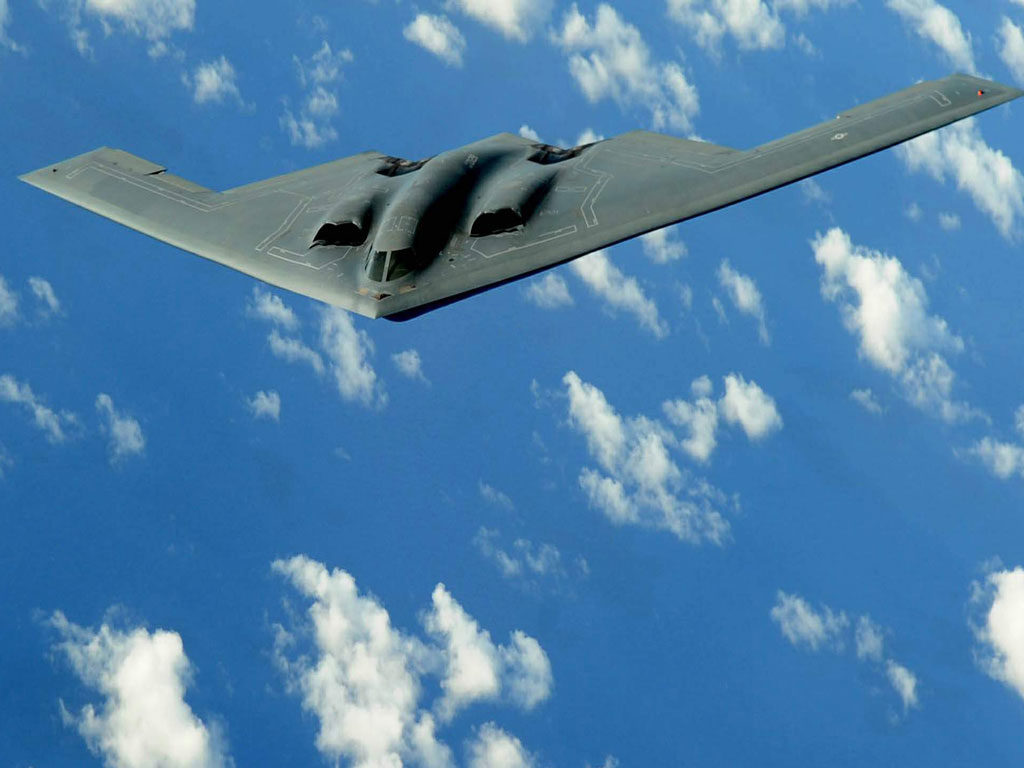
That shape is not styling. The B-2 was built to get through air defences that would see anything else coming, and almost every visible feature serves that one goal. Only 21 were ever completed, which makes it one of the rarest combat aircraft in service anywhere.
Each B-2 has its own personality
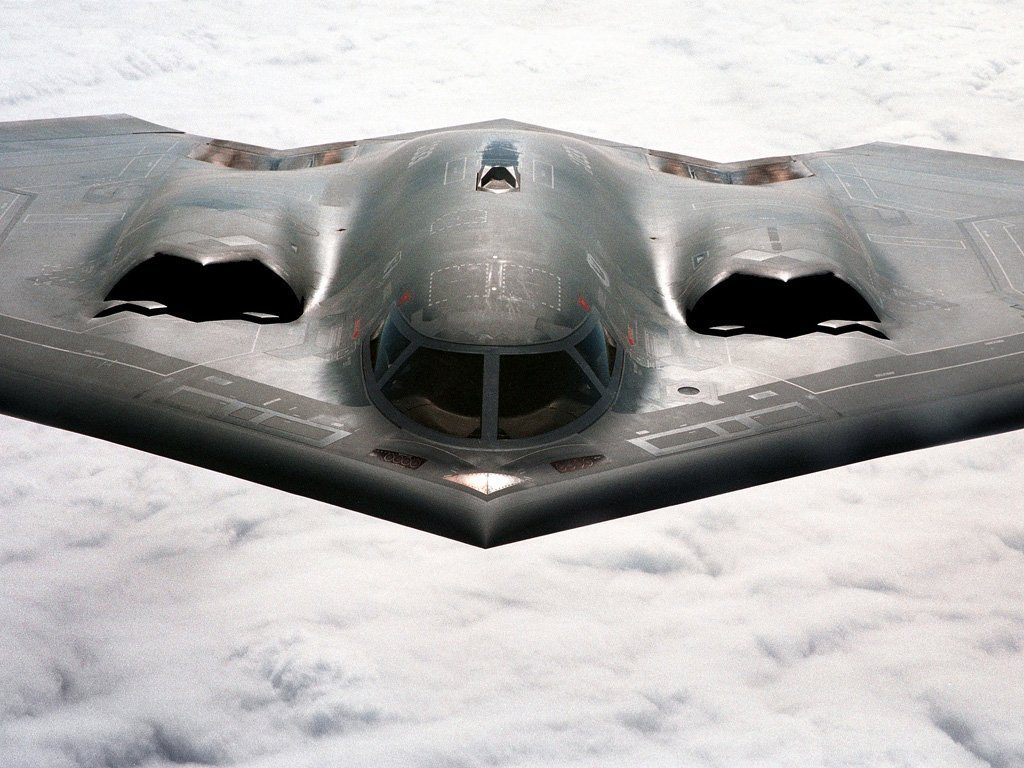
With only 21 airframes built, the pilots and maintenance personnel who work on them know each one individually. Crews talk about aircraft having their own quirks, from how they handle to which systems need the most attention. When a fleet is this small, that kind of familiarity is normal.
The real range, and why refuelling matters so much
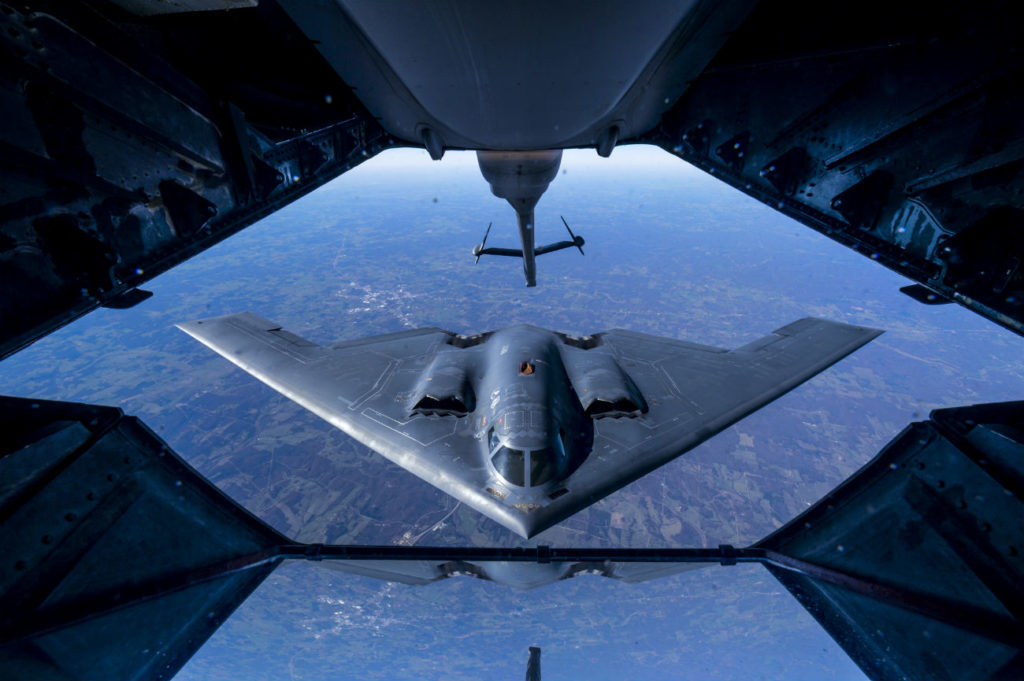
Bombers are designed around range, and the B-2 does well on that score. Unrefuelled it can fly more than 6,900 miles, roughly 11,000 kilometres. With a single aerial refuelling that stretches past 12,000 miles.
Those numbers are what make the aircraft strategically useful. A B-2 can launch from Missouri, strike a target on the other side of the world and come home, without needing a friendly airbase anywhere near the target. Missions lasting more than 30 hours have been flown that way.
The anti radar skin is a mix of materials
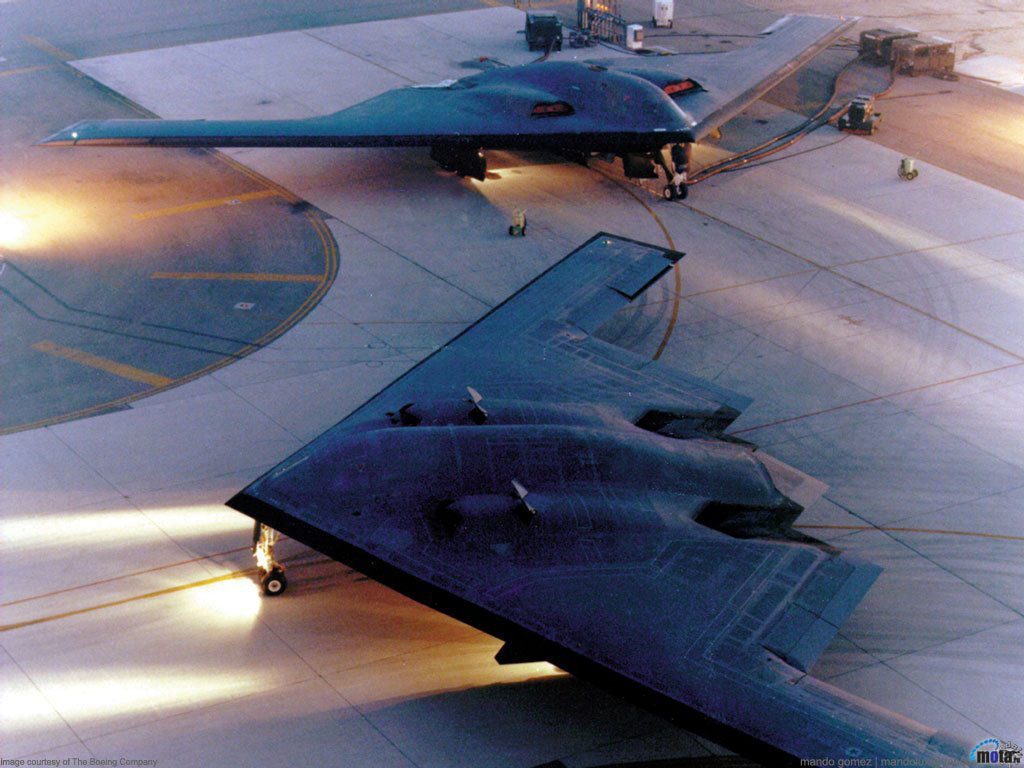
The low radar signature comes from two things working together: the shape, and what the aircraft is coated in. The skin combines composite panels with radar absorbent coatings, and the joins and gaps are filled so the surface stays smooth to incoming radar energy.
The exact chemistry stays classified. What is public is that maintaining that surface is painstaking work, and it is a large part of why the B-2 costs so much to keep flying.
One was lost in 2008
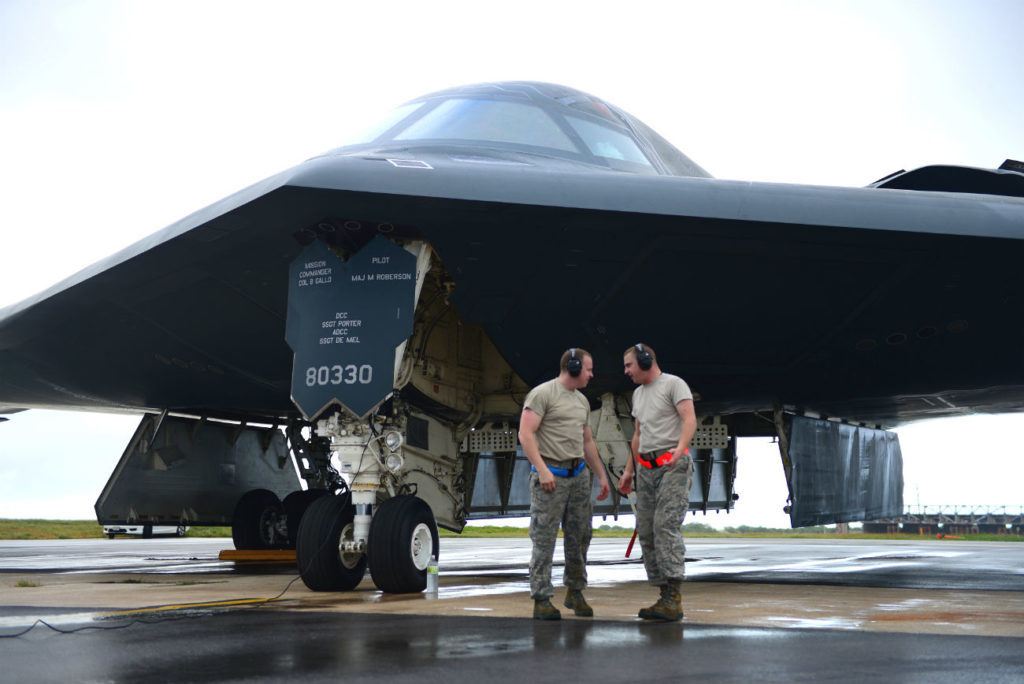
In February 2008, the Spirit of Kansas crashed on takeoff from Andersen Air Force Base in Guam. Both crew members ejected and survived. The aircraft was destroyed.
The investigation traced it to moisture in the air data sensors, which fed bad information to the flight control system during the takeoff roll. With 21 aircraft built and one lost, that single accident removed close to five percent of the fleet.
It is built to fool the eye as well as the radar
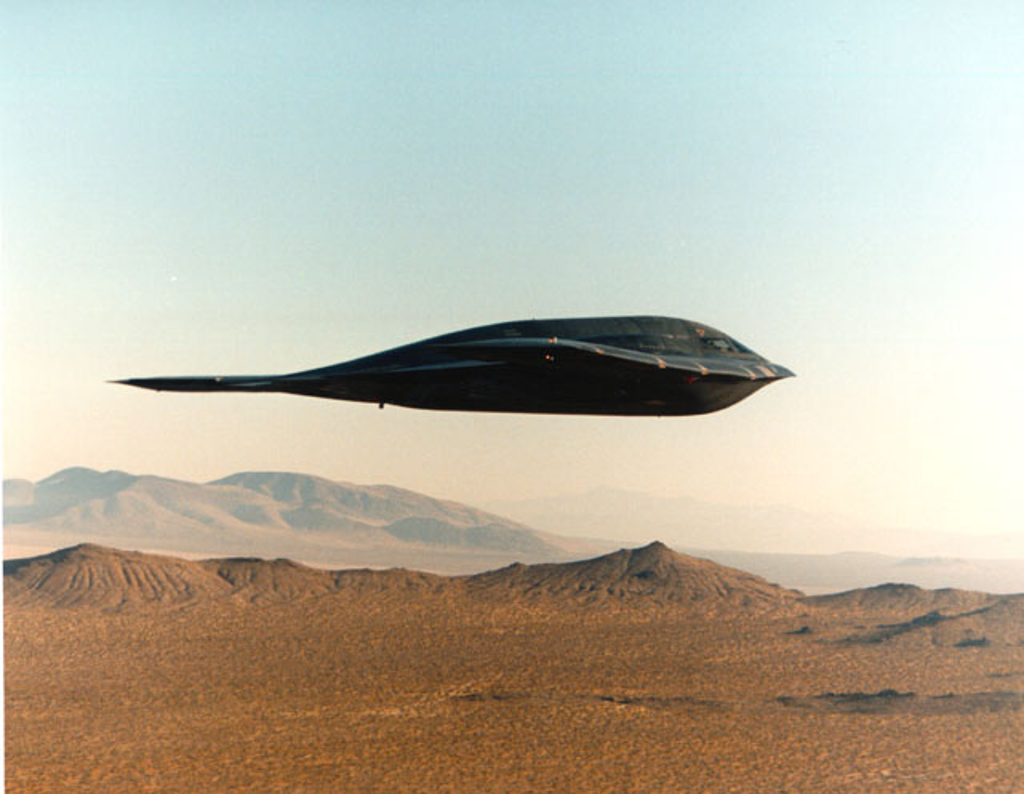
The flying wing layout was chosen to defeat radar, but it plays tricks on people watching from the ground too. Seen edge on, a B-2 can look like a thin dark line with no obvious aircraft attached to it. Shift the angle slightly and the same aircraft reads as a broad, bulbous shape.
Anyone who has watched one pass overhead at an airshow tends to describe the same thing: it is genuinely hard to work out what you are looking at.
The ghost story crews tell
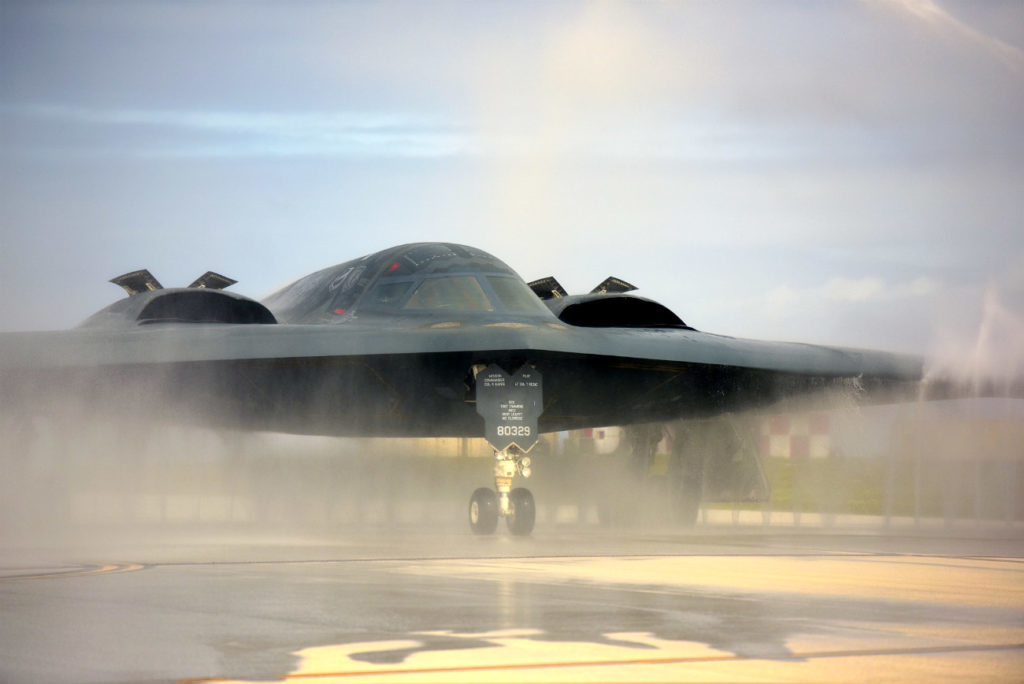
Every fleet collects its folklore and the B-2 is no exception. The story passed around maintenance crews is that one aircraft, the Spirit of Kitty Hawk, started its engines with nobody at the controls, and picked up the nickname Christine after the possessed car in the Stephen King novel.
Treat that one as hangar talk rather than documented fact. It has never been officially confirmed, which is exactly why it keeps getting retold.
Why the B-2 still matters
Nearly three decades after entering service, there is still no large fleet of aircraft that does what the B-2 does. Its replacement, the B-21 Raider, borrows the same flying wing thinking for the same reason. The shape works.
If you want more on how stealth is actually achieved rather than how it looks, we covered the techniques that let aircraft evade radar.
