


The Ryanair Boeing 737 MAX 10 order 2026 stands as one of the most significant fleet deals in European aviation history. This agreement between Europe’s largest low-cost carrier and Boeing will transform how budget airlines operate across the continent. The ripple effects of this massive commitment are already being felt by competitors, airports, and passengers alike.
Ryanair has long built its empire on the Boeing 737 family, and this latest order cements that partnership for another generation. The airline’s decision to go all-in on the MAX 10 variant sends a clear signal about where low-cost aviation is heading. Let’s break down the nine most important details behind this landmark deal.
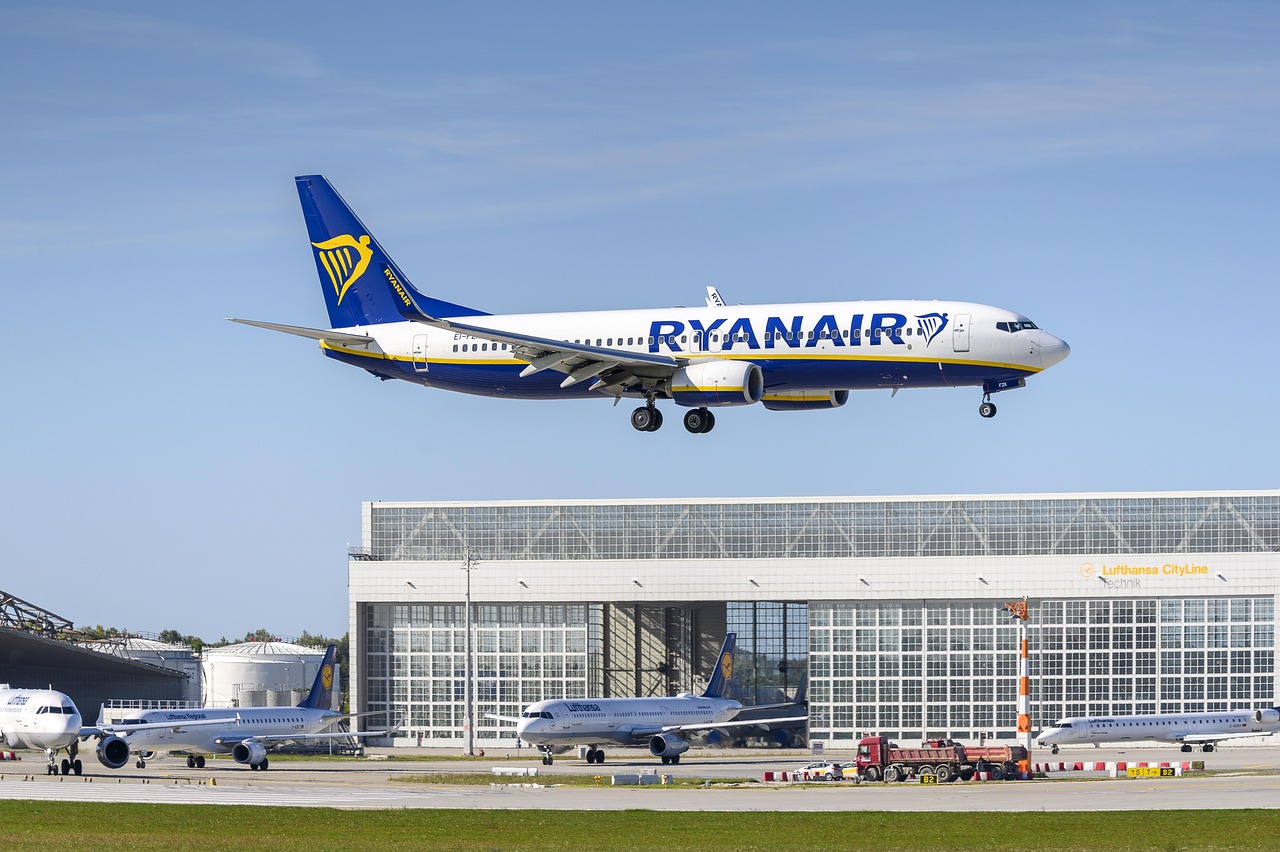
1. The Ryanair Boeing 737 MAX 10 Order 2026 by the Numbers
The scale of this deal is staggering by any measure. Ryanair has committed to receiving up to 300 Boeing 737 MAX 10 aircraft, with firm orders covering 150 frames and options for another 150. Deliveries are expected to ramp up through 2028 and extend well into the early 2030s.
The total value of the Ryanair Boeing 737 MAX 10 order 2026 is estimated at over $40 billion at list prices. Of course, Ryanair is famous for negotiating steep discounts, and industry analysts believe the actual price paid could be 50 to 60 percent lower. Even at discounted rates, this represents a multi-billion-dollar investment in future capacity.
CEO Michael O’Leary has repeatedly stated that the MAX 10 offers the best unit economics of any single-aisle aircraft available today. Each aircraft seats up to 228 passengers in Ryanair’s high-density configuration. That is roughly 31 more seats than the airline’s current 737-800 workhorse fleet.
2. Why the MAX 10 Over Other Variants
A natural question surrounding the Ryanair Boeing 737 MAX 10 order 2026 is why the airline chose the largest MAX variant over the smaller MAX 8 or the mid-range MAX 9. The answer comes down to simple math and Ryanair’s operating philosophy.
The MAX 10 offers the lowest cost per seat of any aircraft in the 737 MAX family. For an airline that obsesses over keeping fares rock-bottom, squeezing more passengers onto each frame directly translates to cheaper tickets. It also means fewer flights are needed to move the same number of people, reducing crew costs and slot pressure at congested airports.
Ryanair also considered the Airbus A321neo, which competes directly with the MAX 10 in terms of capacity. However, switching to Airbus would have required a complete overhaul of Ryanair’s pilot training programs, maintenance infrastructure, and spare parts logistics. Sticking with Boeing preserves the airline’s single-type fleet advantage, which is one of the key reasons Ryanair operates with industry-leading efficiency.
For context on how other Boeing variants fit into the broader picture, you can read about the Boeing 737 MAX 7 certification timeline and what it means for airlines waiting on that smaller model.
3. How the Ryanair Boeing 737 MAX 10 Order 2026 Reshapes European Competition
The competitive implications of this deal cannot be overstated. With 300 additional aircraft on the way, Ryanair is positioning itself to carry over 300 million passengers annually by the early 2030s. That would make it not just Europe’s largest airline, but one of the largest in the world by passenger numbers.
Competitors like Wizz Air and easyJet will face intensified pressure on routes across Europe. Ryanair’s ability to deploy larger aircraft at lower per-seat costs means it can undercut rivals on price while still maintaining profitability. This is the classic Ryanair playbook, but the Ryanair Boeing 737 MAX 10 order 2026 amplifies it to an entirely new level.
Legacy carriers such as Lufthansa, Air France-KLM, and IAG are also watching closely. Short-haul operations within Europe are increasingly dominated by low-cost carriers, and Ryanair’s fleet expansion will only accelerate that trend. The days of legacy airlines profiting handsomely on intra-European routes are numbered.
4. Delivery Timeline and Boeing’s Production Challenges
One of the biggest question marks hanging over the Ryanair Boeing 737 MAX 10 order 2026 is whether Boeing can actually deliver on schedule. Boeing has faced well-documented production difficulties over the past several years, including quality control issues that slowed 737 MAX output significantly.
As of mid-2026, Boeing is producing roughly 38 737 MAX aircraft per month, which is still below the target rate of 56 per month. The company has publicly committed to reaching that higher rate by late 2027, but skepticism remains across the industry. Ryanair itself has expressed frustration with Boeing’s delivery pace in past earnings calls.
O’Leary has been characteristically blunt about this challenge. He has warned that any significant delivery delays could force Ryanair to scale back growth plans and potentially reduce its passenger targets. Boeing understands that the Ryanair relationship is one of its most important, and sources suggest the Irish carrier has secured priority delivery slots as part of the deal.
For a broader look at how large orders are shaping the global fleet, check out our coverage of the biggest aircraft orders reshaping aviation.
5. Fuel Efficiency and Environmental Impact
The environmental angle of the Ryanair Boeing 737 MAX 10 order 2026 is significant and deserves serious attention. The MAX 10 burns approximately 20 percent less fuel per seat than the 737-800 it replaces. Over Ryanair’s massive network, that translates to millions of tons of CO2 saved annually once the fleet transition is complete.
Ryanair has set a target of reducing its CO2 emissions per passenger by 50 percent by 2030 compared to 2005 levels. The MAX 10’s CFM LEAP-1B engines are central to achieving that goal. These engines also produce significantly less noise, which matters as European airports tighten noise restrictions.
The airline is also exploring the use of sustainable aviation fuel (SAF) across its fleet. While SAF availability remains limited and expensive in 2026, Ryanair has signed multiple offtake agreements with European SAF producers. The efficiency gains from the MAX 10 combined with even modest SAF blending could make Ryanair one of the greenest airlines in Europe on a per-passenger basis.
6. Impact on Ryanair’s Route Network and Base Strategy
With the Ryanair Boeing 737 MAX 10 order 2026 adding significant seat capacity, the airline is planning aggressive network expansion. New bases are expected to open across Southern and Eastern Europe, where air travel demand continues to grow rapidly. Countries like Poland, Romania, and Portugal are high on Ryanair’s expansion list.
The larger MAX 10 also opens up routes that were previously marginal for the 737-800. With 228 seats instead of 197, certain thinner routes become economically viable because the break-even load factor drops. This means passengers in smaller cities could see new Ryanair service that would not have made financial sense with the older fleet.
Airport deals are another piece of the puzzle. Ryanair is known for negotiating favorable terms with airports desperate for traffic. The promise of bringing the MAX 10 and its higher passenger volumes gives Ryanair even more leverage in these negotiations. Airports across Europe are already competing to attract new Ryanair bases.
7. Pilot Hiring and Training Requirements Behind the Ryanair Boeing 737 MAX 10 Order 2026
A fleet expansion of this magnitude requires a corresponding increase in flight crew. The Ryanair Boeing 737 MAX 10 order 2026 will likely require the airline to recruit and train thousands of additional pilots over the next five to seven years. Industry estimates suggest Ryanair will need at least 4,000 to 5,000 new pilots to staff the expanded fleet.
The good news for existing Ryanair pilots is that the transition from the 737-800 or MAX 8-200 to the MAX 10 is relatively straightforward. A differences training course, rather than a full type rating, is expected to be sufficient for pilots already qualified on the 737 NG or MAX family. This keeps training costs low and allows rapid fleet integration.
Ryanair’s cadet pipeline programs are already scaling up to meet future demand. The airline has partnerships with multiple flight training organizations across Europe, and these programs are expected to expand further. For pilots looking at career opportunities, Ryanair’s growth trajectory makes it one of the most active employers in European aviation.
8. Financial Strategy and Investor Confidence
From a financial perspective, the Ryanair Boeing 737 MAX 10 order 2026 reflects the airline’s strong balance sheet and confidence in future demand. Ryanair reported record annual profits in its most recent fiscal year, giving it the financial muscle to commit to such a large order. The airline’s cash reserves exceed $4 billion, providing a comfortable buffer.
Investors have reacted positively to the deal. Ryanair’s share price has held steady since the announcement, with most analysts maintaining buy or overweight ratings. The consensus view is that the MAX 10 will further improve Ryanair’s cost advantage over competitors, driving market share gains and sustained profitability.
The financing structure of the deal also matters. Ryanair typically uses a mix of direct purchases and sale-leaseback arrangements to fund fleet acquisitions. The strong demand for 737 MAX aircraft in the secondary market means Ryanair can secure attractive leaseback terms, effectively reducing its capital outlay.
The broader trend of budget carrier dominance is reshaping the entire aviation landscape. We saw a stark example when Spirit Airlines shutdown reshaped US budget air travel, highlighting how only the most efficient operators survive.
9. What the Ryanair Boeing 737 MAX 10 Order 2026 Means for Passengers
Passengers ultimately care about one thing: what this deal means for them. The short answer is lower fares and more options. With the MAX 10 adding seats and reducing operating costs, Ryanair will have room to cut prices even further on competitive routes.
The passenger experience on the MAX 10 will also see modest improvements. The aircraft features larger overhead bins, improved LED lighting, and slightly better air quality systems compared to the 737-800. While Ryanair is unlikely to suddenly introduce generous legroom or free meals, the basic flying experience should improve incrementally.
Reliability is another factor. Newer aircraft break down less frequently, which means fewer delays and cancellations. As Ryanair phases out its older 737-800 fleet in favor of the MAX 10, passengers should notice improved on-time performance across the network.
Long-Term Industry Implications of the Ryanair Boeing 737 MAX 10 Order 2026
Looking beyond the immediate impact, the Ryanair Boeing 737 MAX 10 order 2026 has implications that stretch across the entire aviation industry. It validates Boeing’s strategy of stretching the 737 MAX family to compete with the Airbus A321neo. It also demonstrates that the low-cost carrier model continues to dominate short-haul travel in Europe.
Other airlines are likely to follow with similar orders. Turkish low-cost subsidiary AnadoluJet, Scandinavian budget carriers, and even some Middle Eastern operators are reportedly evaluating the MAX 10 for their own fleets. The Ryanair deal could trigger a wave of orders that keeps Boeing’s 737 production lines busy for years.
The airport infrastructure across Europe will also need to adapt. More MAX 10 operations mean higher passenger throughput at gates, which requires upgrades to terminal facilities, ground handling capacity, and immigration processing at many airports. Cities that fail to invest in airport infrastructure risk being left behind as Ryanair deploys its new fleet to more welcoming destinations.
How This Affects Boeing’s Recovery and Future
For Boeing, the Ryanair Boeing 737 MAX 10 order 2026 is a massive vote of confidence during a period when the manufacturer desperately needs positive headlines. The MAX program has been through enormous challenges, and securing such a large commitment from one of the world’s most demanding airline customers sends a powerful message to the market.
Boeing’s relationship with Ryanair dates back decades and is built on mutual benefit. Ryanair gets the best pricing and delivery slots, while Boeing gets a showcase customer that proves the 737 MAX can deliver exceptional economics. This symbiotic relationship will only deepen with the latest order.
The deal also helps Boeing compete against Airbus, which has been winning a larger share of the narrowbody market in recent years. According to Aviation Week, Airbus held a significant lead in single-aisle orders heading into 2026, but the Ryanair commitment narrows that gap considerably. Boeing needs more deals like this one to maintain its position as a viable competitor in the most important aircraft segment.
The Ryanair Boeing 737 MAX 10 Order 2026 in Historical Context
When we place the Ryanair Boeing 737 MAX 10 order 2026 in the context of aviation history, its significance becomes even clearer. This is one of the largest narrowbody orders ever placed by a European airline. It surpasses previous Ryanair fleet commitments and signals the start of a new chapter for the carrier.
Ryanair has transformed European air travel over the past three decades, making flying affordable for millions who previously could not afford it. The MAX 10 order ensures that mission continues and accelerates. By the early 2030s, Ryanair could be connecting virtually every city pair in Europe with affordable, direct service.
The Ryanair Boeing 737 MAX 10 order 2026 is not just an aircraft purchase. It is a strategic declaration that Ryanair intends to dominate European aviation for another generation. Competitors, airports, regulators, and passengers will all feel the effects of this decision for years to come.
Whether you are a pilot considering your next career move, an aviation enthusiast tracking fleet developments, or a traveler hoping for cheaper fares, this deal matters. The Ryanair Boeing 737 MAX 10 order 2026 will reshape European skies, and we will be watching every step of the way.
About the Author: Capt. James Harlow is an A320 Captain holding a GCAA license with over a decade of flying in the Gulf region. He writes about aviation news, pilot careers, cockpit operations, and airline life.
