


There is no legal cabin temperature. The rules that govern the air you breathe on an airliner are strict and specific about fresh air, carbon dioxide and pressure, and they say nothing at all about how warm it should be. That decision belongs to the crew, and the reasons they keep it cool are mostly about your body rather than your comfort.
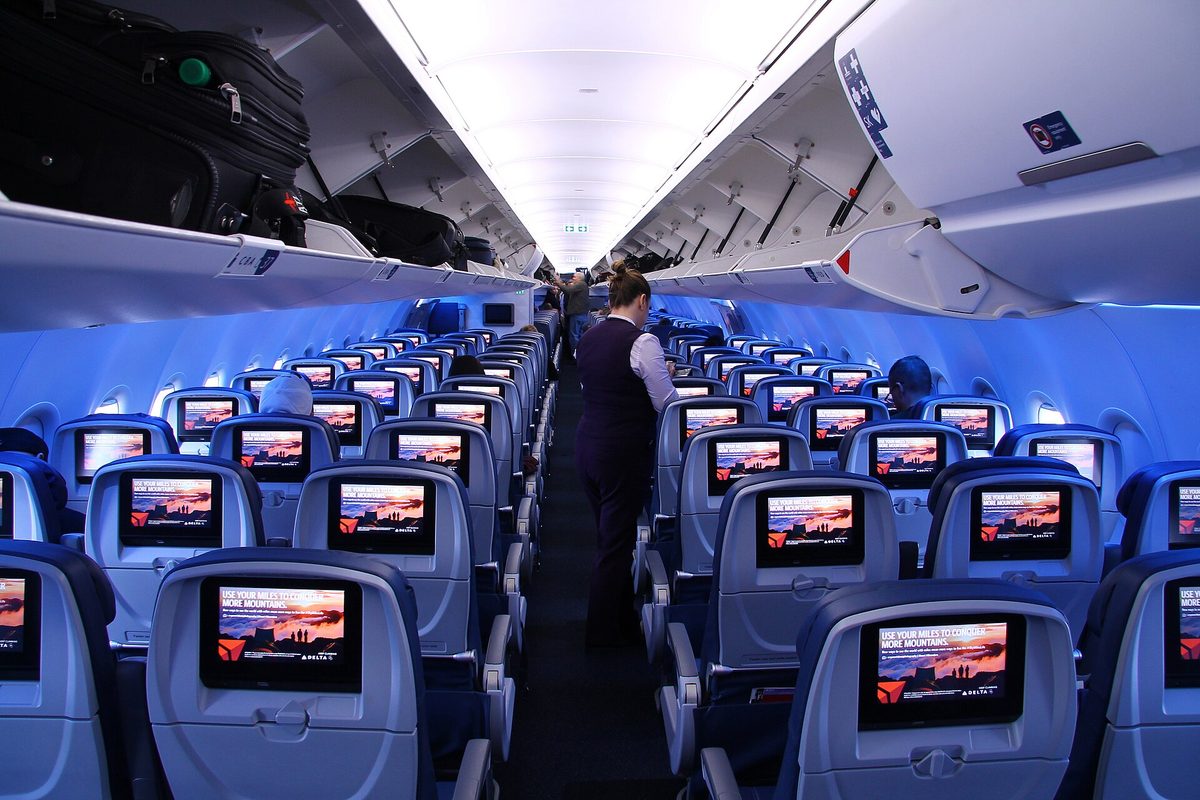
This page separates the parts that are written into law from the parts that are crew judgement, because almost every article on this subject blends the two and states airline practice as though it were regulation.
What the rules actually control
Three numbers govern the air in an airliner cabin, and all three come from 14 CFR Part 25, the airworthiness standard for transport aircraft.
| Requirement | Limit | Rule |
|---|---|---|
| Fresh air per occupant | At least 0.55 pounds per minute | 25.831(a) |
| Carbon dioxide in flight | Must not exceed 0.5 percent by volume, sea level equivalent | 25.831(b)(2) |
| Carbon monoxide | More than 1 part in 20,000 is treated as hazardous | 25.831(b)(1) |
| Cabin pressure altitude | Not more than 8,000 feet in normal operation | 25.841(a) |
Read that list again and notice what is missing. Temperature appears in Part 25 only as a requirement that certain compartments have a means to control it. There is no minimum, no maximum and no target. A cabin at 18 degrees and a cabin at 26 degrees are equally legal.
Where cabin air comes from
On most airliners the air starts inside the engines. Compressed air is tapped off the engine compressor, which is why it arrives extremely hot, and it is then cooled by units called air conditioning packs before it ever reaches you.
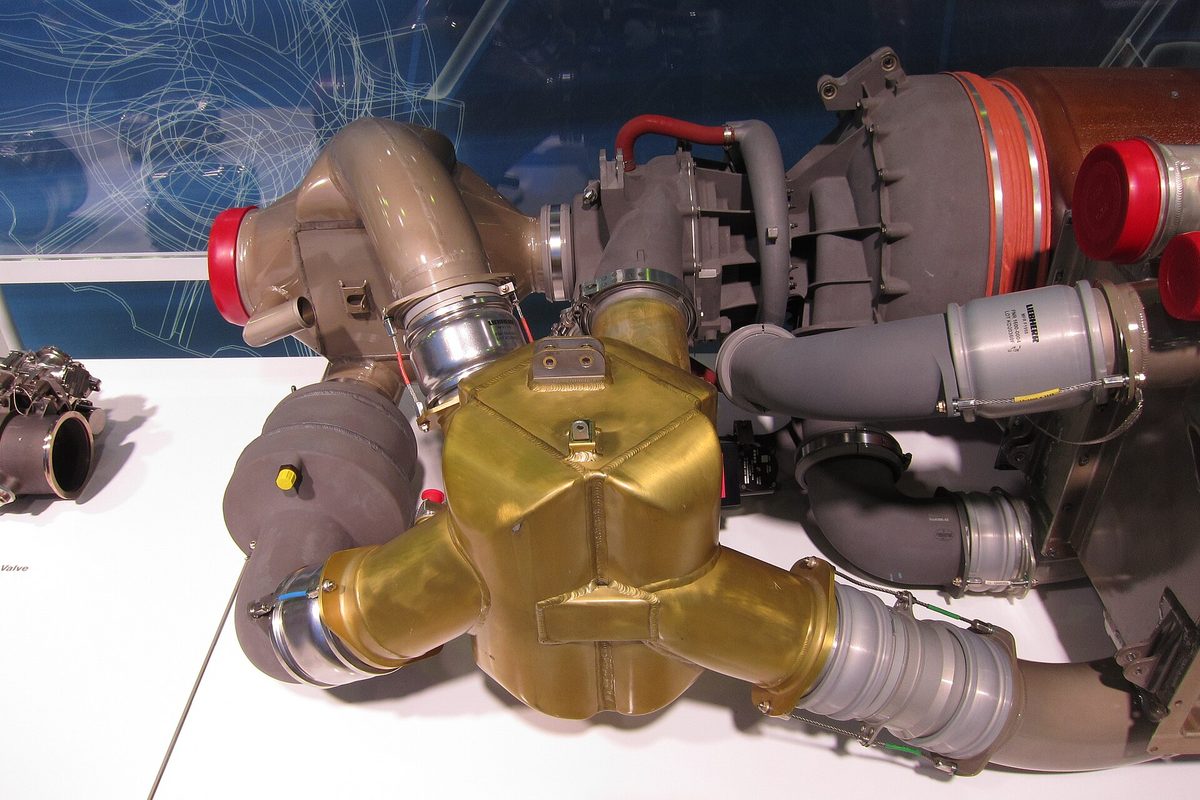
That detour matters for everything else on this page. The cabin is not heated and cooled the way a building is. It is fed a continuous stream of very hot air that has to be chilled hard on the way in, then mixed back up to something survivable. The system is built around moving air through, not around holding a room at a set temperature.
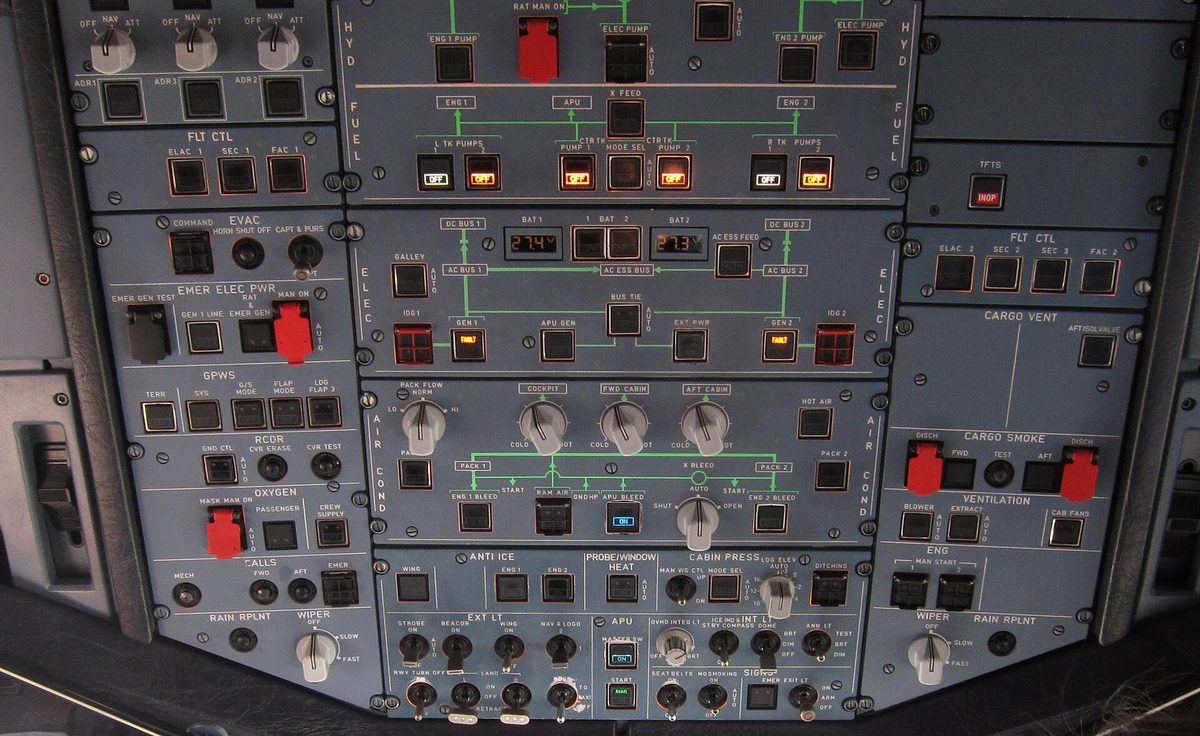
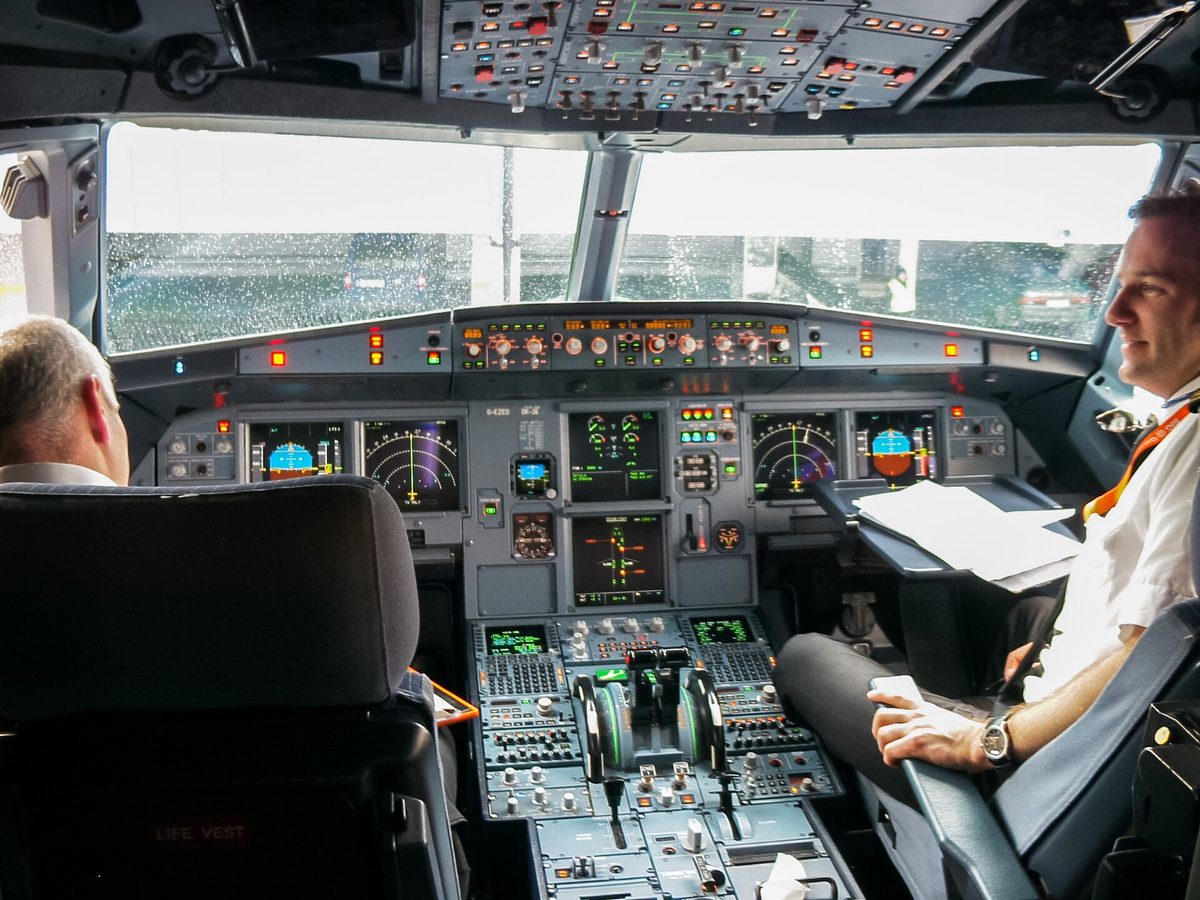
The crew control it from the flight deck, and on a narrowbody the relevant switches sit on the overhead panel rather than on any kind of thermostat you would recognise.
Why the crew choose cold
Given a free choice, cabin crew and pilots tend to run the cabin cooler than most passengers would pick. There are three practical reasons, and none of them is that anybody enjoys it.
A warm cabin makes people faint. You are sitting at a cabin pressure altitude of up to 8,000 feet, which means less oxygen reaching you than at sea level even though the air is perfectly breathable. Heat makes blood vessels dilate and blood pressure drop. Combine the two, add a passenger who has not eaten, has had a drink and stands up quickly, and you have the classic recipe for fainting. A cooler cabin removes one ingredient from that list.
Warm air spreads smells and makes nausea worse. Motion sickness is far more likely in a hot, still cabin than a cool one with air moving, which is why crew reach for the air vents first when somebody feels unwell.
You can add layers but you cannot remove heat. A cold passenger has a blanket, a jumper and a hot drink available. An overheated passenger in a full cabin has nothing. Crew are trained around the failure that is harder to fix.
Why it is boiling before takeoff
This is the complaint that comes up almost as often as the cold, and it is the same system behaving differently.
At the gate the engines are usually shut down, so there is no engine bleed air. The cabin is instead fed either by the auxiliary power unit in the tail or by a ground air cart plugged into the aircraft. Both are working against a metal tube that has been sitting in the sun, filled with people, with the doors opening and closing. On a hot day the system simply cannot keep up.
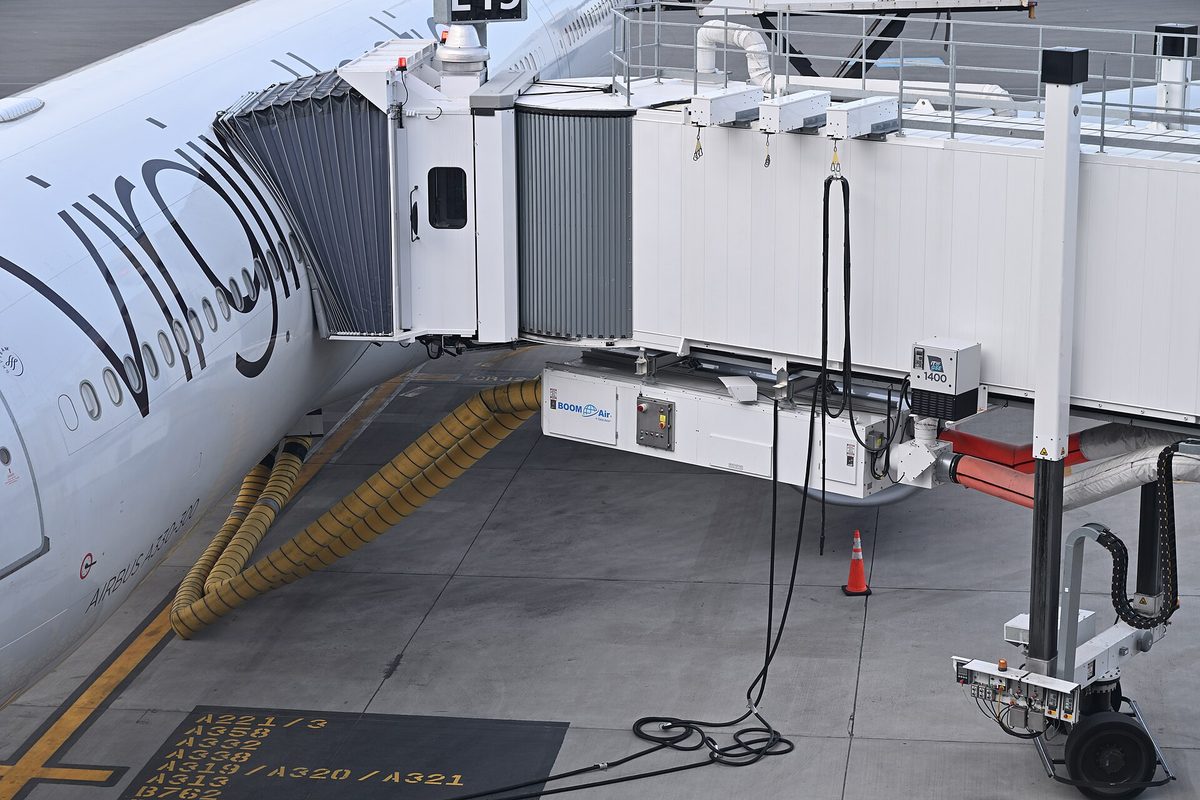
It can get worse during the takeoff roll itself. Air conditioning packs draw air away from the engines, so on a hot day or a short runway a crew may take off with the packs off or at reduced flow to get more thrust. The cabin then goes quiet and warm for a few minutes until they are switched back on in the climb. If you have ever noticed the air stop moving just as the aircraft lines up, that is what you felt.
Why the air is so dry
The cold is only half of the discomfort. The other half is humidity, and the cause is simple geography.
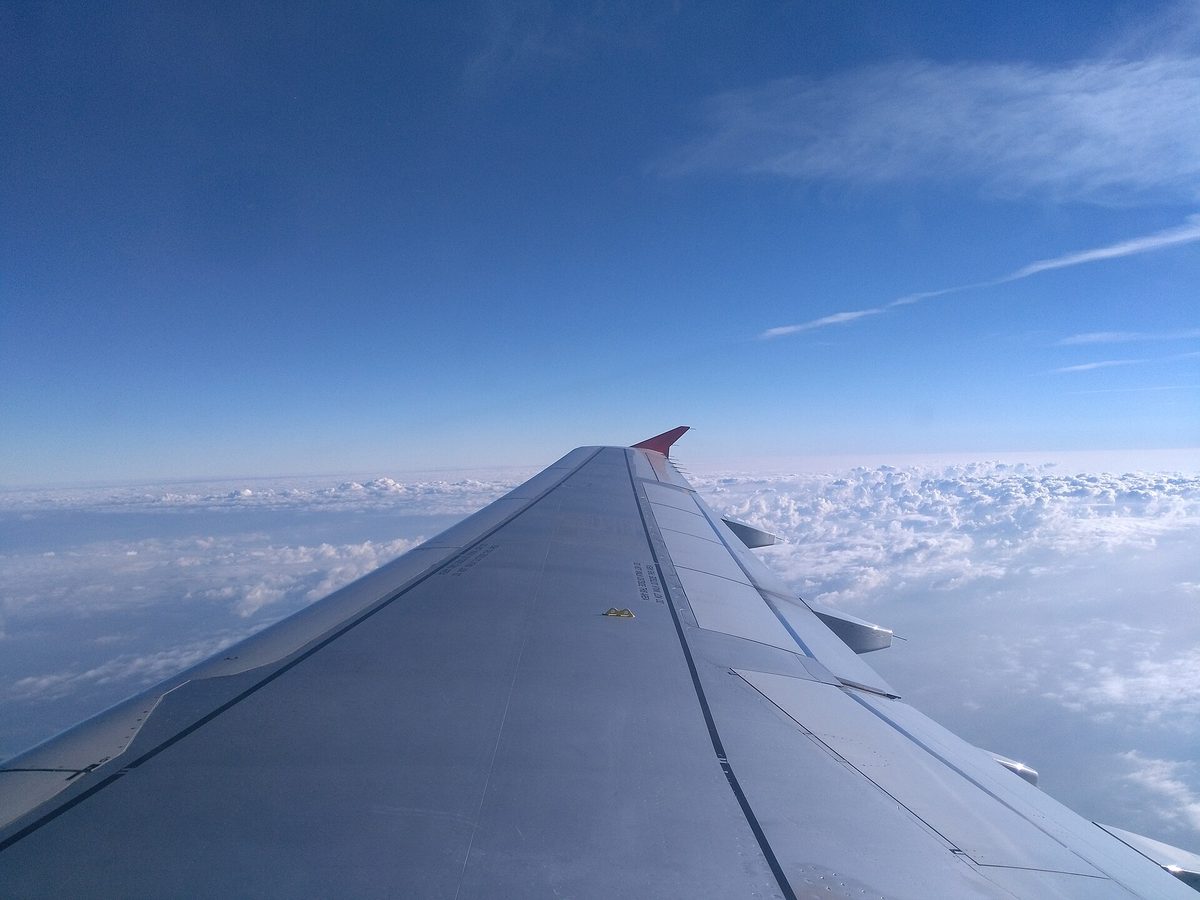
The air being drawn into the aircraft at cruise comes from outside, seven or eight miles up, where there is almost no water vapour in it at all. Whatever moisture reaches the cabin comes mainly from the people inside it. That is why your eyes, nose and throat dry out on a long flight, why contact lenses become uncomfortable, and why a cabin can feel colder than the thermometer says. Dry air pulls heat off your skin faster than humid air at the same temperature.
Why one seat is freezing and the next one is fine
Cabins are split into zones, and on a large aircraft the crew set them separately. A long tube full of people does not hold an even temperature: bodies generate heat, galleys and ovens generate more, doors leak, and sunlight through the windows on one side warms that side. The result is that two passengers ten rows apart can have completely different experiences and both be telling the truth about it.
What you can actually do about it
- Ask, and say where you are sitting. Crew can adjust a zone, but only if they know which one. “It is cold at the back” is far more useful than “it is cold”.
- Use the overhead vent deliberately. It is not only for cooling. Directing it away from you while keeping it open keeps air moving, which helps with nausea without chilling you.
- Dress for the aircraft rather than the destination. Long sleeves you can remove beat a t shirt you cannot add to.
- Drink water rather than relying on the blanket. Much of what feels like cold on a long flight is dehydration from very dry air.
- Pick your seat with the galley in mind. Seats near galleys and doors run warmer and colder respectively, more than most seat maps admit.
Frequently asked questions
Why are planes so cold inside?
Mainly to reduce fainting. At a cabin pressure altitude of up to 8,000 feet you are getting less oxygen than at sea level, and heat lowers blood pressure on top of that. A cooler cabin also limits nausea and gives passengers a problem they can solve with a blanket rather than one they cannot solve at all.
Is there a legal minimum cabin temperature?
No. 14 CFR Part 25 sets requirements for fresh air flow, carbon dioxide, carbon monoxide and cabin pressure altitude, but it sets no cabin temperature for passengers. It only requires that certain compartments have a means of controlling temperature.
Why is the plane so hot before takeoff?
The engines are usually off at the gate, so the air comes from the auxiliary power unit or a ground cart, neither of which can keep up with a full cabin on a hot day. Packs may also be turned off or reduced for the takeoff roll to give the engines more thrust.
How much fresh air do passengers get?
The regulation requires an airflow containing at least 0.55 pounds of fresh air per minute for each occupant, under normal operating conditions.
Why does flying dry out my eyes and throat?
Because the outside air being fed into the cabin at cruise holds almost no water vapour. Most of the humidity in a cabin comes from the passengers themselves, which is why a full aircraft feels less dry than an empty one.
Can cabin crew change the temperature?
Yes, within limits, and usually by zone rather than for the whole aircraft. Tell them where you are sitting rather than just that you are cold.
Sources
The fresh air, carbon dioxide, carbon monoxide and cabin altitude figures are quoted from 14 CFR Part 25, sections 25.831 and 25.841, read on 29 September 2026. Everything described as crew practice is exactly that: operational habit rather than regulation, and it varies by airline and by aircraft type. Where this page says the rules are silent, that silence is the finding.
More from CrewDaily on what happens in the cabin: what the dings on a plane actually mean, what pilots are actually saying on the radio and over the PA, the safest seat on a plane according to crash data, and what really happens when lightning hits a plane.
