


The Fairchild Republic A-10 Thunderbolt II is a single seat, twin turbofan, straight winged attack aircraft. Not a fighter. It was designed to do one thing extremely well: fly low and slow over a battlefield, destroy armour, and survive being shot at while doing it.
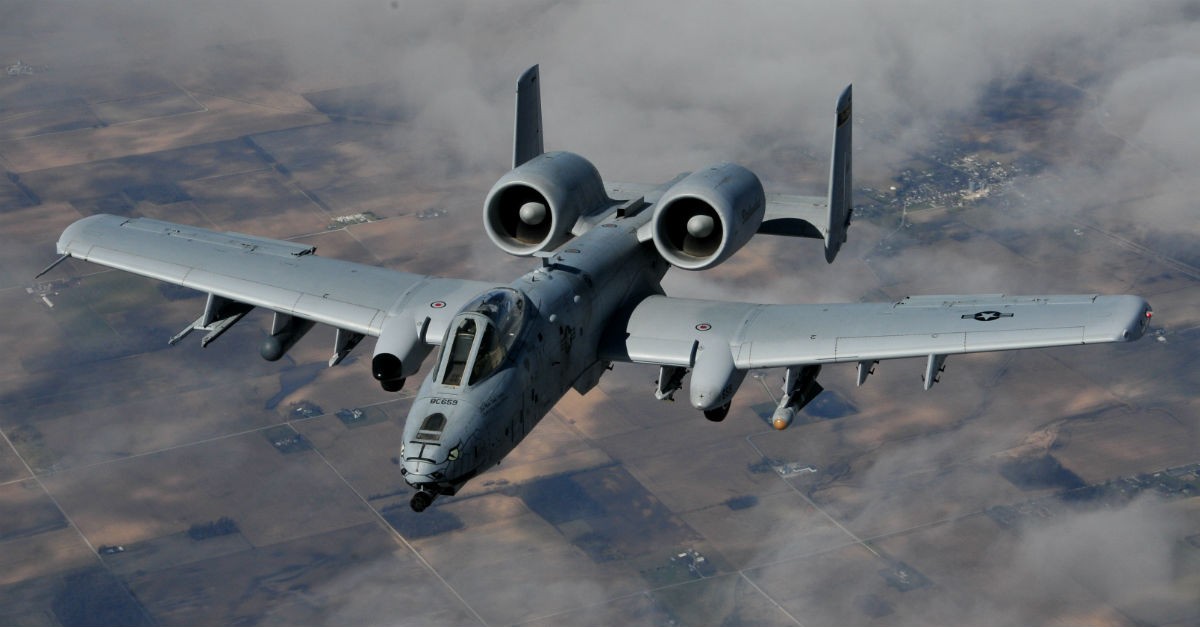
Officially it is the Thunderbolt II, named after the Republic P-47 Thunderbolt that did similar work in the Second World War. Almost nobody uses that name. To the people who fly it and the troops it supports, it is the Warthog, or just the Hog.
Built for close air support, and almost nothing else
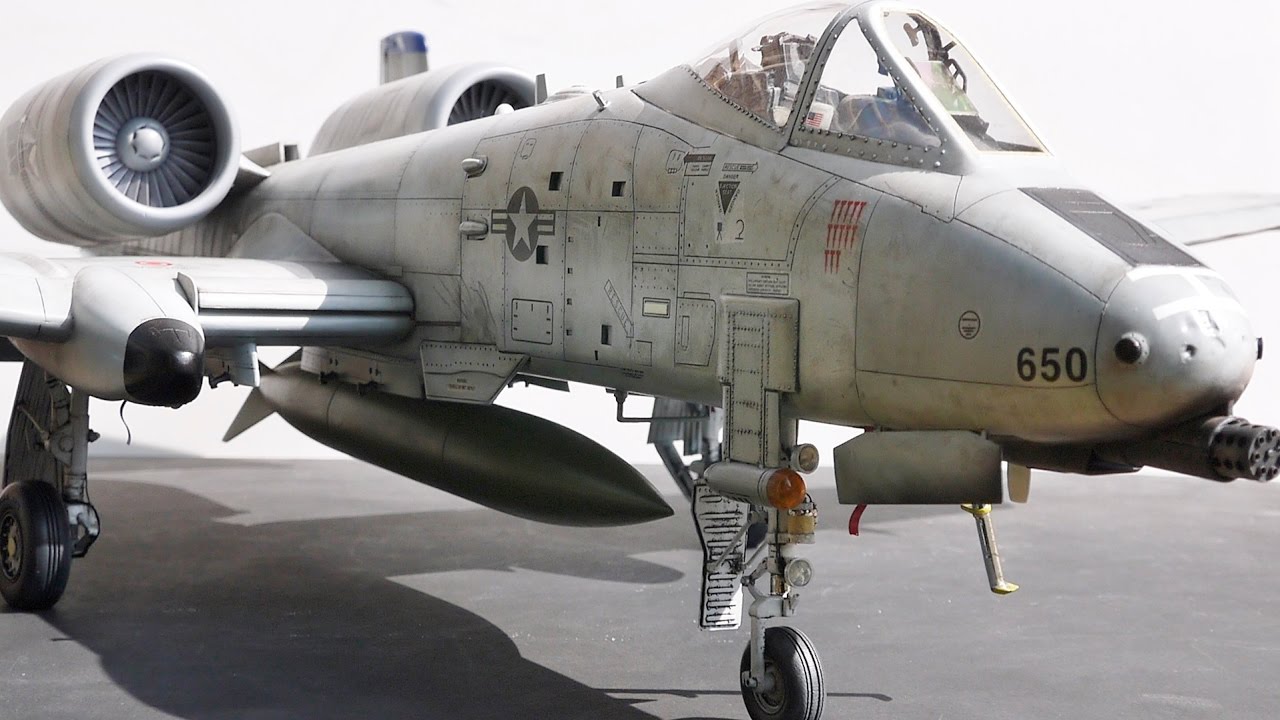
The A-10 is the only US Air Force aircraft designed from a blank sheet purely for close air support. Its secondary role is airborne forward air control, directing other aircraft onto ground targets.
It came out of Vietnam. Fast jets optimised for air to air combat turned out to be poor at supporting troops in contact, where what matters is loitering overhead, seeing what is happening and hitting the right target. Helicopters like the Cobra and later the Apache answered part of that need. The A-10 answered the fixed wing half.
What the Air Force actually asked for
The requirement issued in the 1960s reads like a list of everything a fast jet is not:
- Inexpensive
- Robust
- A payload of at least 16,000 lb
- Excellent low speed manoeuvrability
- Takeoff within 4,000 feet
- Long loiter time
- Extreme survivability
Fairchild Republic won, and the aircraft that resulted has been almost impossible to replace precisely because those requirements have never been fashionable.
First flight and service entry
The prototype first flew on 10 May 1972. The A-10 entered US Air Force service in October 1977. In total 716 were built, including prototypes and development aircraft.
The titanium bathtub
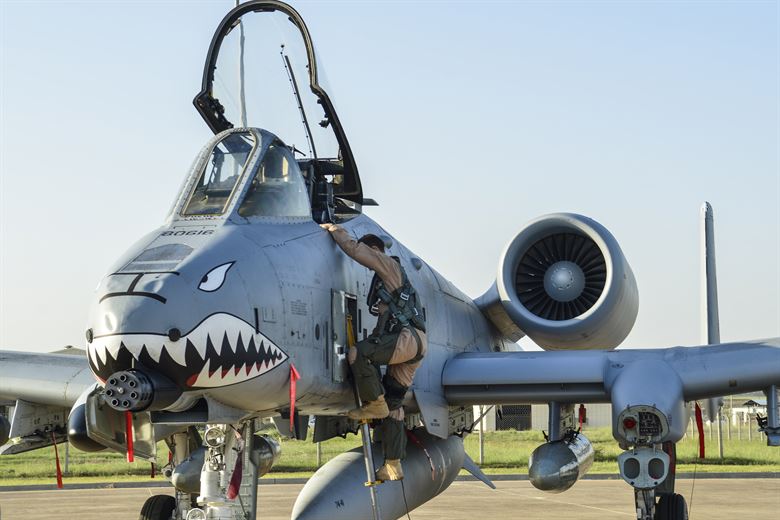
The pilot sits inside roughly 1,200 pounds of titanium armour, in plates between half an inch and an inch and a half thick. Crews call it the bathtub, and it wraps the cockpit and the flight control systems rather than the whole airframe.
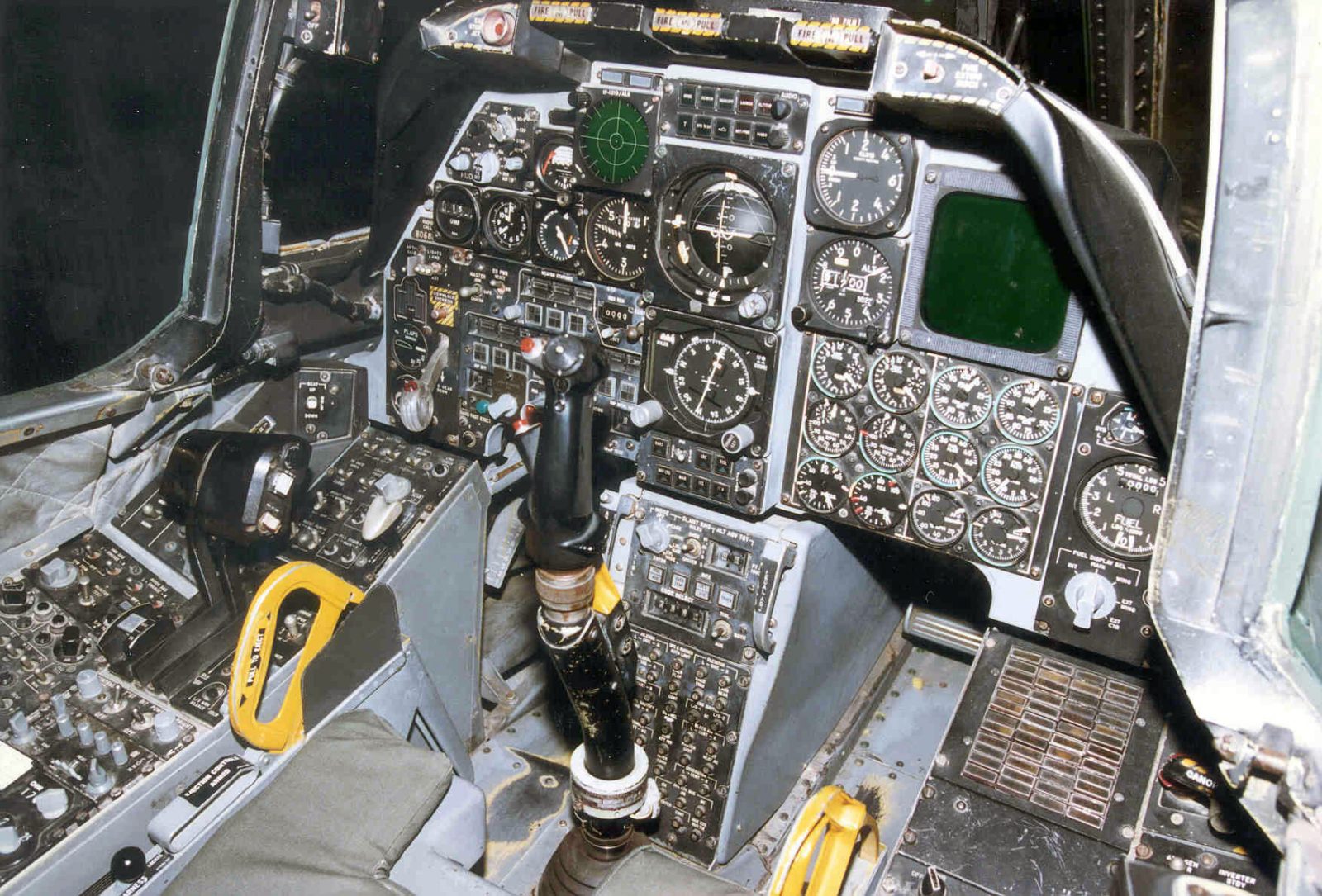
It has saved lives, and A-10s have come home with damage that would have downed almost anything else. It is not a force field, though. A-10s have been shot down and pilots have been killed. The design goal was to make the aircraft survivable, not invulnerable, and the redundancy goes well beyond armour: duplicated flight controls, a manual reversion mode, self sealing fuel tanks and engines mounted high and far apart so one hit is unlikely to take both.
The gun the aeroplane is built around
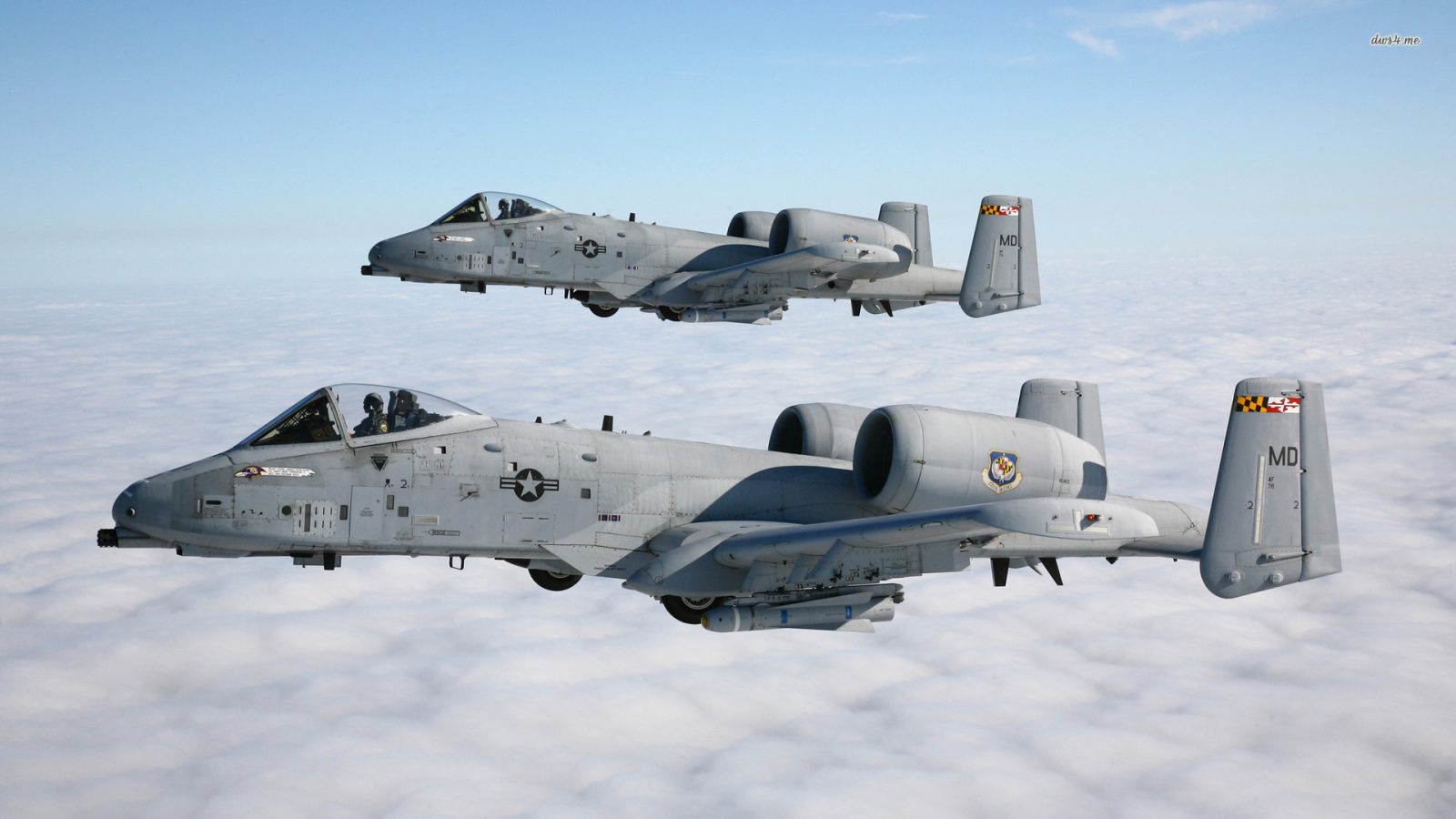
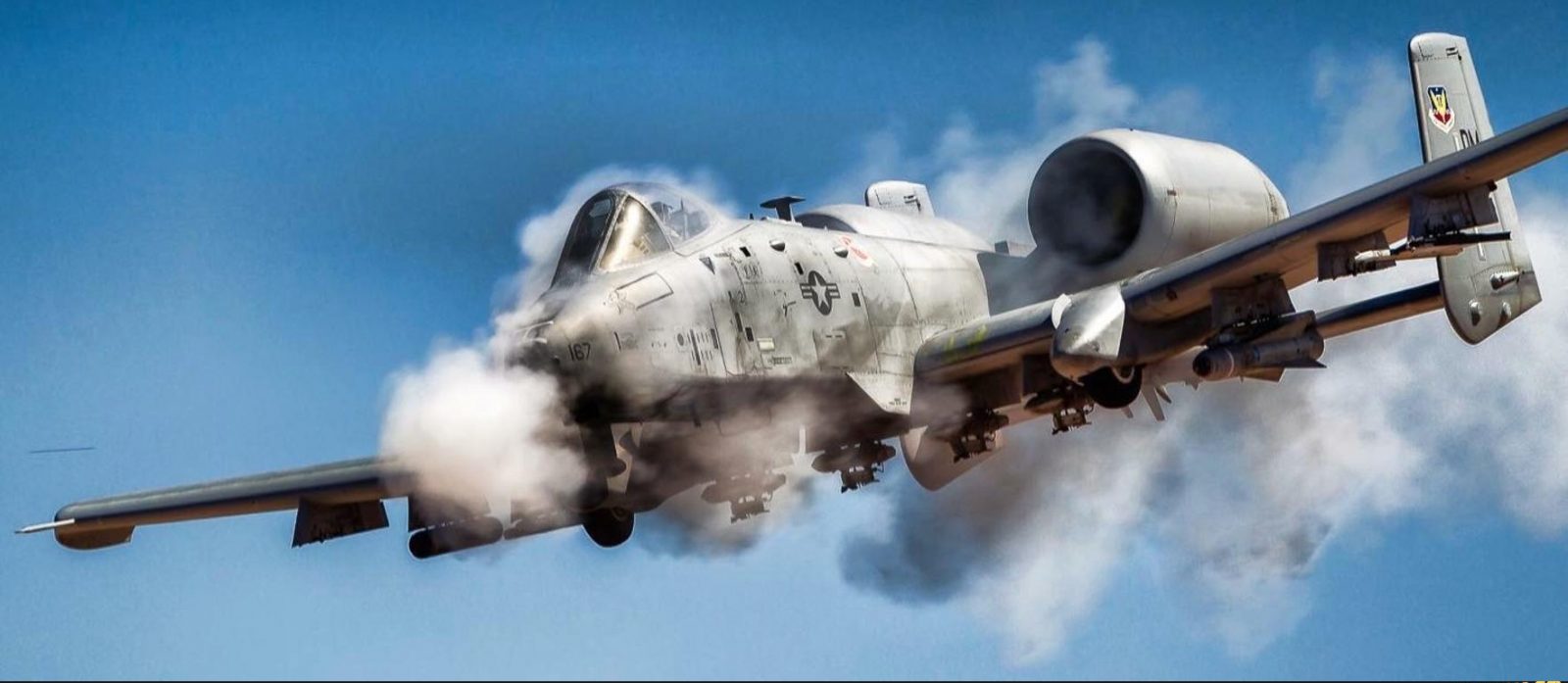
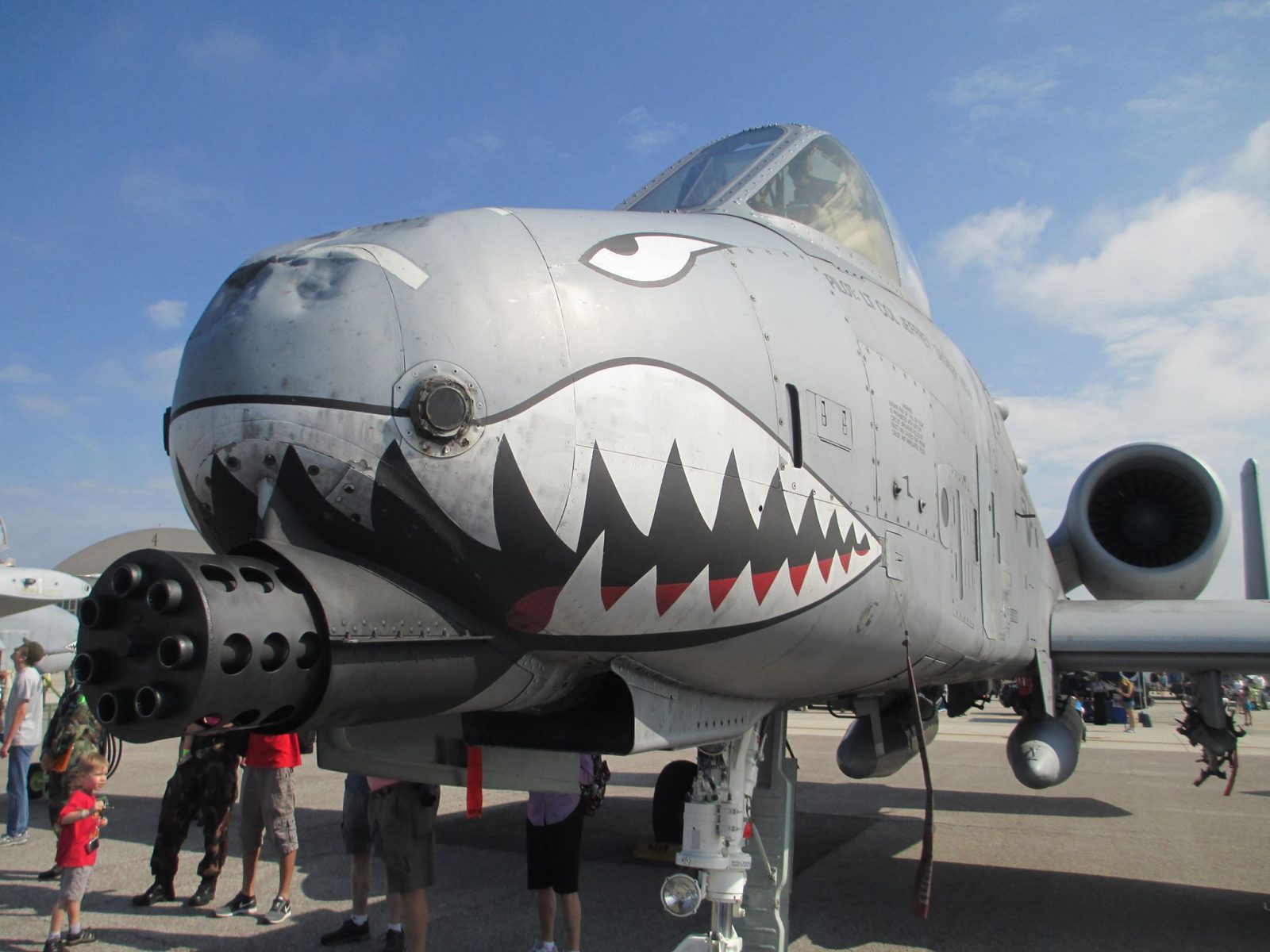
The GAU-8 Avenger is a 30 mm rotary cannon firing at around 3,900 rounds per minute, fed from a drum holding roughly 1,174 rounds in normal service.
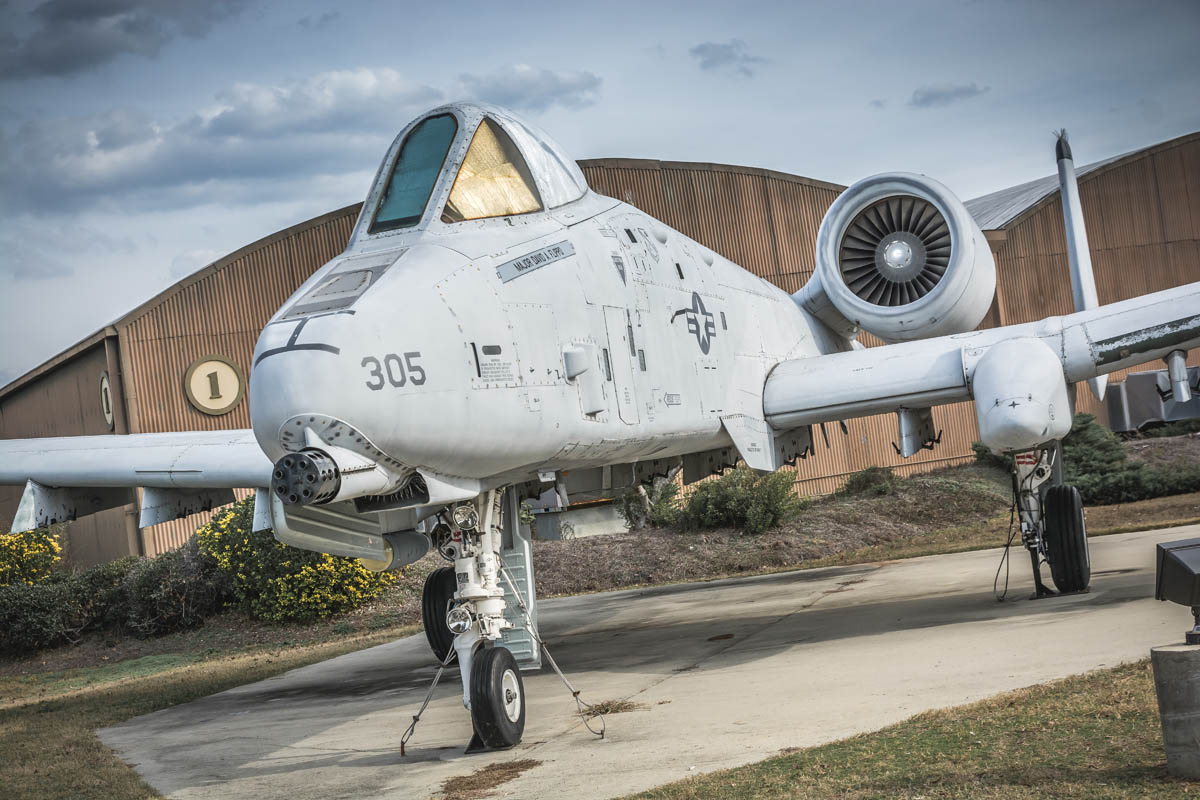
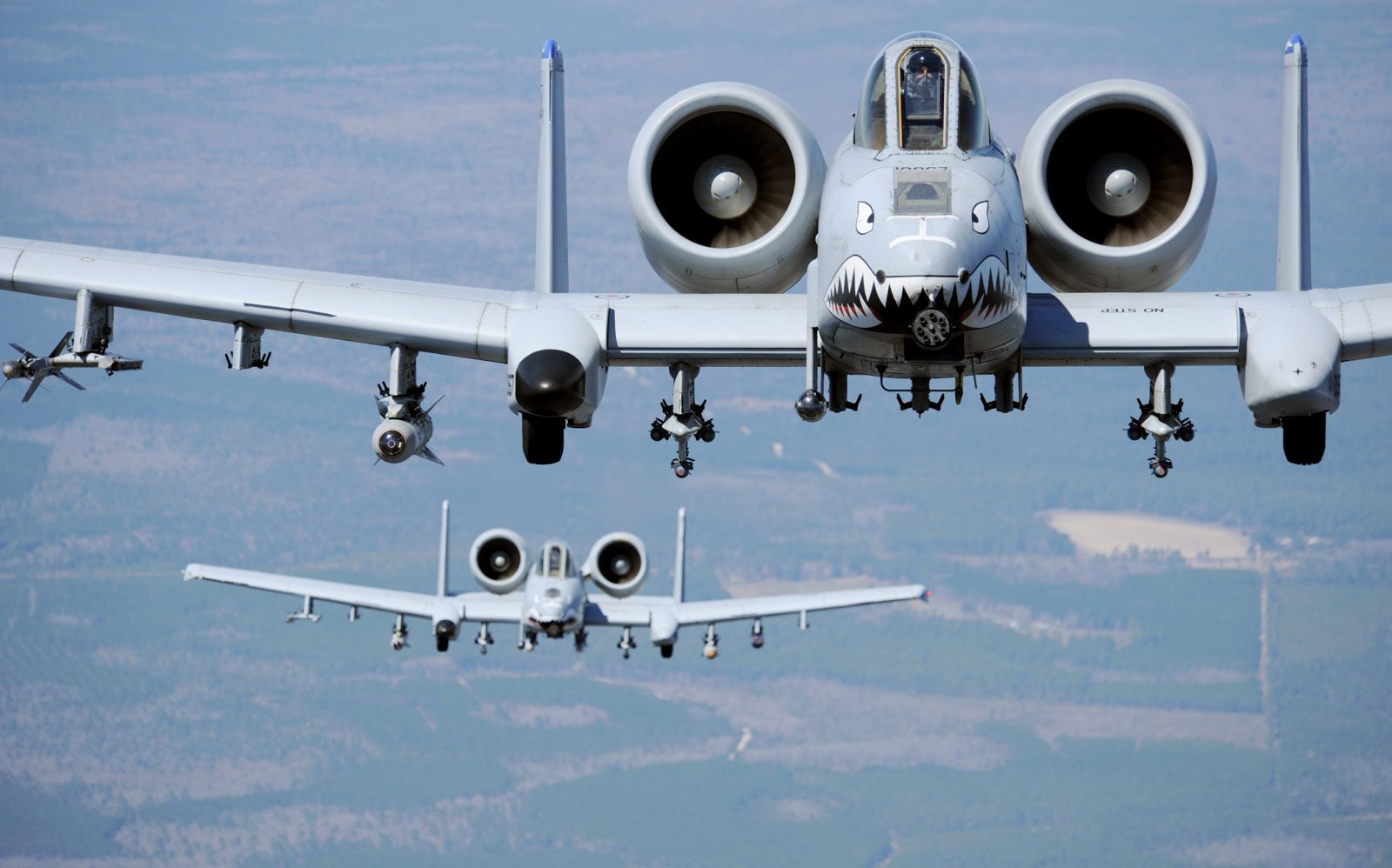
It is genuinely accurate to say the aircraft was designed around the gun rather than the other way round. The cannon is so large that it sits on the aircraft’s centreline with the nose landing gear offset to one side to make room. That layout is why the A-10 looks slightly wrong from head on, and it is the most honest expression of what the aircraft is for.
Where it has fought
The A-10’s defining campaign was Operation Desert Storm in 1991, where it destroyed large numbers of Iraqi armoured vehicles. It has also flown over Grenada, the Balkans, Afghanistan, Iraq and against Islamic State.
The long argument about retiring it
The Air Force has wanted to retire the A-10 for years, arguing that a slow aircraft cannot survive against modern air defences and that the F-35 can absorb the mission. Congress has repeatedly pushed back, unconvinced that anything else does close air support as well.
Retirements are now under way. The Air Force has been working towards finishing them by the end of the decade, with the timeline slipping to around 2030. Older claims that the fleet would serve until 2040 are out of date.
The argument underneath it has not changed in thirty years. The A-10 is not survivable in the kind of war the Air Force plans for, and it is very good at the kind of war it keeps actually fighting.
For more on aircraft built around a single mission, see the top fighter jets in the world.
