

 Crew Daily
World War II was the time of the world when the war was tearing land, seas, and skies in all its essence. Nearly all the world nations were coming up with their own unique ideas for military weapons. One of the major areas of these wars was the air space that the militaries were putting their top priority is securing their success in the war.
The urgent need of the war compelled the aircraft designers, engineers and manufacturers to come up with some of the most unique aircraft of that time that paved the way for the future aircraft. In their efforts to come up with the best of the best aircraft, designers designed some of the most amazing experimental aircraft.
For our readers, we have today gathered a list of few of the most amazing experimental aircraft from World War II (Part1).
Blackburn B-20
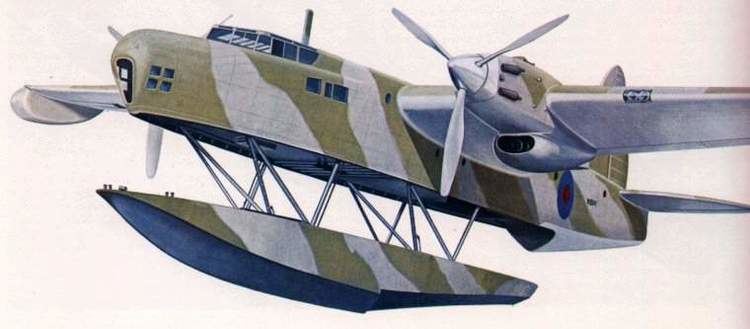
During the raging World War II, the floatplanes and float planes were proving to be a major part in shaping the war for the world air forces. Floatplanes allowed the militaries to have an advantage over the water-based missions but their larger float body underneath proved to be quite problematic in cases of maneuverability as well as they were really small in size. As for flying boats, their primary task was to be patrol bombers. They had their own problems; they were large but extremely slow in speed.
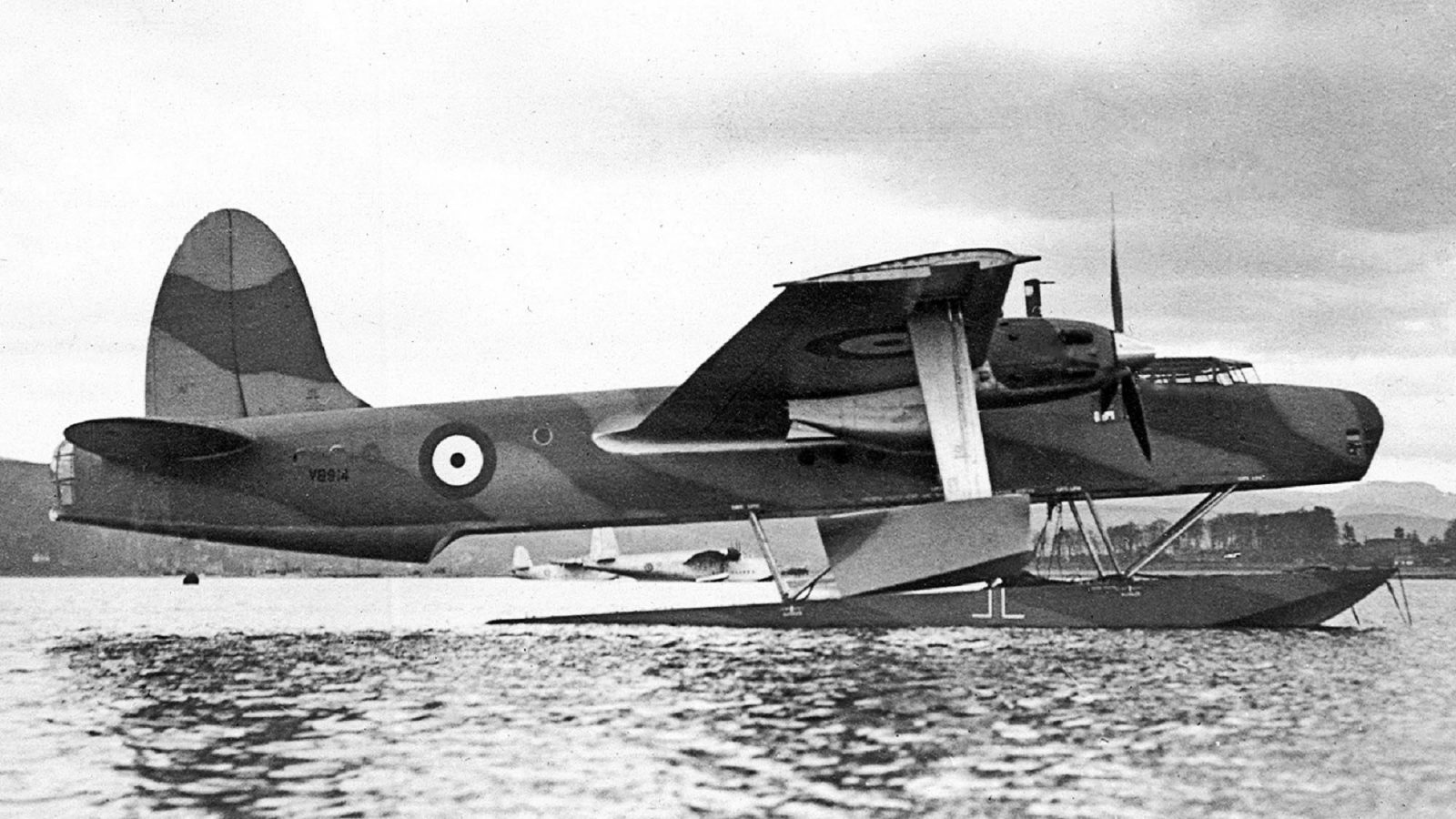
In order to come up with an aircraft that had the abilities of both a flying bat and a floatplane, the Blackburn Company came up with an aircraft design which was named as Blackburn B-20.
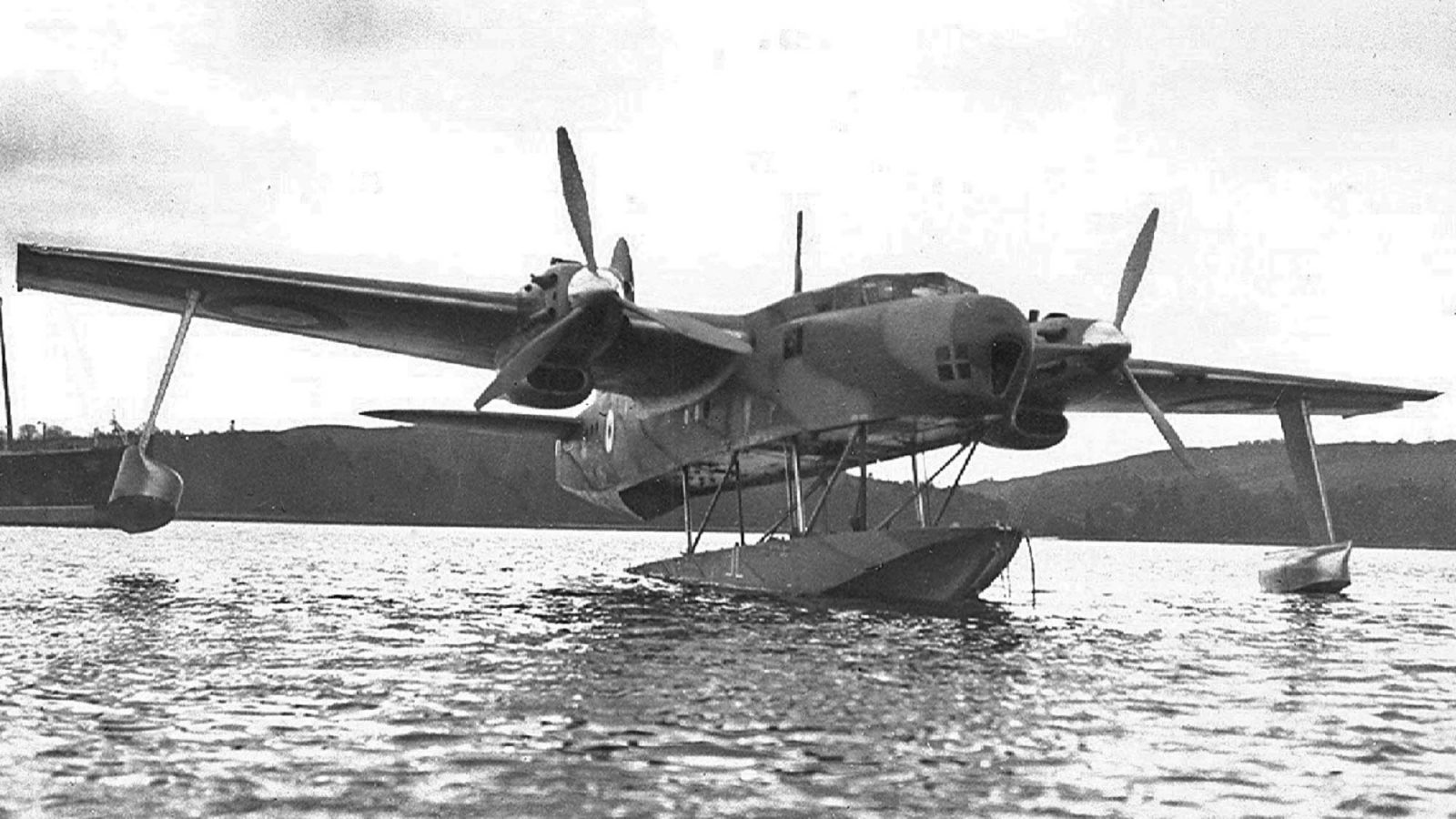
Half of the Blackburn B-20’s fuselage was of a retractable float. After descending on water, the lower part of this fuselage would descend deep into the water allowing it to have more combat versatility. In addition to this, it would allow it to have an increased wing incidence for shorter takeoff runs.
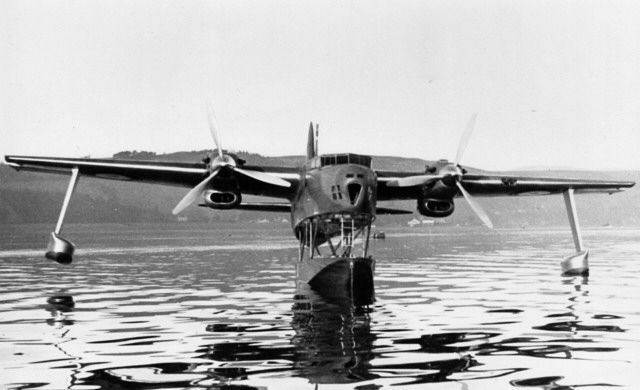
After it took flight, the float of the B-20 would join back together making it appear as a flying boat.
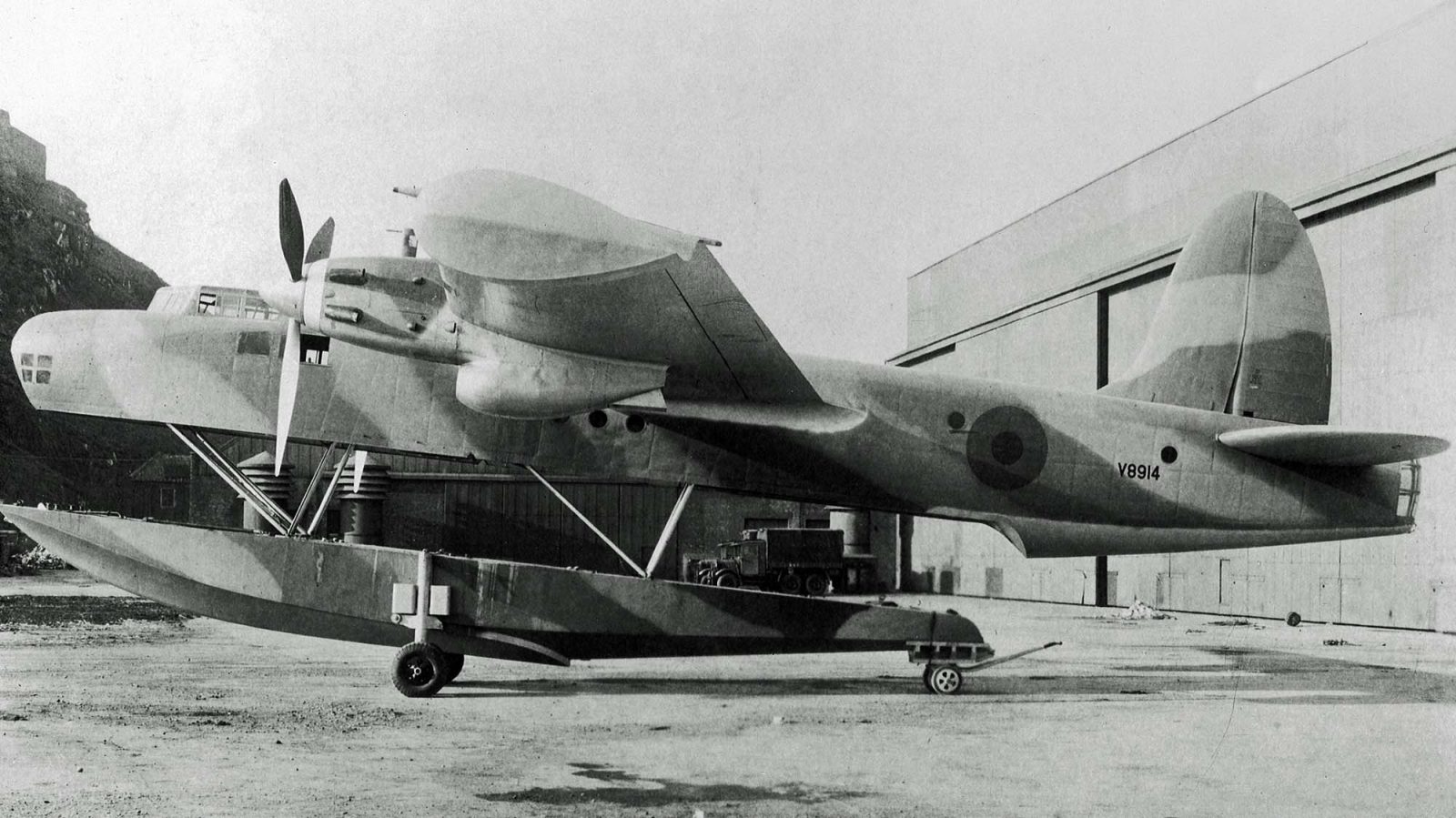
Unfortunately, during its test flight, one of the Blackburn B-20 crashed down and resulted in the death of the crew. British Air Ministry considered this accent to be a fluke but Blackburn by that time was focused on the designs of other aircraft and the experimental aircraft could not see the light of the future.
Ryan FR Fireball
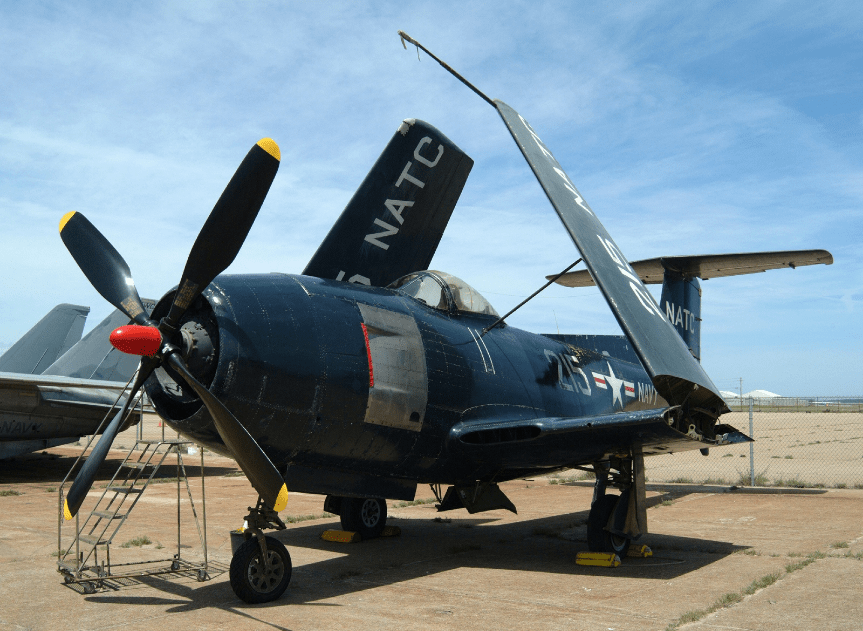
The first ever jet fighter aircraft for the US army was the P-59. However, it was not better than the propeller-driven aircraft. While the Bell was working on the P-59, US Navy was working on an aircraft named as Ryan FR Fireball. This aircraft was odd in design and its power plant system. The front had the propeller drive engine while the back had a jet engine.
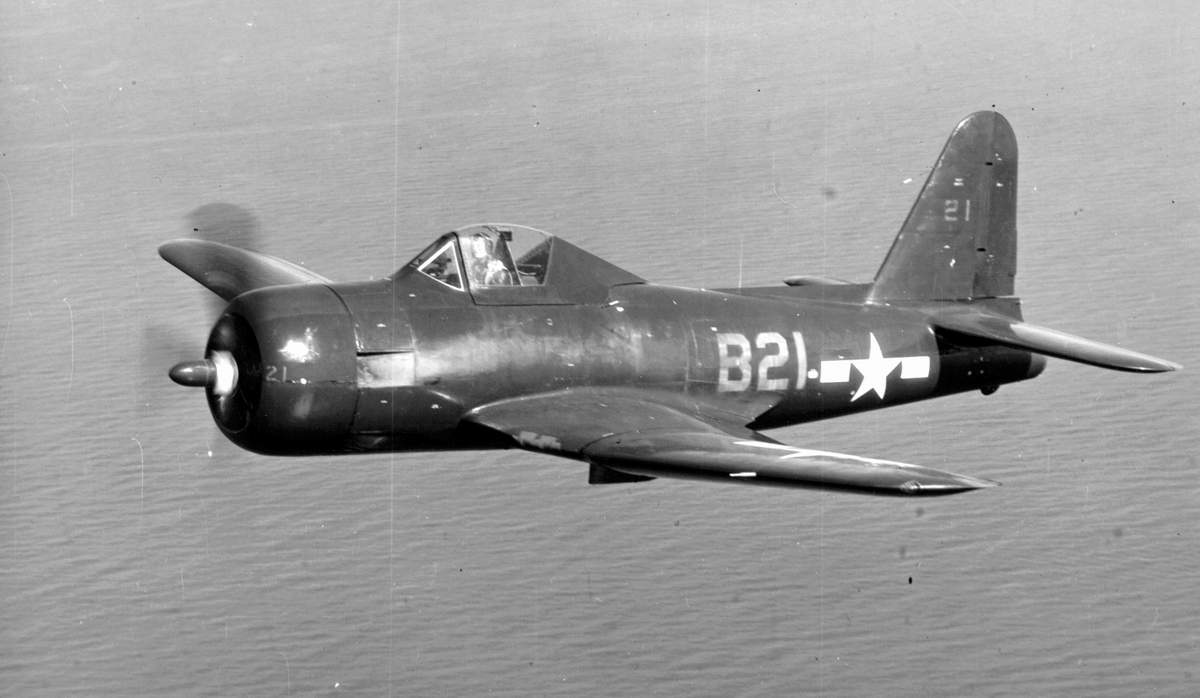
Due to the early jet engines having a sluggish throttle, Navy considered them too lethal for carrier operations. For the majority of operations, pilots would use the propeller-driven engine and when they needed the thrust, they would make use of the jet engine.
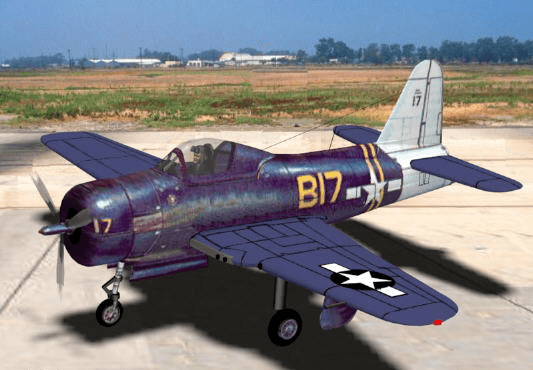
It entered the military service back in 1945 but never saw combat action. Only 66 of these Ryan FR Fireballs were manufactured but were replaced by the NextGen fighter jets.
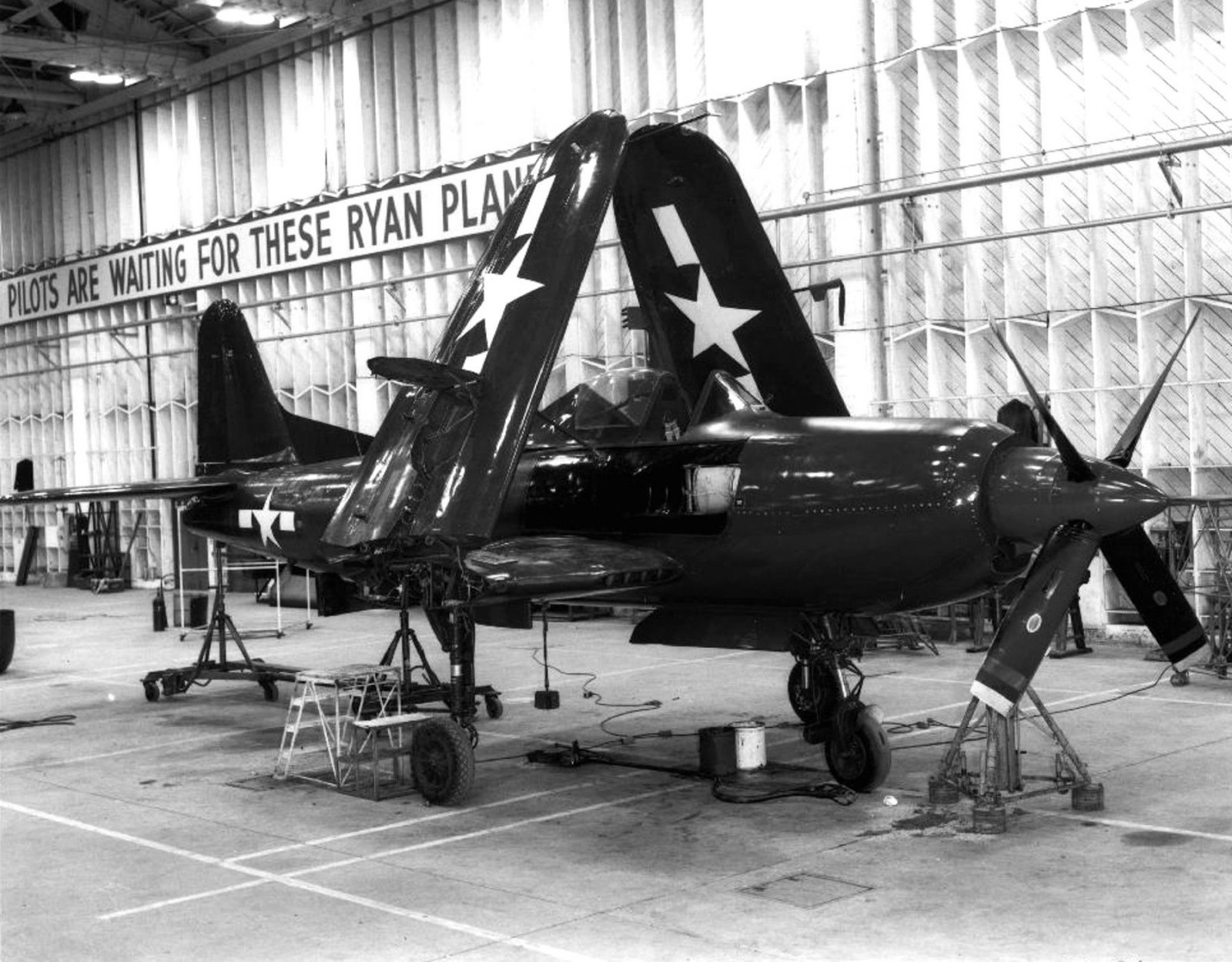
Despite it having slower jet propulsion and speed as compared to other jet fighters of its era, it was nonetheless Navy’s first ever jet aircraft. It also happened to be the first ever jet aircraft to have landed on an aircraft carrier.
Blohm & Voss BV 238
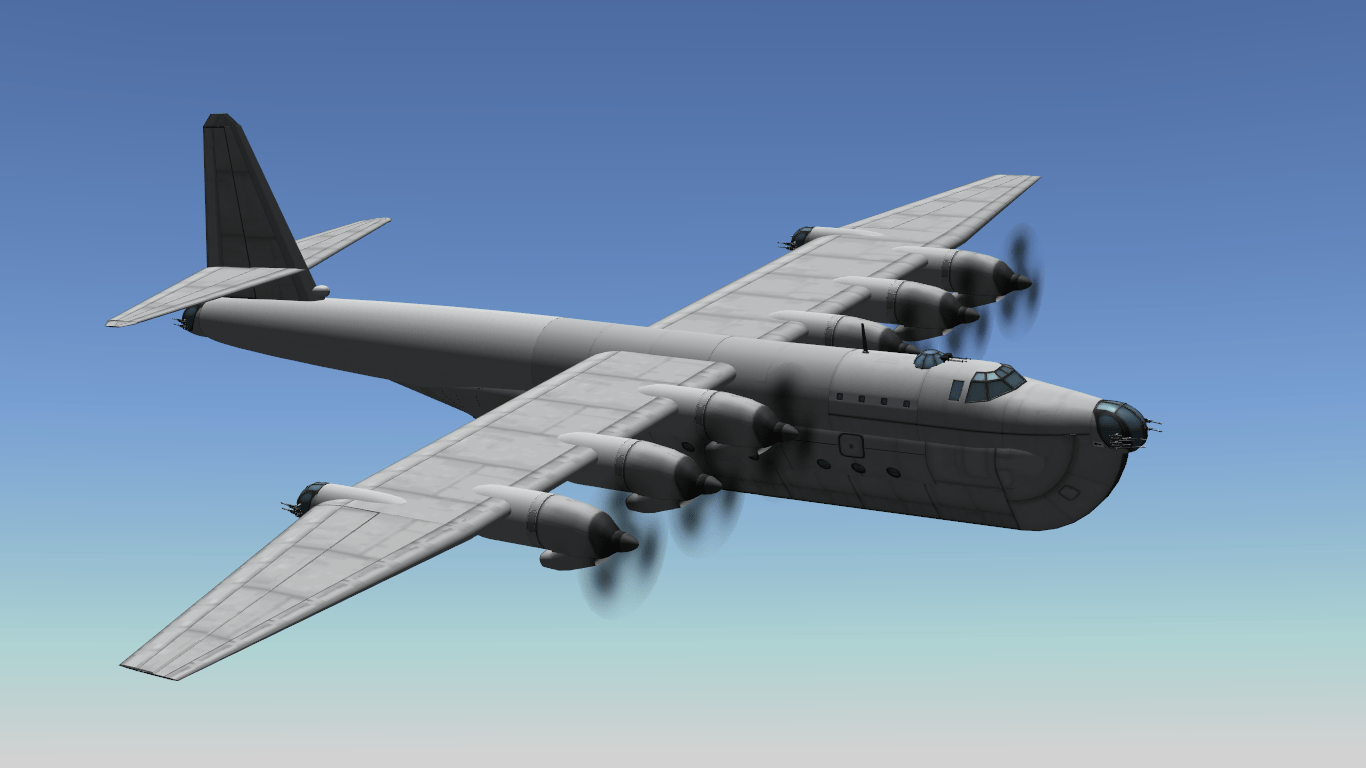
The company named Blohm & Voss was the company responsible for manufacturing the flying boats for the Luftwaffe back in World War II. With war raging on, the company designed many amazing flying boats for their military employers and one of these tests subjects was the Blohm & Voss BV 238. The Blohm & Voss BV 238 at that time was one of the largest flying boats to be designed by Axis powers.
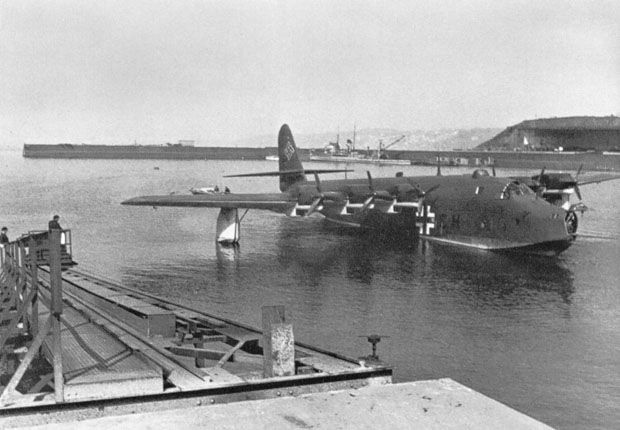
The Blohm & Voss BV 238 was built back in 1944 and was intended to present Luftwaffe with an aircraft that had long-range transport capabilities. The aircraft was also considered for use in the long-range patrol bombing missions. The early flying tests of the Blohm & Voss BV 238 were also proven to be successful and it served the transportation role in an effective manner too.
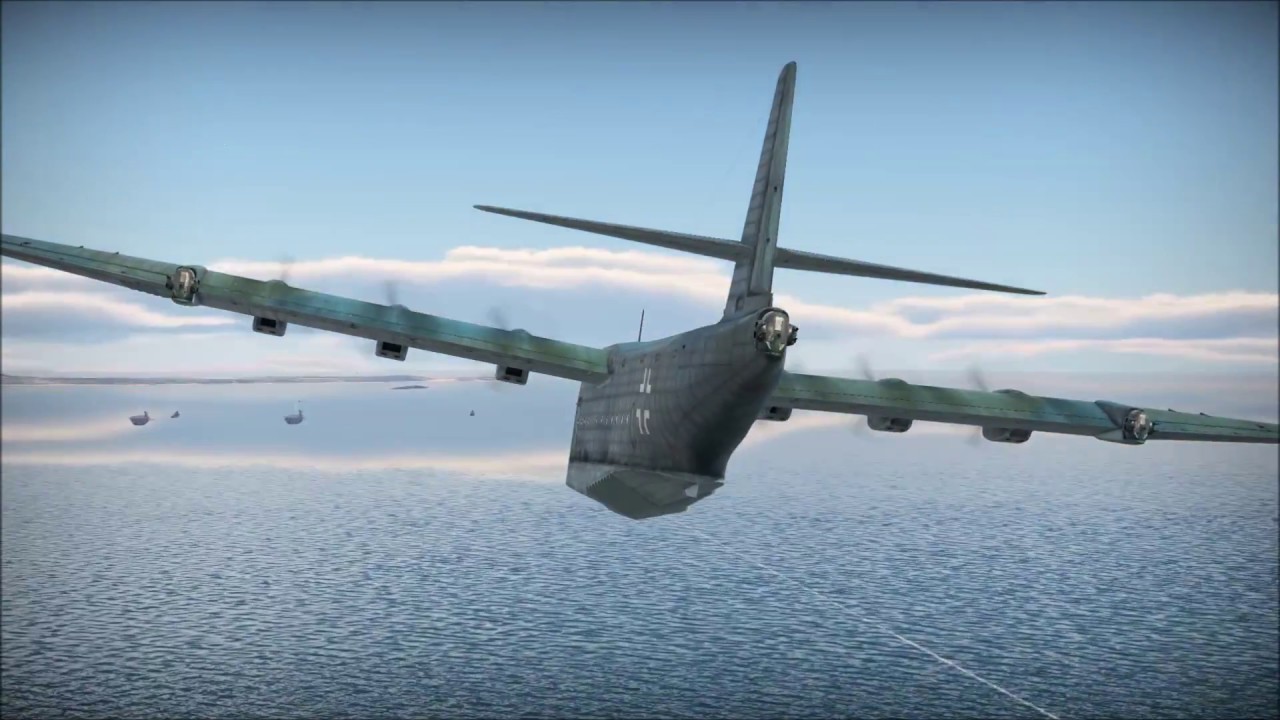
The first disaster that this aircraft met was when it was found docked at the Lake Schall by the Allied P-51 Mustangs. The aircraft was attacked by the pilot named Urban Drew that resulted in massive damage to its fuselage system. Before the aircraft could be saved, it was sunken deep into the waters. With the war on its full bloom, Blohm & Voss gave up completely on the aircraft. As for the pilot named Urban Drew, he became a legend who destroyed one of the biggest Axis airplanes.
Flettner Fl 282
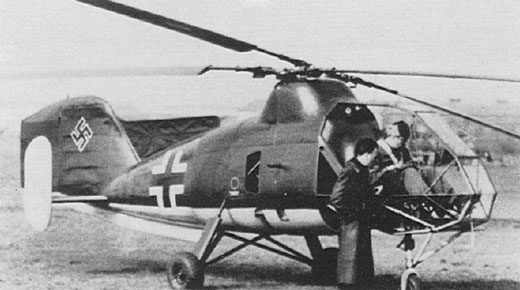
In the world war II era, many militaries did not consider the helicopters to be an attack force. As for German forces, they already had a lead in the age of jet propulsion engines so they were making progress on developing helicopters that could also be mass-produced. All of it was not possible until they built the Flettner Fl 282.
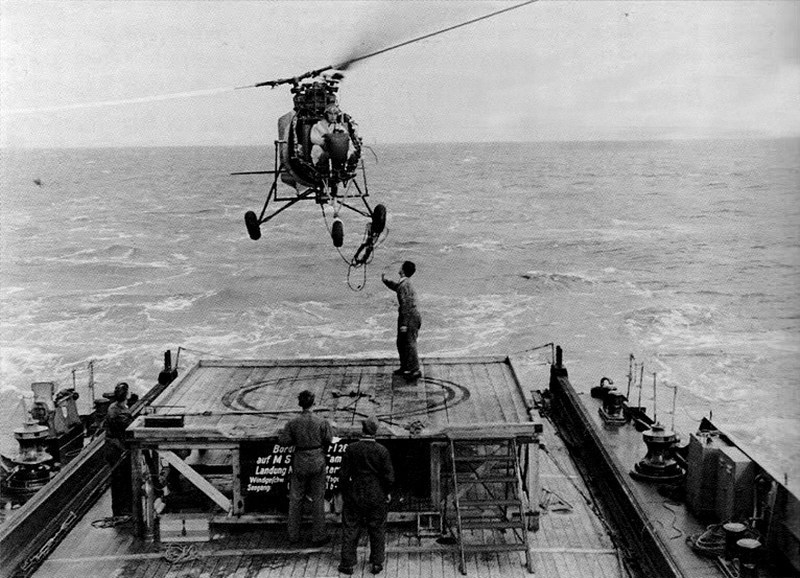
The Flettner Fl 282 was designed by the company named Flettner which presented an odd feature of the intermeshing rotors. These rotors design meant that they would angle away from each other but the arc of their blades will still cross each other. The aircraft’s rotors were designed with care to avoid any disaster. This intermeshing rotors design also allowed the helicopter to be devoid of a tail rotor. One other design that made it stood apart was its barebone design which had minimal framing that was attached to its engine.
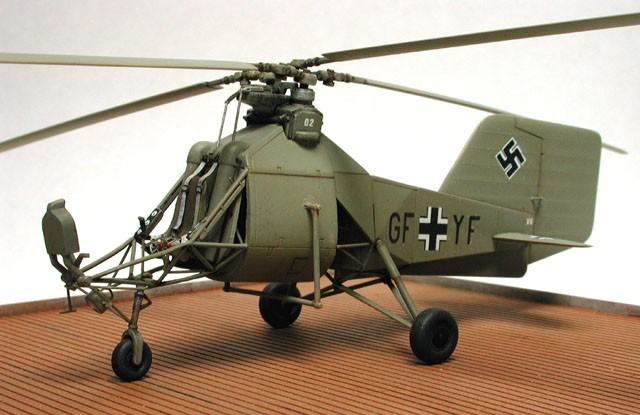
The Luftwaffe was so impressed by this design that they ordered nearly 1000 of these helicopters. Their main mission intentions were as follows.
- Anti-submarine warfare
- Naval spotting
- Reconnaissance
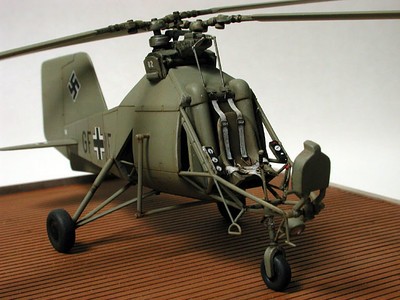
By the time, Flettner of the contract, German forces were taking heavy damages and one major plant of Flettner was bombed down by the Allied forces. As for the designer of the helicopter named Anton Flettner, after the war, he immigrated to USA where he then helped US military design some of the excellent helicopters.
Related Content
Military Aircraft That Can Be Purchased By Civilians (Part 6)
Military Aircraft That Can Be Purchased By Civilians (Part 5)


Comments
Loading…