


The first official fighter jet that was ever used by the United States Air Force (USAF) was the Lockheed P-80 Shooting Star. The aircraft was designed by the Lockheed, now Lockheed Martin, back in 1943. The fighter jet was manufactured and designed only in a short period of 143 days. The first model was flying in 1944 and it only sere for a short amount of time in USAF’s service in Italy after World War II ended.
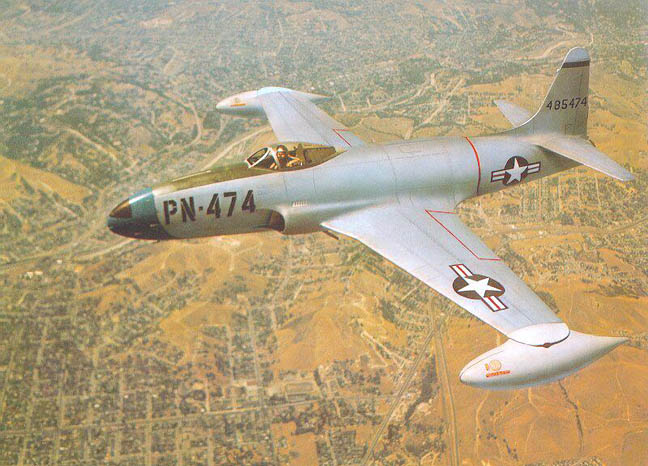
Although it served for a minimum time period during World War II, the aircraft still served for the USAF majorly during the Korean War.
This is the first ever turbojet-powered combat aircraft of USA that ushered the USAF into “Jet Age”. However the brilliance of it was outshone by the presence of the swept wing transonic MiG-15. Later it was replaced by the USAF’s F-86 Sabre.
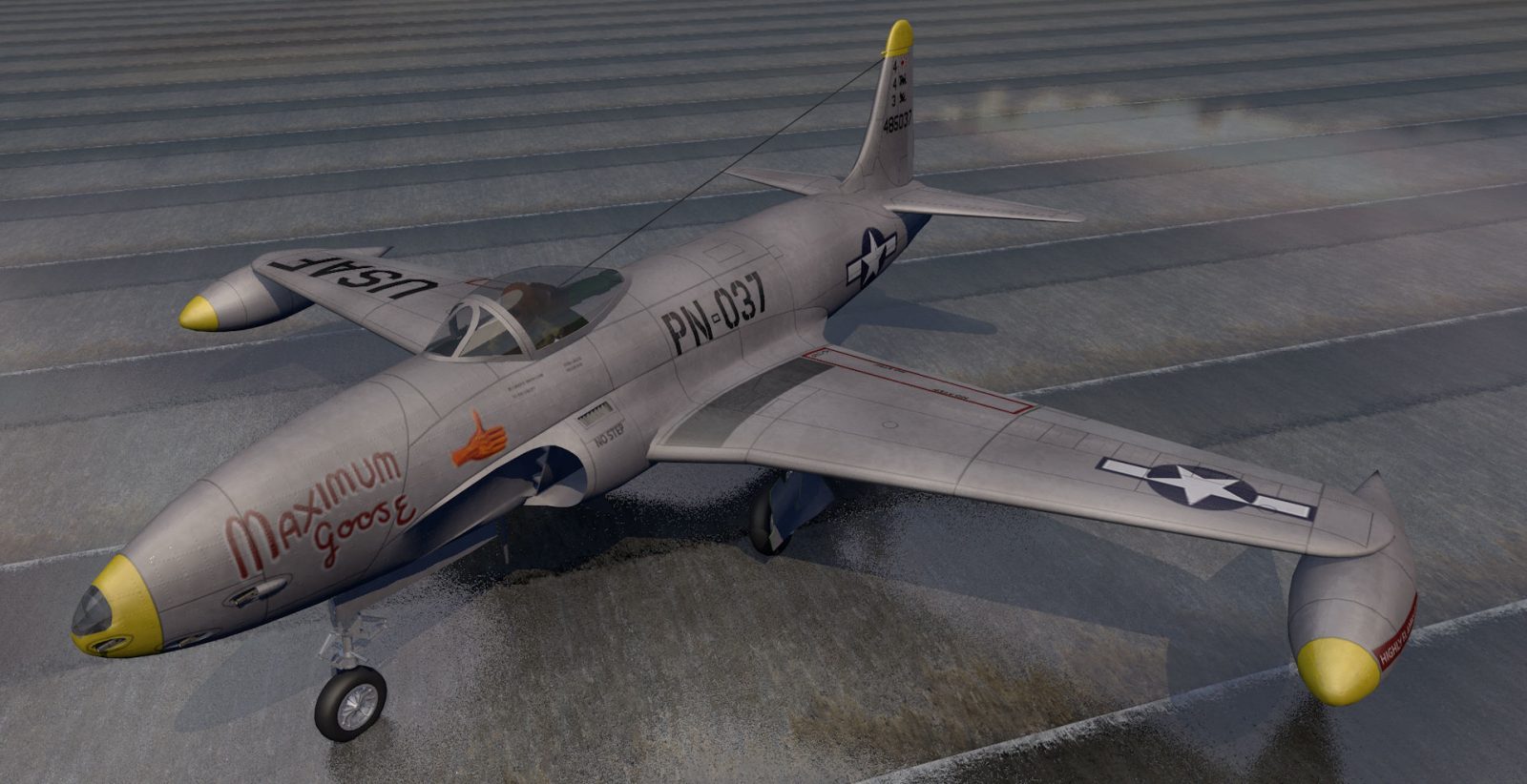
The Lockheed P-80 Shooting Star resembled to the all-weather interceptor F-94 Starfire in the airframe design. As for its closely related T-33 Shooting Star trainer, this aircraft remained in the service of both USAF and US Navy well into the 1980s. Some of the Lockheed P-80 Shooting Stars and its variants are currently not in service and are either instead used for foreign air arms or are in private collections.
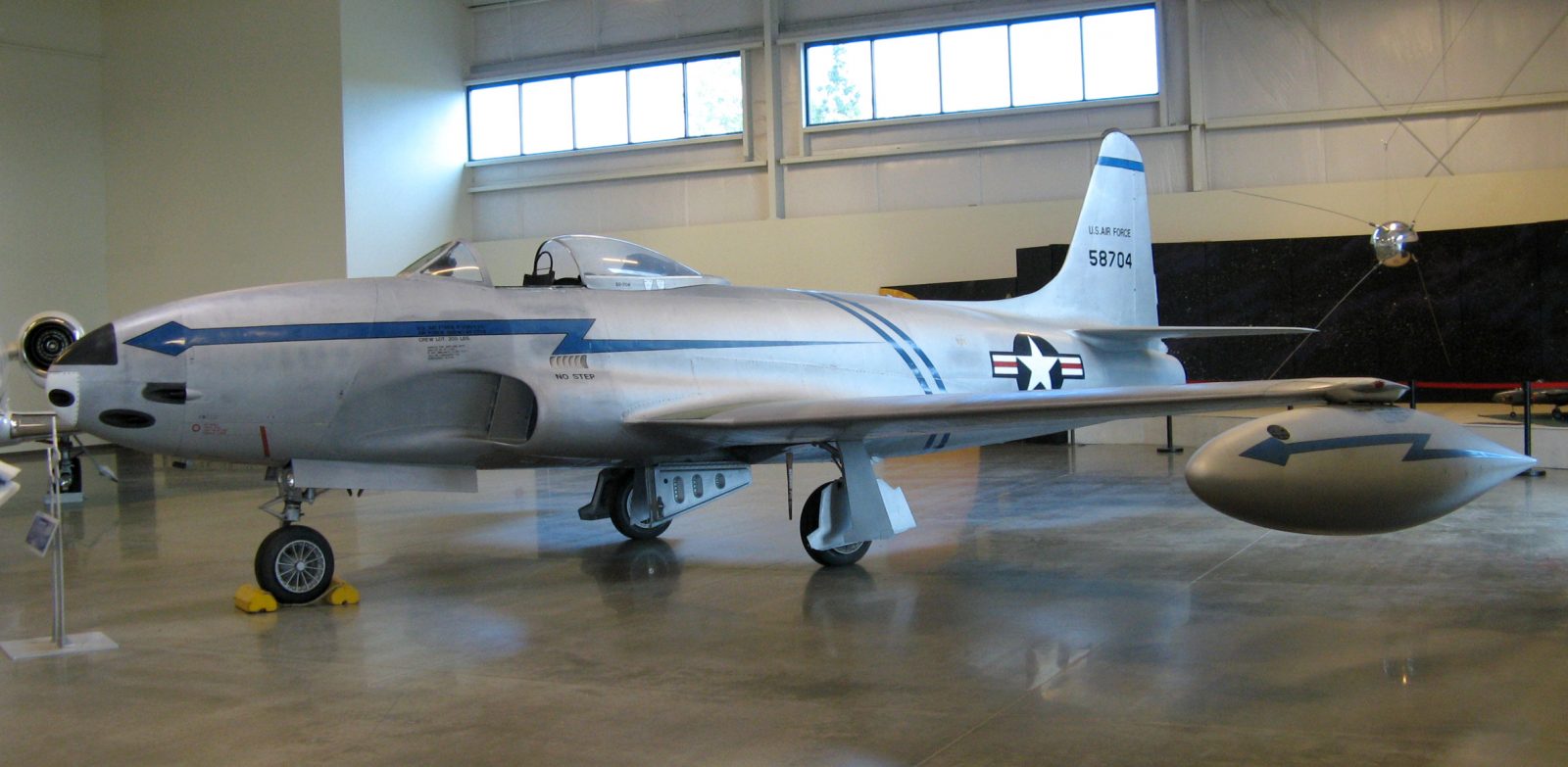
For our readers today, we have gathered a bunch of amazing facts about the Lockheed P-80 Shooting Star which are as follows.
Built only in 143 days:-
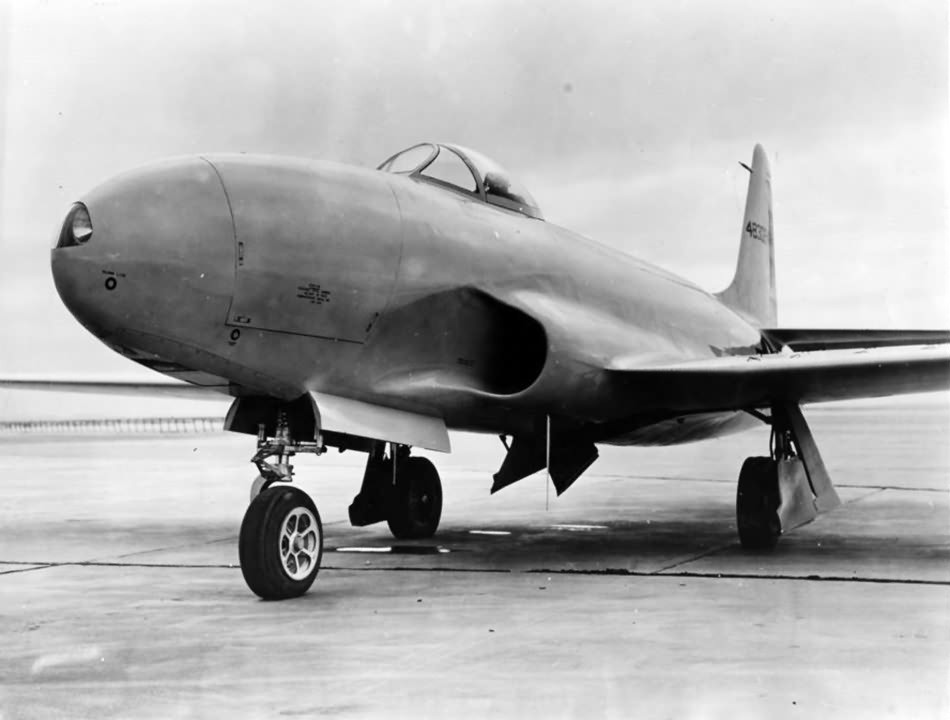
The origin of airplane dates back to June of 1943 when the USAF requested Lockheed to design and manufacture a fighter aircraft in response to the German-built Messerschmitt Me 262 jet fighter.
The result of that request was the first prototype of P-80 Shooting Star which at the time was designated as XP-80. The interesting fact about this aircraft is that it was not only designed but also manufactured in a mere 143 days but is actually 47 days earlier than the expected schedule at that time. The aircraft was not merely a prototype but a fighter jet equipped with necessary armament.
Beginning of Skunk Works:-
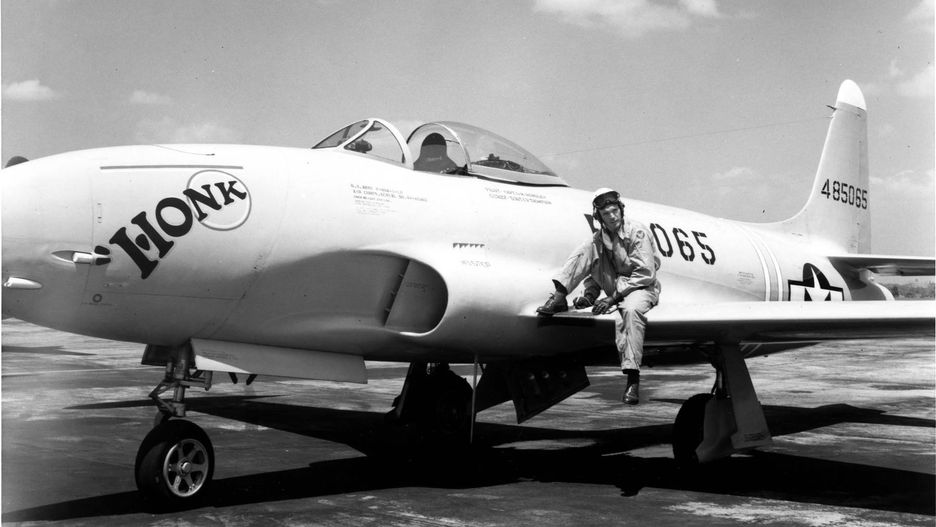
The fast designing and manufacturing of the fully battle equipped Lockheed P-80 Shooting Star is the one that ushered the USA in the Jet Age. This is the aircraft that also gave broth to the famed Lockheed Skunk Works unit that over the years gave USAF many amazing fighter jets.
First flight:-
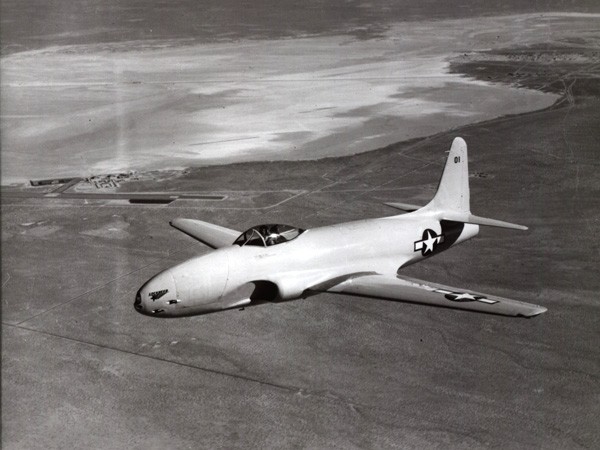
The Lockheed P-80 Shooting Star was ready for flight right after its development and took its first test flight back on January 8th, 1944. After the approval of the USAF, the Lockheed was ordered to start the mass production of this aircraft and they manufactured a total of 1715 of these aircraft.
Design:-
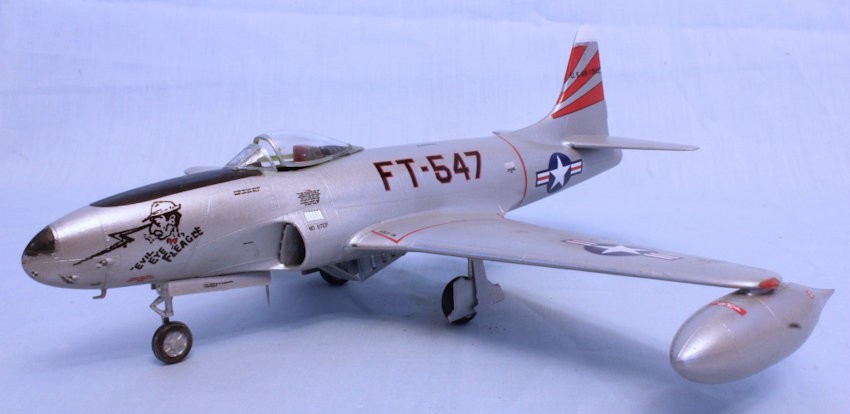
The Lockheed P-80 Shooting Star was designed to be an all-metal straight low-wing aircraft of the conventional design. The aircraft also came with a tricycle landing gear. The cockpit due to fast designing and manufacturing was kept unpressurized and for the Canopy; it was an aft-sliding bubble one.
Fuel Capacity:-
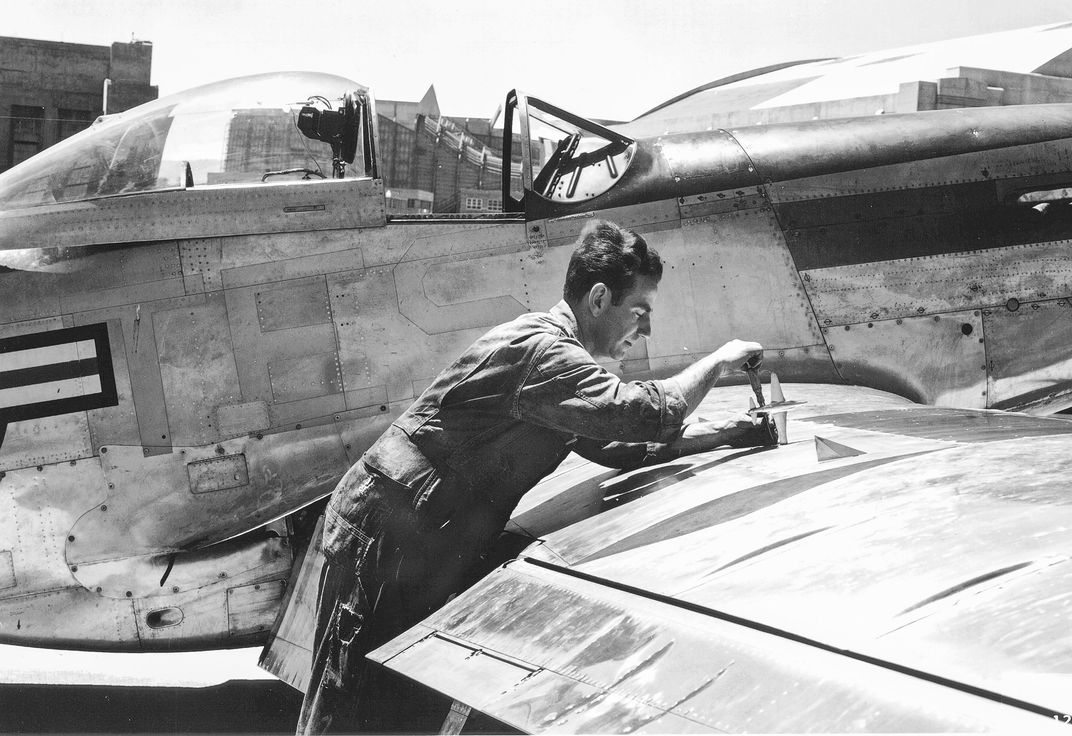
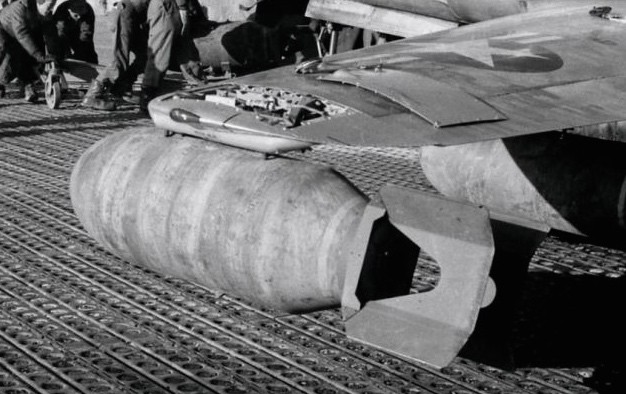
The Lockheed P-80 Shooting Star had two fuel tanks that were placed on its two wings whilst another one; a self-sealing fuselage tank. These two fuel tanks had the capacity of 757 liters to 1079 liters.
Engine:-
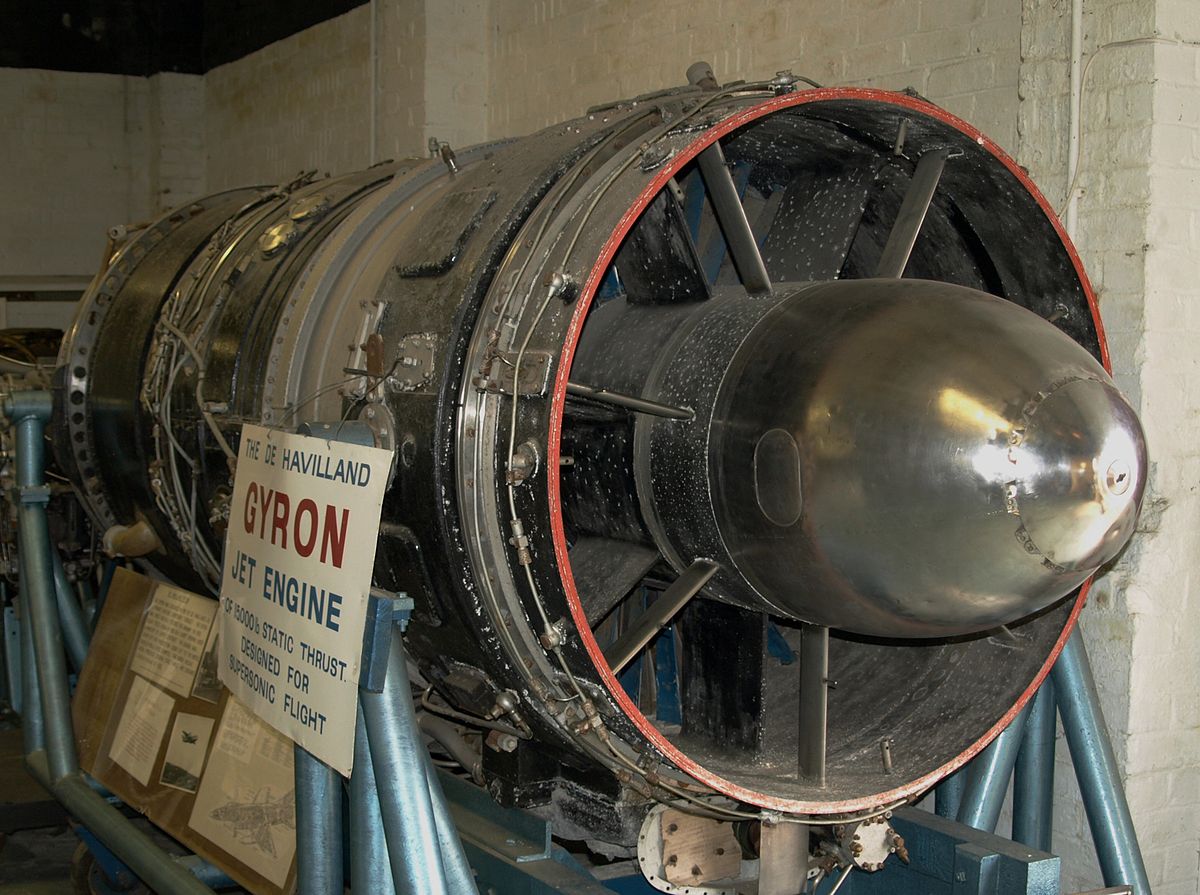
The Lockheed P-80 Shooting Star is a single Turbojet powered aircraft. The first prototype of the Lockheed P-80 Shooting Star; XP-80 was equipped with a Halford H.B. turbojet that had a thrust power of 2406 lbs or 1116 kg.
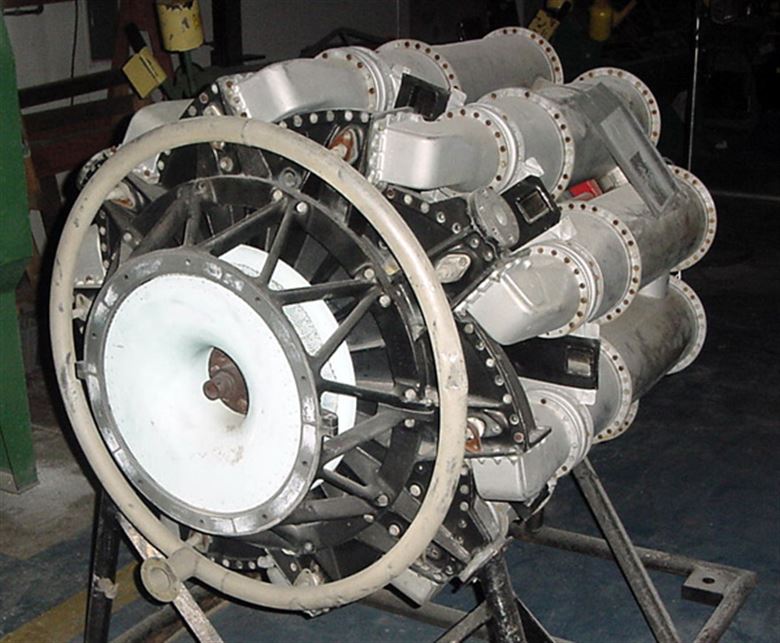
The second prototype of the Lockheed P-80 Shooting Star; XP-80A was later equipped with a General Electric I-40 turbojet engine that was able to produce a thrust power of 3850 lbs or 1746 kg.
All the later models of the Lockheed P-80 Shooting Stars were equipped with either General Electric J-33-GE-11s or Allison J-33-A-9s.
Minimum Combat Time in World War II:-
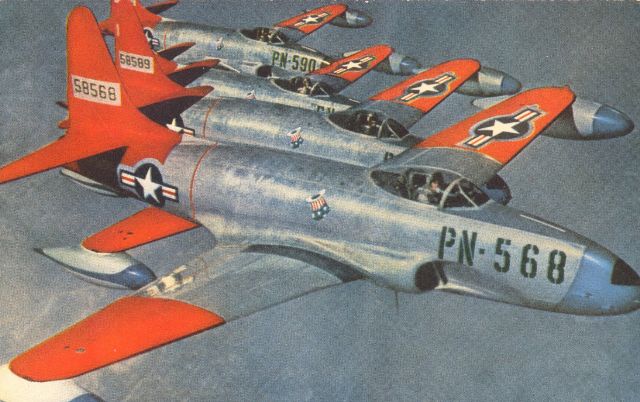
The aircraft was solely built for taking part in World War II as an aerial superiority aircraft. However, by the time when it entered the service, only two models of it were available and those two also saw little combat action in Italy. With the war over, the USAF continued the production of the Lockheed P-80 Shooting Stars but on a reduced level.
A total of 917 Lockheed F-80As and Bs were manufactured.
Broke the speed record:-
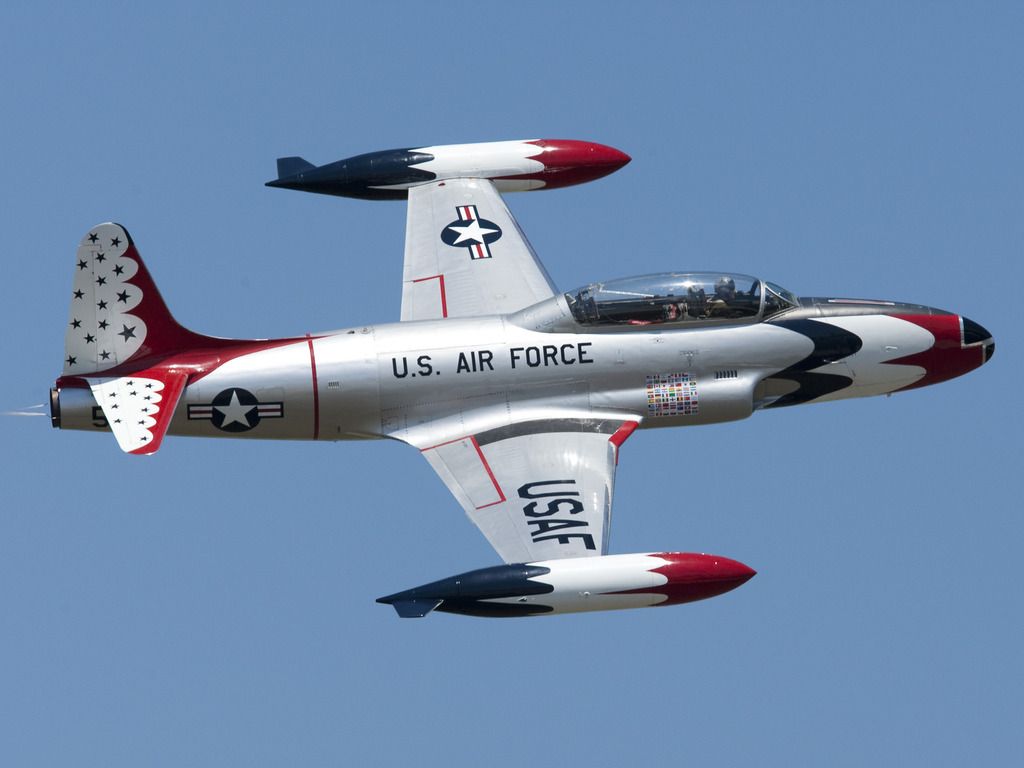
One of the Lockheed P-80 Shooting Star was modified to break the speed record and it delivered the purpose for what it was built for. On June 19th, 1947, it broke the speed record when it flew for 624 mph or 1004 kmph.
First All-Jet Combat:-
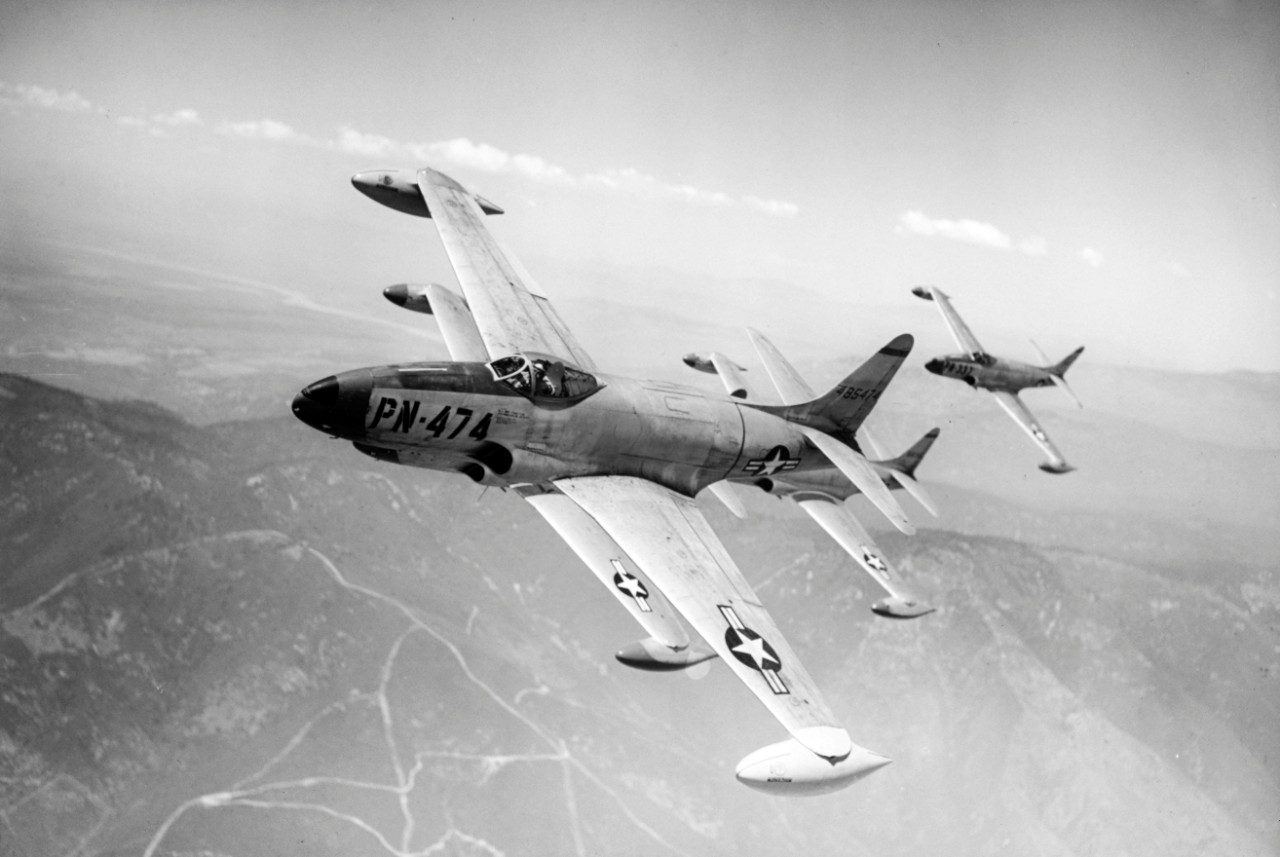
The fastest variant of the Lockheed P-80 Shooting Star was the F-80C. These models served for the USAF extensively during the Korean War. On November 10th, 1950, during the Korean War an F-80C was involved in the world first decisive all-jet combat and won the combat as it shot down a Russian MiG-15 fighter jet.
The reason for this being an amazing fact is because; MiG-15 outclasses F-80C in terms of speed and maneuverability. However, this brilliance was later outshone by the coming of the North American F-86 Sabre.
Final Variant:-
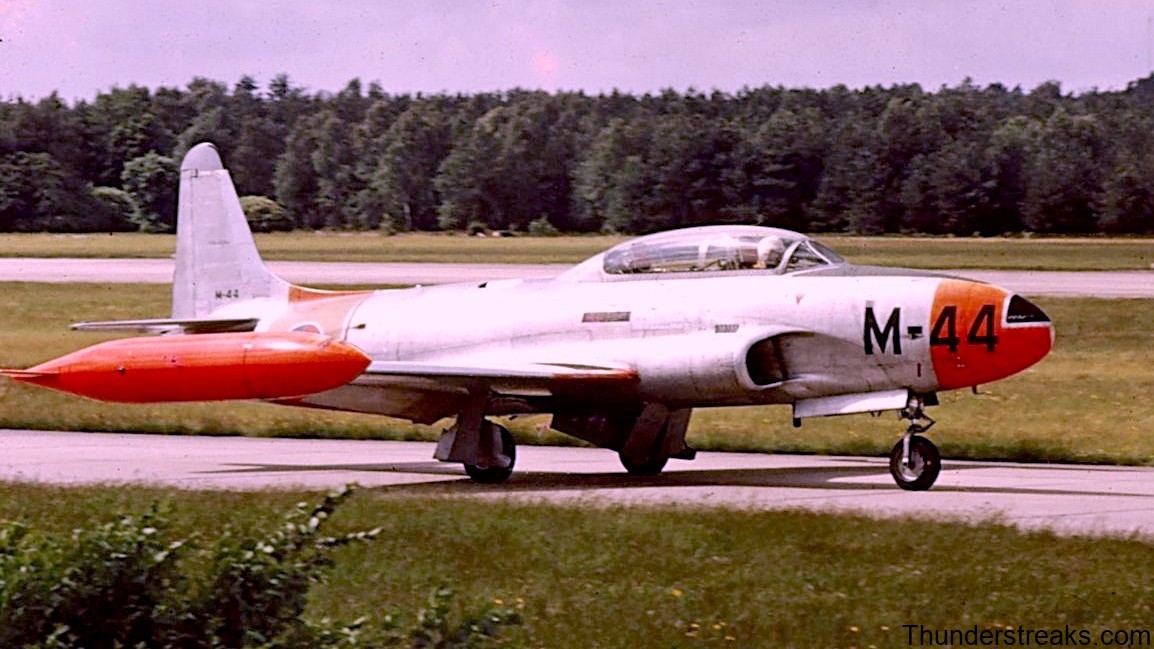
The problem with the design of Lockheed P-80 Shooting Star was that it was a very hot aircraft to handle and many of the aircraft were lost during their normal flight routines instead of serving in the combat. To counter the problem a two-seat variant was manufactured. This final variant of the Lockheed P-80 Shooting Star was designated as T-33 which was a two-seat aircraft that served for the USSAF until the late 90s.
Retirement:-
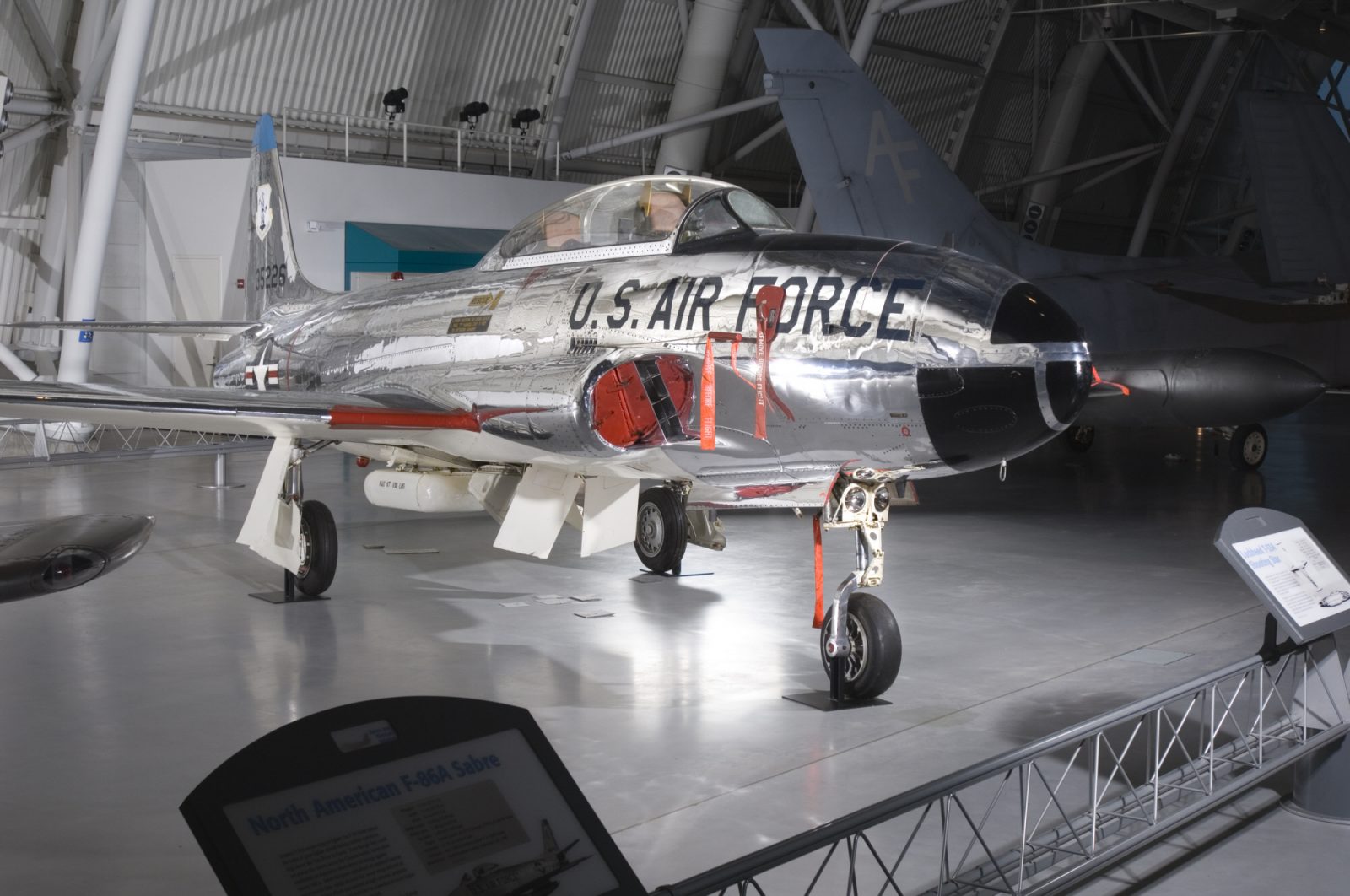
The Lockheed P-80 Shooting Star and all of its variant are now currently retired and are either in museums across America or are in hands of private collectors.
Related Content
