
Close Menu
    What's Hot

    Can a Plane Land on Water? What Ditching Certification Actually Requires

    October 12, 2026

    How Long Does a Pilot Stay Current? The 90 Day Rule and the Flight Review

    October 11, 2026

    What Medical Certificate Do Pilots Actually Need? Class 1, 2, 3 and BasicMed

    October 9, 2026
    X (Twitter) Pinterest YouTube TikTok Facebook Instagram
    Crew DailyCrew Daily
    Subscribe
    • Home
    • Aircraft & Technology
    • Cockpit & Operations
    • News
      • Aviation Updates
    • Pilot Careers
    • Flight Training
    Crew DailyCrew Daily
    Home » F-14 Tomcat: Facts About the Navy’s Swing Wing Fighter
    Cockpit & Operations

    F-14 Tomcat: Facts About the Navy’s Swing Wing Fighter

    Crew DailyBy Crew DailyJanuary 7, 2019Updated:September 27, 2026No Comments4 Mins Read
    Facebook Twitter Pinterest LinkedIn Tumblr Email
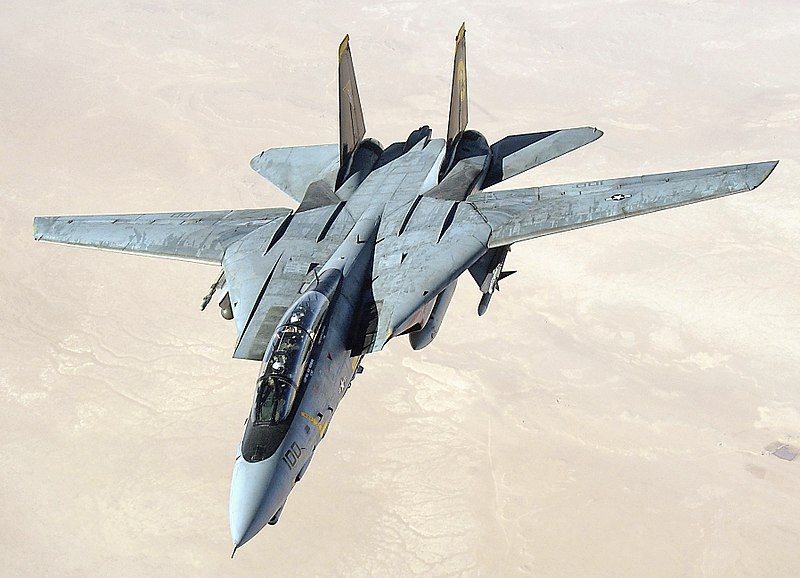
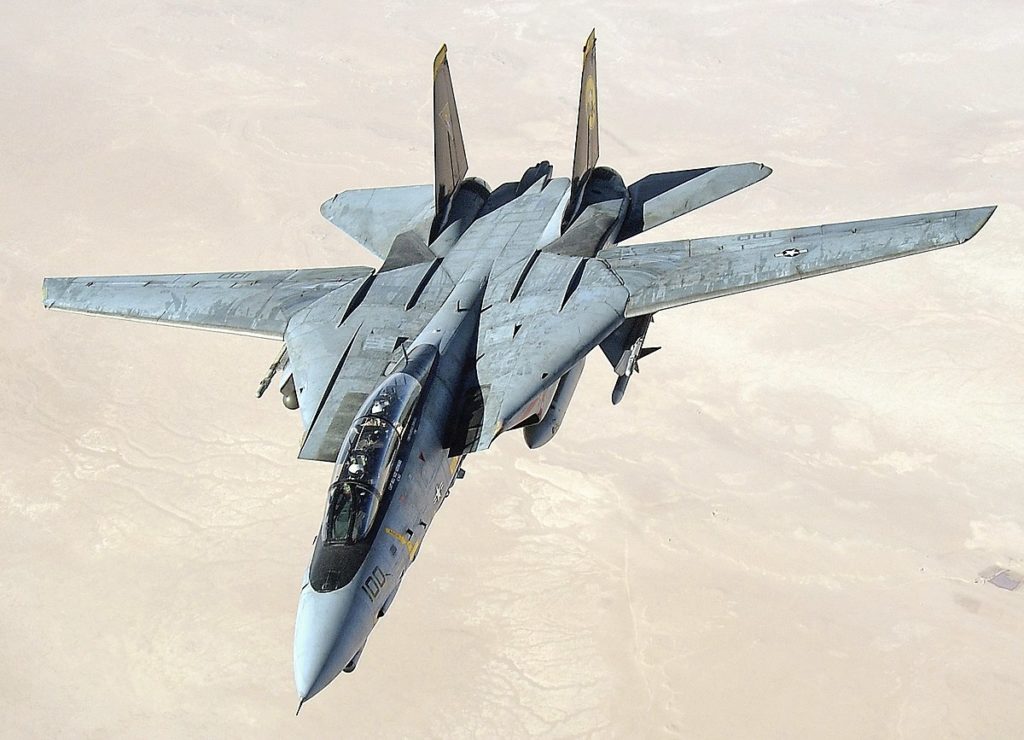
    800px US Navy 051105 F 5480T 005 An F 14D Tomcat conducts a mission over the Persian Gulf region | Crewdaily
    Share
    Facebook Twitter LinkedIn Pinterest Email

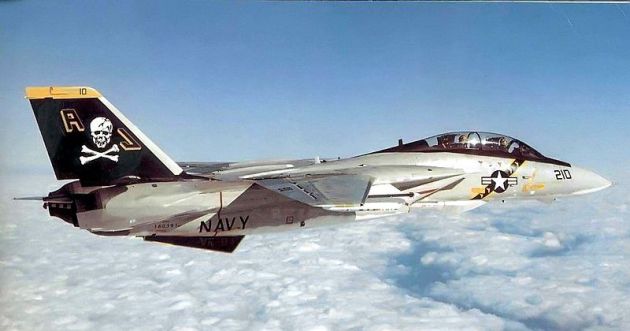
    A Grumman F-14 Tomcat in flight with wings swept forward

    The Grumman F-14 Tomcat is one of those aircraft people recognise even if they have never followed military aviation. Twin tails, two crew, and wings that visibly change shape in flight. It was built for the US Navy’s Naval Fighter Experimental programme, known as VFX, and it went on to define carrier air defence for more than thirty years.
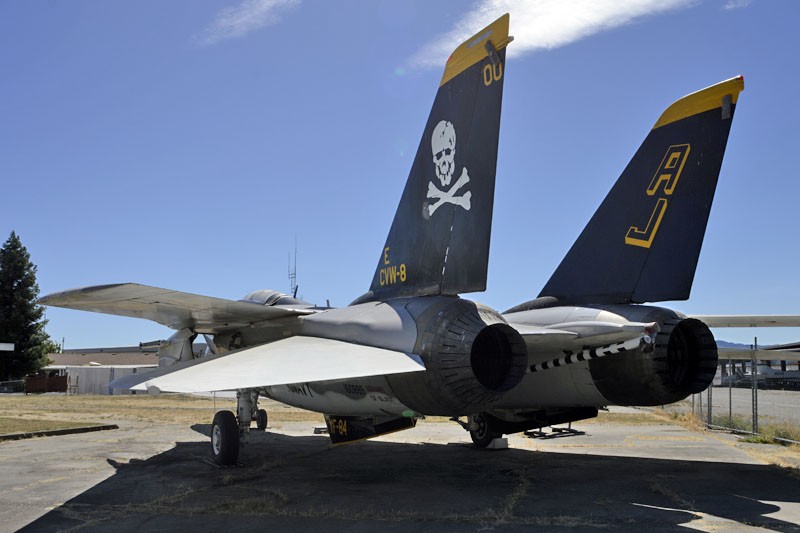
    An F-14 Tomcat on a carrier deck with wings swept back

    The Tomcat belonged to the group of American fighters designed after the Vietnam War, once the Navy and Air Force had studied how their aircraft actually fared against MiGs rather than how they were supposed to. The lesson was that a fighter needed to see further, shoot further and turn better. The F-14 answered the first two emphatically.

    Table of Contents

    Toggle
    • The dates that matter
    • The Phoenix missile, and the shot that rarely happened
    • Big, and heavy, for a carrier aircraft
    • Precision strike came later
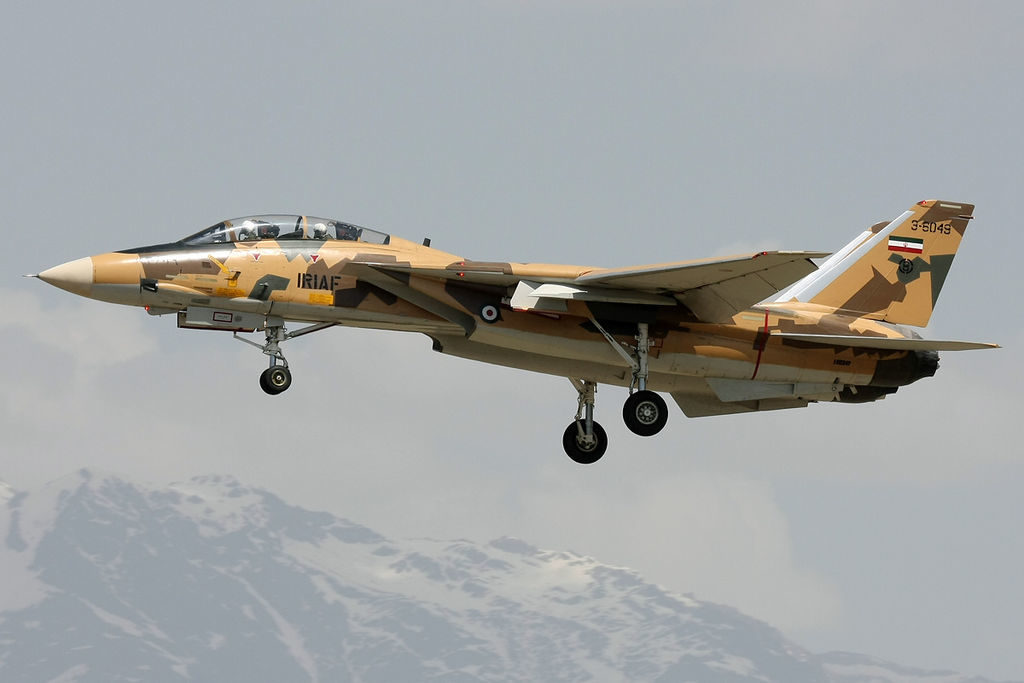
    • The Iranian Tomcats
    • Why it is still remembered
      • Like this:

    The dates that matter

    An early F-14 Tomcat prototype during a test flight

    First flight was 21 December 1970. It entered US Navy service on 22 September 1974, replacing the McDonnell Douglas F-4 Phantom II, and it was retired from the fleet on 22 September 2006, thirty two years to the day after it arrived.

    Across that career it covered three distinct jobs: maritime air superiority, fleet defence interception, and tactical aerial reconnaissance.

    The Phoenix missile, and the shot that rarely happened
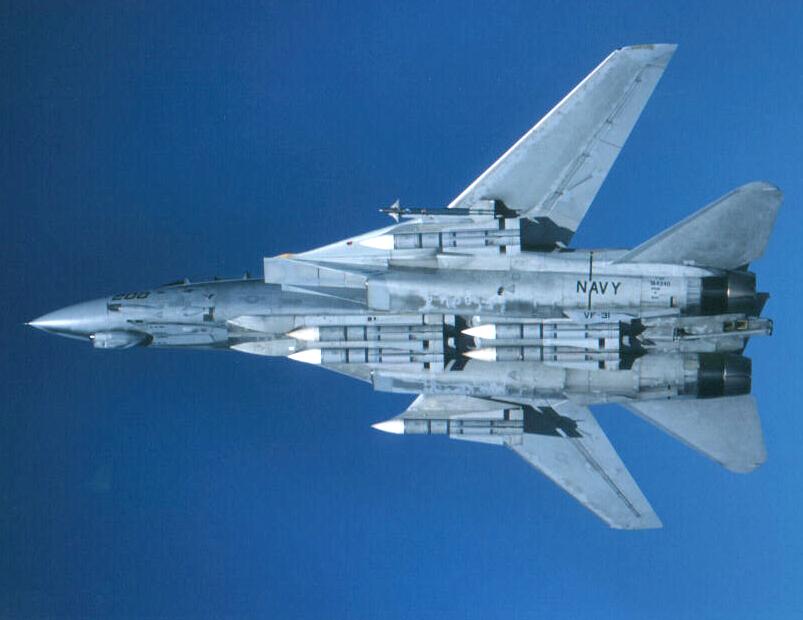
    An F-14 Tomcat carrying air to air missiles under the fuselage

    The Tomcat was built around the AIM-54 Phoenix, a long range air to air missile no other American fighter carried. Paired with the AWG-9 radar, it let a single F-14 track multiple targets far beyond visual range and engage them from distances nothing else could reach at the time.

    On paper the aircraft could carry six Phoenix missiles at once. In practice that full load was never used operationally. The missiles were heavy and expensive, and coming back aboard a carrier with six of them still attached was its own problem. A typical load mixed a couple of Phoenix with Sparrows and Sidewinders.

    Big, and heavy, for a carrier aircraft
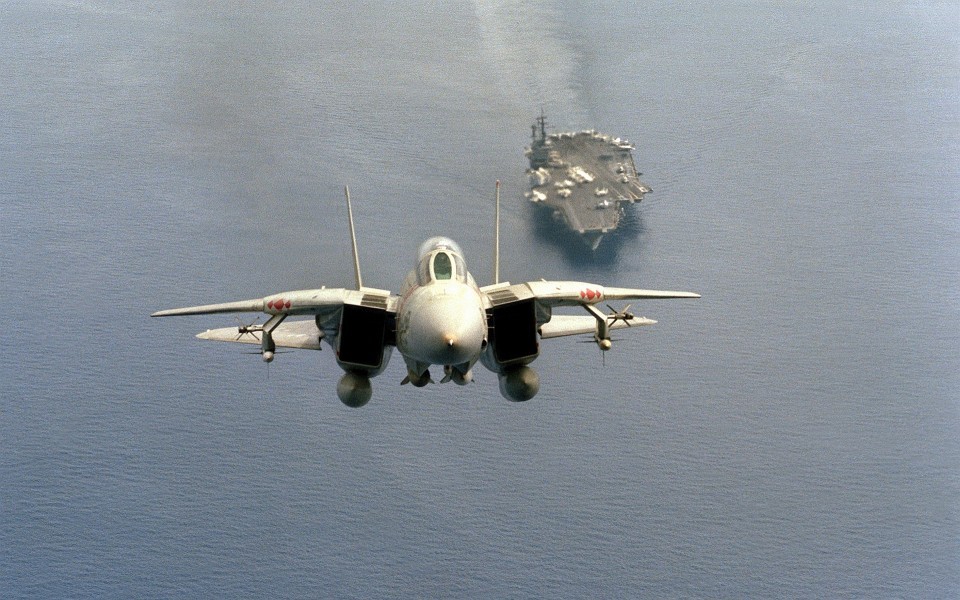
    An F-14 Tomcat being launched from an aircraft carrier catapult

    Empty, an F-14 weighs roughly 43,000 pounds. Loaded with fuel and weapons it is far heavier again, and at the time it was the largest and heaviest fighter routinely operating from American carriers.

    That size is why the swing wing mattered. Wings forward gave the lift needed to get aboard a moving deck at a survivable speed. Wings swept back let the same aircraft run fast and clean. One airframe, two very different sets of requirements.

    Precision strike came later
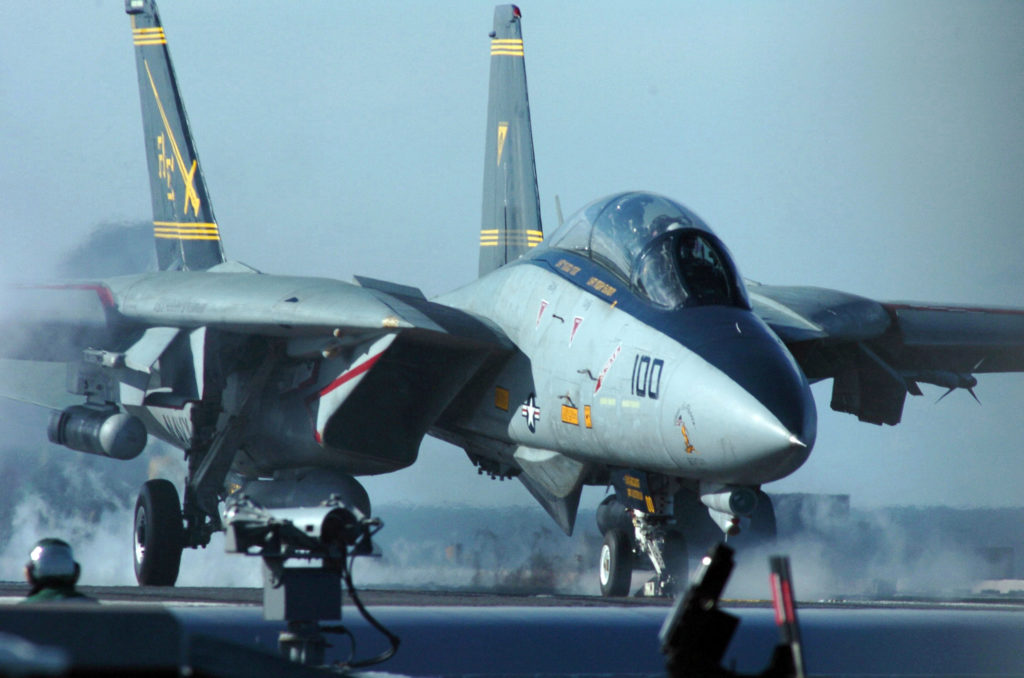
    An F-14 Tomcat fitted with an underwing targeting pod

    The Tomcat was designed to shoot down other aircraft, not to bomb. That changed in the 1990s when the LANTIRN targeting pod was fitted, giving the F-14 low altitude navigation and infrared targeting for night precision strike. Crews started calling it the Bombcat, and in its final years it did more air to ground work than air to air.

    The Iranian Tomcats
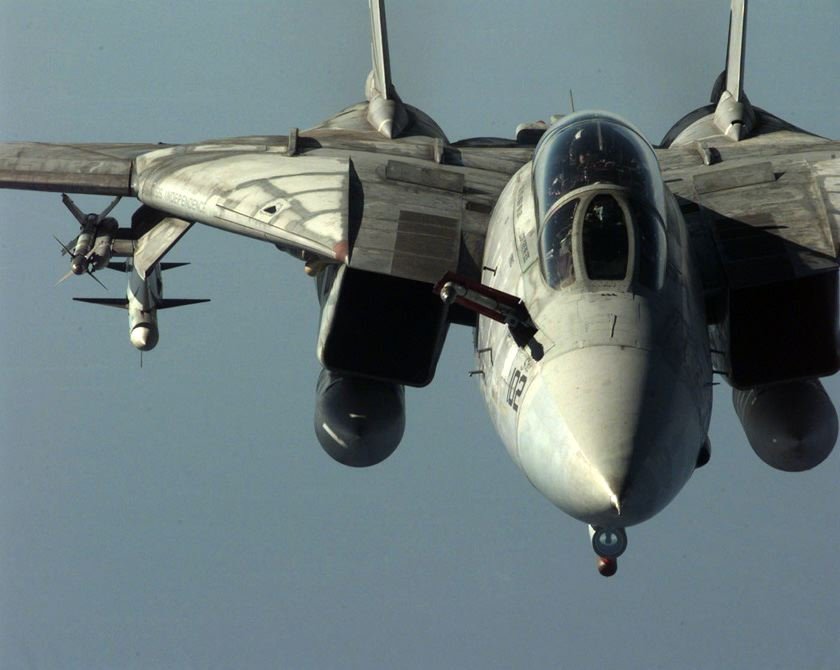
    An F-14 Tomcat parked on a flight line

    Iran is the only other country that ever operated the F-14. The aircraft were sold in 1976, before the revolution, and Iranian Tomcats flew as land based interceptors throughout the Iran and Iraq war.

    The claims from that conflict need care. Iran says its F-14s shot down at least 160 Iraqi aircraft. Independent confirmation exists for around 55 of those. Iranian losses run to about 16 Tomcats, roughly seven of them to accidents rather than combat.

    What is not in dispute is that the fleet kept flying at all. Keeping a complex American fighter serviceable for decades without American spares is a genuine feat of improvisation, and Iranian F-14s remained in use long after the US Navy retired its own.

    Why it is still remembered
    An F-14 Tomcat flying over open sea

    Plenty of aircraft were faster and some turned better. The Tomcat is remembered because it looked like nothing else and because it could reach out further than anything else flying from a deck. Thirty years of carrier aviation were built around that reach.

    For how it compares with what replaced it and what came after, see our look at the top fighter jets in the world.

    Like this:

    Like Loading…
    Share. Facebook Twitter Pinterest LinkedIn Tumblr Email
    Crew Daily
    • Website

    Related Posts

    Can a Plane Land on Water? What Ditching Certification Actually Requires

    October 12, 2026

    The Alcohol and Drug Rules Pilots Actually Fly Under

    October 5, 2026

    How Long Can a Pilot Actually Fly? The Real Numbers

    October 4, 2026
    Our Picks

    Can a Plane Land on Water? What Ditching Certification Actually Requires

    October 12, 2026

    The Alcohol and Drug Rules Pilots Actually Fly Under

    October 5, 2026

    How Long Can a Pilot Actually Fly? The Real Numbers

    October 4, 2026

    When Do Pilots Have to Retire? The Age 65 Rule, Exactly

    October 2, 2026
    Stay In Touch
    • Facebook
    • Twitter
    • Pinterest
    • Instagram
    • YouTube
    • Vimeo
    Don't Miss

    Can a Plane Land on Water? What Ditching Certification Actually Requires

    Cockpit & Operations October 12, 2026

    Not every airliner is certified to land on water. The regulation that covers it opens…

    Like this:

    Like Loading…

    How Long Does a Pilot Stay Current? The 90 Day Rule and the Flight Review

    October 11, 2026

    What Medical Certificate Do Pilots Actually Need? Class 1, 2, 3 and BasicMed

    October 9, 2026

    The Alcohol and Drug Rules Pilots Actually Fly Under

    October 5, 2026

    Crew Daily publishes aviation news, aircraft guides, cockpit insights and pilot career information for aviation professionals and enthusiasts.\n\nEmail Us: [email protected]

    Navigation
    • About us
    • Contact Us
    • Privacy Policy
    • Terms and Conditions
    • DCMA
    Our Picks

    Can a Plane Land on Water? What Ditching Certification Actually Requires

    October 12, 2026

    How Long Does a Pilot Stay Current? The 90 Day Rule and the Flight Review

    October 11, 2026

    What Medical Certificate Do Pilots Actually Need? Class 1, 2, 3 and BasicMed

    October 9, 2026
    X (Twitter) Pinterest YouTube TikTok Facebook Instagram
    © 2026 Crewdaily.com.

    Type above and press Enter to search. Press Esc to cancel.

    %d