


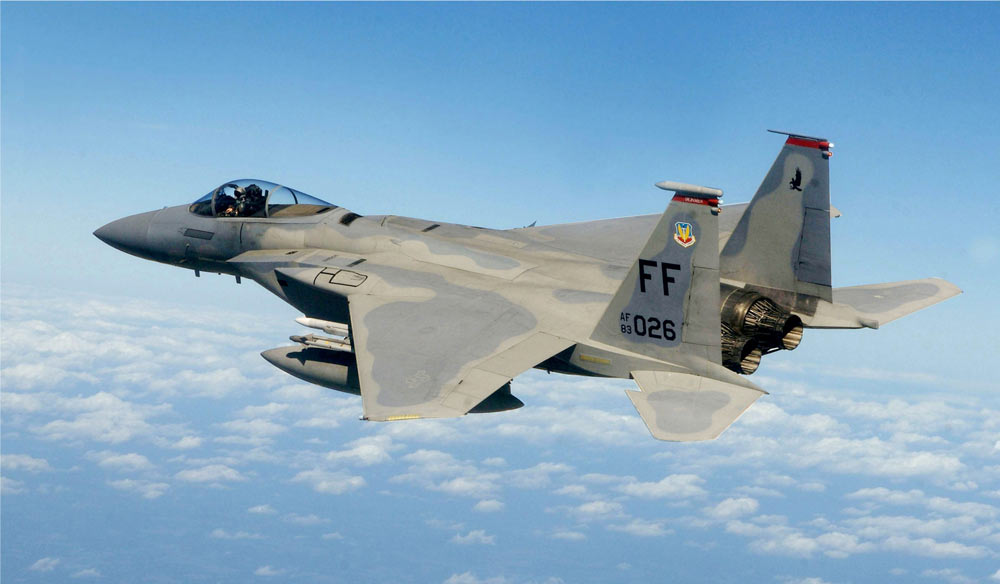
The McDonnell Douglas F-15 Eagle is a twin engine, all weather American fighter built for one purpose: to win air to air combat and keep winning it. More than fifty years after its first flight it is still doing that job, and its combat record is the reason it gets talked about the way it does.
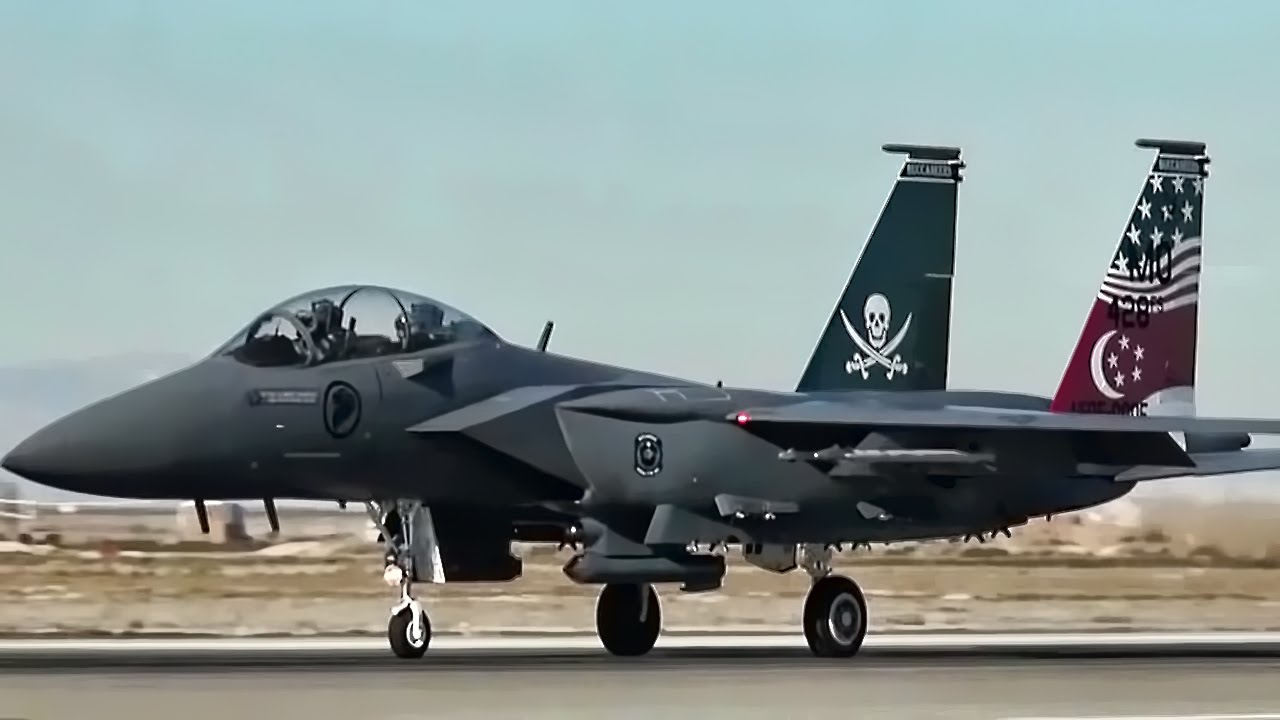
The Eagle has been credited with more than 100 air to air victories and no losses in air to air combat. A large share of those kills belong to the Israeli Air Force rather than the US Air Force. No other modern fighter has a record like it.
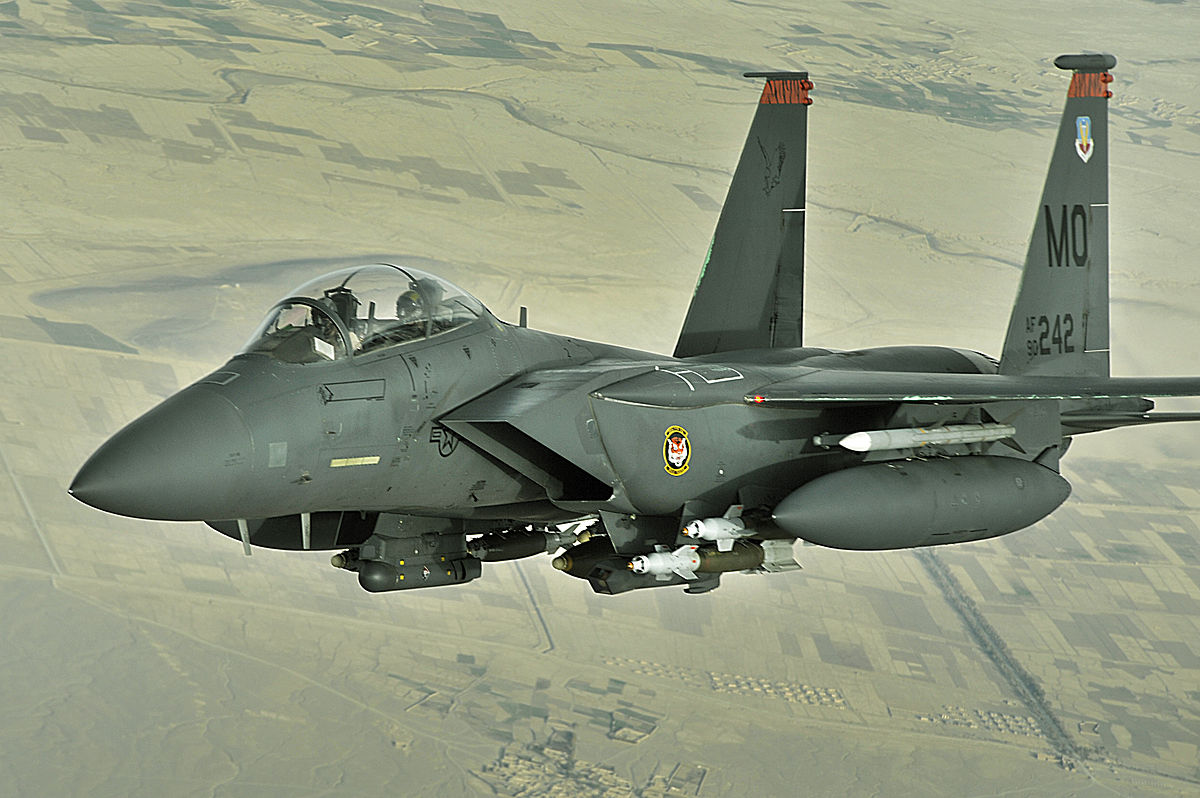
Export customers include Israel, Saudi Arabia and Japan. The design was later adapted for ground attack as the F-15E Strike Eagle, which entered US service in 1989, and the line has never really stopped: the F-15EX is being delivered to the US Air Force today.
First flight
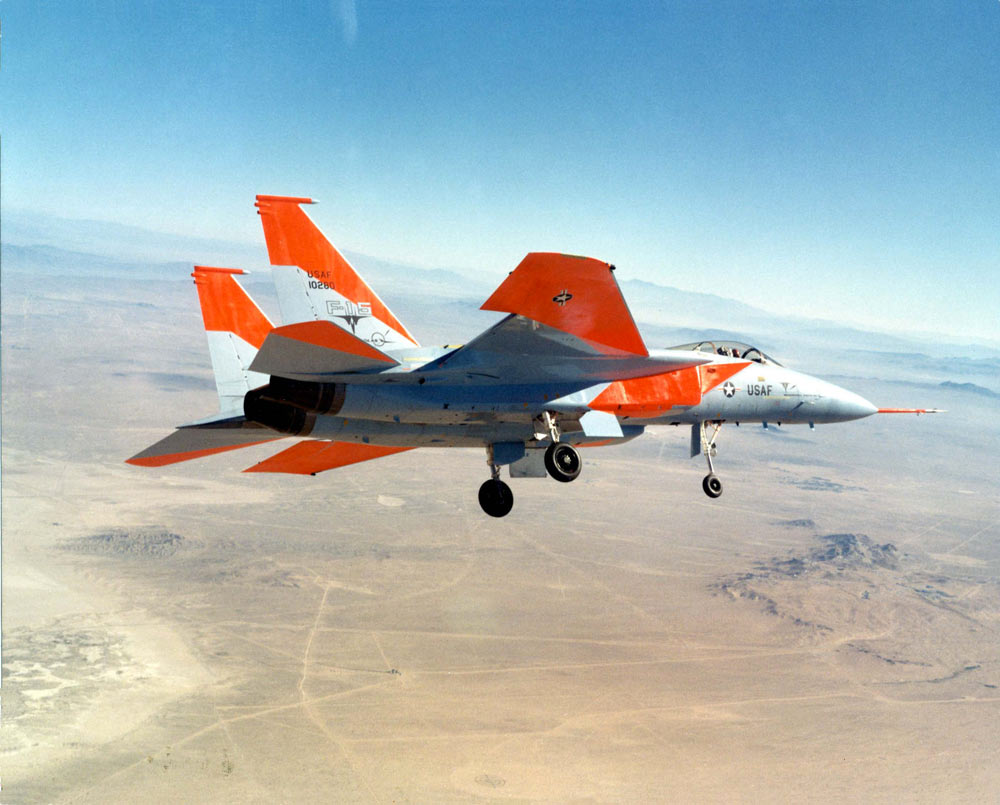
The F-15 first flew on 27 July 1972.
It exists because of a misread of the MiG-25
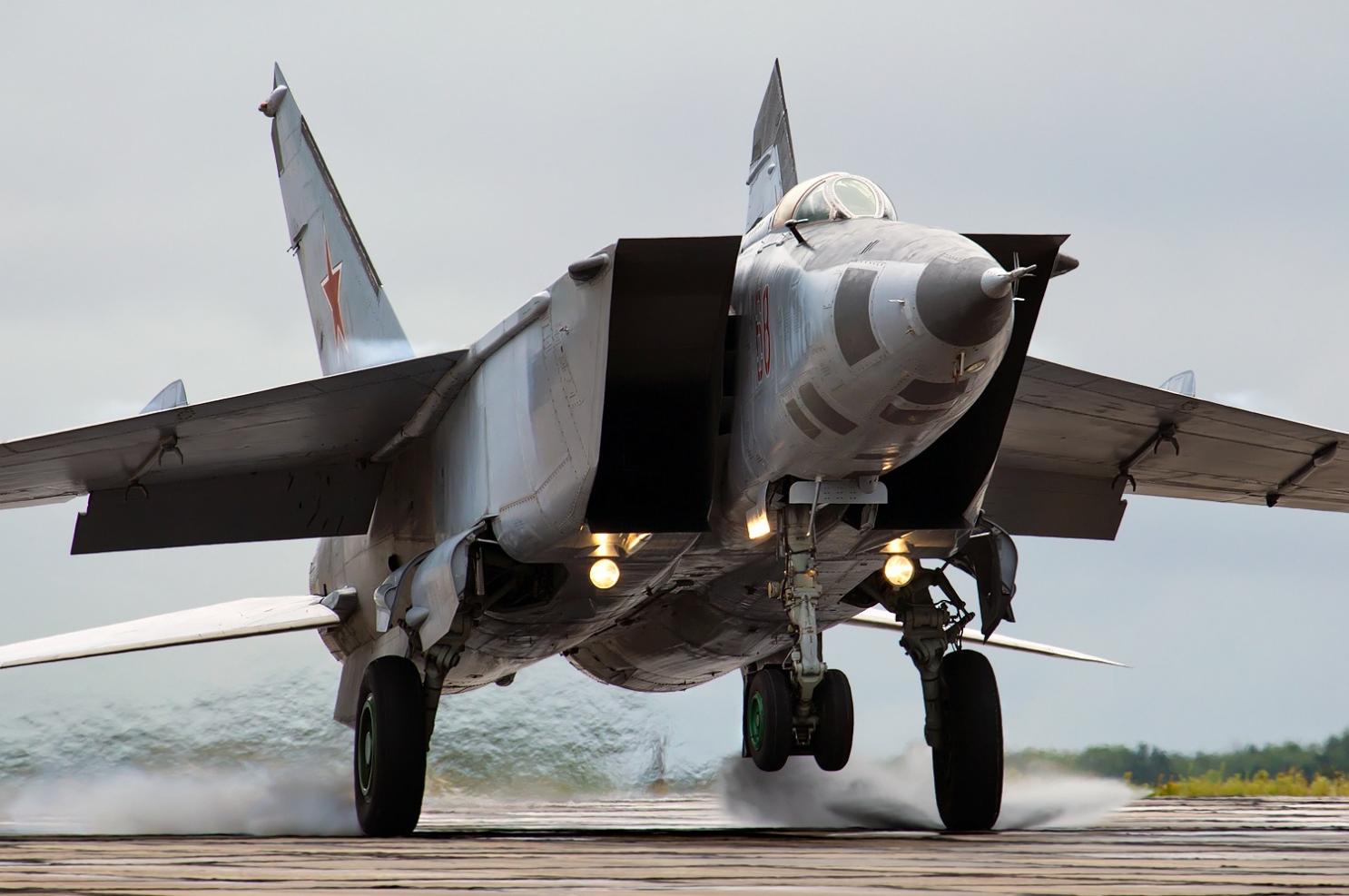
In the late 1960s American intelligence got a look at the Soviet MiG-25 Foxbat: huge wings, two enormous engines, startling speed. The conclusion drawn was that the Soviets had built a superb manoeuvring fighter that would outclass anything the United States had.

That conclusion was wrong. The MiG-25 was a fast, straight line interceptor built around speed and altitude, and it manoeuvred poorly. But the alarm had already been raised, and the response was the F-15. An aircraft that has dominated air combat for fifty years exists partly because of a threat assessment that missed.
Energy Manoeuvrability, and a group that did not much like the result
John Boyd’s Energy Manoeuvrability Theory, which described a fighter’s performance in terms of how it trades speed for altitude and turn, shaped the thinking behind the F-15’s requirements. It is a genuinely important piece of the story.
What is often garbled is what happened next. Boyd and the loose group of officers and analysts known as the Fighter Mafia came to regard the F-15 as too large, too complex and too expensive, and pushed instead for a small cheap fighter. That campaign produced the F-16. So the Fighter Mafia influenced the F-15 and then argued against it, rather than designing it.
A big nose, for a good reason
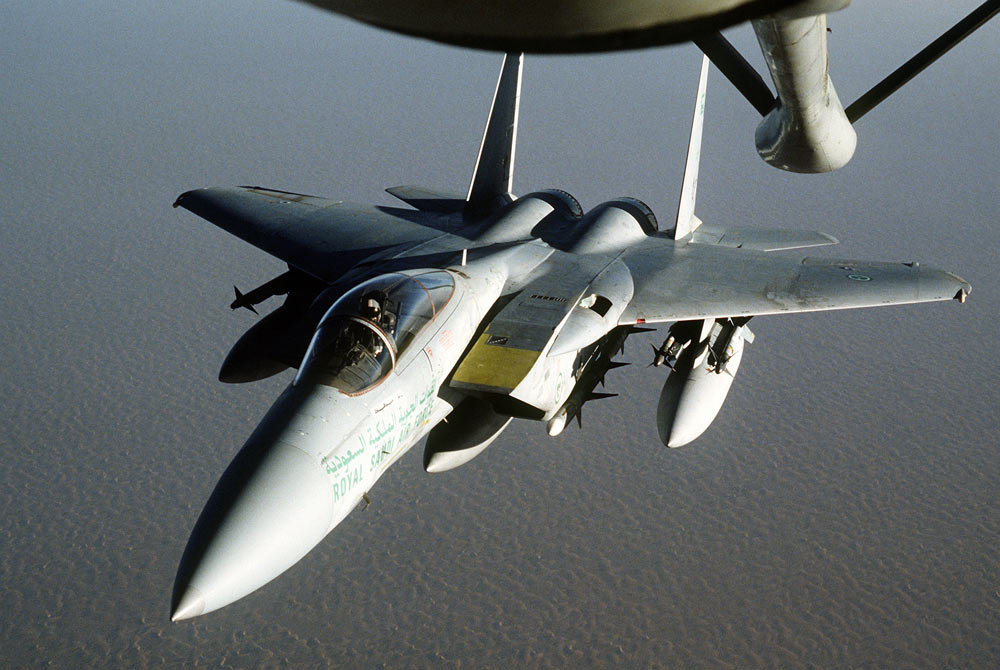
The F-15’s nose is noticeably large for its class, and that volume exists to house a big radar antenna. A larger antenna sees further, and seeing the other aircraft first is most of what wins a beyond visual range engagement.
Export variants such as the Israeli F-15I and Saudi F-15S have historically carried downgraded radar modes, with reduced performance in Doppler beam sharpening, mapping and synthetic aperture radar compared with US aircraft. Capability released to export customers is a political decision as much as a technical one.
Engines
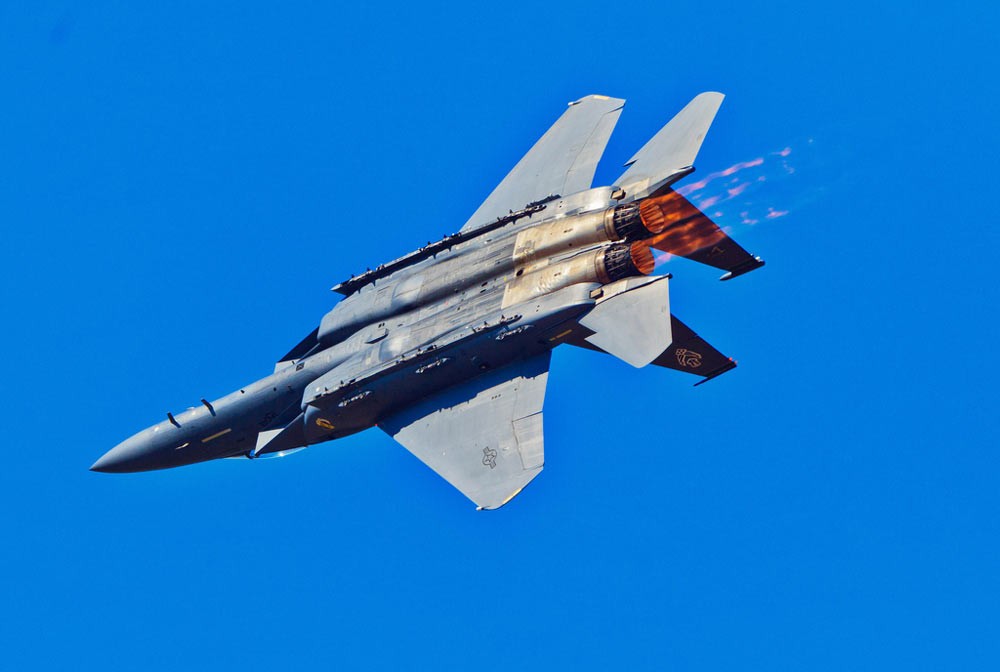
Later Eagles use two Pratt and Whitney F100-PW-229 engines producing a combined thrust around 58,000 pounds. That gives a thrust to weight ratio close to one, which is why an F-15 can accelerate while climbing vertically.
Streak Eagle, and eight climb records
Worth separating two names that often get mixed up. Strike Eagle is the F-15E ground attack variant. Streak Eagle was a single stripped down F-15A used for record attempts, with paint and unnecessary equipment removed to save weight.
Between 16 January and 1 February 1975, Streak Eagle broke eight time to climb records. In one of them it reached 98,425 feet in 3 minutes 27.8 seconds from brake release, then coasted to roughly 103,000 feet before coming back down.
The Eagle that landed with one wing
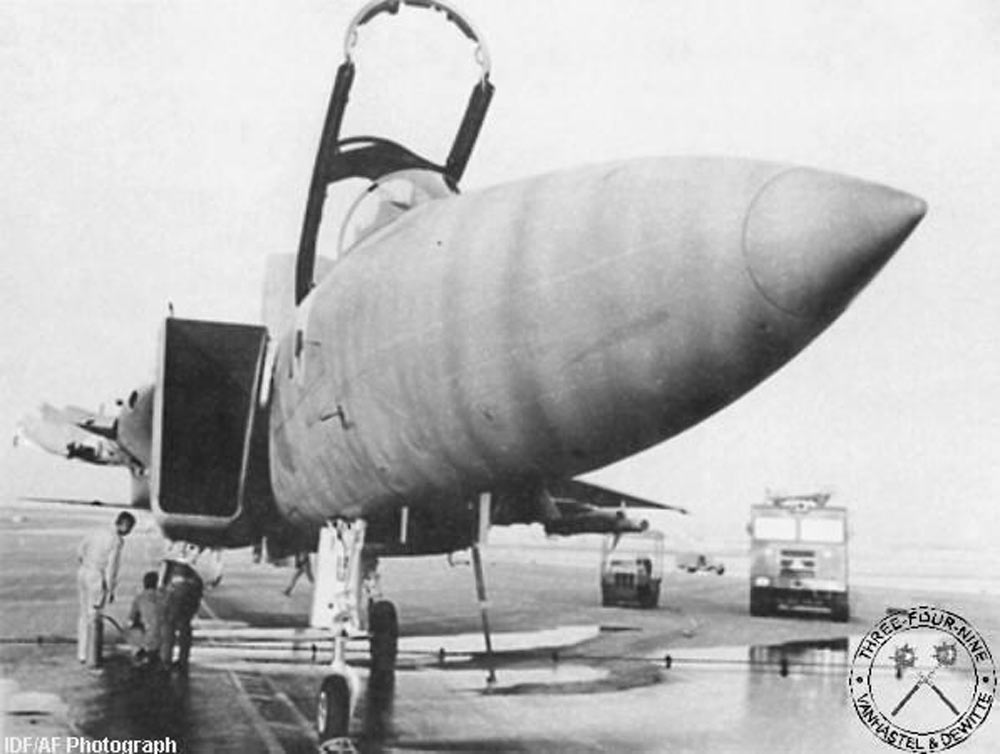
In 1983 an Israeli Air Force F-15D collided with an A-4 Skyhawk during a training exercise and lost most of its right wing. Pilot Zivi Nedivi could not see the damage from the cockpit and, with fuel streaming out, decided to try for a landing rather than eject.
He landed it. The approach was flown at roughly twice normal speed to generate enough lift from the fuselage and remaining wing, and the arrestor hook tore away on touchdown. The aircraft flew again after repair. The reason it worked is that the F-15’s broad fuselage generates a useful amount of lift by itself, which the designers knew but had never expected to be tested like that.
The fighter that shot down a satellite
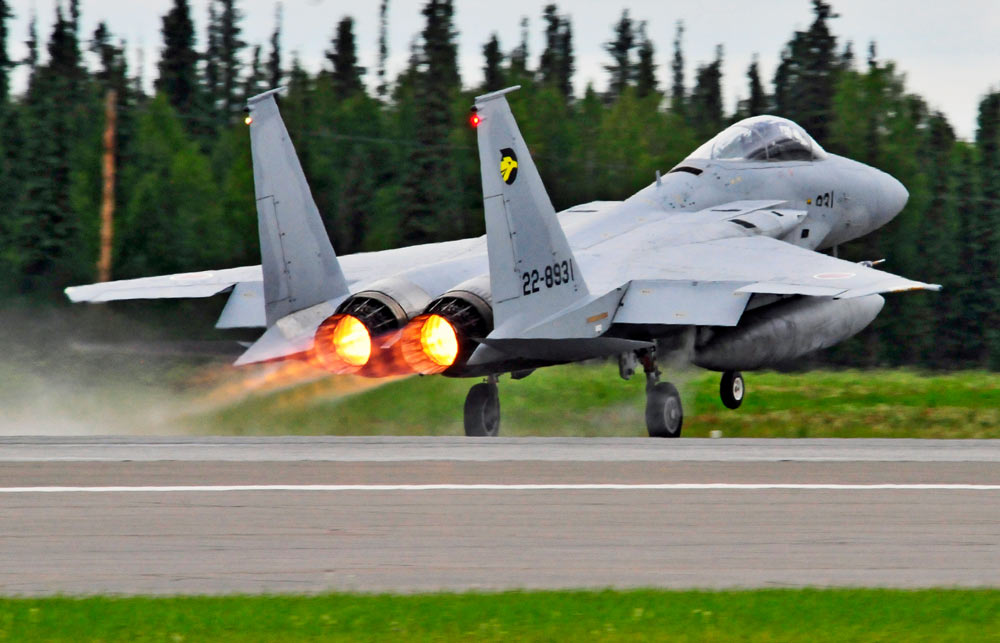
In September 1985 an F-15A carried an ASM-135 anti satellite missile to high altitude, pitched into a steep climb and launched it. The missile destroyed an orbiting American satellite. It remains the only time a fighter aircraft has shot down a satellite.
Still in production
Fifty years on, new build Eagles are still being delivered. Few aircraft designs justify that kind of longevity, and fewer still do it while holding an unbeaten combat record.
For how it sits against current fighters, see the top fighter jets in the world.
