


The Chengdu J-10 is a single engine, multirole fighter built by the Chengdu Aircraft Corporation for the People’s Liberation Army Air Force. China calls it Vigorous Dragon. NATO calls it Firebird. For years it was the aircraft Western analysts argued about without much hard evidence, and then in 2025 it went to war and the argument changed.
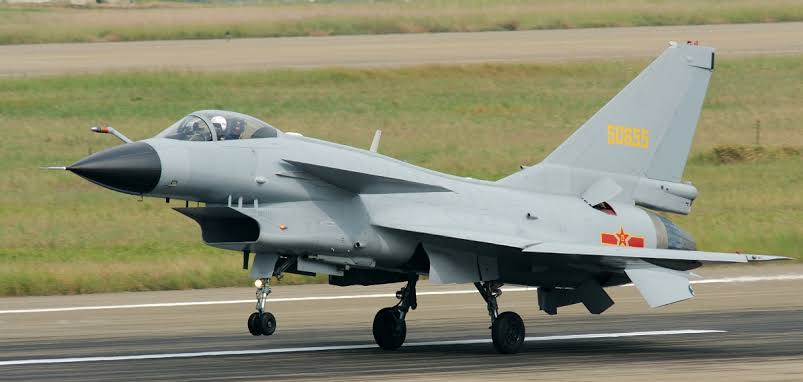
Where it came from
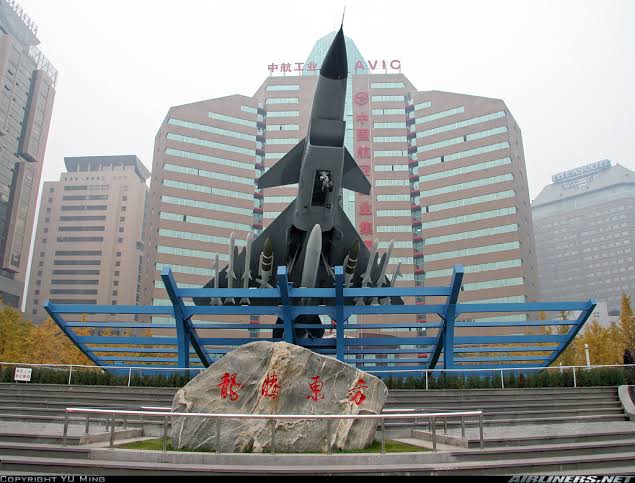
The programme began formally in 1986 as Project 8610, with a straightforward brief: give China a fighter comparable to the fourth generation aircraft Russia and the United States were already flying. It took a long time. The design went through repeated revisions, and roughly eighteen years passed between the programme starting and the aircraft reaching squadrons.
There has long been discussion about how much the cancelled Israeli Lavi programme influenced the design. The delta wing and canard layout invites the comparison. China has never accepted the characterisation, and the full story is still not public.
First flight
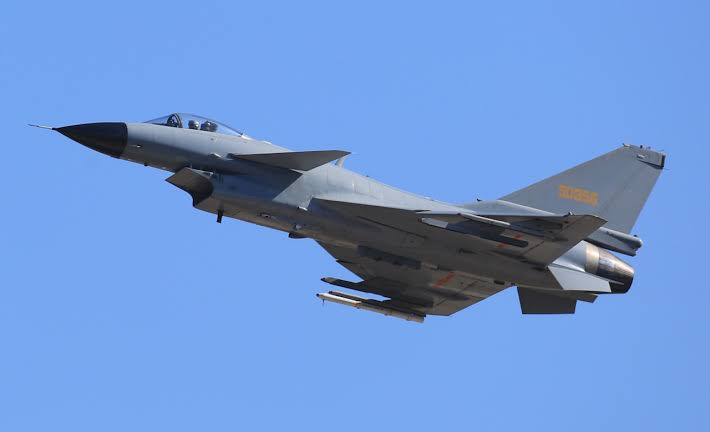
The J-10 first flew on 23 March 1998, with Lei Qiang at the controls. He was picked for the job because he had experience on modern foreign third generation types, which mattered for an aircraft this different from anything China had flown before.
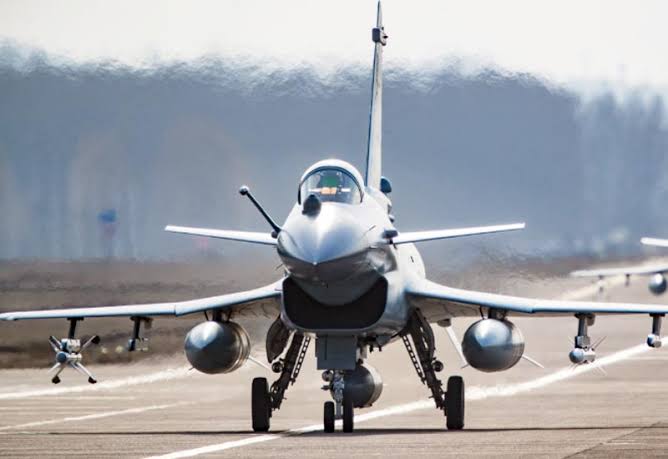
Deliveries to the PLAAF began around 2004 after testing the year before, but China did not publicly acknowledge the aircraft until 2005. Two decades of development had happened largely behind a closed door.
How many exist, and who flies them
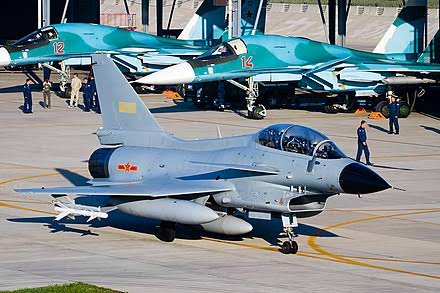
More than 600 had been built as of 2024, which makes it one of the most numerous fourth generation fighters anywhere. The line has run through several variants: the original J-10A, the J-10B, the current J-10C, the two seat J-10S trainer, and the J-10CE built for export.
Three air forces operate it. China is much the largest user. Pakistan flies the J-10CE, and Uzbekistan has also taken the type.
Engines, and the long move to a Chinese one
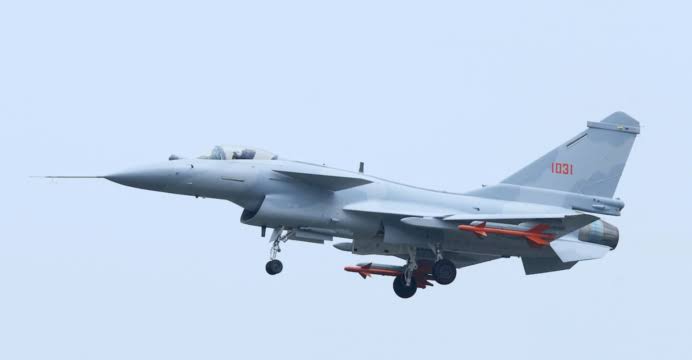
The J-10 flew for years on the Russian Salyut AL-31FN turbofan, and engine dependence was one of the programme’s real weaknesses. China’s own Shenyang WS-10 line eventually caught up, and WS-10B powered aircraft were in service by November 2021.
Performance sits where you would expect for the class. Top speed is around Mach 2, service ceiling near 60,000 feet, and combat radius extends considerably with external tanks. The aircraft can also take fuel in flight.
It is unstable on purpose
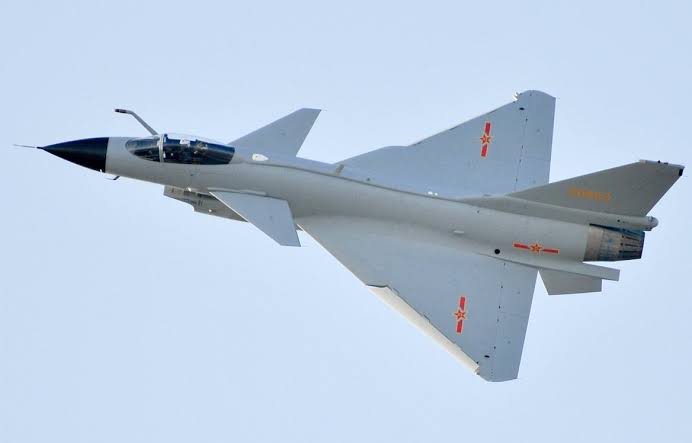
The delta and canard layout makes the J-10 aerodynamically unstable, and that is deliberate rather than a flaw. An unstable airframe changes direction faster than a stable one. The trade is that no human can fly it unaided, so a fly by wire system makes continuous corrections the pilot never sees.
Every modern fighter of this generation works the same way. The computer is not an assistant, it is a requirement.
Weapons
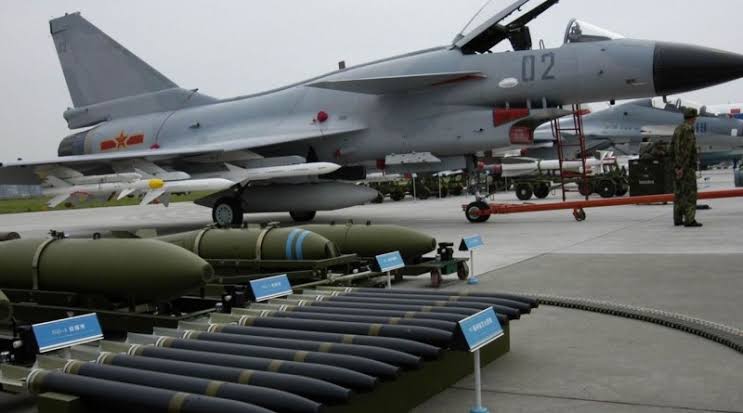
The gun is a Gryazev-Shipunov GSh-23 twin barrel 23 mm cannon, mounted under the port side of the intake. Beyond that the aircraft has eleven hardpoints and carries a reported munitions load of roughly 9,900 pounds.
Air to air weapons run through the PL series. The PL-8 is a short range infrared missile derived from the Israeli Python 3. The PL-12 is the beyond visual range weapon usually compared with the American AIM-120 AMRAAM, and later PL-15 missiles extend that reach considerably.
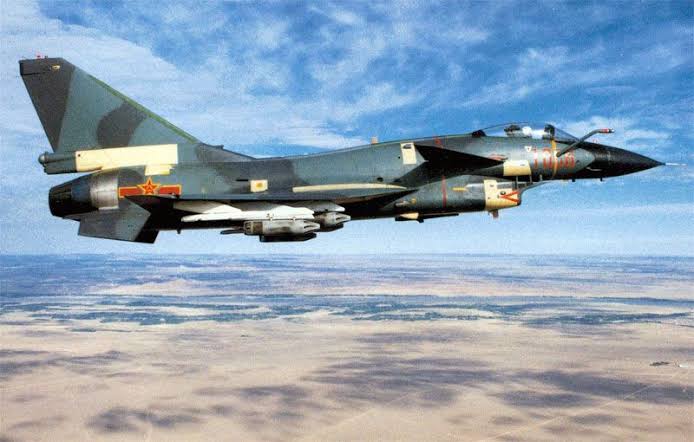
For ground attack it carries laser guided bombs, glide bombs and rocket pods, and it can take three external fuel tanks when range matters more than payload.
May 2025, and why the J-10 suddenly mattered
For most of its life the J-10 had never been tested in combat, which meant every assessment of it was theoretical. That ended in May 2025, when Pakistani J-10CE fighters were used against the Indian Air Force during the conflict between the two countries.
Pakistan claimed five Indian aircraft shot down, including three Rafales. India disputed the account, and independent verification of air to air claims in a short conflict is genuinely difficult, so treat the specific numbers with caution.
What is not in question is the strategic effect. A Chinese built fighter with Chinese missiles was credited with engaging front line Western equipment, and air forces and analysts who had never taken the J-10 entirely seriously started paying attention. Whatever the true tally, the aircraft’s reputation changed in a week.
Where it sits now
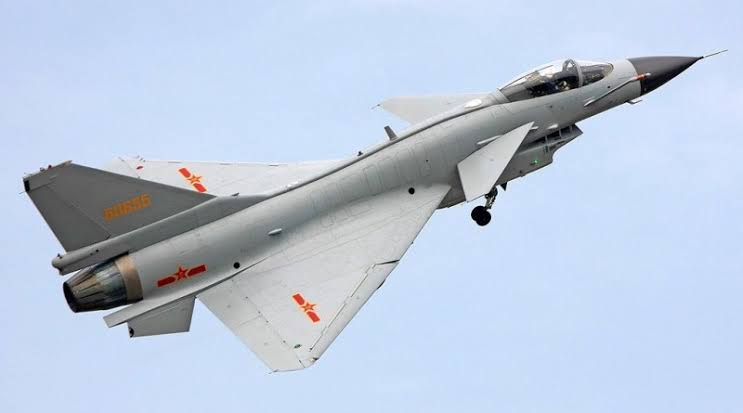
The J-10 is not China’s most advanced fighter. The J-20 holds that position. What the J-10 offers is numbers, a mature airframe, an increasingly Chinese supply chain and, since 2025, combat experience its rivals in the export market mostly lack.
For how it stacks up against other current fighters, see the top fighter jets in the world.
