


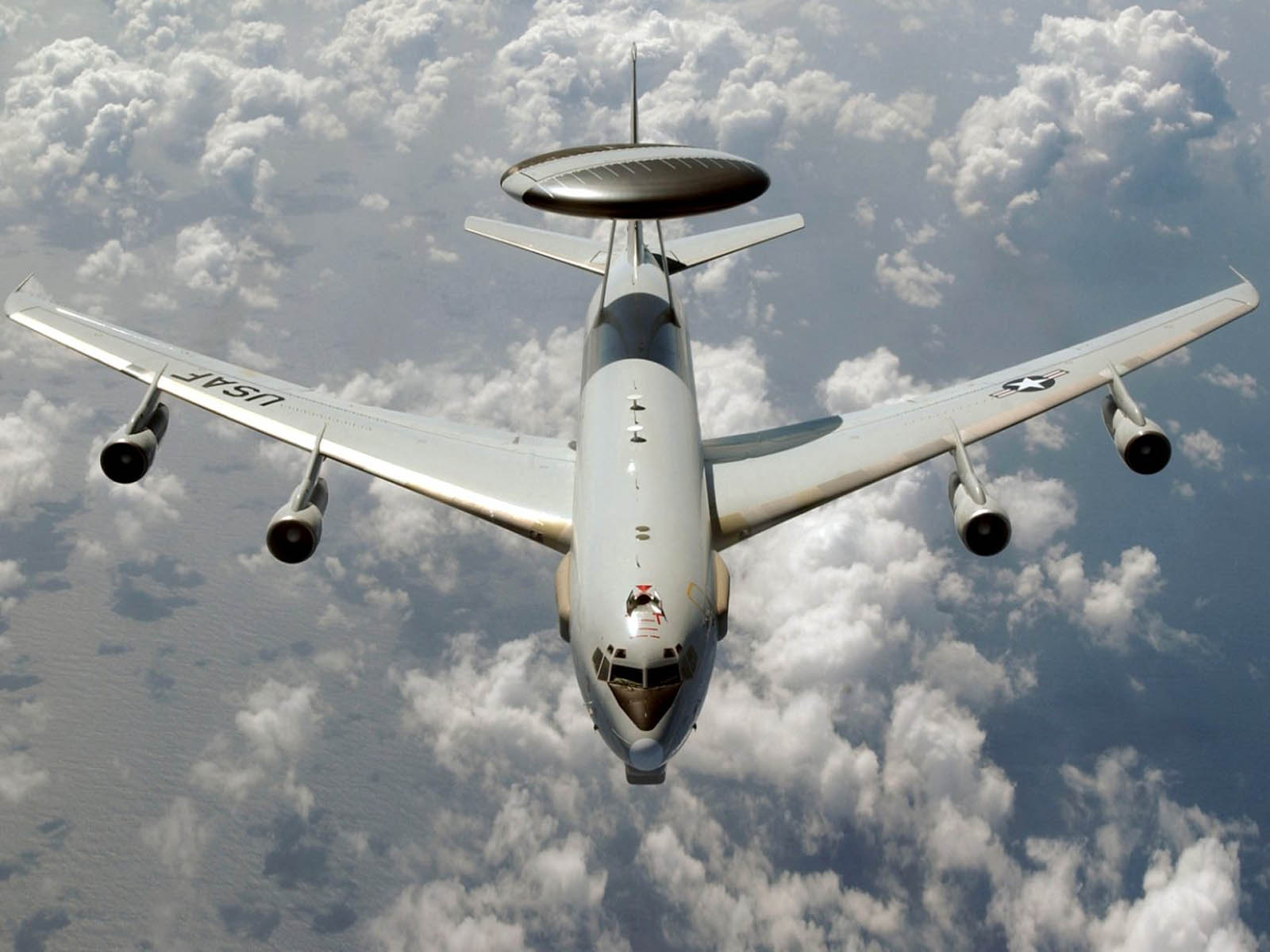
The Boeing E-3 Sentry or also commonly known by its designation AWAC is the aircraft that was designed and manufactured by the famed aircraft manufacturer named Boeing Company as an AEW&C (Airborne Early Warning System). The aircraft is an improved version of Boeing’s model 707 and is used for the following mission roles.
- All-weather surveillance
- Command
- Control
- Communications
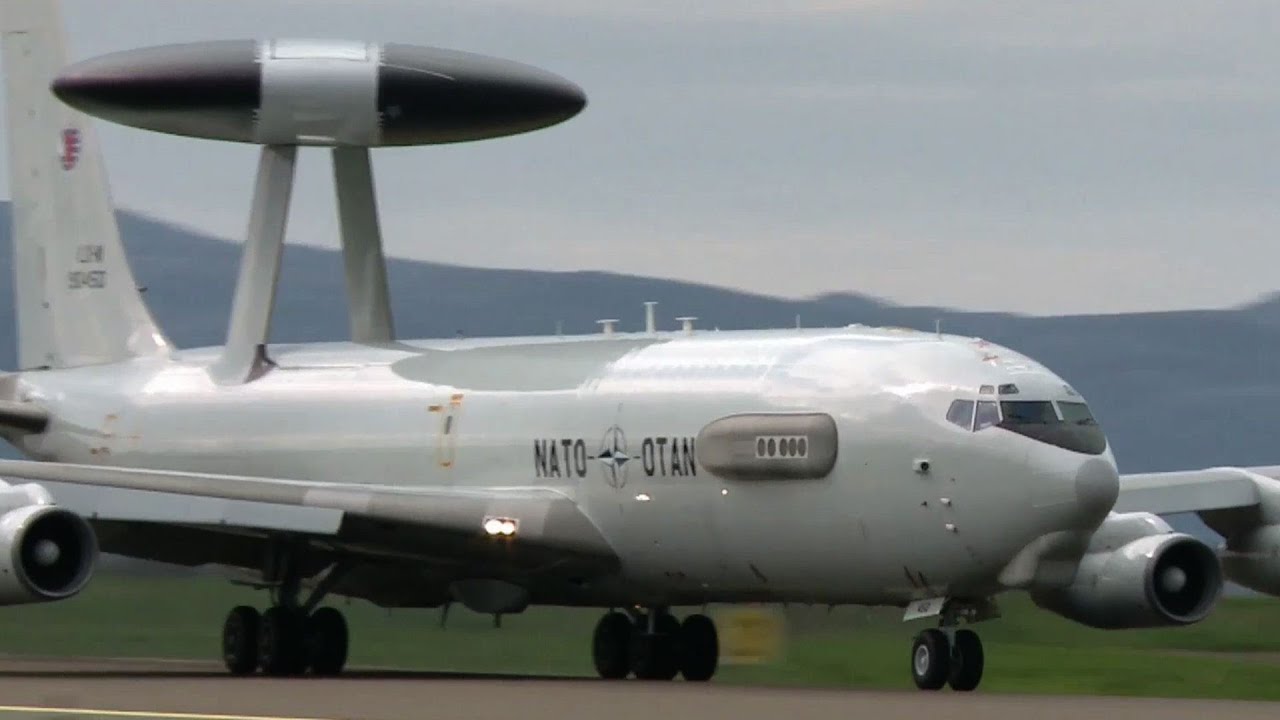
The primary operator of this aircraft is the United States Air Force but other than that following other militaries also incorporate the use of Boeing E-3 Sentry.
- NATO
- Royal Air Force
- French Air Force
- Royal Saudi Air Force
The main feature that makes the Boeing E-3 Sentry to be set apart from the ordinary Boeing 707 is the placement of the ROTODOME (Rotating Radar Dome) that has been fitted above the fuselage section. The production of the aircraft ended back in 1992 and till today there are nearly 68 of these aircraft have been built.

The aircraft came into being after back in the 1960s; USAF was in need of aircraft to replace their piston engine powered Lockheed EC-121 Warning Star. The contract was given to Boeing that began the production of the very first E-3 prototype back in 1975 with the first one being delivered back in 1977. In the course of the upcoming 7 years, nearly 34 of these were delivered to USAF.
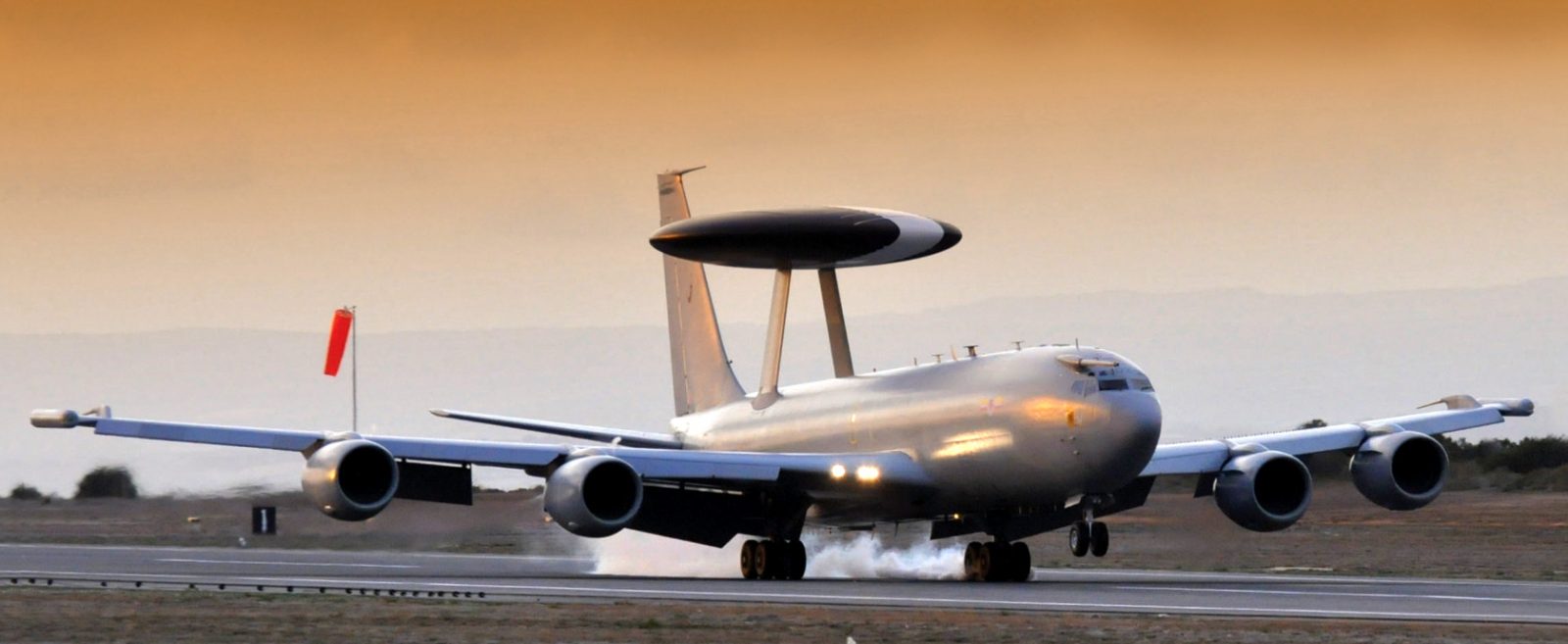
The primary mission that Boeing E-3 Sentry served was back in the Operation Death Storm where it directed the coalition aircraft towards enemies.
For our readers today, we have gathered a few interesting facts about the Boeing E-3 Sentry; the eye in the sky.
Powerplant and Specs:-

A single signal intelligence is powered by 4 of the Pratt & Whitney TF33-PW-100A turbofan engines with each engine giving the aircraft a thrust of nearly 20500 pounds. This much force is able to propel the aircraft for a flight speed of Mach 0.48 or 360 mph for a range of approximately 9250 kilometers at an altitude of 29000 feet.
The aircraft is usually flown by 4 pilots and consists of a mission crew of specially trained 13 to 19 members.
Capabilities as an AWAC
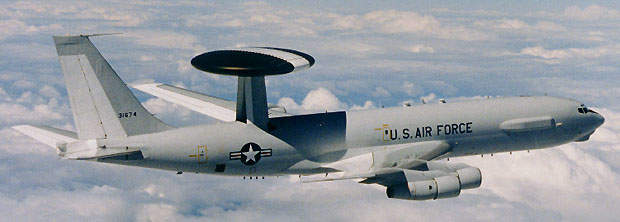
The Boeing E-3 Sentry is equipped with AN/APY-2 Radar which has an amazing range as well as sensitivity that allows the radar to ignore any kind of ground clutters that mostly confuse another radar system. This alone makes it an amazing feature of the AWAC. It was all because of this radar system that the Boeing E-3 Sentry during the Operation Death Storm was able to track the Iraqi warplanes from the moment they took off the runway from their respective airbases despite the Boeing E-3 Sentry being circling nearly 200 plus miles away from them in Saudi Arabia.
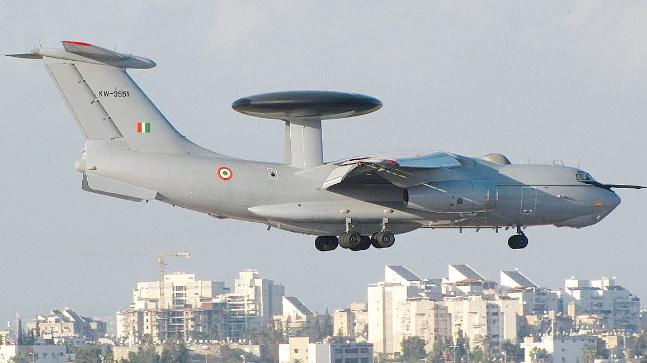
In case of aerial combat, the side that has the Boeing E-3 Sentry; the eyes in the sky, gains the upper hand. The aircraft is able to provide its operator with the following benefits.
- Awareness of the situation of both friendlies and the enemies
- Real-time Command & Control for their respective surveillance area
- Early warnings about the actions of enemies
- Battle management of the forces

In addition to this, the Boeing E-3 Sentry also eases the burned off of the combat aircraft by coordinating them for various functions.
- Reconnaissance
- Weapons control
- Battle management
- Communications
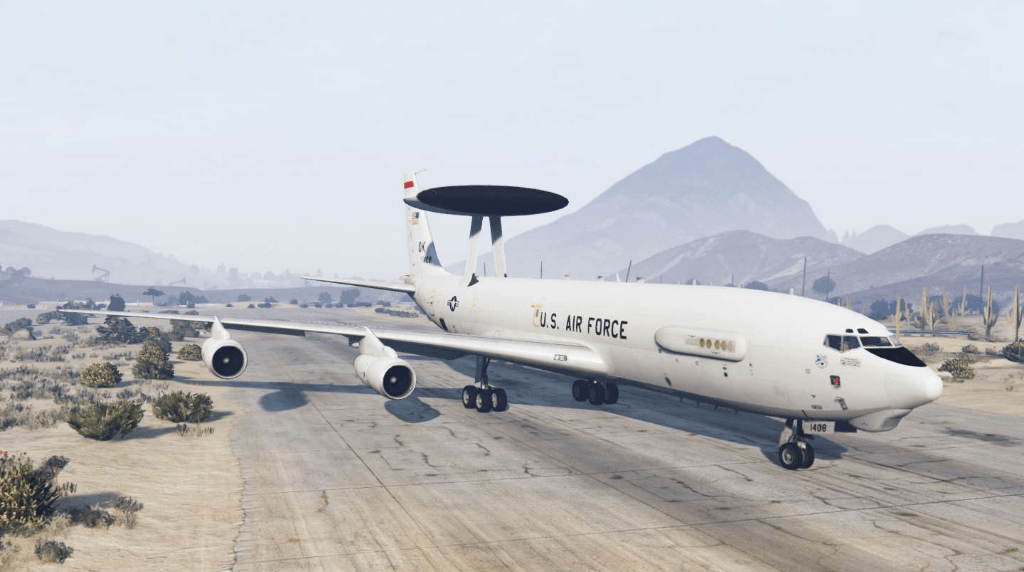
In simple words, with the complete view of the battlespace the Boeing E-3 Sentry, when the enemies are busy about their target’s location, is already rerouting its f9neldies to intercept the enemies. This adds benefits to the jet fighters as they do not need to detect the enemy aircraft and also remain invisible to them all because of Boeing E-3 Sentry until they unleash hellfire on enemy aircraft.
Defenses
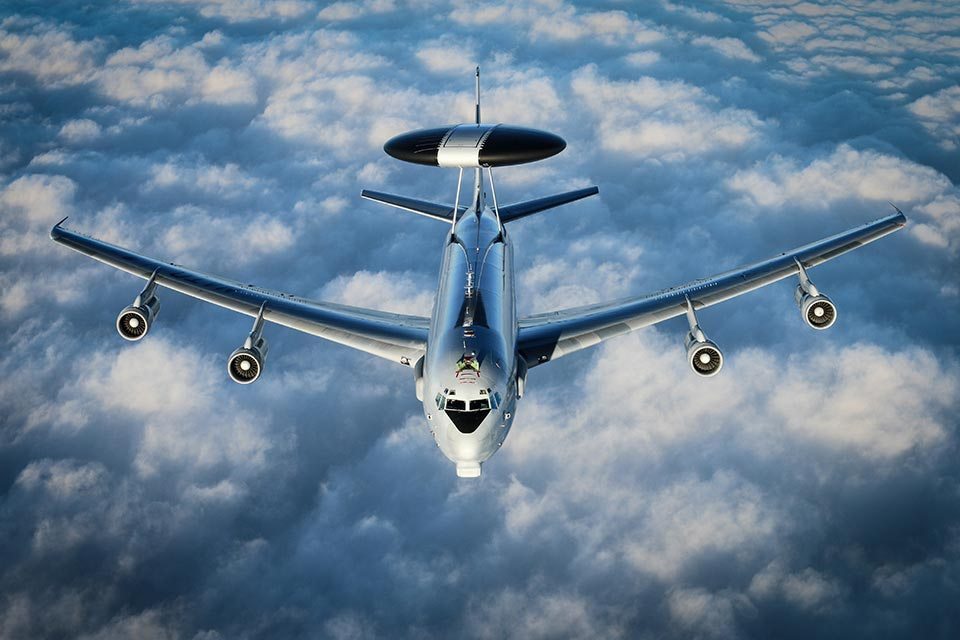
While the Boeing E-3 Sentry is not armed with a single bit of munitions, they are still very hard to drop down. Even if the Boeing E-3 Sentry is not being escorted by any fighter escort, their impressive radar range is able to detect any incoming threat far ahead of time. These threat warning systems is so great that even the HARM (anti-radar missile) has a little to none effect on the Boeing E-3 Sentry.

The Boeing E-3 Sentry has the ability to switch to radar passive mode in case of the missile engagement and fly straight out the area. One such example of their defense is that during the Persian Gulf War as well as during the Bosnian Intervention carried out by NATO, the Sentry was able to shrug off the EM Jamming from the enemies without causing any hindrances to its performance.
Versatility
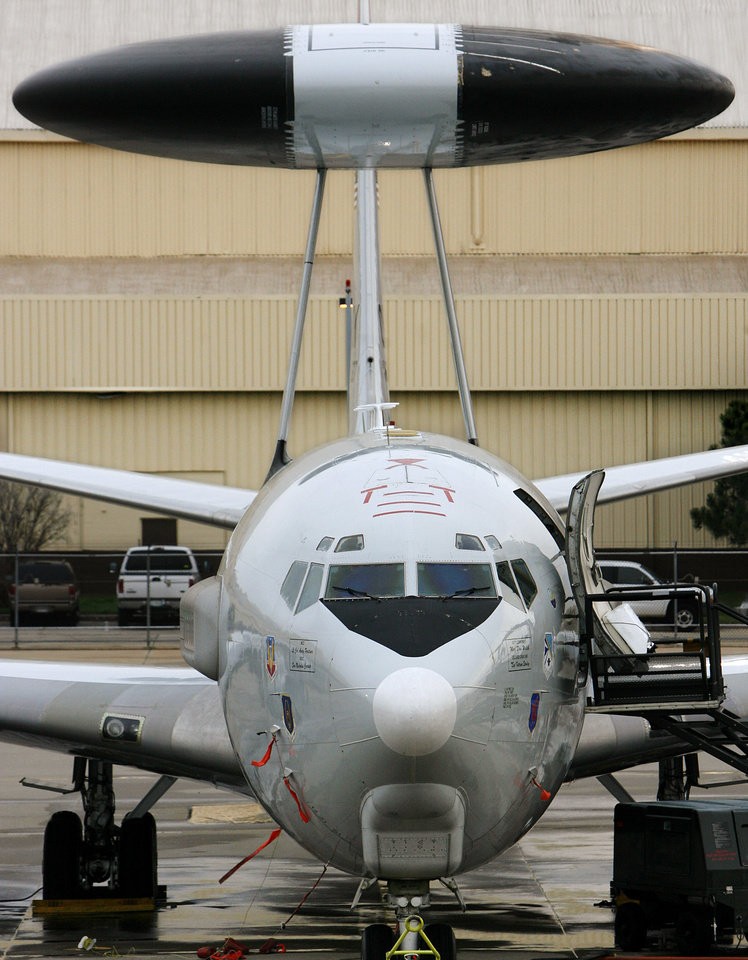
If all of these above-stated features were not enough, the Boeing E-3 Sentry is able to stay in the air for nearly 8 hours and that is without air refueling. The aircraft is still able to do aerial refueling and that coupled with the onboard resting area for the crew, the missions by Boeing E-3 Sentry can last as long as the operator wants.
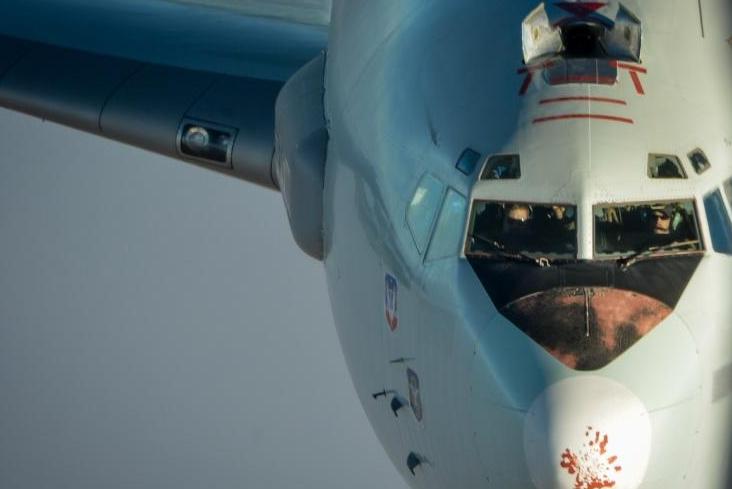
The Boeing E-3 Sentry is not only known for its airspace dominance, the radar and sensors on board of this aircraft are also able to soak in information from other sources like the following.
- SIGINT (Signals intelligence)
- HUMINT(Human intelligence)
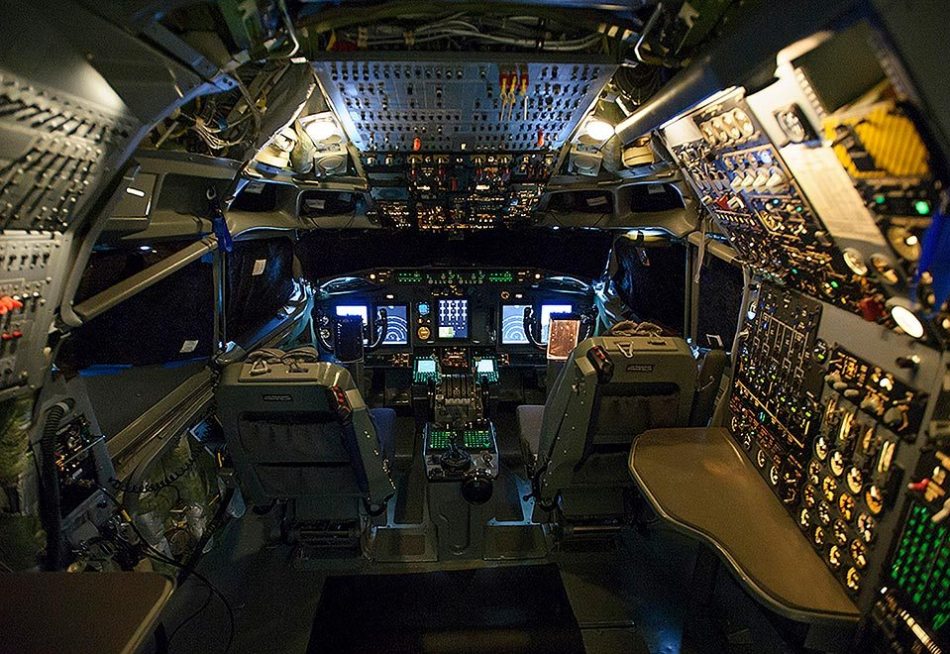
Once the information is given to the Sentry, its onboard powerful computers withier specialized staff is able to point out arioso important details on the war. Mostly such important details are as follows.
- Track and targeting of the enemy aircraft, ground forces, and ships
- Radar sites
- Command & control centers
- Artillery units
Intelligence Distribution
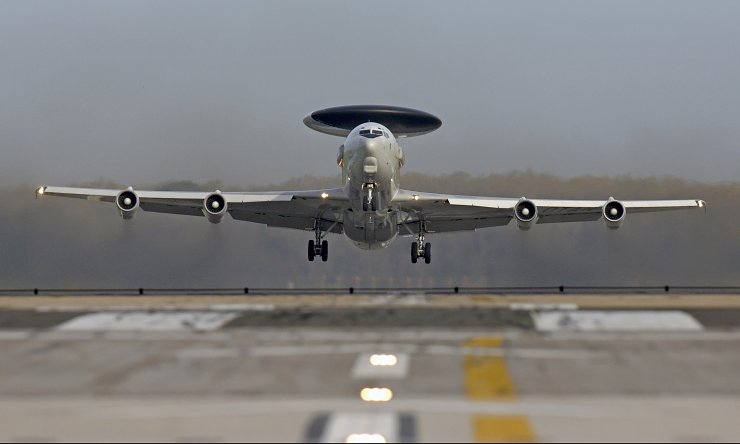
The main thing that Boeing E-3 Sentry is heralded for is its ability to transmit information to nearly any of the following.
- Pilots in skies
- Ships at seas
- forces on ground
- Allied forces
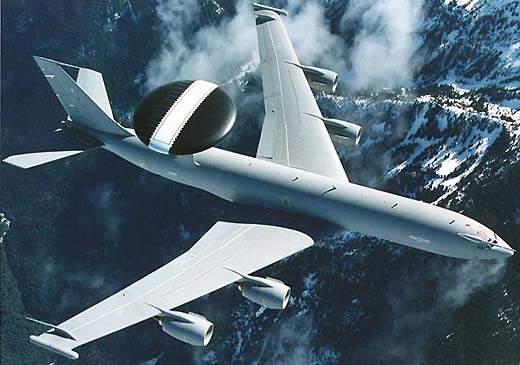
Despite the crisis being of humanitarian nature or of wartime scenario, the first aircraft to be deployed by White House is the Boeing E-3 Sentry in order to get a clear picture of the happening in the particular region.
Related Content
Fascinating facts about the Alenia C-27J Spartan; The Joint Cargo Aircraft
Amazing Facts about the Lockheed Martin’s F-117 Nighthawk: The World’s First Ever Stealth Fighter
