


Ask ten flight schools how much it costs to become a pilot and you will get ten different answers, most of them lower than what students actually end up paying. The honest range in 2026 runs from about $12,000 for a private pilot certificate to $90,000–$130,000 for a complete zero-to-airline programme, and past $200,000 if you take the university route. This guide breaks those numbers down certificate by certificate, explains why the advertised price and the final invoice rarely match, and covers the ways people actually pay for it.
Flight school cost at a glance (2026)
| Stage | Typical 2026 cost | Notes |
|---|---|---|
| Discovery flight | $100–$250 | A one-off intro lesson; some schools credit it toward training |
| Private Pilot Certificate (PPL) | $12,000–$20,000 | $11,000 in cheap markets, $30,000+ in expensive ones |
| Instrument Rating (IR) | $10,000–$15,000 | Heavily simulator-eligible, which keeps costs down |
| Commercial Pilot Certificate (CPL) | $25,000–$45,000 | Dominated by the hour-building to reach 190/250 hours |
| Multi-engine rating | $5,000–$10,000 | Twin-engine aircraft rent for $300–$500 per hour |
| Flight Instructor (CFI, CFII, MEI) | $8,000–$15,000 | Usually the last step before you start earning |
| Zero-to-CFI, self-paced Part 61 | $64,000–$116,000 | Cheapest total, slowest timeline |
| Zero-to-CFI, accelerated academy | $91,000–$130,000 | ATP, CAE, United Aviate and similar; 7–12 months |
| Four-year aviation degree | $180,000–$240,000 | Tuition plus flight fees; qualifies for the 1,000-hour restricted ATP |
Private pilot certificate: $12,000 to $20,000
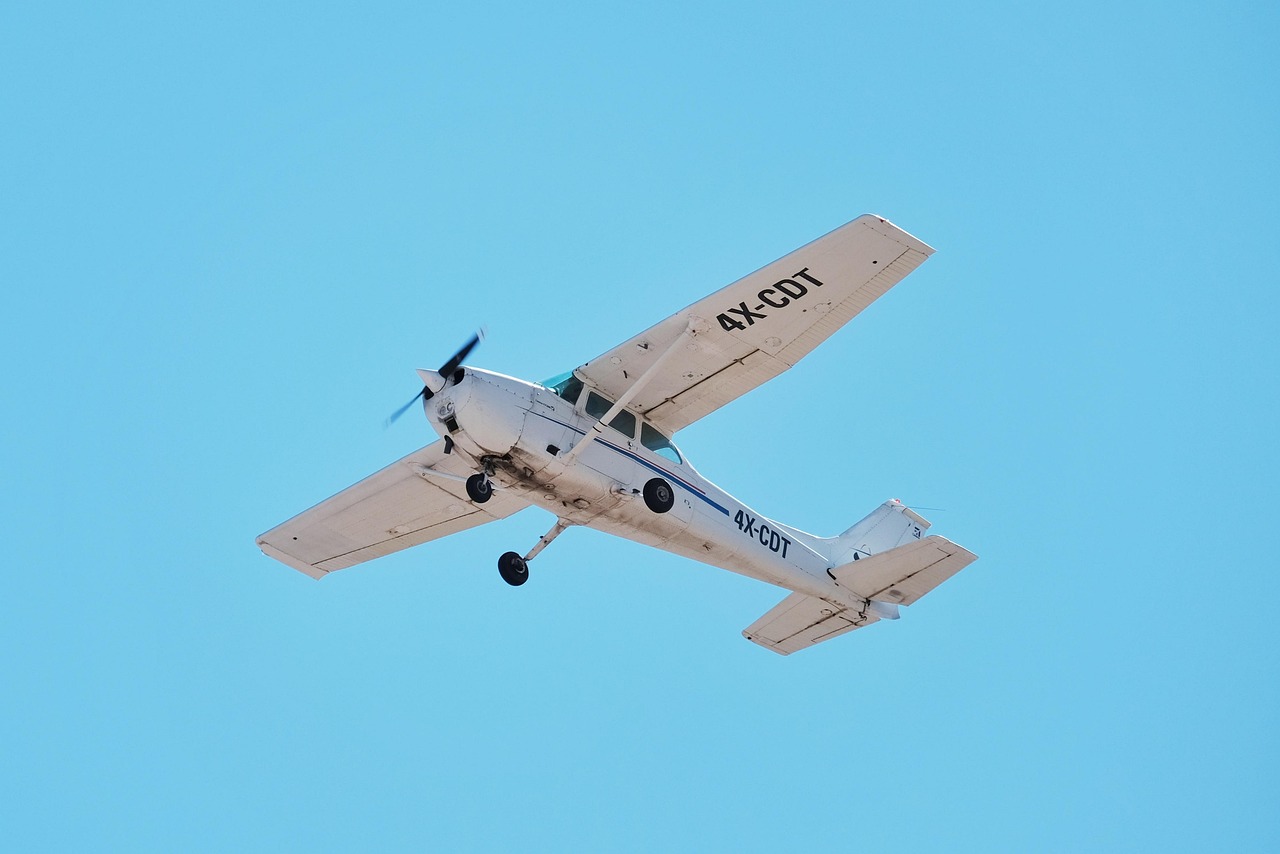
The FAA minimum is 40 flight hours under Part 61 or 35 hours under Part 141, but the national average to actually pass the checkride sits between 60 and 75 hours. At $150–$220 per hour for a Cessna 172 or Piper Archer plus $60–$90 per hour for the instructor, that gap between the legal minimum and the realistic total is where most of the sticker shock comes from.
A realistic 2026 PPL budget looks like this: 65 aircraft hours (around $11,000), 45 instructor hours (around $3,300), ground school and study materials ($300–$800), the FAA knowledge test ($175), the Designated Pilot Examiner fee for your checkride ($800–$1,200 and rising), a headset ($300–$1,100) and an aviation medical exam ($100–$200). Fly twice a week and you will finish in five to seven months; fly once a fortnight and you will spend more, because you relearn skills between lessons.
Instrument rating: $10,000 to $15,000
The instrument rating is the best value in flight training. Up to 20 of the required 40 hours of instrument time can be flown in an approved simulator at $60–$120 per hour rather than in the aircraft, and you can log much of the rest while building cross-country time you need anyway for the commercial certificate.
Commercial certificate: $25,000 to $45,000
The commercial certificate itself is not expensive to train for; the hours are. Part 61 requires 250 total hours and Part 141 requires 190, and most students arrive at the commercial stage with 120–150. The difference has to be flown, and at $150–$200 per hour that is $15,000–$25,000 of time-building before you even start the commercial manoeuvres. Schools that offer a block-hour discount, a cheaper two-seat trainer for solo hours, or a safety-pilot arrangement where two students split costs can cut this substantially. The 60-hour saving under Part 141 is one reason accelerated academies price the way they do; we explain the trade-offs in our guide to Part 61 versus Part 141 training.
Multi-engine, CFI and the path to an airline
A multi-engine rating typically takes 10–15 hours in a twin at $300–$500 per hour, so budget $5,000–$10,000. The flight instructor certificates (CFI, then CFII and MEI) run another $8,000–$15,000, but they are the step that flips the equation: as a CFI you are paid, usually $30–$60 per hour, to fly the 1,000–1,500 hours the airlines require for an ATP certificate. Almost every airline pilot in the United States built time this way.
Accelerated academies: what ATP actually charges in 2026
The largest U.S. academy, ATP Flight School, publishes fixed prices, which makes it a useful benchmark. For 2026 its Airline Career Pilot Program costs $123,995 from zero experience (about nine months), $100,995 if you arrive with solo credit, and $90,995 if you already hold a private certificate (about six months). Those figures include aircraft, fuel, instruction and ground school through CFI, CFII and MEI.
They do not include FAA knowledge and practical test fees, which ATP itself budgets at roughly $12,000 from zero time or $10,500 from a private certificate, a training-centre premium of up to $5,000 at some locations, a headset, supplies, or housing and food for the better part of a year. An honest all-in figure for the zero-time track is therefore closer to $140,000–$150,000. CAE, United Aviate Academy, Thrust Flight and similar programmes land in the same territory.
Why the advertised price is almost never the final price
- Minimum hours versus real hours. Quotes built on 40 hours for a PPL assume a student who never has a bad-weather cancellation, never plateaus on landings, and never takes a two-week break. Ask every school for its average hours to checkride, not the FAA minimum.
- Examiner fees. DPE fees have roughly doubled in five years and are paid directly to the examiner, so they rarely appear in school quotes. Budget $800–$1,200 per checkride, and there are six or more checkrides between zero and CFI.
- Fuel surcharges and rate increases. Hourly rates quoted in January are not guaranteed in September. Block-hour packages lock in rates but are only worth it if the school is financially stable; pay in blocks small enough that you could walk away.
- Retakes. A failed knowledge test costs another fee; a failed checkride costs the examiner fee again plus remedial flights.
- Living costs. Accelerated programmes are full-time. Nine months without an income, plus rent near the training base, can add $15,000–$25,000 that never appears on a flight-school website.
How people actually pay for flight training
Airline cadet and pathway programmes. Most U.S. majors now run pathway schemes, such as United Aviate, Delta Propel, American’s Cadet Academy and Southwest Destination 225°, that offer conditional job offers and in some cases financing or stipends. They rarely make training free, but they do make lenders more comfortable. Which airlines are hiring in 2026 is worth reading alongside any cadet-programme brochure.
Private student loans. Sallie Mae, Meritize and Stratus Financial lend specifically for flight training, typically at 8–15% APR with deferment while you train. Federal student aid is only available at Part 141 schools attached to accredited colleges.
GI Bill. Veterans can use Post-9/11 GI Bill benefits at Part 141 schools that hold VA approval, though usually not for the initial private certificate at a standalone school.
Scholarships. AOPA, EAA, Women in Aviation International, the Organization of Black Aerospace Professionals, the Ninety-Nines and dozens of regional foundations award several million dollars a year in total. Individual awards of $2,500–$15,000 are common and applications are far less competitive than most students assume.
Pay-as-you-go. Training part-time while working slows the timeline to three or four years but avoids debt entirely and lets you stop if you discover you do not enjoy it, which a surprising number of people do at the instrument stage.
Is it worth it?
Flight training is expensive by any standard, but it is a professional qualification with an unusually clear payback path. A first-year regional first officer in 2026 earns $90,000 or more at most carriers, and a major-airline captain can earn several times that; our pilot salary guide lays out the progression. A $130,000 training bill against a career that can return $8–12 million over 30 years is not the same kind of decision as an unsecured loan for a degree with no defined job at the end of it. The risk is not that the maths fails; it is that a student runs out of money two-thirds of the way through and is left with a commercial certificate and no way to build hours. Budget for the whole path before starting the first lesson.
Frequently asked questions
How much does it cost to become a pilot in 2026?
Roughly $12,000–$20,000 for a private pilot certificate, $65,000–$130,000 to go from zero to a commercial certificate with instructor ratings, and $180,000–$240,000 through a four-year aviation degree.
Is flight school cheaper under Part 141?
Part 141 requires fewer minimum hours (35 for the private, 190 for the commercial) but the structured syllabus is not always cheaper per certificate. It is usually cheaper for students who need financing, veterans using the GI Bill, and international students on an M-1 visa, who must train at a Part 141 school.
Can I get financial aid for flight school?
Federal financial aid applies only at accredited colleges. Standalone flight schools rely on private lenders such as Sallie Mae, Meritize and Stratus Financial, airline cadet programmes, scholarships and the GI Bill.
How long does it take?
Accelerated academies take 7–12 months full-time to reach CFI. Part-time training typically takes two to four years. Reaching the 1,500 hours required for an unrestricted ATP adds another 12–24 months of instructing or other commercial flying.
Prices in this guide reflect published 2026 rates from ATP Flight School, Thrust Flight, Epic Flight Academy and a survey of Part 61 schools; actual costs vary by location, aircraft and training frequency.