




A pilot medical certificate does not have one expiry date. It has several, and which one applies to you depends on what you are doing with the aircraft that day. The same piece of paper can be out of date for the job you are paid to do and still perfectly valid for flying your own aeroplane at the weekend.


Everything below is taken from the regulations themselves: 14 CFR 61.23 for which certificate you need and how long it lasts, 14 CFR 61.113 for what BasicMed actually permits, and 14 CFR Part 68 for how you qualify for it.
Three classes, and who needs which
The class you need is tied to the privileges you are exercising, not to the licence in your wallet.
| Class | Required when you are |
|---|---|
| First class | Exercising airline transport pilot privileges as pilot in command. Also required for a Part 121 crewmember who has reached their 60th birthday. |
| Second class | Exercising commercial pilot privileges in anything other than a balloon or glider, and for ATP second in command privileges in Part 121. |
| Third class | Exercising private, recreational or student pilot privileges. |
Read that first row again. A captain who turns 60 and keeps flying for a Part 121 airline is named explicitly in the rule. Age does not change the class, but it changes how often you sit the examination, which is where most of the confusion starts.
The part that surprises people: one certificate, several expiry dates

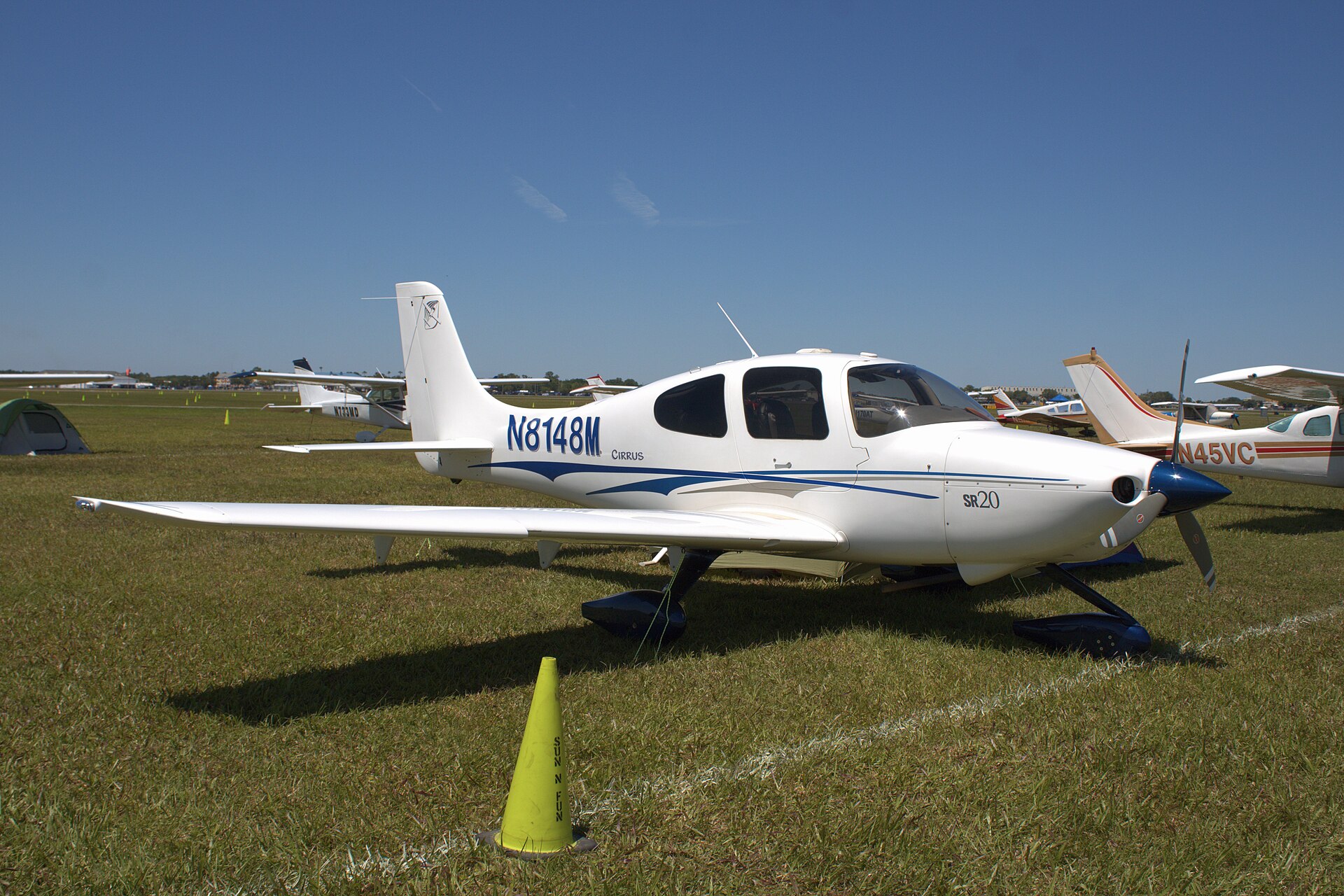
The duration table in 61.23(d) does not ask what certificate you hold. It asks what certificate you hold, how old you were at the examination, and what operation you are conducting. Change the operation and the expiry date changes with it.
| Certificate held | Age at examination | Operation | Valid until the end of the |
|---|---|---|---|
| First class | Under 40 | ATP, pilot in command | 12th month after the examination |
| First class | 40 or older | ATP, pilot in command | 6th month after the examination |
| First or second class | Any age | Commercial privileges | 12th month after the examination |
| Any class | Under 40 | Private, recreational or student privileges | 60th month after the examination |
| Any class | 40 or older | Private, recreational or student privileges | 24th month after the examination |
So an airline pilot of 45 holds a first class medical that stops supporting their day job after six months. That same certificate, from that same examination, still covers private flying for twenty four. Nothing is renewed and nothing is reissued. One document, several clocks, all running at once.


The table also quietly covers flight engineers and air traffic control tower operators, which is a reminder that the medical rules reach further than the flight deck.
BasicMed: flying without a medical certificate at all
Since 2017 a private pilot has been able to fly without holding an FAA medical certificate, using a valid US driver’s licence instead. The rule lives in 61.113(i), and the education and examination requirements behind it are Part 68.
This is not a loophole and it is not a lighter medical. It is a different system: a state licensed physician conducts the examination rather than an aviation medical examiner, and the FAA never sees the result.
What BasicMed will not let you do


The limits are specific, and they are the reason BasicMed suits owner pilots rather than anyone building a career.
- The aircraft must be authorised to carry no more than 7 occupants and have a maximum takeoff weight of no more than 12,500 pounds. It cannot be a transport category rotorcraft certificated under Part 29.
- No more than 6 passengers may be on board, which is a separate limit from the 7 occupant certification figure. Both have to be satisfied.
- Not above 18,000 feet mean sea level, at any point in the flight.
- Not faster than 250 knots indicated airspeed.
- Not outside the United States, unless the country you are flying in has authorised it.
A Super King Air sits right on the edge of that weight limit, which is a useful way to picture where BasicMed stops. Below it, most of general aviation. Above it, you are back to Part 67.
How you qualify, and the trap at the end of the list

To fly under BasicMed you must hold a valid US driver’s licence and comply with every restriction on it. On top of that:
- You must have held an FAA medical certificate at some point after 14 July 2006. BasicMed is a way of continuing, not a way of starting.
- You must complete the medical education course within the previous 24 calendar months and keep the certificate of completion.
- You must have had a comprehensive medical examination by a state licensed physician within the previous 48 calendar months, conducted to the Part 68 checklist.
- If you have been diagnosed with a condition that may affect your ability to fly, you must be under the care and treatment of a physician.
- Both the completed checklist and the course completion certificate must be available in your logbook.
Now the part worth reading twice. Your most recent medical certificate may be expired, and it may carry a special issuance authorisation. Neither of those disqualifies you. But it cannot have been suspended or revoked, a special issuance cannot have been withdrawn, and your most recent application to the FAA cannot have been completed and denied.
That last condition catches people out. A pilot who is unsure whether they will pass and applies anyway, then receives a denial, has closed the BasicMed door behind them. The sequence matters more than the outcome, and it is the single strongest argument for talking to an aviation medical examiner informally before submitting anything.
Frequently asked questions
How long does a third class medical last?
Sixty calendar months if you were under 40 at the examination, and twenty four if you were 40 or older. The clock runs from the end of the month of the examination, not from the day of it.
Does a first class medical expire after six months?
Only for the operation that requires a first class certificate. At 40 or older it supports airline transport pilot in command privileges for six months, then continues to support commercial privileges for twelve and private privileges for twenty four, all from the same examination.
Can I use BasicMed if my medical has expired?
Yes. An expired certificate is explicitly allowed, as is one issued under a special issuance authorisation. What is not allowed is a certificate that was suspended or revoked, a withdrawn special issuance, or a most recent application that was denied.
What aircraft can I fly under BasicMed?
One certificated for no more than 7 occupants with a maximum takeoff weight no greater than 12,500 pounds, carrying no more than 6 passengers, below 18,000 feet and under 250 knots indicated, within the United States unless another country has authorised it.
Do I need a medical certificate to fly as a student pilot?
A third class certificate is required for student pilot privileges, unless the flight is conducted under the conditions and limitations of 61.113(i), or you are seeking sport pilot privileges in an aircraft that meets the Part 61 performance limits, where a US driver’s licence can serve instead.
Sources


The class requirements, the duration table and the BasicMed qualifying conditions are quoted from 14 CFR 61.23. The operating limitations are from 14 CFR 61.113, and the education and examination requirements from 14 CFR Part 68. All were read from the current edition on 9 October 2026. These are US rules; other regulators run their own medical systems and several are stricter.
More from CrewDaily: whether a student pilot certificate expires, Part 61 against Part 141 training, what flight school actually costs, and when airline pilots have to stop flying.


