







Search for the student pilot certificate and you will find the same question asked a dozen ways. Does it expire? Do I need a medical? Can I take my partner up once I have soloed?
The confusion has a specific cause. The certificate itself does not expire. Three other things attached to your flying do, and people notice one of those running out and assume the certificate went with it.
Here is what the certificate actually is, what it lets you do, and what the FAA will not let you do while you hold it.


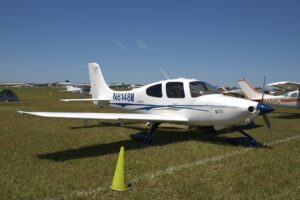
SLAF Cessna 150. Photo by Dinil Samarasinha, CC BY-SA 4.0, via Wikimedia Commons.
Does a student pilot certificate expire?
No. Since 1 April 2016, the student pilot certificate is a plastic card that does not expire.
Before that date it worked very differently. Aviation Medical Examiners issued student pilot certificates, and the certificate was combined with the medical, so when the medical ran out the whole thing did. That is where the belief comes from, and plenty of older advice online still describes the old system.
The rule change separated the two. Your student pilot certificate is now permanent. Your medical is a separate document with its own clock.
What actually does expire
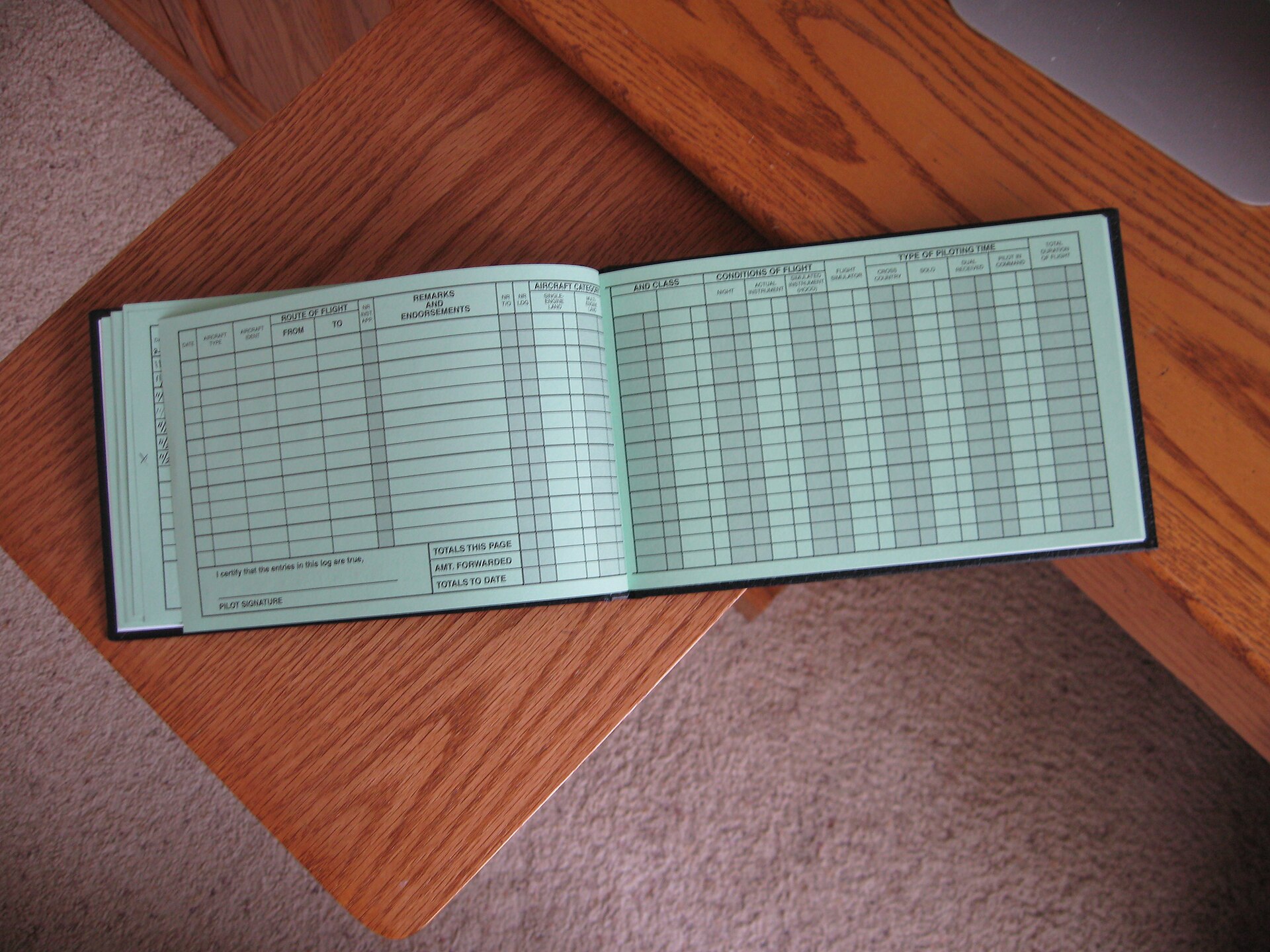
Pilot logbook (pages). Photo by Basil Newburn, CC BY-SA 3.0, via Wikimedia Commons.
Three things, and all three matter more day to day than the certificate does.
Your medical certificate. A third class medical lasts 60 calendar months if you were under 40 when it was issued, and 24 months if you were 40 or over. Let it lapse and you cannot fly solo, even though your student pilot certificate is still perfectly valid.
Your solo endorsements. This is the one that catches people. The endorsements your instructor writes in your logbook authorising solo flight are valid for 90 days. After that your instructor has to fly with you again and re-endorse you. A gap of three months in your training, which happens easily with weather and work, means a check ride with your instructor before you can go up alone again.
Your solo cross country endorsement. Separate from the general solo endorsement, and specific to the route. Your instructor reviews the plan and signs for that flight.
So the honest answer to “does my student pilot certificate expire” is no, but the question people usually mean is “can I still fly”, and that depends on the other three.
Do you need a medical certificate?
Yes, before you fly solo. You do not need one to start training, because you can fly with an instructor on board without it.
That surprises people, and it is worth knowing early for a practical reason. If there is anything in your medical history that might complicate certification, you want to find that out before spending money on lessons, not after. Getting the medical early is cheap insurance against an expensive surprise.
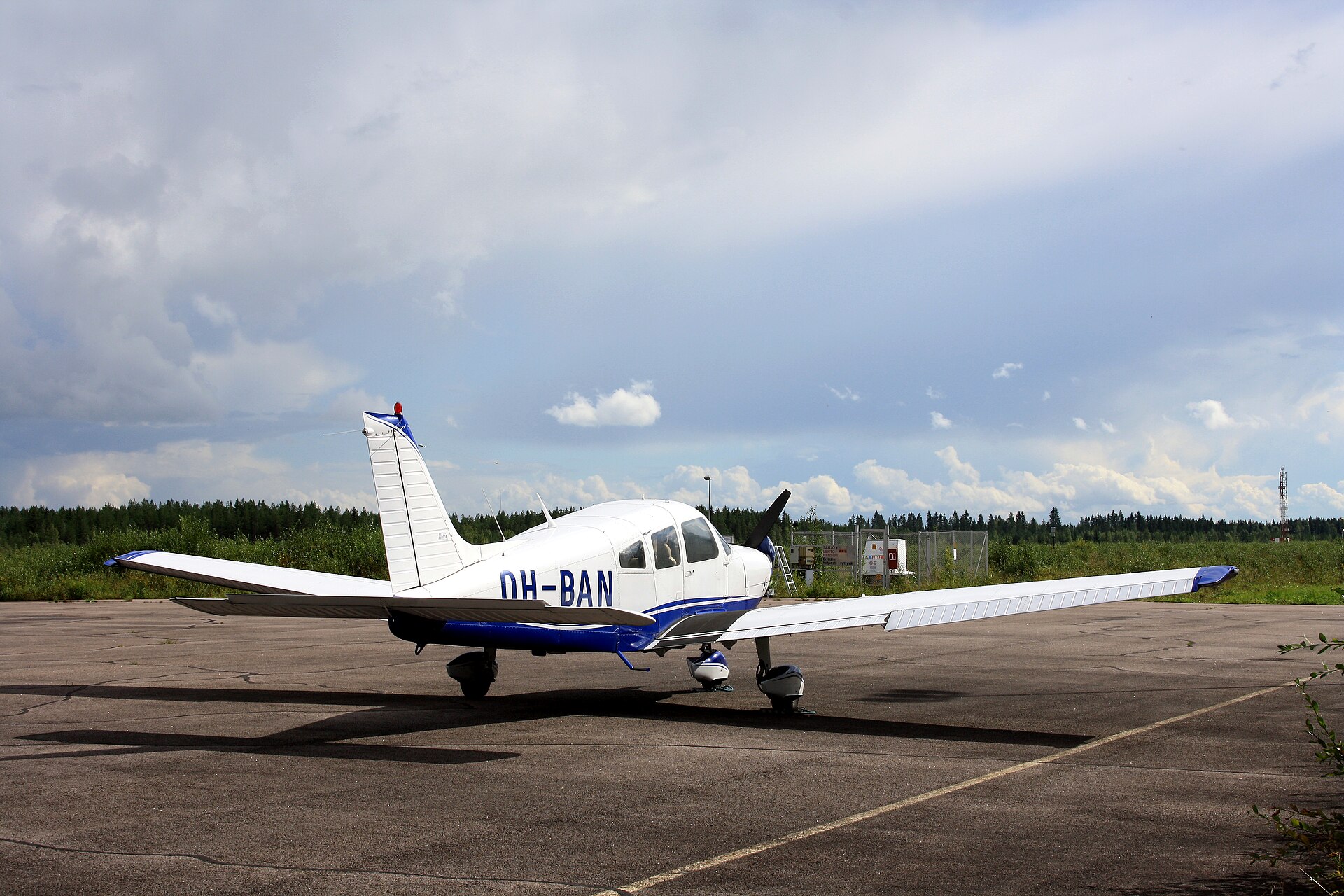

Piper PA-28-151 OH-BAN. Photo by Jukka Kolppanen, CC BY-SA 3.0, via Wikimedia Commons.
What a student pilot cannot do
The limitations live in 14 CFR 61.89, and they are shorter than most people expect. As a student pilot you may not act as pilot in command:
- carrying a passenger
- carrying property for compensation or hire
- for compensation or hire
- in furtherance of a business
- with flight or surface visibility below 3 statute miles in the day, or 5 statute miles at night
- without visual reference to the surface
- in an aircraft that requires more than one pilot
- contrary to any limitation your instructor has written in your logbook
That last one is easy to overlook and it is legally binding. If your instructor has restricted you to a particular airport, a particular aircraft, or a maximum crosswind, flying outside it is a regulatory violation, not just a disagreement with your instructor.
No passengers. None.
This is the limitation that disappoints most people, and it is absolute. A student pilot may not carry a passenger, full stop. Not a friend, not a family member, not someone who is themselves a qualified pilot.
If you want company in the aircraft, that person has to be your instructor, and then you are receiving instruction rather than flying solo.
Carrying passengers is a private pilot privilege. It arrives with the private pilot certificate, and for a lot of students it is the entire reason they keep going.

Balatonfőkajári Repülőtér. Photo by Elekes Andor, CC BY-SA 4.0, via Wikimedia Commons.
The weather minimums, and why they are stricter than you think
Three statute miles visibility by day, five at night, and you must be able to see the surface. Those are hard floors.
They are stricter than the basic VFR minimums a private pilot works to in some airspace, and that is deliberate. A student flying alone has no one to talk to and limited experience of how quickly conditions close in.
In practice your instructor will usually set personal minimums well above these, and that is the number that actually governs whether you fly. The regulation is the outer boundary, not the target.
Can a student pilot log pilot in command time?
Yes, and it is one of the few genuinely generous parts of the rules. You log pilot in command time when you are the sole occupant of the aircraft, you hold a valid solo endorsement, and you are training for a certificate or rating.
Every solo hour counts toward the 40 hours minimum for the private pilot certificate, and toward the experience requirements that come later. Those hours do not evaporate when you upgrade your certificate. A student pilot’s solo time is still on the books decades into an airline career.
How to get one
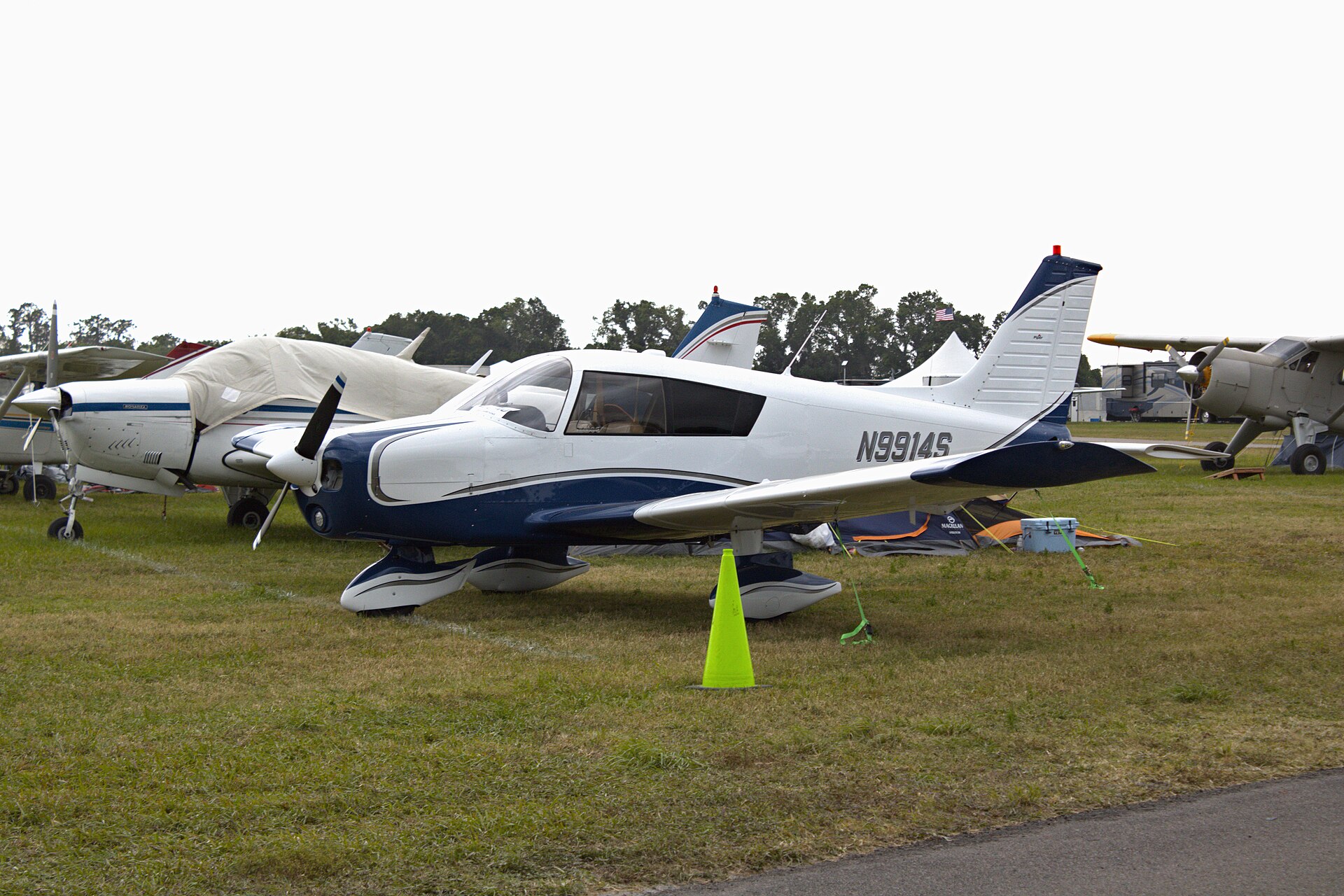
Piper PA-28-140 Cherokee. Photo by ZLEA, CC BY-SA 4.0, via Wikimedia Commons.
You apply through the FAA’s IACRA system, and the application is validated by a flight instructor, a designated pilot examiner, a Part 141 flight school, or a Flight Standards District Office. Aviation Medical Examiners have not been able to issue them since the 2016 change.
There is no test and no fee for the certificate itself. You need to be at least 16 to hold one for aeroplanes, or 14 for gliders and balloons, and able to read, speak, write and understand English.
The card arrives by post some weeks later. Most students apply during their first few lessons, because you want it in hand well before your instructor decides you are ready to solo.
Frequently asked questions
Does a student pilot certificate expire?
No. Since 1 April 2016 it has been a permanent plastic certificate. What expires is your medical, which runs 60 months under age 40 and 24 months from 40, and your solo endorsements, which last 90 days.
Do student pilots need a medical certificate?
Not to begin training with an instructor, but yes before flying solo. Getting it early is sensible so any complication surfaces before you have spent money on lessons.
Can a student pilot carry passengers?
No, under any circumstances. It is a private pilot privilege. The only other person who can be aboard is your instructor, and then you are on an instructional flight.
Do student pilots log PIC time?
Yes, when you are the sole occupant, hold a current solo endorsement and are training toward a certificate or rating. Those hours count toward the private pilot requirements and stay in your logbook permanently.
What are the student pilot weather minimums?
Three statute miles of flight or surface visibility by day, five at night, and you must maintain visual reference to the surface. Your instructor will almost certainly set tighter personal minimums.
Is a student pilot certificate valid ID?
It is a federal airman certificate, not a photo identification document, and it carries no photograph. It will not work as ID in the way a driving licence or passport does.
The short version
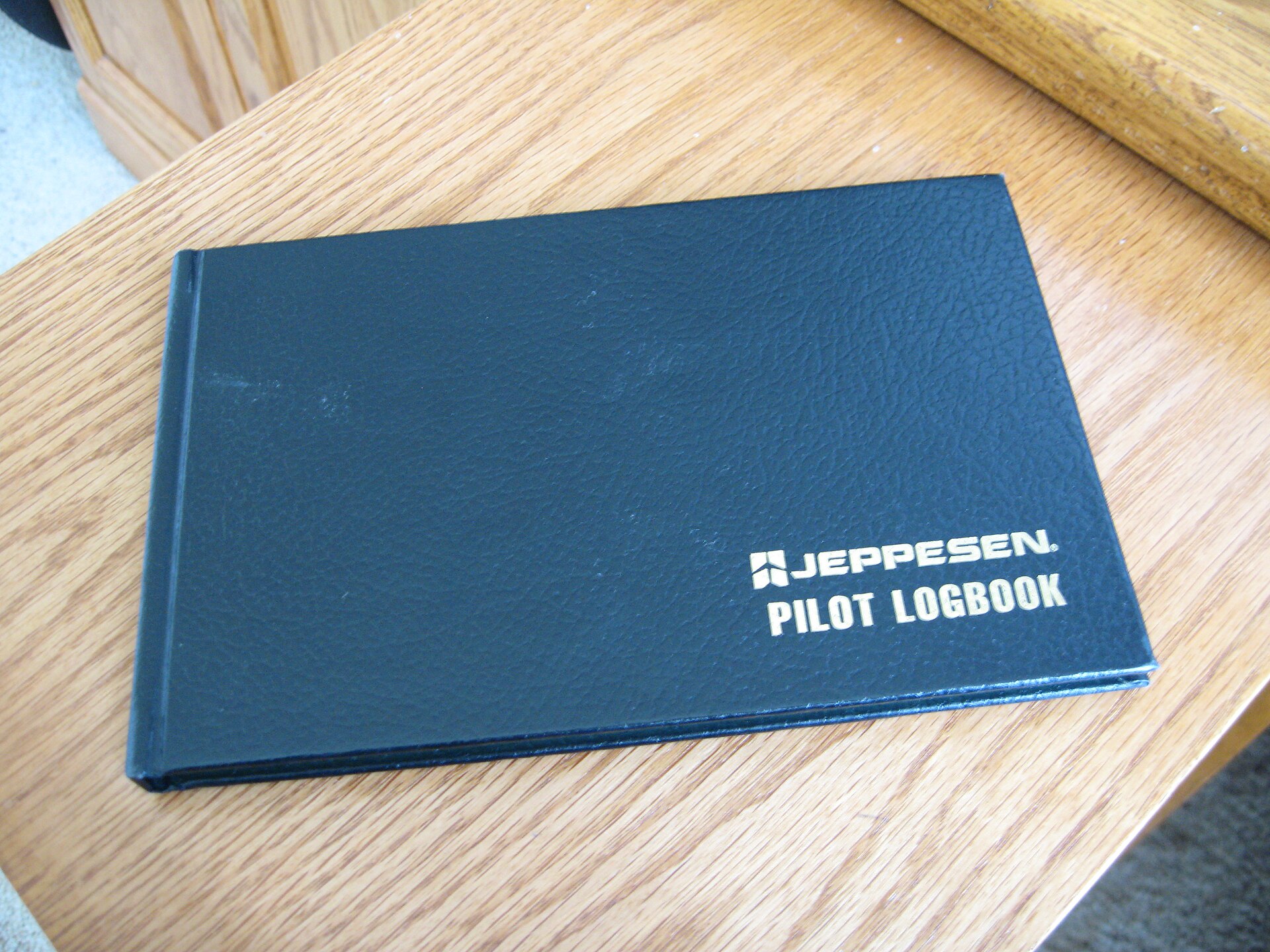
Pilot logbook (cover). Photo by Basil Newburn, CC BY-SA 3.0, via Wikimedia Commons.
The certificate is permanent and free. The medical and the endorsements are what you have to keep current, and the endorsements are the ones that quietly lapse while you are not looking.
The limitations are narrow but absolute, and the passenger rule is the one worth repeating to yourself, because the temptation to show someone what you have learned is real and the consequences are not worth it.
If you are working out what comes next, we covered Part 61 versus Part 141 training, what flight school actually costs and how people pay for it.
Sources: 14 CFR 61.89, eCFR, Student Pilot Application Requirements, Federal Register, AOPA.


