







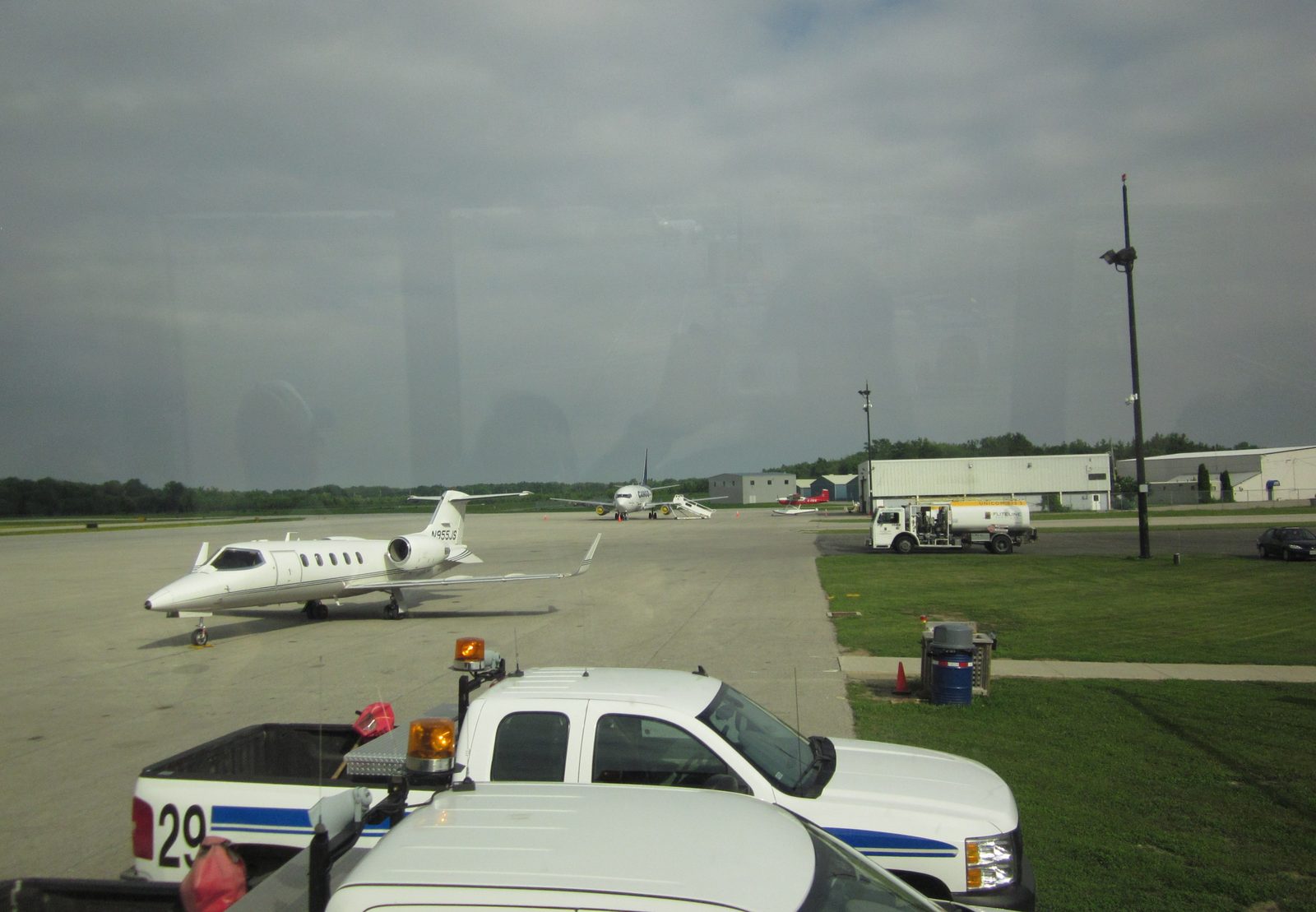
Chartering a private jet is not like booking a flight. There is no seat map, no published fare, and the company you pay is usually not the company that flies you. Most people who do it for the first time are surprised by how much of the process happens out of sight, and by how quickly the price moves depending on where the aircraft happens to be.
Private jet charter works like this: you tell a broker or an operator your route, dates and passenger count, they quote you on specific aircraft, you pay in advance, and a certificated operator flies you. The operator holds legal responsibility for the flight, not the broker, and not you. Domestic trips can launch within a few hours. International ones usually cannot.

Who actually flies you
This is the single most important thing to understand, and it is the thing brokers mention last.
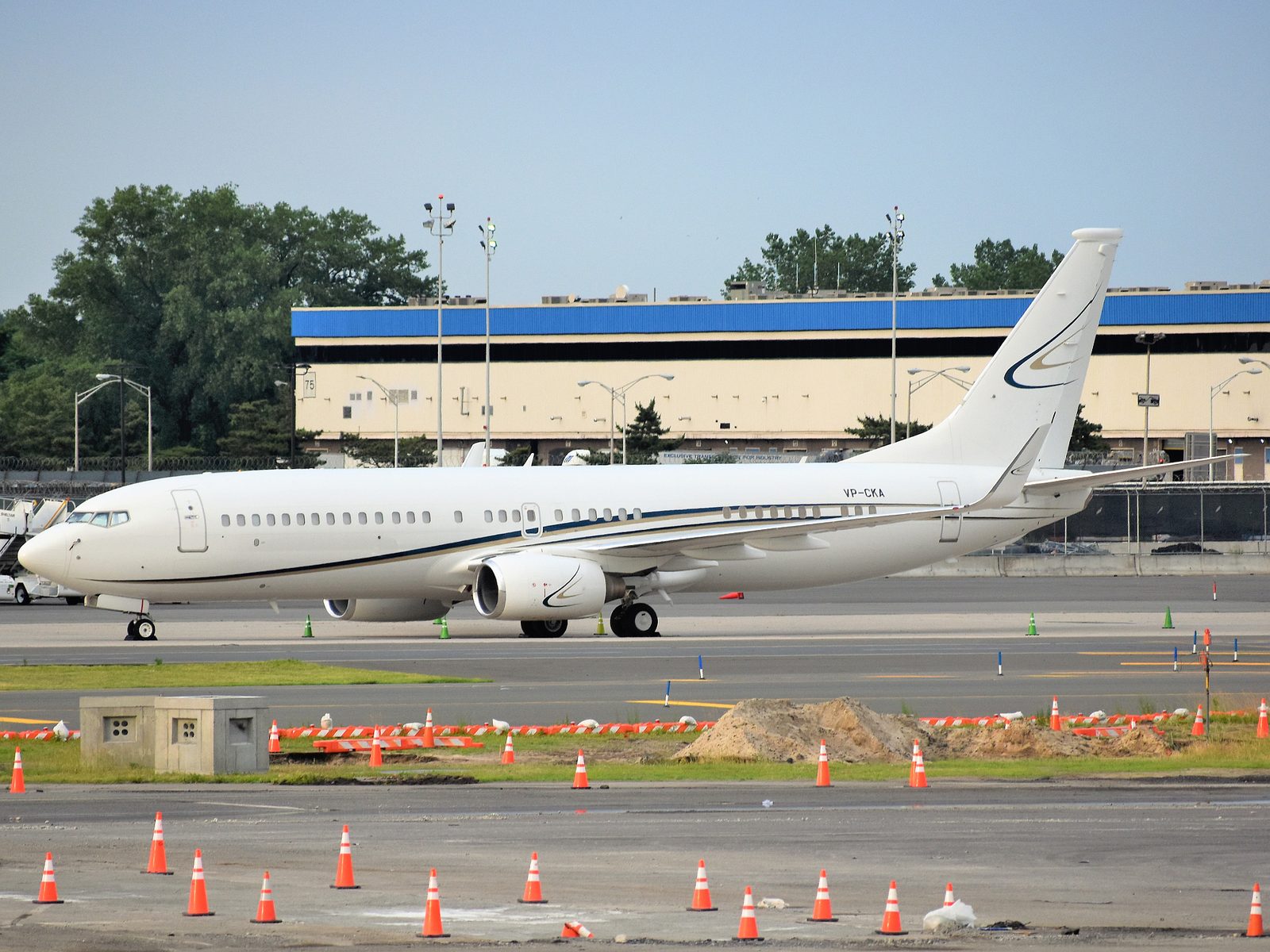
An operator owns or manages the aircraft and holds the certificate that makes commercial flying legal. In the United States that is a Part 135 certificate. In Europe it is an Air Operator Certificate. The operator supplies the crew, maintains the aircraft and decides whether the flight goes.
A broker owns no aircraft and holds no certificate. They are an intermediary: they know the market, they find suitable aircraft for your trip, and they handle the arrangements. Most first-time charter customers deal with a broker without ever realising the distinction.
The legal term for what separates them is operational control. It means authority over the go or no-go decision, and under FAA rules it sits with the certificate holder and cannot be handed to anyone else. Not to the broker who sold you the trip. Not to the owner of the aircraft. Not to you, however much you are paying.
That matters on the day the weather is marginal and you have a meeting you cannot miss. The captain and the operator decide. Your broker can only pass on the news.
The booking sequence, step by step
The process is fairly consistent whichever company you use.
- You define the trip. Departure and arrival airports, dates and times, how many passengers, how much luggage, and anything unusual such as pets, ski equipment or a stretcher.
- You get quotes on specific aircraft. A good quote names the aircraft type, the airports and the reason each option was chosen. Vague quotes that name only a category are worth pushing back on.
- You choose and pay. Charter is almost always prepaid, usually by wire transfer or card, and the booking is not confirmed until the money arrives. This surprises people who are used to holding an airline reservation.
- The operator files and plans. Flight plan, crew assignment, fuel, catering, ground handling at both ends, and any permits the route needs.
- You turn up and go. Usually at a private terminal, typically fifteen to thirty minutes before departure rather than two hours.


How far ahead you really need to book
There is a gap between what is possible and what is sensible, and the honest answer sits in the middle.
Booking one to three months out gives you the widest choice of aircraft and the best pricing. For peak periods such as major holidays, three to four weeks is the practical minimum if you want a real choice rather than whatever is left.
At the other end, a domestic US flight can sometimes depart two to four hours after you book, provided a suitable aircraft is already sitting nearby with a rested crew. That is the capability people buy charter for.
International is different. Overflight permits, landing slots and customs pre-clearance push realistic lead times to 24 to 72 hours for most transatlantic and transcontinental trips, and 96 hours or more for parts of Asia-Pacific and the Middle East. No amount of money compresses a permit that a foreign government has not issued yet.
Worth knowing: close to three quarters of charters are booked within two weeks of departure. That reflects how people actually use private aviation, but it also means most customers are choosing from a narrower pool than they realise, and paying for it.
Why the price moves so much
Charter is priced per flight, not per seat, and the number is driven by where the aircraft is rather than how far you are going.
If a suitable jet is already parked at your departure airport, you pay for your flight. If the nearest one is four hours away, someone has to pay for it to fly to you empty, and that someone is you. These positioning legs, also called ferry flights, are the main reason two quotes for the same route can differ enormously.
The flip side is the empty leg. When an aircraft has to return to base or reposition for its next booking, that flight is going anyway, and operators sell it at a steep discount. The catch is that you take the route and timing the aircraft already has, and the flight can be cancelled if the original booking changes. Our guide to what a private jet actually costs goes through hourly rates by aircraft type and real route examples.
The aircraft categories, briefly
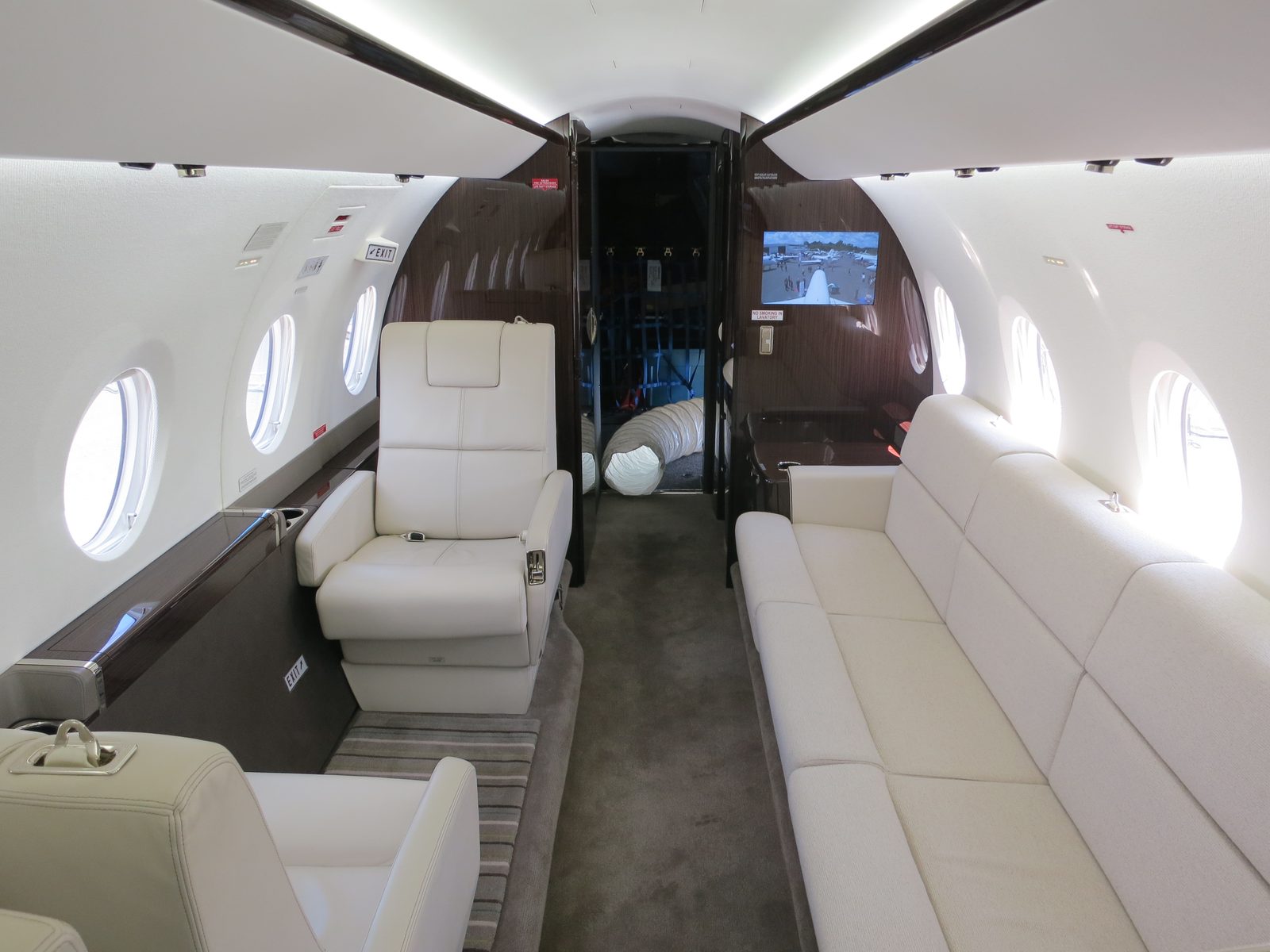
Quotes are organised by category, and the category determines range and cabin more than brand does.
- Very light and light jets carry roughly four to seven passengers on trips of two to three hours. Regional hops.
- Midsize jets add a proper cabin, a luggage hold and enough range for most transcontinental US flights.
- Heavy and ultra-long-range jets cross oceans, sleep passengers flat and carry eight to sixteen people.
- Turboprops are often overlooked and are frequently the sensible answer for short trips into small airfields, because they can use runways jets cannot.
The airport question is the underrated one. Private aviation reaches thousands of airfields that airlines never serve, and landing forty minutes from your destination instead of two hours away is often where the real time saving comes from.

What to check before you pay
Charter is lightly regulated at the sales end and tightly regulated at the flying end, which is an odd combination for a buyer. A few questions close most of the gap.
- Which company actually operates the flight, and what is their certificate number? Not the broker. The operator can also change after you book if the original aircraft goes technical.
- What are the liability limits? The legal minimum is far below what experienced buyers accept. Our guide to charter insurance requirements covers the numbers and what to ask for.
- Is the quote all-in? Positioning, landing and handling fees, catering, de-icing in winter and overnight crew costs can all sit outside a headline price.
- What are the cancellation terms? They vary from generous to brutal, and they are set by the operator rather than the broker.
- Which safety ratings does the operator hold? ARGUS, WYVERN and IS-BAO can each be checked directly with the issuing body.
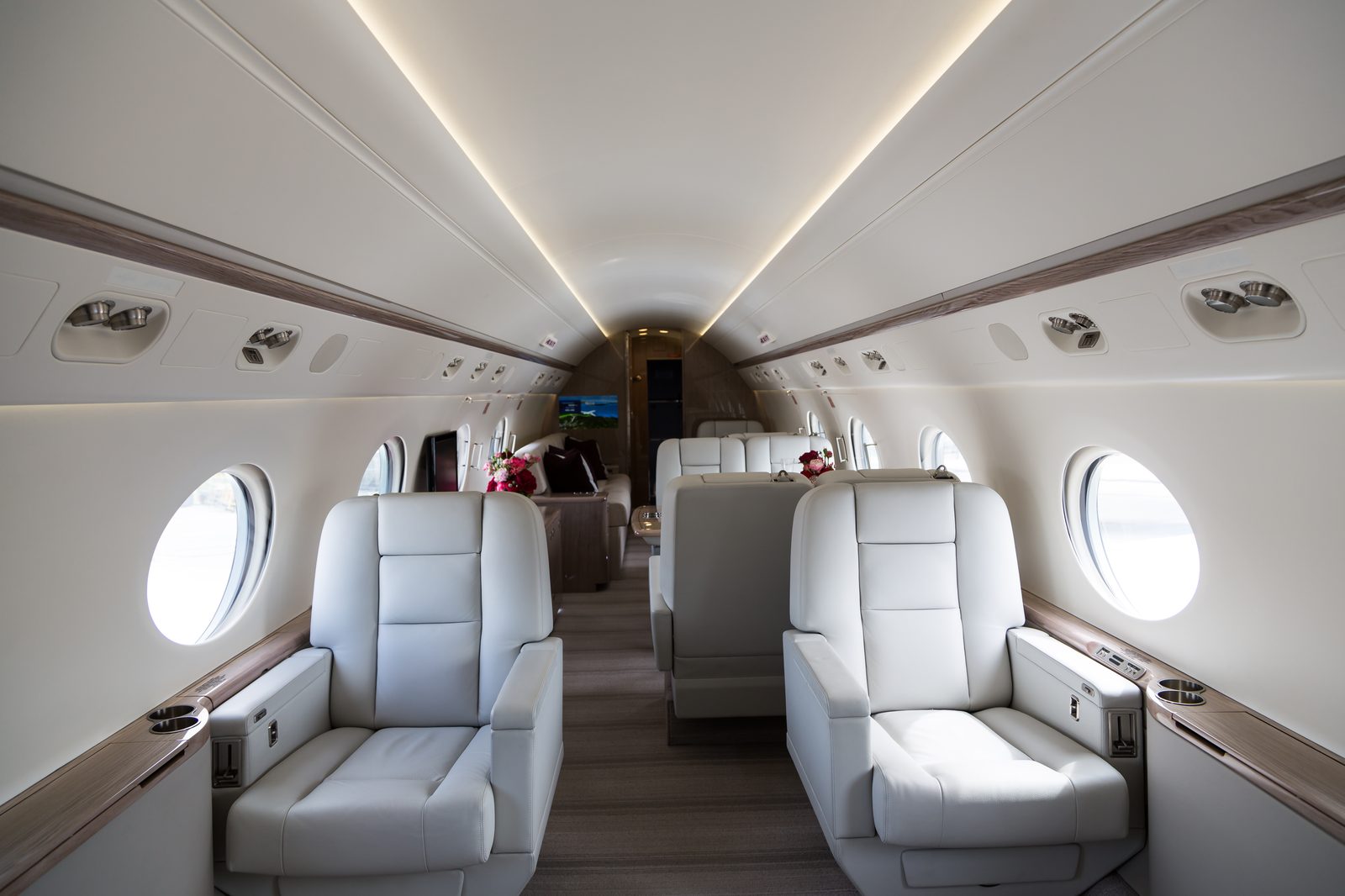
Broker or operator: which should you book through?
Going direct to an operator means dealing with the people who actually fly the aircraft, and cutting out a margin. The limitation is that they can only sell you their own fleet, so if their aircraft are busy or unsuitable, you are stuck.
A broker can search the whole market, which matters for unusual routes, tight timing or large groups. You are paying for that access and for someone to handle the arrangements. The quality varies enormously, because anyone can call themselves a broker without holding any certificate at all.
Neither is automatically better. What matters is that you know which one you are talking to, and that you can name the operator before you pay.

Frequently asked questions
How does private jet charter work?
You give a broker or operator your route, dates and passenger numbers, they quote you on specific aircraft, and you pay in advance. A certificated operator then supplies the crew and flies the trip, holding legal operational control throughout. You normally check in at a private terminal shortly before departure.
What is the difference between a charter broker and an operator?
An operator owns or manages the aircraft and holds the air carrier certificate that makes commercial flying legal. A broker owns no aircraft, holds no certificate, and arranges flights between customers and operators. Only the operator has authority over whether a flight goes.
How far in advance should you book a private jet?
One to three months gives the widest choice and best pricing, and three to four weeks is sensible for peak periods. Domestic flights can sometimes depart within two to four hours if an aircraft is positioned nearby, while international trips usually need 24 to 72 hours for permits and slots.
Why do two quotes for the same route differ so much?
Mostly because of positioning. Charter is priced per flight, and if the nearest suitable aircraft has to fly empty to reach you, that cost lands in your quote. An aircraft already at your departure airport will nearly always be cheaper.
What is an empty leg flight?
A repositioning flight that is happening anyway, sold at a large discount. You accept the operator’s existing route and timing, and the flight can be cancelled if the original booking changes.
Do you need your own insurance to charter a private jet?
The operator must carry liability cover as a condition of its certificate. Frequent charterers and companies often add non-owned aircraft liability, which covers claims arising from aircraft they use but do not own.
Sources: FAA Part 135 operational control rules; published guidance from charter operators and brokers including Paramount Business Jets, Air Charter Service and Chapman Freeborn on booking lead times and process.