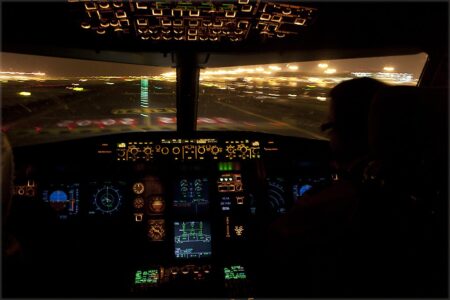






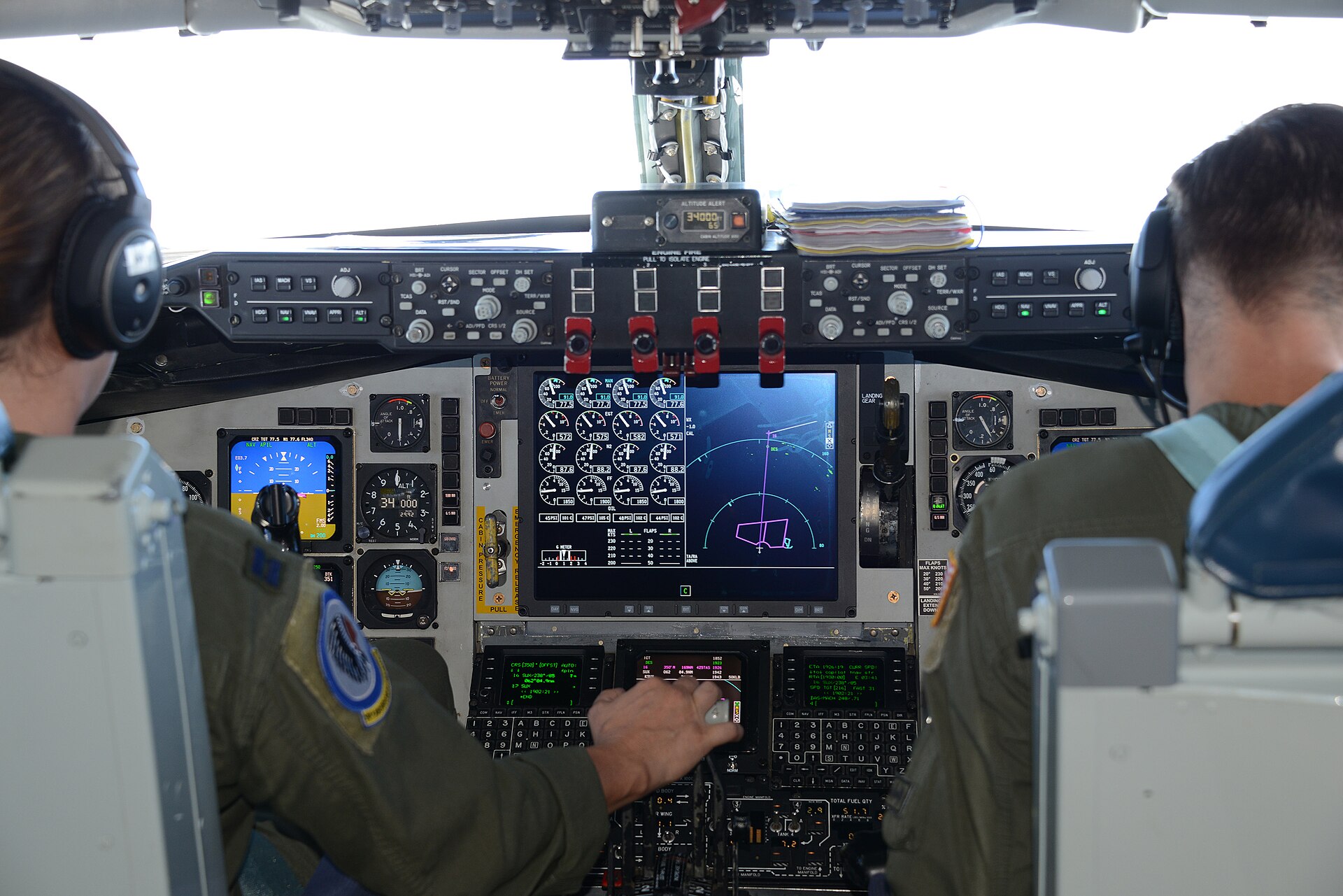
Listen to a flight deck for five minutes and you will hear a language that sounds almost like
English but keeps refusing to be it. Nine becomes niner. Three loses its “th”. A pilot in trouble
says the same word three times in a row. None of that is habit or theatre. Every one of those
choices exists because somebody once failed to be understood on a bad radio, and the consequences
were serious enough that the fix was written into international law.
Niner, tree and fife: numbers rebuilt for a bad radio
Aviation does not pronounce numbers the way the rest of us do. The International Civil Aviation
Organization specifies the pronunciation of every digit, and several of them are deliberately
deformed:
- 3 is spoken as “tree”
- 4 is spoken as “fower”
- 5 is spoken as “fife”
- 9 is spoken as “niner”
The reasoning is the same in each case. The “th” sound in three does not exist in many languages
and is one of the first things lost to radio distortion, so it is dropped. Five and fire are close
enough to be dangerous on a noisy frequency, so five gains a consonant. And nine is lengthened
because it is a single syllable that can be clipped to almost nothing, and because it sounds very
like the German “nein”, meaning no. On a frequency shared by crews from thirty countries, a
controller cannot afford to wonder whether a pilot just said a number or refused an instruction.

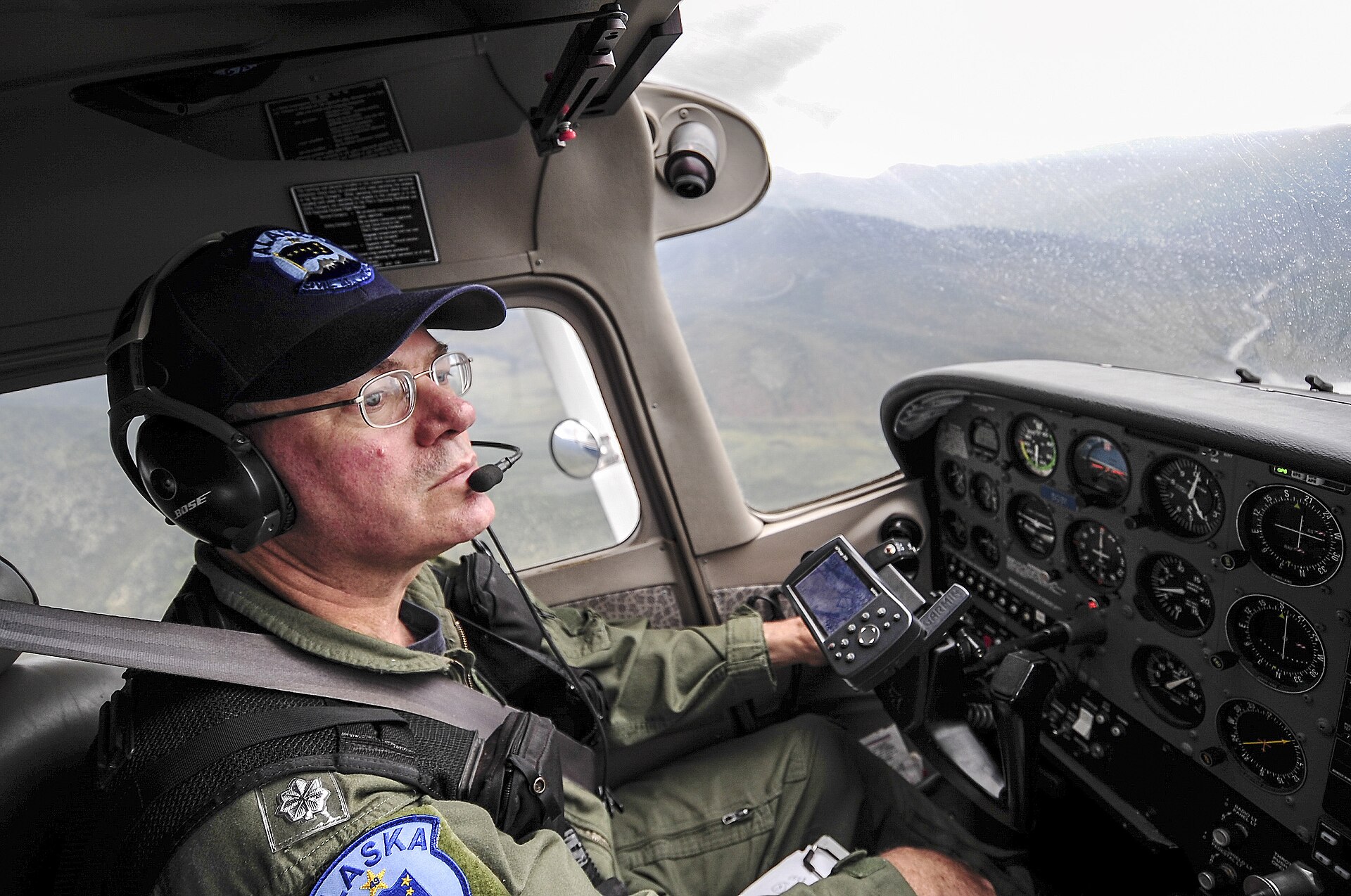
This is also why read backs exist. A controller issues an instruction, the pilot repeats the
critical parts of it, and the controller listens to the repetition. Two people have to make the same
mistake in the same way before it survives.
Mayday, and why it is always said three times
Mayday is not an English word and it has nothing to do with the month. It was coined in 1923 by
Frederick Stanley Mockford, a senior radio officer at Croydon Airport in London, who was asked to
think of a distress word that would be understood by both British and French crews. Most of
Croydon’s traffic at the time flew to Le Bourget in Paris, so he took the French phrase for come and
help me, “venez m’aider”, and anglicised the end of it.

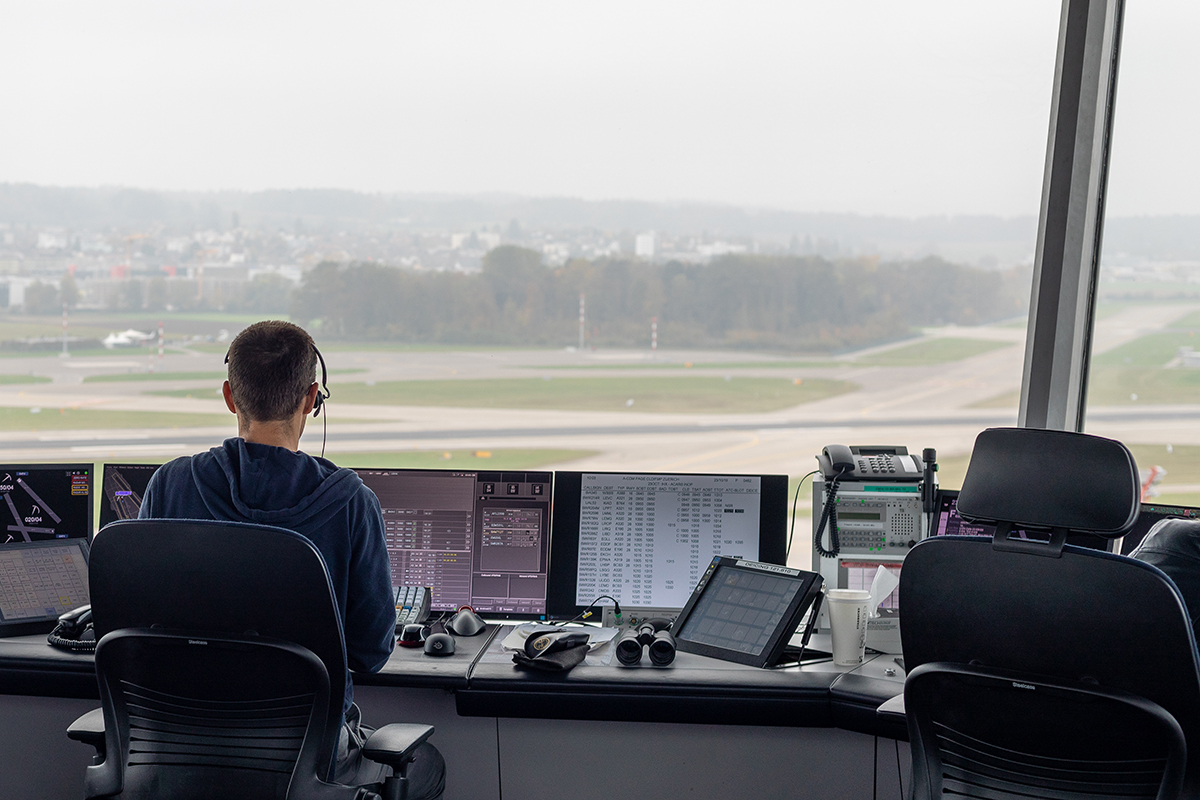
It is spoken three times, “mayday mayday mayday”, for two reasons that are easy to miss. The
first is simple redundancy: if the frequency is busy or the signal is poor, three attempts give the
word three chances to arrive intact. The second matters more. Saying it once could be a pilot
discussing a mayday, quoting one, or asking about one. Saying it three times in sequence is a
format, and a format cannot be mistaken for conversation.
Pan-pan, the call most passengers never hear about
Below mayday there is a second level, and it is the one you are far more likely to be sitting
through without knowing. “Pan-pan”, also spoken three times, signals urgency rather than distress.
It comes from the French “panne”, meaning a breakdown or failure.
The distinction is about immediacy rather than seriousness. Mayday means the aircraft or the
people on board are in grave and imminent danger. Pan-pan means something is wrong and the crew
wants priority and attention, but nobody is about to die. A sick passenger, a failed generator or a
single engine shut down precautionarily on a twin are all classic pan-pan situations. The crew get
a clear path, the controller stops asking routine questions, and the cabin often hears nothing
unusual at all.


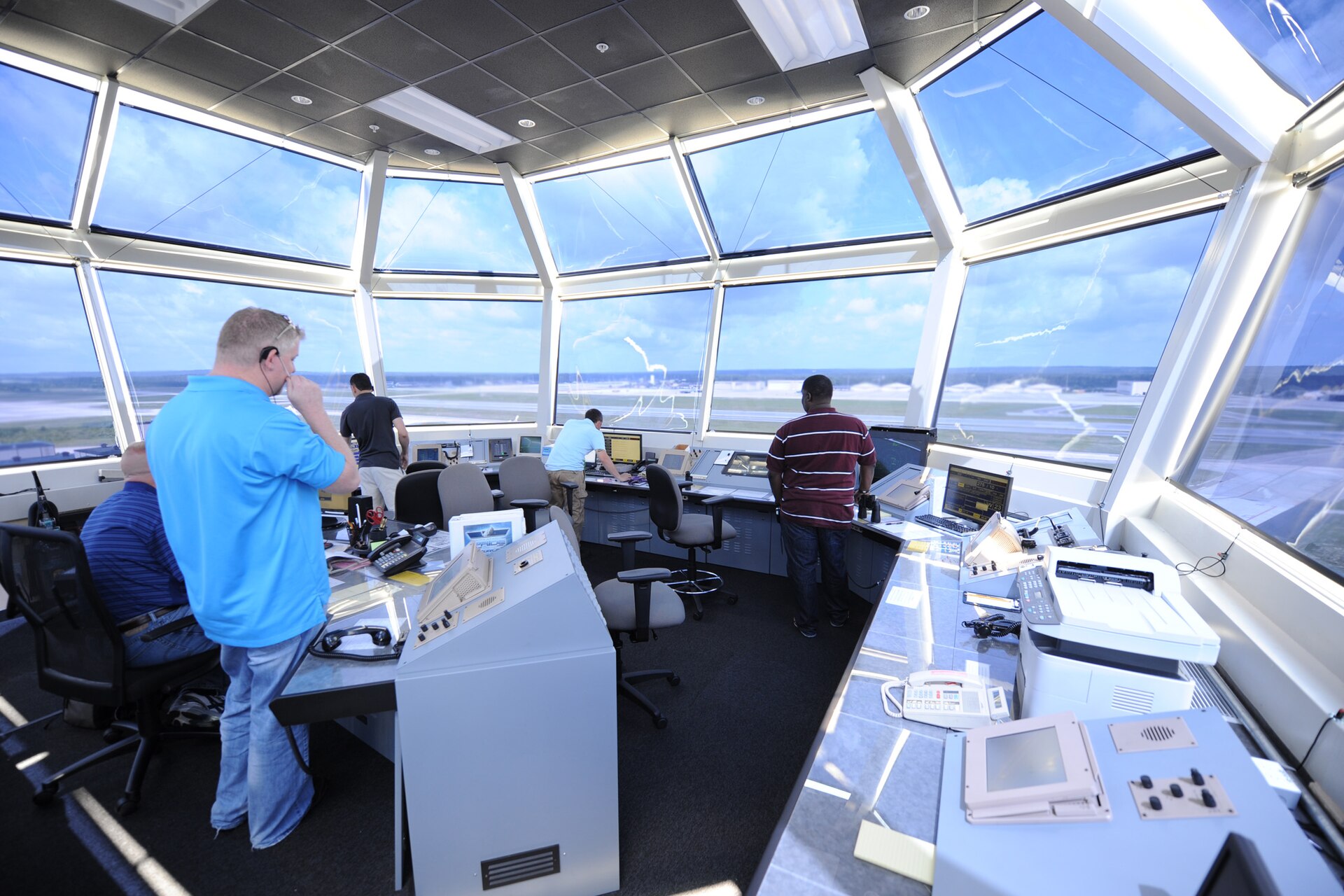
Souls on board, and why the question sounds so strange
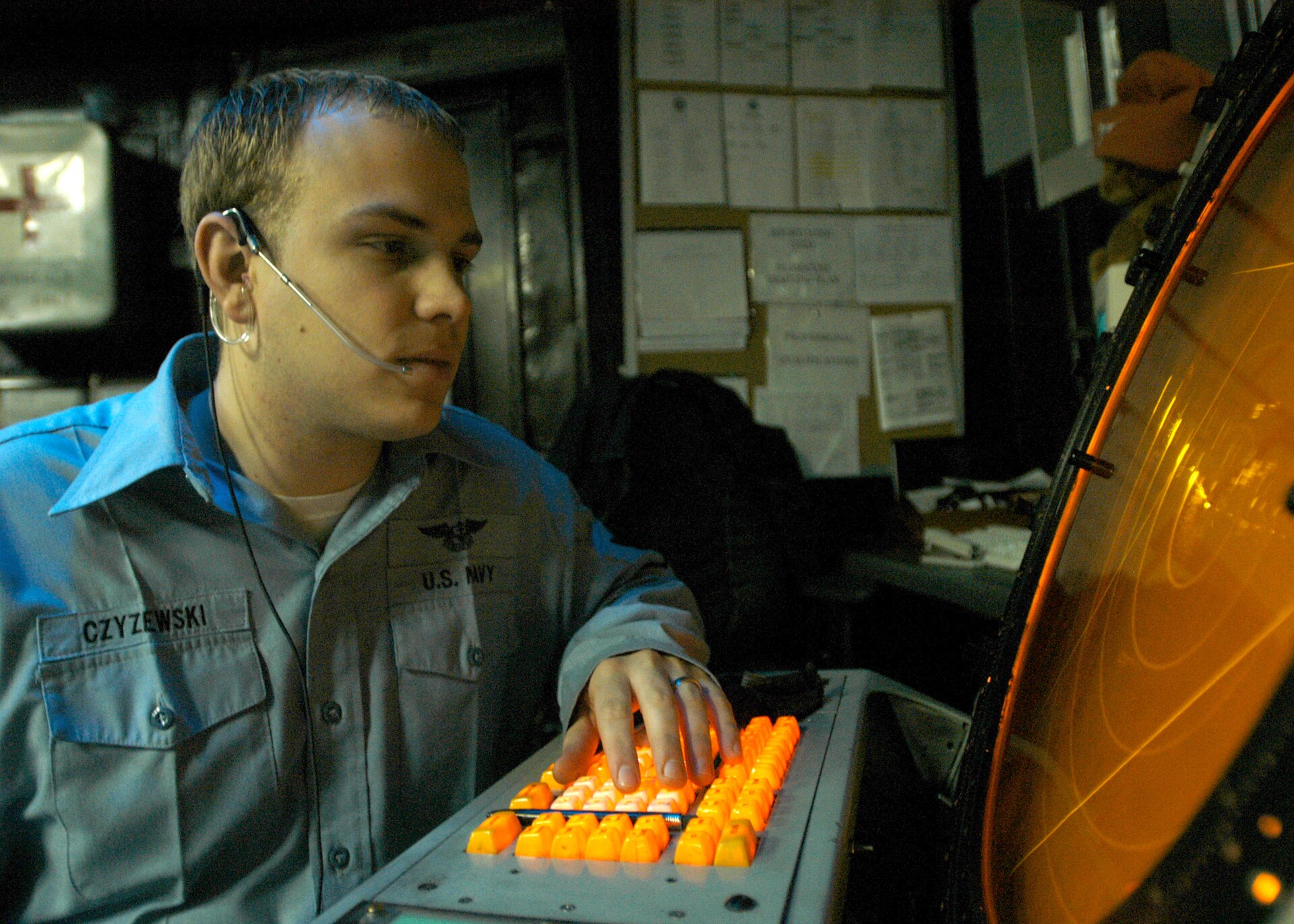
If a crew declares an emergency, a controller will ask for fuel remaining and “souls on board”.
The phrase is jarring the first time you hear it, and it is deliberate. It does not mean passengers,
and it does not mean ticketed passengers. It means every living person on the aircraft: passengers,
flight crew, cabin crew, infants on laps, positioning staff, anybody. The people waiting on the
ground need one number, and they need it to be unambiguous under the worst possible conditions.
What the flight deck is actually saying before takeoff
Much of what you hear as a passenger is a translation of something more precise happening a few
metres away. “Cabin crew, seats for departure” is the flight deck telling the cabin that the
takeoff roll is imminent and that cabin crew should be strapped in and silent on the interphone
unless something is wrong.
During the roll itself the two pilots speak a short, fixed script. “V1” is the speed past which
the takeoff will be continued even if an engine fails, because there is no longer enough runway to
stop. “Rotate” is the call to lift the nose. “V2” is the safe climb speed on one engine. These are
not announcements. They are the crew telling each other which decisions are still available.

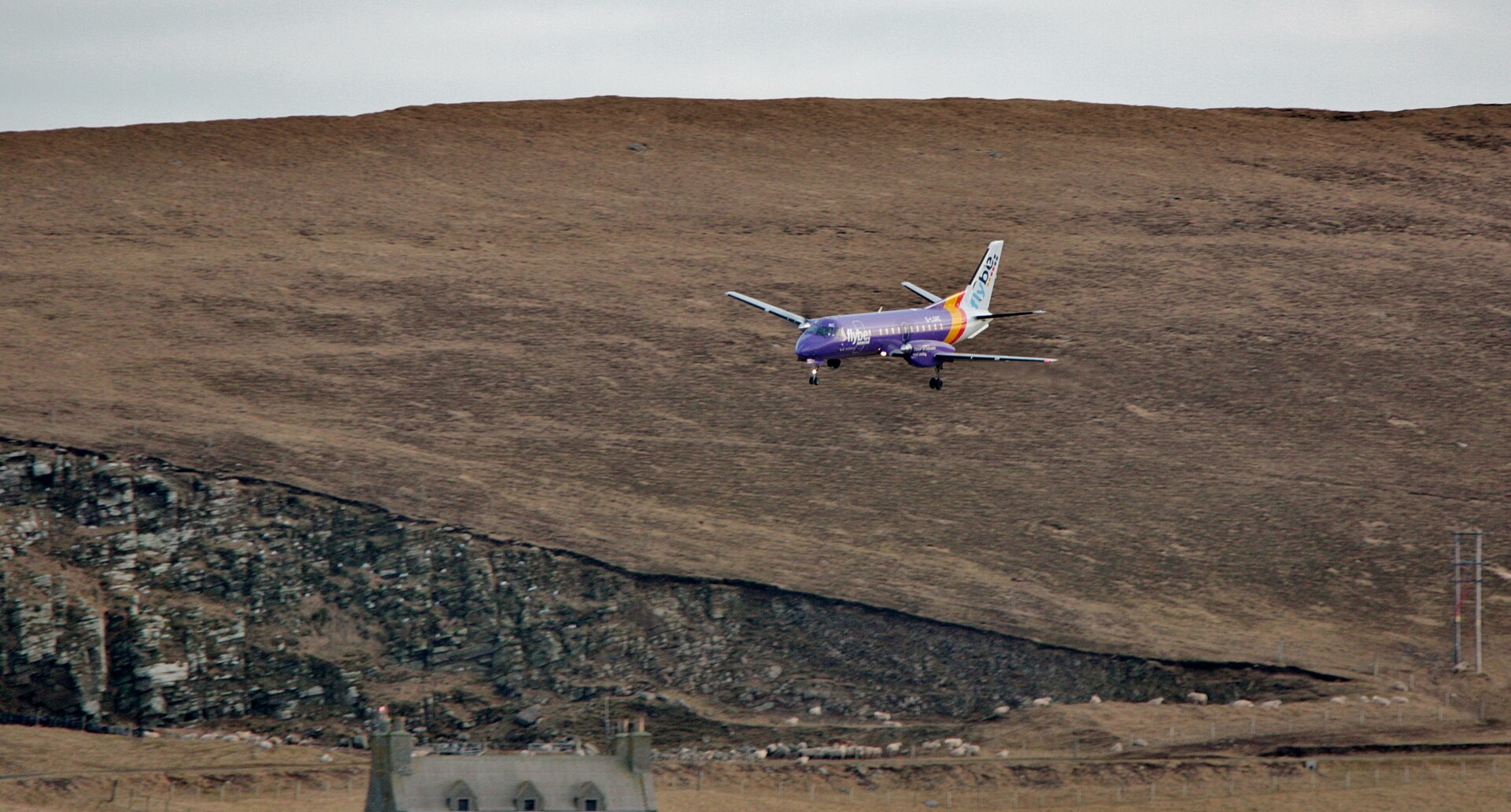
What the landing announcement really means
On descent you will hear something like “cabin crew, doors to arrival and crosscheck”. It sounds
like bureaucracy and it is actually a safety interlock. In flight, every door is armed, which means
the escape slide will deploy automatically if that door is opened. Before passengers disembark the
slides have to be disarmed, or opening a door at the gate fires a slide into the jet bridge and
sometimes into a member of ground staff.
“Doors to arrival” is the instruction to disarm. “Crosscheck” is the instruction to verify
somebody else’s work: each cabin crew member confirms the door opposite has been done. It is the
same principle as the read back on the radio. One person acting alone is one mistake away from a
bad outcome, so the procedure requires two.
Where these rules actually come from
None of this is folklore. The pronunciation of numbers and letters, the distress and urgency
signals and the structure of a radio call are set out in ICAO Annex 10, Volume II, which covers
aeronautical telecommunications, and are implemented nationally: in the United States through the
FAA’s Aeronautical Information Manual, and in the United Kingdom through the Civil Aviation
Authority’s CAP 413 radiotelephony manual.
Read enough of it and a pattern emerges. Almost every rule in aviation phraseology is a response
to a specific way that human speech fails: too fast, too quiet, too similar to another word, or too
easy to mistake for conversation when it was meant as a declaration. Niner is not a quirk. It is a
fix.