


Earlier we brought to our readers two of the most amazing lists comprised of the iconic warplanes from World War II and now we are back with some more. Actually, we cannot help ourselves to commemorate all the great fighter planes that helped the air forces during one of the biggest wars that the world has ever seen.
So to cut the talk short, we bring to our readers a new list of the amazing planes of World War II (part 3).
VL Myrsky
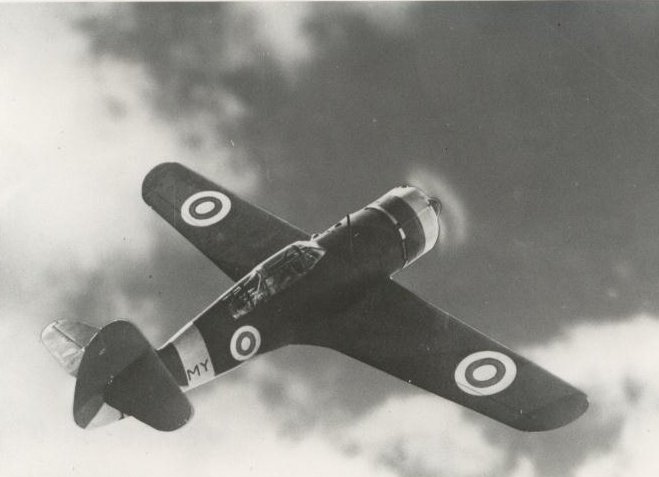
VL Myrsky might be the lesser known fighter plane from World War II; it is still the only Finnish designed fighter plane from the era that deserves the right to have fame of its own. The aircraft was designed by not one but here genius engineers who are named as follows.
- Edward Wegelius
- Martti Vainio
- Torsti Verkkola
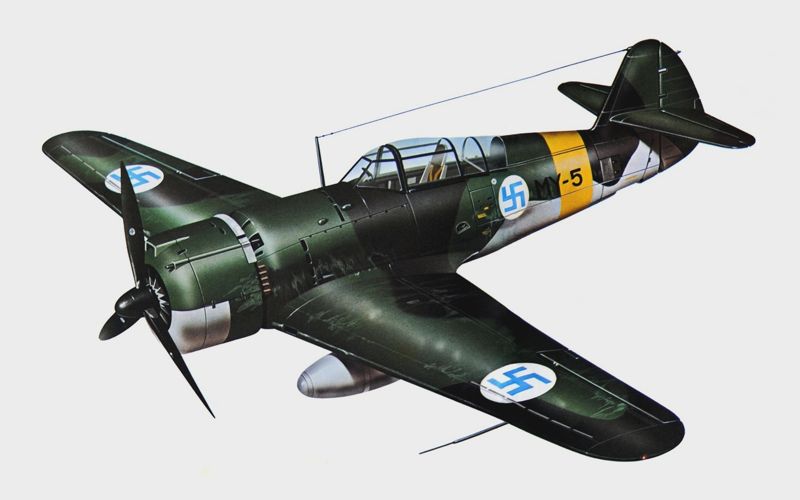
The VL Myrsky, which was introduced into the service back in 1941, was named because the Myrsky in its name translates to “Storm” in Finnish. The aircraft held true to its name as it was able to hold its own against the Soviet fighters during dogfights.
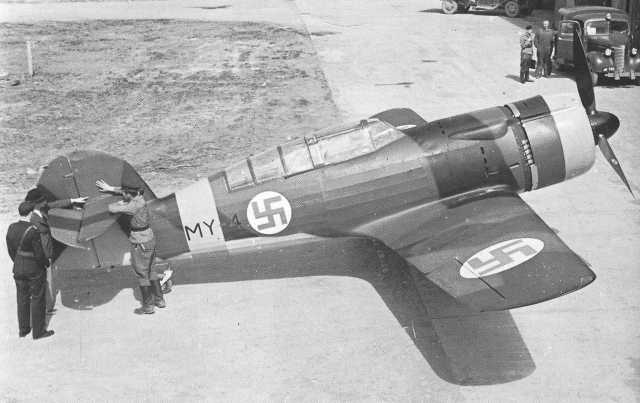
The aircraft was built firstly around a duraaluminum body but with the shortage of time and the raging war, the aircraft had to be built from plywood and canvas that was built around the steel frame. Due to these shortcomings in its designing material, the aircraft suffered from cold and wet conditions problems but all of this was made up by its superior maneuverability as well as its armaments.
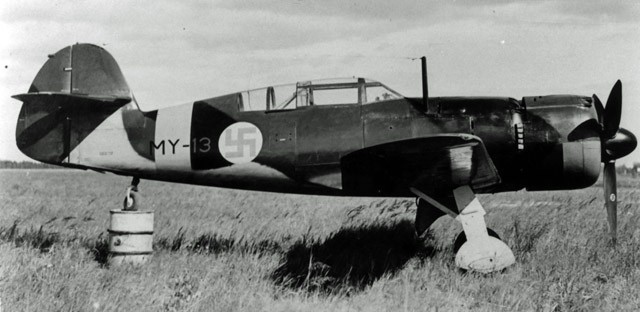
The aircraft was able to fly at a top speed of 330 mph and had deft banking and climbing capabilities midflight. Combined with its 4 VKT 12.7 mm machine guns, this small in size aircraft proved to be a great threat to enemy forces.
CAC Boomerang
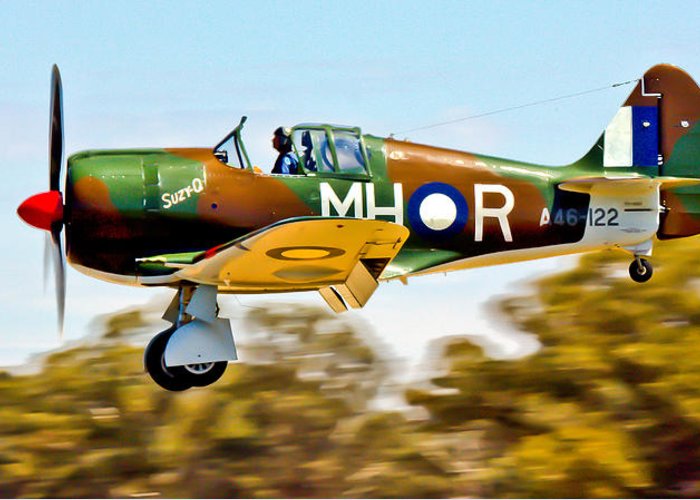
The CAC Boomerang was the first of the military aircraft to be designed in Australia and its mass production started back in 1942 by the Commonwealth Aircraft Corporation. The production line lasted until 1945. This was a single seater fight plane that was built especially for air-to-air missions.
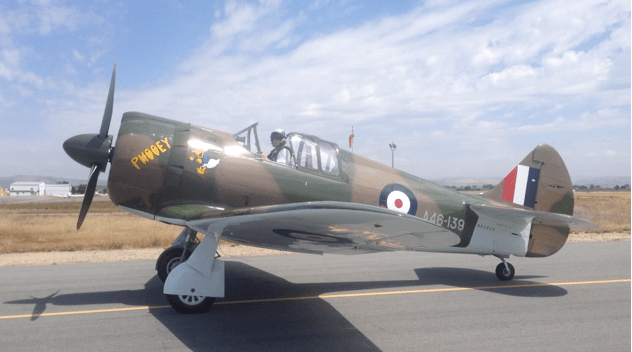
The primary role of the CAC Boomerang was to be the replacement aircraft for the other fighters on the first line of defense for the military in Australia. However, according to the military record, CAC Boomerang never shot down even a single one of the enemy aircraft.
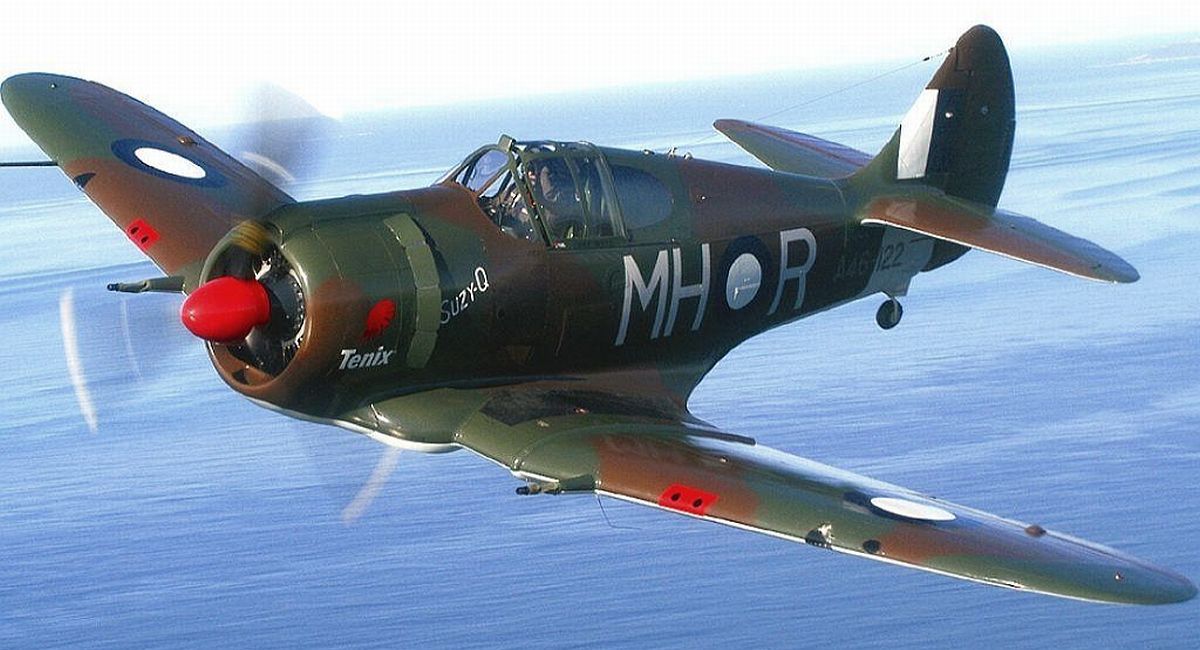
The aircraft is listed in this list because it was found out by the Austrian to be lacking in dogfighting scenarios but proved to be a great air force asset for supporting troops during ground missions.
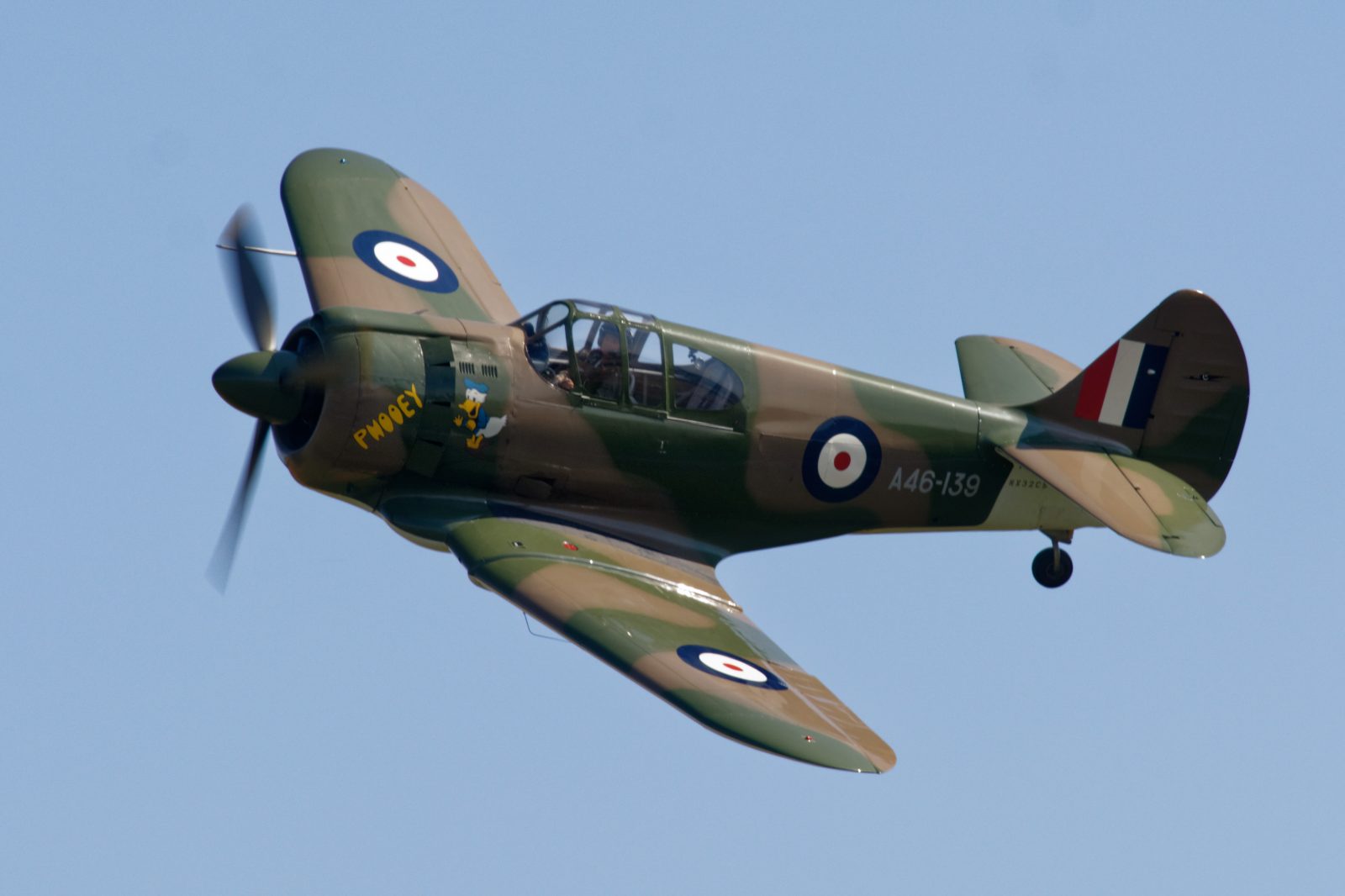
The CAC Boomerang was the one responsible for keeping the Australian troops safe from enemy ground forces at the Southwest Pacific Theater of the war which minimized the casualties and thus earned it a spot in the World War II history.
Fokker D.XXI
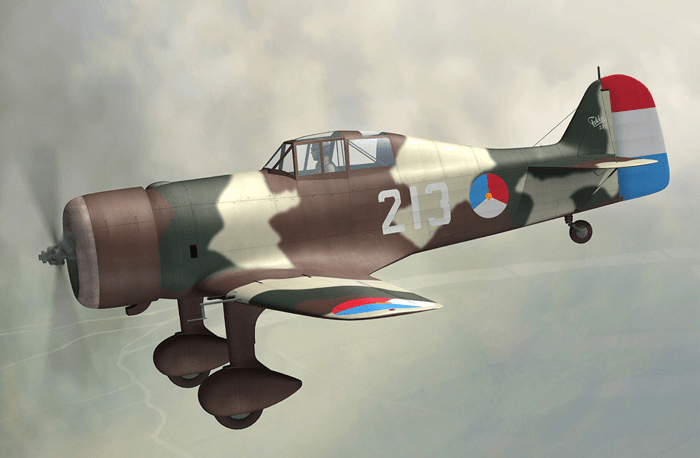
Vis another one of the lesser known aircraft from the World War II era but with impressive service history, this aircraft was able to make it on to our list today. The Fokker D.XXI was built initially to serve the Royal Netherlands East Indies Army Air Force as an affordable fighter plane.
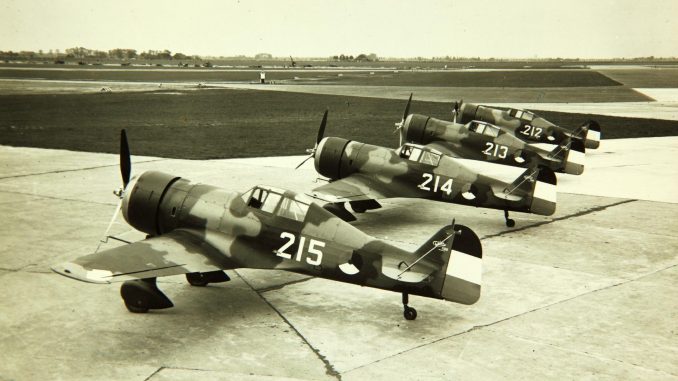
However, due to its many capabilities, the aircraft went on to serve in various air forces of the world militaries. It was built to serve in colonial Southeast Asia but some of them were acquired by Spanish Air Force back in 1936 to serve during the Spanish Civil War.
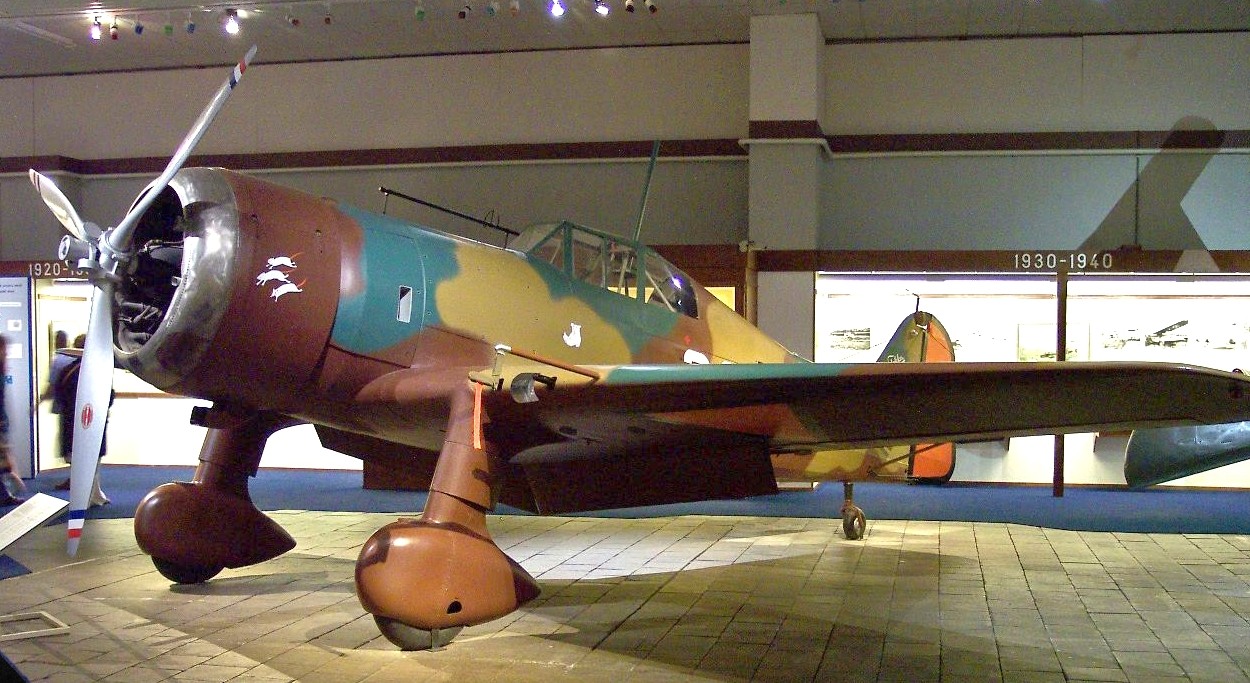
The role of Fokker D.XXI once more spread when Germany started a war with the Netherlands and during that time Fokker D.XXI proved to be a valuable asset due to its deft maneuvering. More glory was heralded by Fokker D.XXI when it served the Netherlands during their war against the Soviet Union.
The Fokker D.XXI proved with time and service that its rugged and nimble design was able to meet up with any war conditions as well as any of the fighter planes that USSR had to offer for competition.
Republic P-43 Lancer
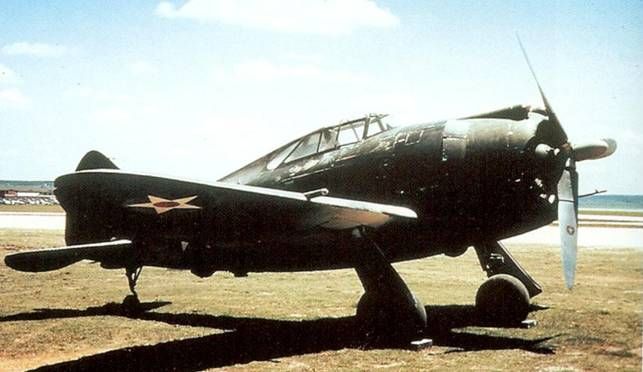
The Republic P-43 Lancer was built initially for the US Army Air Corps from years in between 1940 to 1942 as a dogfighting aircraft but it was later switched to the role of being a long-range purist as well as an interceptor aircraft.
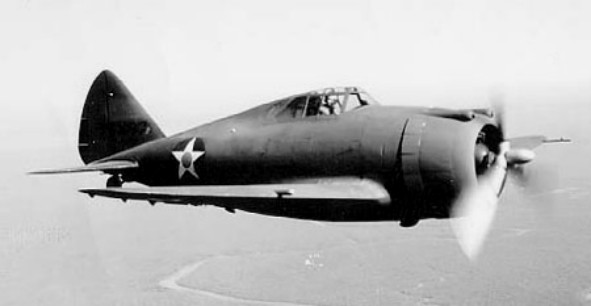
The Republic P-43 Lancer was a single seater and a single-engine aircraft that had an all-metal design that had an impressive range of nearly 650 miles. An advanced oxygen system was incorporated inside the Republic P-43 Lancer that allowed it to fly at greater altitudes of 36000 feet which no other aircraft could archive during that era.
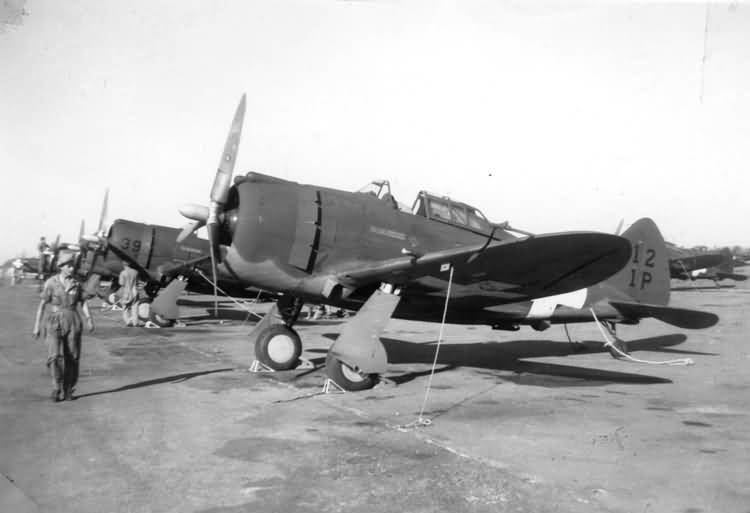
This high altitude service feature when combined with its armament of 4 .50 caliber Browning M2 machine guns gave it quite an edge over the pursuing enemy bombers from both a range and altitude.
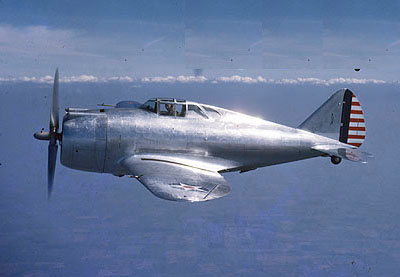
The Republic P-43 Lancer was the only American fighter plane that was able to catch up to and shoot down the Japanese built Dinah Reconnaissance aircraft.
Lockheed P-38 Lightning
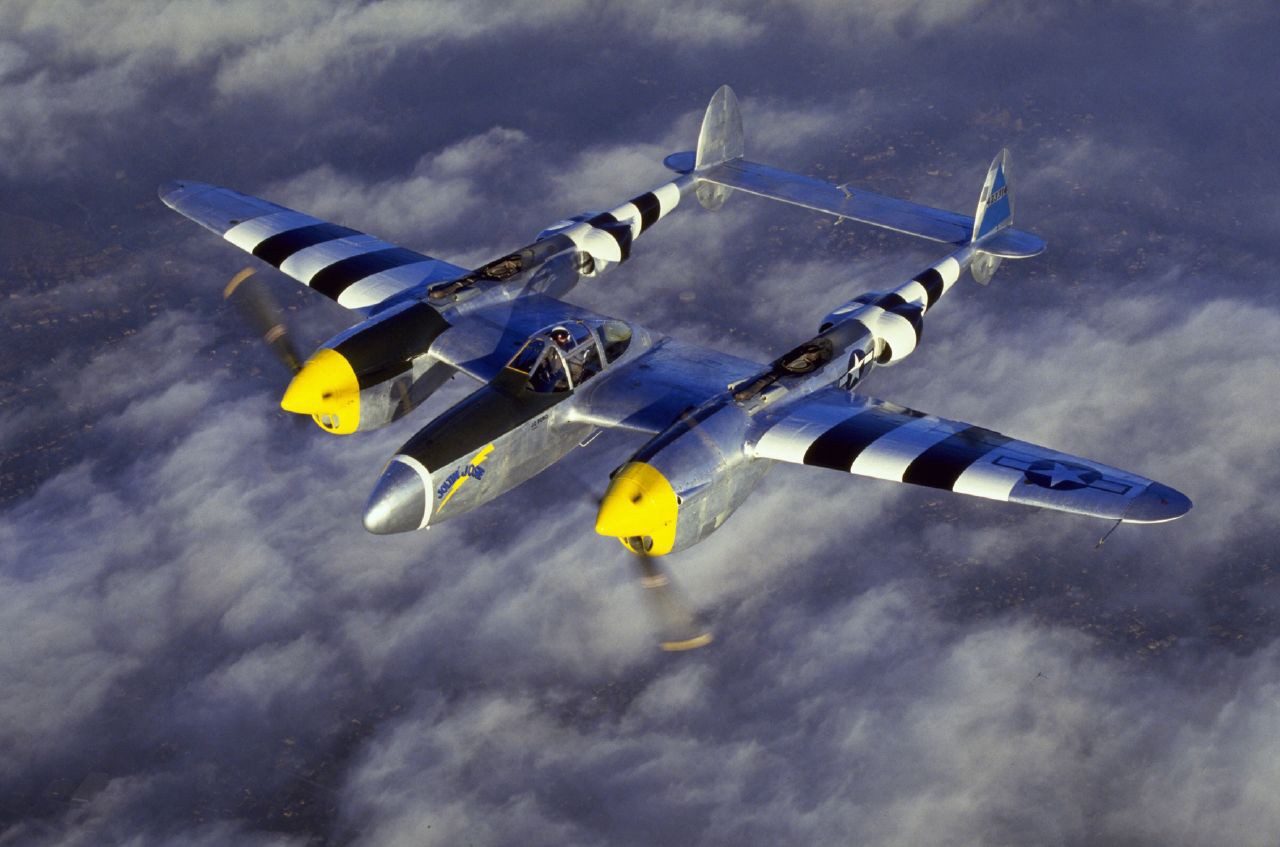
The Lockheed P-38 Lightning was designed by the legendary aviation engineer Clarence Kelly Johnson at Lockheed Martin. Kelly Johnson is also the man who is responsible for building the famed SR-71 Blackbird. When the Lockheed P-38 Lightning made its service entry back in 1941, it was like a bolt of lightning to the enemy forces out of nowhere.
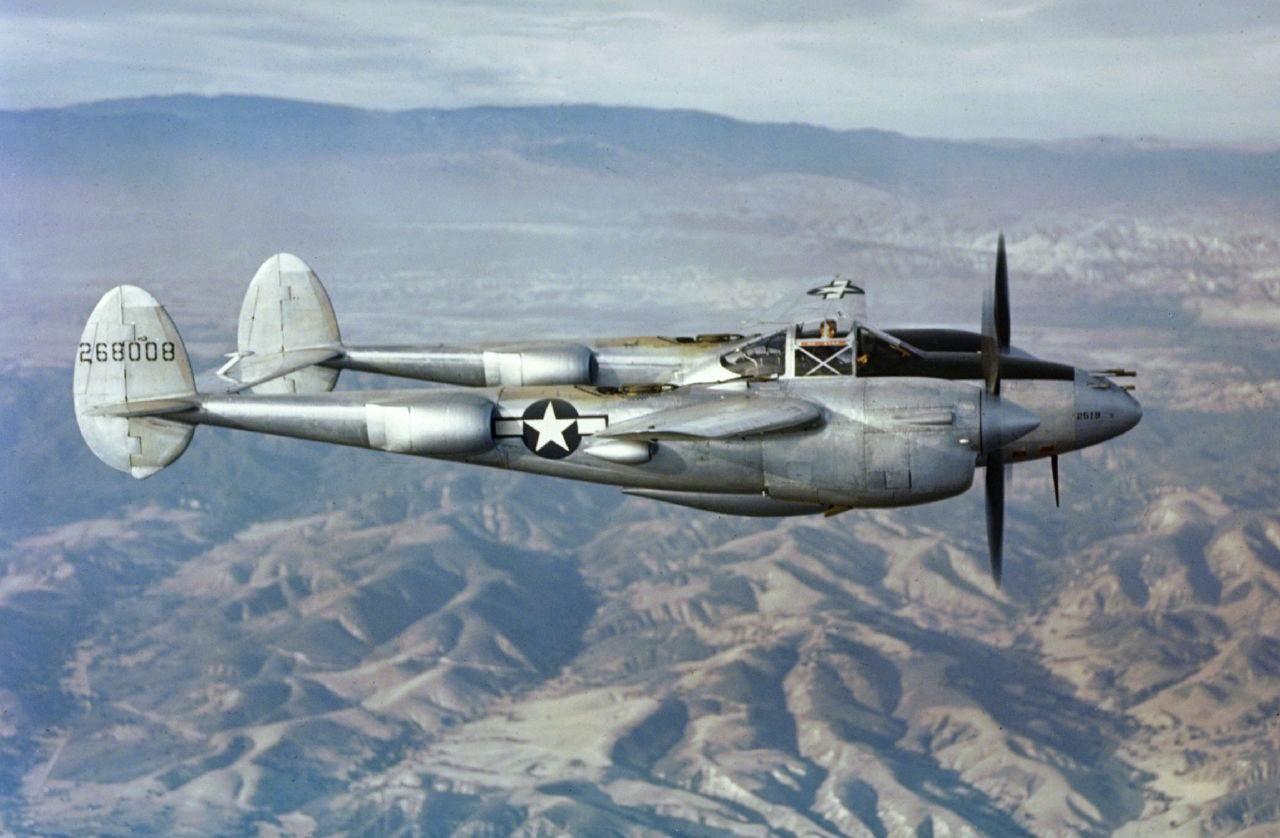
The body of the Lockheed P-38 Lightning was consistent of two booms that had engine and props while having a middle mounted fuselage that also had the cockpit. Despite its large body design, the Lockheed P-38 Lightning was single-seater aircraft that was able to deliver quite amazing feats during the war.
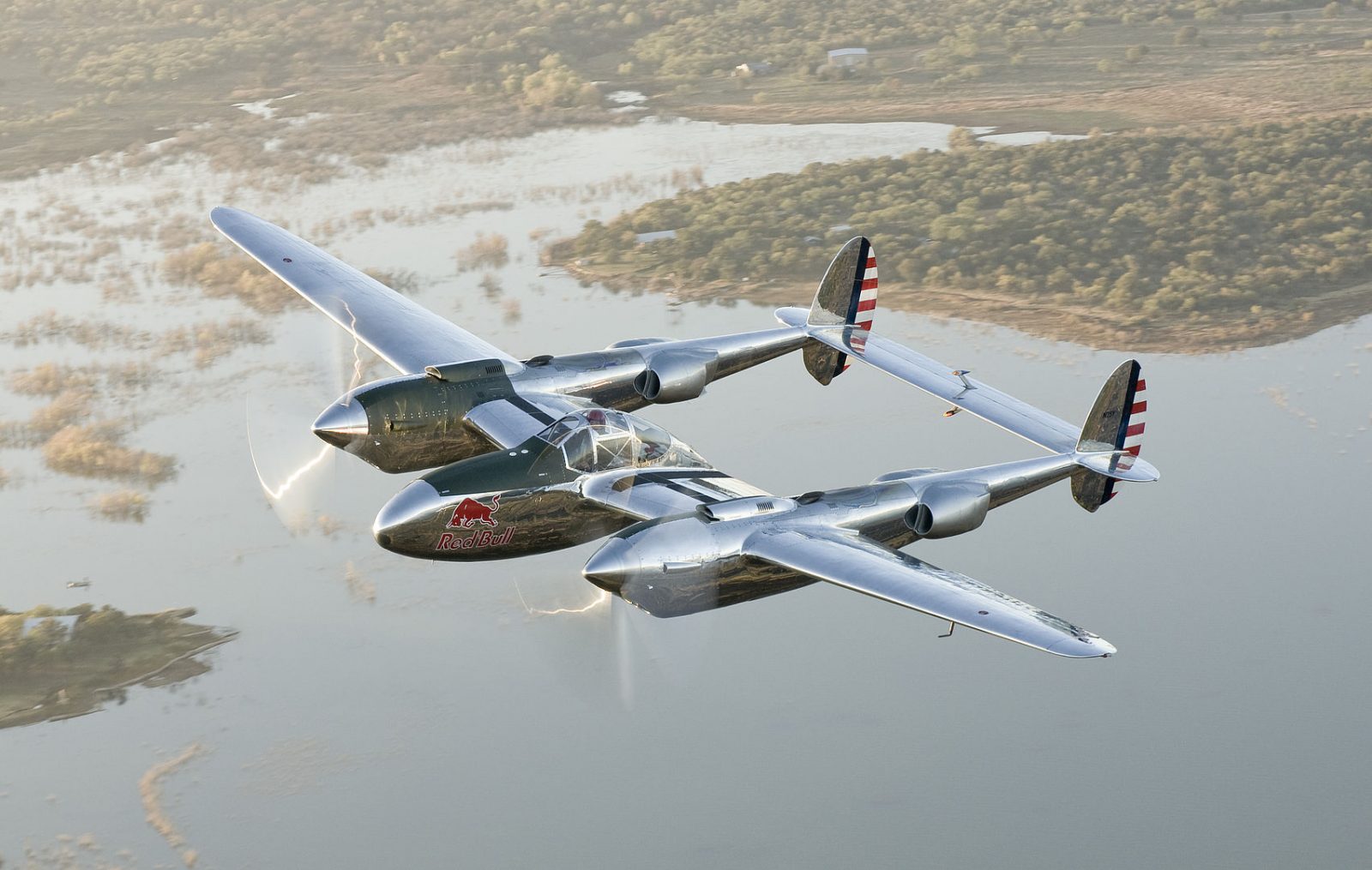
The aircraft had a top speed of nearly 400 mph and was able to catch up to nearly all kinds of enemy aircraft in skies. As for putting the enemy in a world of pain, it was equipped with the following weapons.
- A single 20 mm cannon
- 4 of the .50 caliber Browning M2 machine guns
- 4 of the 3-tube M10 Rocket Launchers
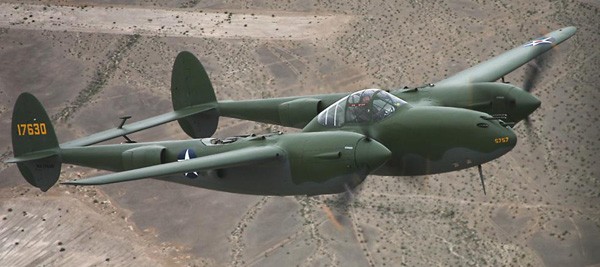
The aircraft could also be modified to serve as a fighter bomber that had the ability to carry an ordinance of 2000 pounds of bombs that could be dropped from various drop points on the aircraft.
Related Content
