

Close Menu
    What's Hot

    Can a Plane Land on Water? What Ditching Certification Actually Requires

    October 12, 2026

    How Long Does a Pilot Stay Current? The 90 Day Rule and the Flight Review

    October 11, 2026

    What Medical Certificate Do Pilots Actually Need? Class 1, 2, 3 and BasicMed

    October 9, 2026
    X (Twitter) Pinterest YouTube TikTok Facebook Instagram
    Crew DailyCrew Daily
    Subscribe
    • Home
    • Aircraft & Technology
    • Cockpit & Operations
    • News
      • Aviation Updates
    • Pilot Careers
    • Flight Training
    Crew DailyCrew Daily
    Home » Advanced Aircraft Technology Shaping U.S. Military Aviation
    Aviation Updates

    Advanced Aircraft Technology Shaping U.S. Military Aviation

    Capt. James HarlowBy Capt. James HarlowOctober 15, 2024Updated:November 7, 2024No Comments4 Mins Read
    Facebook Twitter Pinterest LinkedIn Tumblr Email
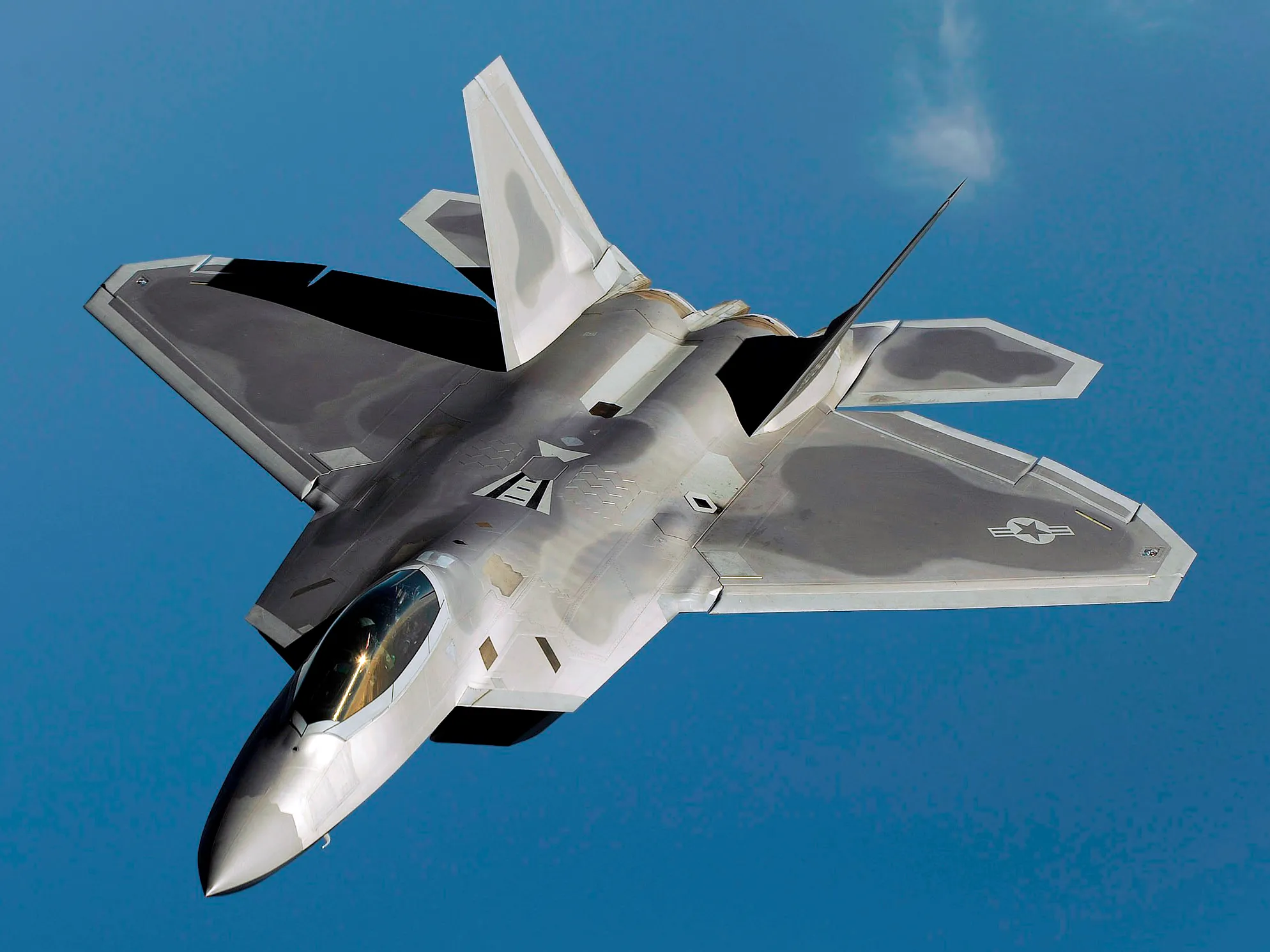
    F 22 Raptor edit1 cropped | Crewdaily
    Stealth F-22 Raptor flying with clear blue skies.
    Share
    Facebook Twitter LinkedIn Pinterest Email

    Table of Contents

    Toggle
      • The Future of Military Aircraft Technology
      • Stealth Technology: The Game Changer
      • Hypersonic Speeds: Pushing the Limits
        • Artificial Intelligence and Autonomous Systems
      • Enhanced Cockpit Displays and Augmented Reality (AR)
      • Fuel Efficiency and Sustainability in Military Aviation
      • Next-Gen Weaponry: Laser and Directed-Energy Weapons
    • Pilot Training Innovations: VR and Simulation
        • Cybersecurity: A New Battlefield
        • Future Outlook: The Role of Innovation in Air Dominance
      • A New Era of Aviation for U.S. Pilots
        • Like this:

    The Future of Military Aircraft Technology

    In recent years, military aviation has undergone rapid advancements, and the U.S. Air Force is leading the way with cutting-edge aircraft technologies. From stealth capabilities to AI-driven systems, today’s military aircraft are more advanced than ever. This blog explores how innovations are shaping the future of military aviation and why they are essential for pilots flying in high-stakes situations.

    Stealth Technology: The Game Changer

    One of the most groundbreaking advancements in military aircraft is stealth technology. Planes like the F-22 Raptor and the B-2 Spirit are virtually invisible to radar, giving U.S. forces a strategic advantage. This technology not only protects pilots by reducing detection but also allows for more effective operations behind enemy lines.
     Stealth F-22 Raptor flying with clear blue skies.


    Hypersonic Speeds: Pushing the Limits

    Modern military aircraft are reaching hypersonic speeds, exceeding five times the speed of sound. This incredible speed enhances quick-strike capabilities and response times. Aircraft like the hypersonic X-51 Wave rider are being developed to ensure that the U.S. military remains faster and more agile than its adversaries.

    Artificial Intelligence and Autonomous Systems

    AI is changing the face of aviation with pilot-assist technologies that enhance decision-making during combat missions. For example, AI systems can analyze vast amounts of data in real-time, offering insights that allow pilots to make more informed choices. Additionally, autonomous drones are becoming essential companions in combat, capable of flying alongside manned aircraft to gather intelligence and provide extra firepower.

    An autonomous drone assisting a fighter jet in combat.


    Enhanced Cockpit Displays and Augmented Reality (AR)

    The integration of augmented reality (AR) into military cockpits is improving situational awareness for pilots. Advanced helmet displays now provide real-time data on altitude, speed, radar information, and targeting. Pilots can see through the body of the aircraft using AR, giving them a 360-degree view of their surroundings, which is invaluable in combat scenarios.

    Fuel Efficiency and Sustainability in Military Aviation

    Military aircraft are also becoming more fuel-efficient, reducing the environmental impact and increasing operational range. Technologies such as improved aerodynamics and lightweight materials are allowing aircraft to fly longer distances without refueling, giving pilots more flexibility during missions.
    Fighter jet undergoing mid-air refueling during a mission.


    Next-Gen Weaponry: Laser and Directed-Energy Weapons

    Laser weapons, previously confined to science fiction, are becoming a reality in U.S. military aircraft. Directed-energy weapons can destroy enemy targets with pinpoint accuracy, minimizing collateral damage. These weapons are ideal for defending against incoming missile threats, giving pilots a powerful new tool in their arsenal.

    Pilot Training Innovations: VR and Simulation

    The development of virtual reality (VR) and advanced simulators is revolutionizing pilot training. Pilots can now train in lifelike virtual environments that mimic real-world combat situations. These simulators provide a safe space for pilots to practice maneuvers, learn how to handle high-stress scenarios, and improve their skills without risking their lives.
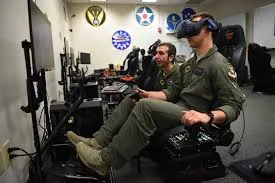
    A military pilot using VR technology for flight simulation training.

    Cybersecurity: A New Battlefield

    As military aircraft become more reliant on digital systems, cybersecurity is becoming a top priority. Modern aircraft are equipped with sophisticated avionics systems that are vulnerable to cyberattacks. Ensuring the security of these systems is critical to maintaining dominance in the air.

    Future Outlook: The Role of Innovation in Air Dominance

    The ongoing advancements in military aircraft technology signify the U.S. military’s commitment to maintaining air superiority. These innovations ensure that U.S. pilots are flying the most advanced aircraft in the world, equipped with the best technology to complete missions safely and effectively.

    A New Era of Aviation for U.S. Pilots

    The integration of advanced aircraft technologies, from stealth capabilities to AI-driven systems, is ushering in a new era of military aviation. These innovations not only enhance the U.S. military’s air combat capabilities but also prioritize the safety and efficiency of the pilots. As technology continues to evolve, the future of military aviation looks brighter than ever for the United States.

    Like this:

    Like Loading…
    Share. Facebook Twitter Pinterest LinkedIn Tumblr Email
    Capt. James Harlow

      Capt. James Harlow is an Airbus A320 and Airbus 330 Captain with over a decade of commercial aviation experience. Currently flying with a major Gulf carrier based in the UAE, he holds licences under GCAA (UAE) regulations and has accumulated thousands of hours on the A320 family across Middle East, European and Asian routes. James founded Crew Daily to provide accurate, experience-based aviation content covering pilot careers, aircraft systems, cockpit operations and Gulf aviation, written from the perspective of someone who flies professionally every day.

      Related Posts

      When Do Pilots Have to Retire? The Age 65 Rule, Exactly

      October 2, 2026

      How You Actually Become a Fighter Pilot (and Why Most People Who Try Never Do)

      September 22, 2026

      The One Number That Rules an Airline Pilot’s Entire Life (It Isn’t Their Salary)

      September 18, 2026
      Our Picks

      When Do Pilots Have to Retire? The Age 65 Rule, Exactly

      October 2, 2026

      How You Actually Become a Fighter Pilot (and Why Most People Who Try Never Do)

      September 22, 2026

      The One Number That Rules an Airline Pilot’s Entire Life (It Isn’t Their Salary)

      September 18, 2026

      Airline Pilot Hiring in 2026: Which Airlines Are Hiring the Most

      September 13, 2026
      Stay In Touch
      • Facebook
      • Twitter
      • Pinterest
      • Instagram
      • YouTube
      • Vimeo
      Don't Miss

      Can a Plane Land on Water? What Ditching Certification Actually Requires

      Cockpit & Operations October 12, 2026

      Not every airliner is certified to land on water. The regulation that covers it opens…

      Like this:

      Like Loading…

      How Long Does a Pilot Stay Current? The 90 Day Rule and the Flight Review

      October 11, 2026

      What Medical Certificate Do Pilots Actually Need? Class 1, 2, 3 and BasicMed

      October 9, 2026

      The Alcohol and Drug Rules Pilots Actually Fly Under

      October 5, 2026

      Crew Daily publishes aviation news, aircraft guides, cockpit insights and pilot career information for aviation professionals and enthusiasts.\n\nEmail Us: [email protected]

      Navigation
      • About us
      • Contact Us
      • Privacy Policy
      • Terms and Conditions
      • DCMA
      Our Picks

      Can a Plane Land on Water? What Ditching Certification Actually Requires

      October 12, 2026

      How Long Does a Pilot Stay Current? The 90 Day Rule and the Flight Review

      October 11, 2026

      What Medical Certificate Do Pilots Actually Need? Class 1, 2, 3 and BasicMed

      October 9, 2026
      X (Twitter) Pinterest YouTube TikTok Facebook Instagram
      © 2026 Crewdaily.com.

      Type above and press Enter to search. Press Esc to cancel.

      %d