


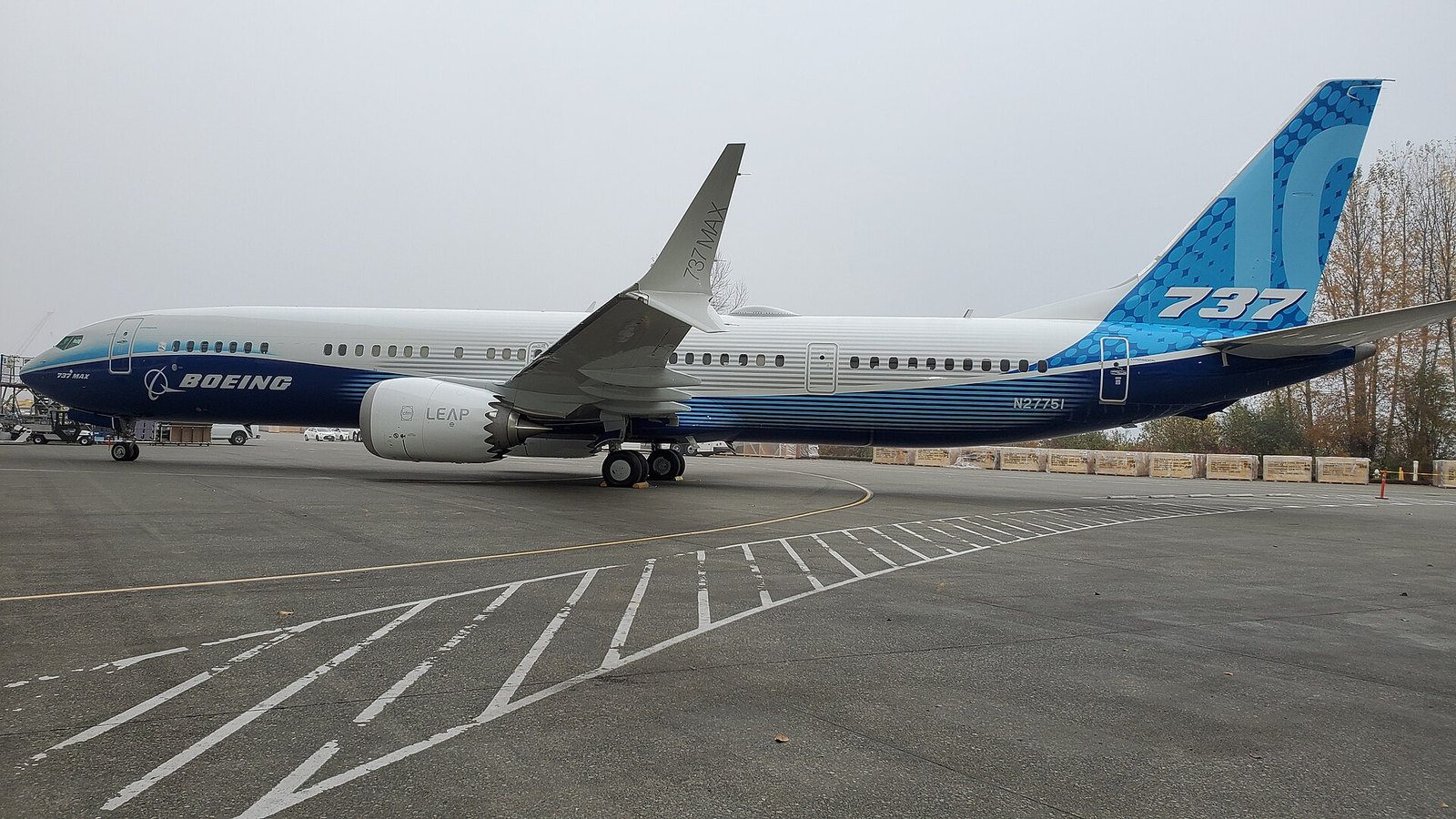
The FAA approved the amended type certificate for the Boeing 737-10 on 20 October 2026, which means the largest member of the 737 MAX family is now legally allowed to carry passengers. Boeing says deliveries will begin “in the coming months”, and the aircraft seats up to 230 people in a maximum layout, or 185 to 210 in the two class cabins most airlines will actually fly.
That ends a wait that ran for five years and four months after the aeroplane first flew, on 18 June 2021 out of Renton, and for almost seven years since it was rolled out of the same factory in November 2019. Here is what the certificate covers, why it took so long, and which airlines are in the queue.
What the FAA actually approved
Two documents, not one. The FAA issued an amended type certificate, which is the approval covering the design, and an updated Production Limitation Record, which is the permission to build the thing at scale. Boeing’s announcement says the signing happened at a ceremony in Everett, Washington, where the Transportation Secretary handed the paperwork over.
The numbers behind the certificate are worth reading slowly. Boeing counts nearly 1,000 test flights, more than 2,000 flight hours in the air and another 1,000 hours of ground testing. The company also says the 737-10 is the first commercial aeroplane certified to the full extent of the 2020 Aircraft Certification, Safety, and Accountability Act, the law Congress passed after the two MAX 8 crashes, which forced far heavier documentation of safety assessments and of how the flight deck behaves under a real crew’s hands.
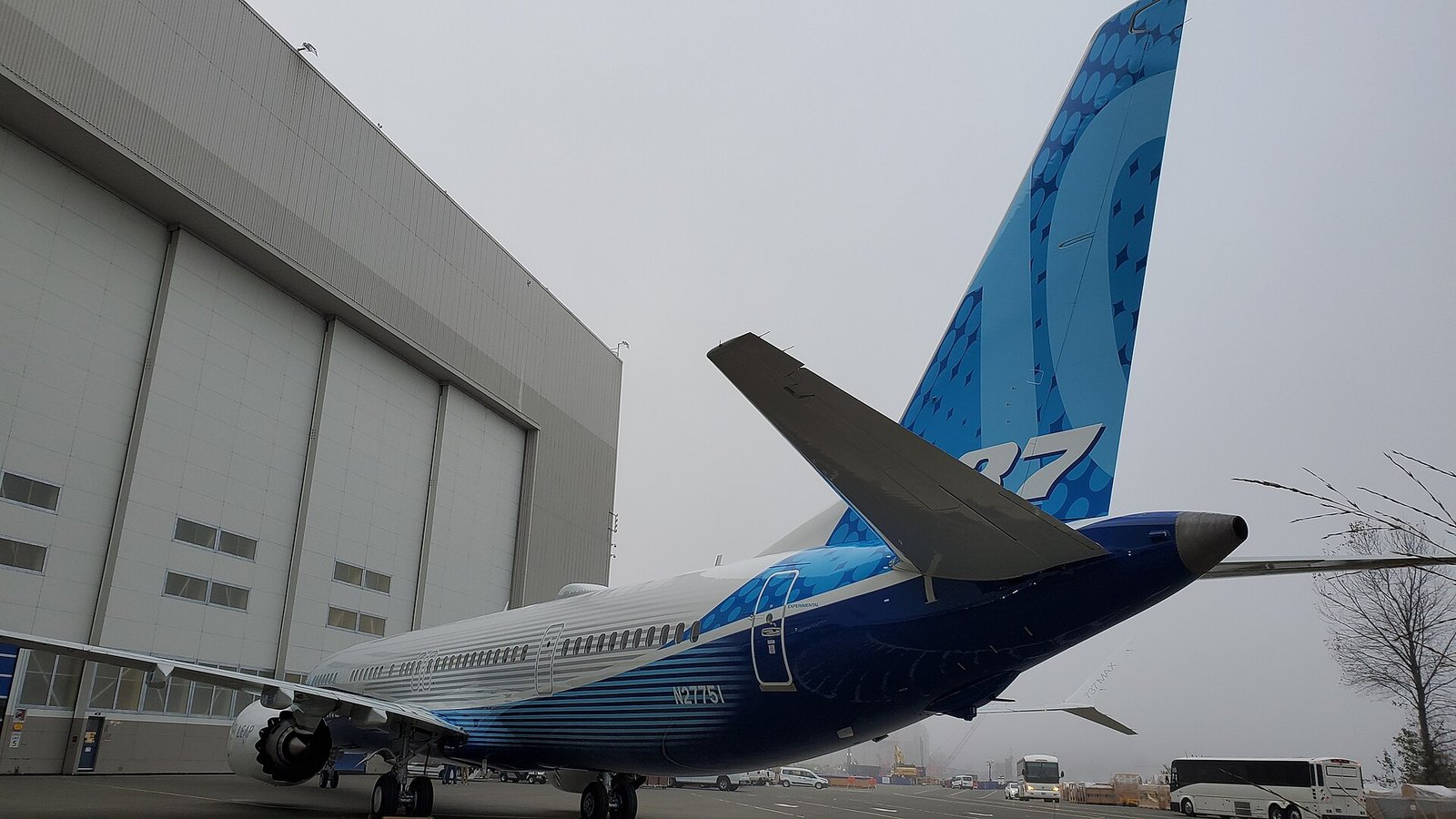
The headline specification is length. The 737-10 is the longest 737 Boeing has ever built, which is where the 230 seats come from, and it flies up to 3,100 nautical miles, about 5,740 km. That is enough for a US transcontinental, for most of Europe to the Canaries or the eastern Mediterranean, and not much further.
Why it took more than five years
The delay had almost nothing to do with the aeroplane and almost everything to do with the law. The same 2020 act set a deadline of December 2022, after which any newly certified airliner needed a modern crew alerting system, the kind that tells pilots in plain language which system has failed and in what order to deal with it. The 737 flight deck, a design lineage that goes back to 1967, does not have one. Neither the MAX 7 nor the MAX 10 was going to be certified in time.
Boeing asked Congress for an exemption and got it, inside the year end spending package in December 2022. The exemption was conditional rather than free: the rule still stands for aircraft whose certification work began after the deadline, and Boeing committed to retrofits across the MAX family within a set window after the MAX 10 was approved. The pilots’ union at American Airlines opposed the exemption at the time, and a report commissioned by the FAA from MITRE criticised the original form of it.
What followed was four more years of flight testing, engine anti ice work across the whole MAX family, and a regulator that had been publicly criticised for delegating too much to Boeing deciding to check the homework itself. The 737-7, the smallest of the family, got its own amended type certificate in August 2026, two months before its big brother. Our earlier piece on the MAX 7 certification timeline tracked that process while it was still open.
Who gets them, and when
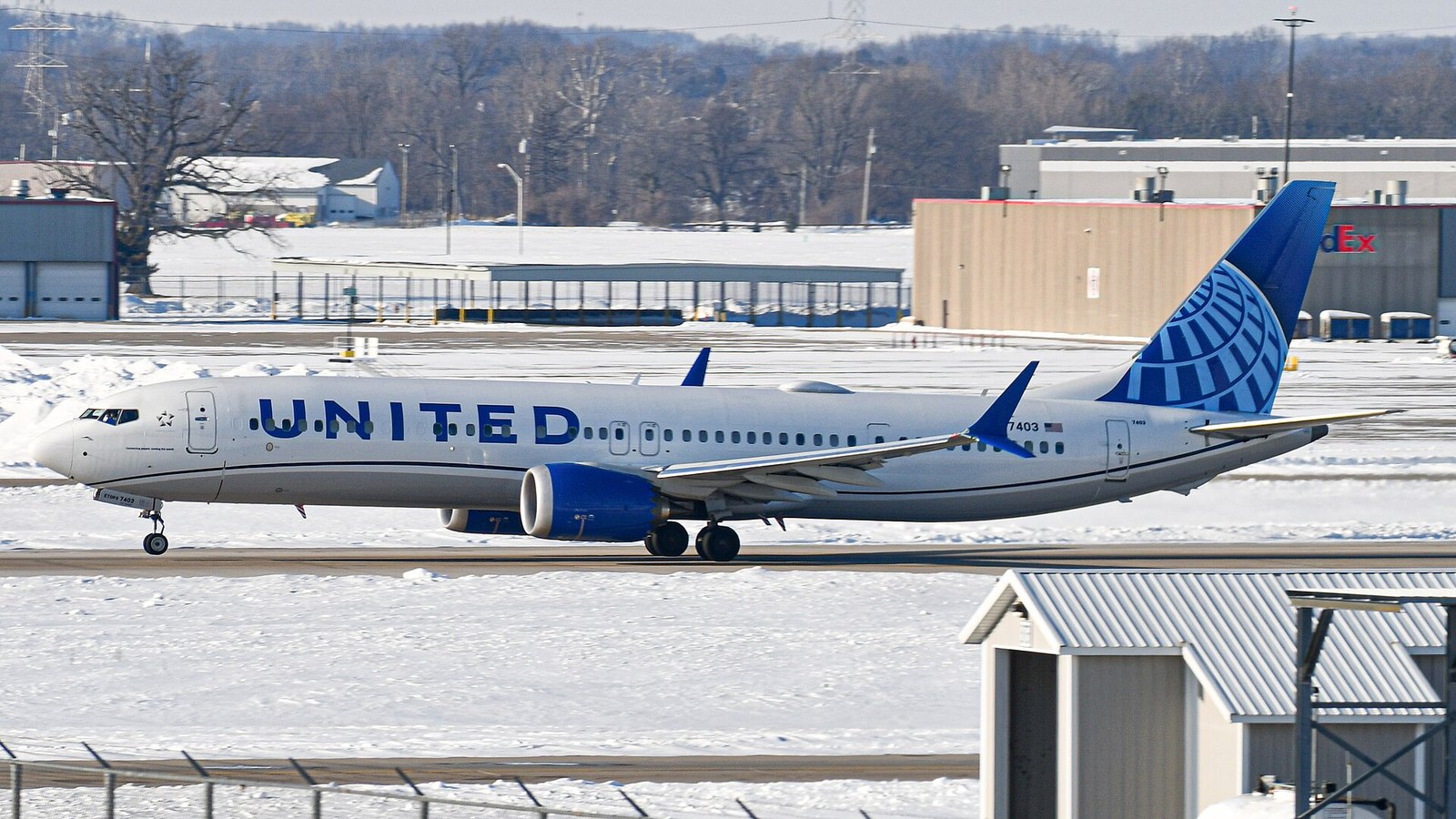
Boeing reports 1,555 orders for the 737-10 from more than 30 customers, which is over 30 percent of the entire MAX order book. Reported customer tallies put United at around 167 aircraft, Ryanair at 150 with options that could take it to 300, Alaska at 105 with 35 options, and Delta at 100.
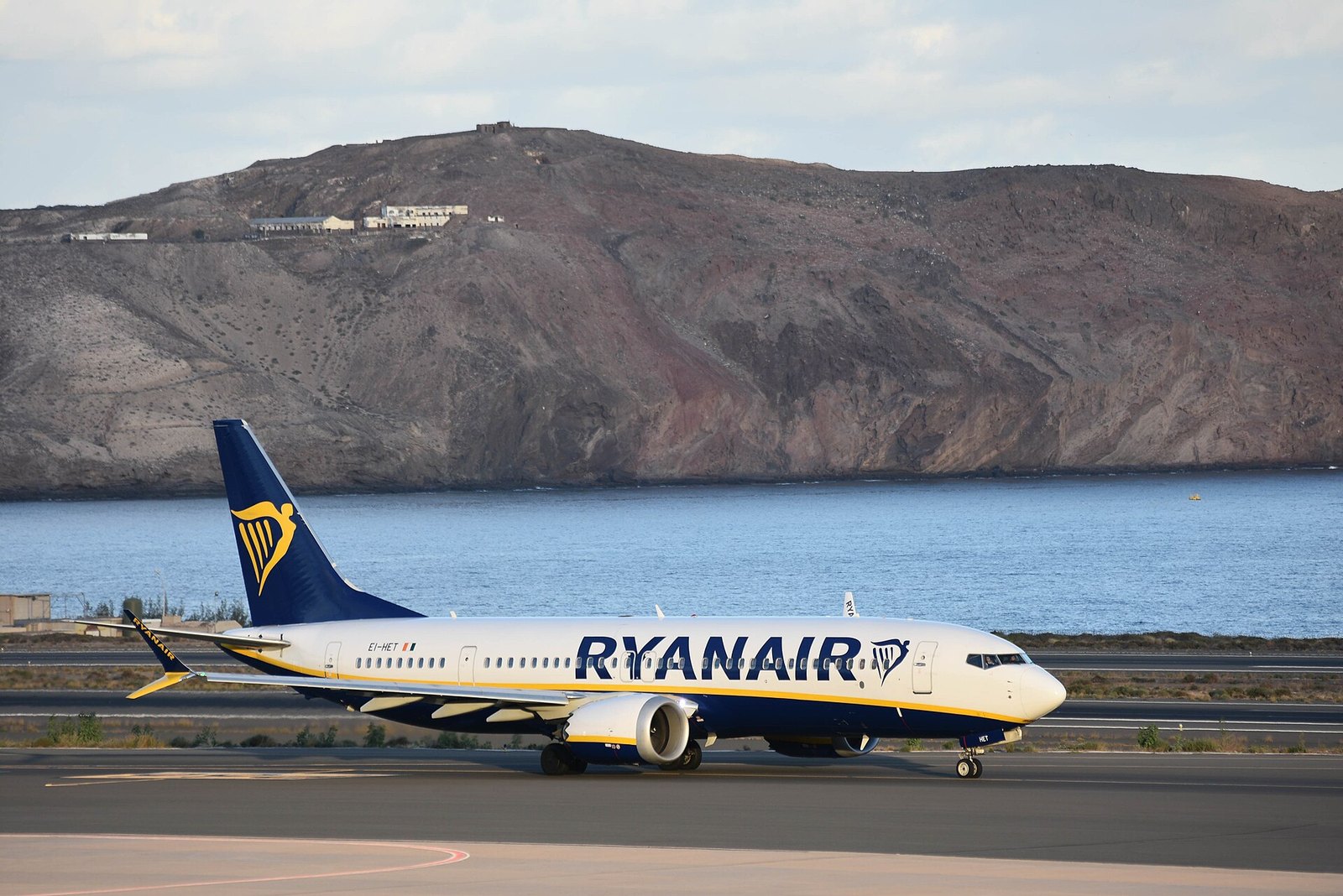
Boeing’s own wording is “in the coming months”. Reporting around the certification points at early 2027 for the first handover, and Ryanair has said publicly that it expects its first 15 aircraft in spring 2027. If you want the fuller picture of why Europe’s biggest low cost carrier bet so heavily on this one variant, we covered Ryanair’s MAX 10 order when it was signed.
One wrinkle sits underneath those numbers. United has moved a good part of its earlier MAX 10 commitment to the MAX 9, the variant that was already certified and already delivering, because an airline cannot run a 2026 summer schedule on an aeroplane that does not have a certificate. Order books are not fleet plans, and the gap between the two is exactly what six years of delay does to an airline.
Europe still has to sign its own paperwork
An FAA certificate is not a global passport. EASA, the European regulator, runs its own validation of the type before a European operator can put it on the line, and that process has been reported as taking a further few months. For Ryanair, which is an Irish carrier flying under EASA rules, that validation matters more than the Everett ceremony did. The same pattern runs the other way round, and it is why COMAC’s C919 has spent years trying to get a Western certificate rather than simply presenting its Chinese one.
The aeroplane it has to beat has a five year head start
The 737-10 exists because of the Airbus A321neo, which does the same job: a single aisle aircraft with around 200 seats and enough range to cross a continent. The A321neo entered service in 2017. The 737-10 enters service in 2027.
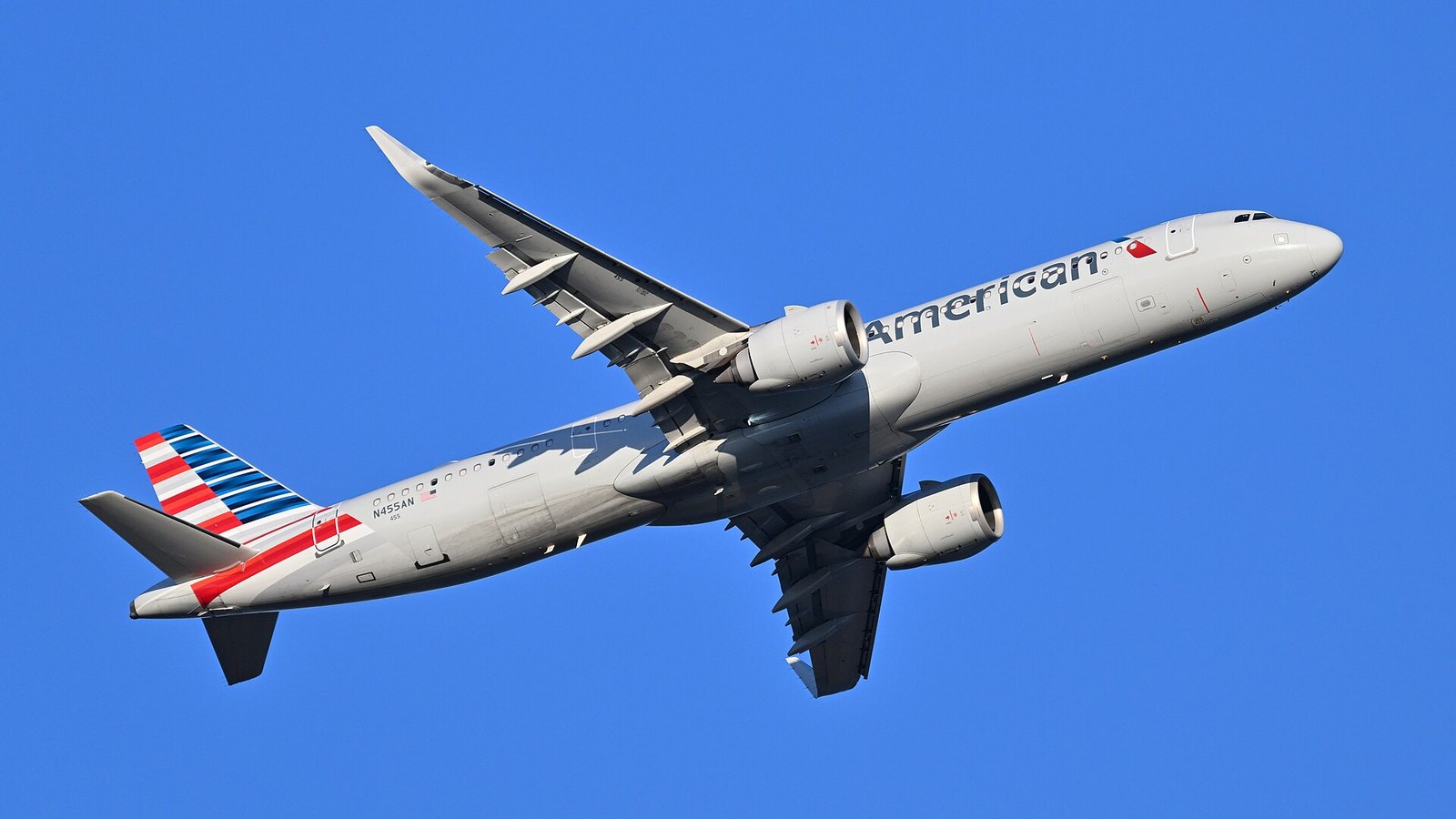
Airbus publishes its own running total, and by the end of September 2026 the A320 family had taken 20,435 orders and delivered 12,900 aircraft. Boeing’s 1,555 MAX 10 orders are a real order book by any normal measure, but not one of them has been delivered yet, and the aircraft they are meant to replace has had a decade of production slots that Boeing cannot get back. The certificate stops the bleeding. It does not reverse it.
What it means if you are the one sitting in row 32
Three things, in rough order of how soon you will notice them.
- More seats on the same route. A 230 seat 737 replacing a 178 seat MAX 8 on a busy domestic trunk is roughly 50 extra seats per departure, which usually shows up as cheaper fares at the back rather than extra flights.
- The same cabin, stretched. This is still a 737 fuselage and still the same width, so the seat you sit in is the seat you already know. What changes is how many rows are in front of you, and how long boarding takes.
- Nothing at all until 2027. Until deliveries actually start and crews are trained on type, the aeroplane in your boarding gate window is the one that was there last week.
The more interesting question is what the certificate does to Boeing’s production line rather than to your seat. The 737-10 is the version airlines wanted most and the version Boeing could not sell with a delivery date attached. Now it can.
Sources
- Boeing, U.S. FAA certifies Boeing 737-10, largest member of 737 MAX family, 20 October 2026.
- Boeing, FAA certifies Boeing 737-10, which carries the test programme totals, the 230 seat figure, the 3,100 nautical mile range and the August 2026 date for the 737-7.
- Boeing, third quarter results, 27 October 2026, for the 737-7 amended type certification.
- Airbus, orders and deliveries, figures to the end of September 2026.
- AeroTime, US lawmakers grant Boeing 737 MAX deadline extension, on the December 2022 crew alerting exemption and the conditions attached to it.
