


The Boeing 777X first commercial flight 2026 marks one of the most anticipated moments in commercial aviation history. After years of delays, redesigns, and certification hurdles, the widebody giant is finally set to carry its first revenue passengers. This aircraft promises to reshape what long-haul flying looks like for airlines and travelers alike.
The aviation world has been watching this program with a mix of excitement and skepticism. Boeing needed to deliver something extraordinary to justify the long wait. Based on everything we know heading into mid-2026, it appears the manufacturer has done exactly that.
What Makes the Boeing 777X First Commercial Flight 2026 So Significant
The Boeing 777X first commercial flight 2026 matters because it introduces the largest and most efficient twin-engine jet ever built. The 777X family, starting with the 777-9 variant, seats up to 426 passengers in a two-class configuration. That capacity, combined with a range exceeding 7,200 nautical miles, gives airlines a tool they have never had before.
This is not just a minor update to the existing 777 platform. The 777X features an entirely new composite wing, new GE9X engines, and a fuselage cross-section that is the widest of any twin-aisle aircraft. Every major structural component has been rethought.
For airlines that have waited nearly a decade to take delivery, the stakes could not be higher. Carriers like Emirates, Lufthansa, Cathay Pacific, and Qatar Airways have built future network strategies around this jet. The Boeing 777X first commercial flight 2026 essentially unlocks new route economics that were previously impossible with older widebody types.
The GE9X Engine Delivers Record Efficiency
The GE9X engine powering the 777X is the largest commercial jet engine ever produced. Its fan diameter measures 134 inches, and the engine produces approximately 105,000 pounds of thrust. These are not just impressive numbers on paper. They translate to real fuel savings.
Boeing and GE Aerospace claim 10% lower fuel consumption per seat compared to the 777-300ER it replaces. In an era where jet fuel prices remain volatile, that margin changes airline profitability on ultra-long-haul routes. The Boeing 777X first commercial flight 2026 will be the first real-world test of these efficiency claims under revenue operating conditions.
The GE9X has already accumulated significant testing hours. Its certification path has been smoother than the airframe itself, which gives operators confidence in the powerplant’s reliability from day one.
Folding Wingtips Are a First for Commercial Aviation
One of the most visually striking features of the 777X is its folding wingtips. The aircraft has a wingspan of 235 feet and 5 inches when fully extended. That wingspan folds down to 212 feet and 9 inches for gate operations, allowing the jet to use the same airport infrastructure as the current 777.
This engineering solution is borrowed from naval aviation, where carrier-based jets have used folding wings for decades. Applying it to a commercial widebody is entirely new territory. The FAA certification of this mechanism was one of the more complex elements of the overall type certificate process.
For the Boeing 777X first commercial flight 2026, the folding wingtips mean airlines do not need to wait for airports to modify gates or taxiways. The jet fits where the 777 already operates, which accelerates fleet integration.
A Cabin Experience That Redefines Widebody Comfort
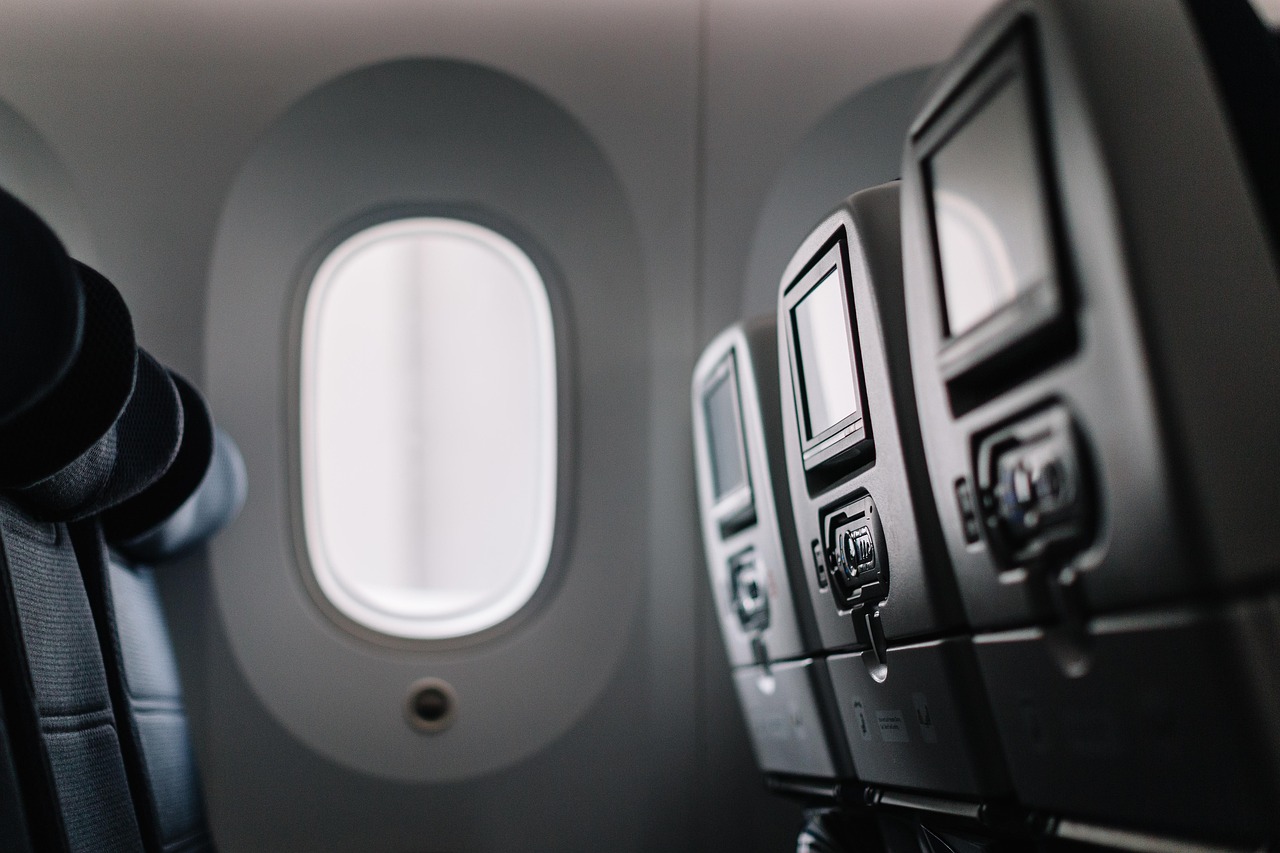
Boeing designed the 777X interior around a concept it calls the “architecture of comfort.” The cabin width stretches to 231 inches, making it the widest twin-aisle cabin in production. Passengers will notice larger windows, higher ceilings, and improved lighting systems compared to earlier 777 models.
The windows on the 777X are 16% larger than those on the 787 Dreamliner. Natural light fills the cabin differently, and Boeing has integrated advanced LED mood lighting systems that adjust based on flight phase and time zone. These details matter on flights lasting 14 to 16 hours.
Launch customers for the Boeing 777X first commercial flight 2026 have invested heavily in bespoke cabin products. Emirates, for example, has developed an entirely new first-class and business-class suite specifically for the 777X. The aircraft becomes a platform for premium differentiation.
The Flight Deck Brings 787 Technology to a Larger Platform
Pilots transitioning to the 777X will find a cockpit that blends 777 familiarity with 787 innovation. The flight deck features large-format touchscreen displays, a head-up display system, and fly-by-wire controls. The 777X is the first 777 variant with full fly-by-wire, which is a significant departure from the cable-actuated systems on earlier models.
For flight crews, this modernization reduces workload on long sectors. The avionics suite integrates advanced navigation and weather systems that improve situational awareness. Pilots who currently fly the 787 will recognize many system philosophies, which simplifies fleet commonality for operators running both types.
The Boeing 777X first commercial flight 2026 is particularly noteworthy for training departments at launch carriers. Type rating programs have been underway for months, and Boeing has delivered full-flight simulators to several locations worldwide.
Route Economics That Open New Long-Haul Markets
The combination of range, capacity, and fuel efficiency in the 777X creates route economics that did not previously exist. Airlines can now serve ultra-long-haul markets with a high-capacity widebody instead of relying on smaller jets like the 787-9 or A350-900.
Consider a route like Dubai to Los Angeles or Sydney to London via a single stop. These sectors demand both range and seat count to be profitable. The Boeing 777X first commercial flight 2026 gives airlines the ability to fill 350 to 400 seats at lower per-seat costs than any competing aircraft.
This economic advantage also connects to major aircraft orders reshaping aviation in 2026. Many of the large widebody orders placed in the past two years are specifically for the 777X, reflecting airline confidence in the type’s revenue potential.
How the 777X Fits Into a Changing Competitive Landscape
The widebody market in 2026 is more competitive than ever. Airbus has the A350 family performing well across multiple airlines, and the Airbus A321XLR entry into service is opening new transatlantic routes to narrowbody operations. Boeing needed the 777X to land on time and on spec.
The 777X does not compete directly with the A321XLR, but it answers a different strategic question. Where the A321XLR serves thin long-haul routes with 200 seats, the Boeing 777X first commercial flight 2026 targets the thickest intercontinental corridors. These are the routes where airlines make the bulk of their widebody revenue.
Boeing also faces pressure from the Boeing 737 MAX 7 certification timeline, which has drawn regulatory scrutiny that inevitably touched the 777X program. The manufacturer has had to demonstrate that its safety culture and certification processes meet the highest standards across all programs simultaneously.
Environmental Performance Aligns With 2026 Sustainability Goals
Airlines operating the 777X will report lower carbon emissions per passenger kilometer than any previous large widebody. Boeing cites a 20% reduction in CO2 emissions compared to the aircraft the 777X replaces. This aligns with ICAO’s Carbon Offsetting and Reduction Scheme for International Aviation (CORSIA) and the broader industry push toward net-zero by 2050.
The GE9X engine is also certified for sustainable aviation fuel (SAF) blends up to 50%. As SAF production scales up through 2026 and beyond, the Boeing 777X first commercial flight 2026 positions operators to reduce their carbon footprint further without requiring additional modifications.
For airlines facing increasing regulatory pressure in markets like the European Union, the 777X offers a credible answer. It is not a hydrogen or electric solution, but it is the most efficient large widebody available today. That matters right now.
Delivery Timeline and Launch Customer Expectations
Emirates is widely expected to be the launch operator for the Boeing 777X first commercial flight 2026. The Dubai-based carrier has 115 firm orders for the 777X family, making it the single largest customer. Lufthansa, with orders for both the 777-9 and the smaller 777-8, is also among the first wave of operators.
Boeing’s production ramp-up is planned carefully. Initial deliveries in 2026 will be measured, with production rates increasing gradually through 2027 and 2028. The company has learned from the 787 production challenges and is taking a more conservative approach.
The Boeing 777X first commercial flight 2026 timeline has been confirmed by Boeing leadership and corroborated by launch customer statements. Barring any last-minute regulatory surprises, the aircraft will enter service in the second half of the year. You can track official updates directly from Boeing’s 777X program page.
What This Means for the Wider Aviation Industry
The Boeing 777X first commercial flight 2026 sends a signal to the entire industry. Boeing can still deliver a clean-sheet widebody that meets modern performance standards. The program’s long delays tested the patience of airlines, investors, and regulators, but the end product appears to justify the wait.
For Airbus, the 777X entry into service sharpens competition in the widebody segment. The A350-1000 has enjoyed a period of limited competition in the large twin-aisle market. That dynamic changes the moment the first 777X enters revenue service.
The ripple effects will extend to MRO providers, training organizations, leasing companies, and airport operators worldwide. A new widebody type entering service generates years of downstream activity. The Boeing 777X first commercial flight 2026 is not just a Boeing story. It is an industry event.
Passenger Impact: What Travelers Will Notice
Passengers booking flights on the 777X will notice several differences immediately. The wider cabin means more shoulder room, even in economy class. Window seat passengers will appreciate the larger windows. And the lower cabin altitude, pressurized to the equivalent of 6,000 feet instead of the traditional 8,000 feet, should reduce fatigue on long flights.
Airlines are using the 777X as a canvas for their most ambitious cabin products. Premium economy sections are expected to be larger and more refined on the 777X than on any other type. Business class suites with closing doors, which have become standard on the A350 and 787, will feature prominently on the 777X as well.
The Boeing 777X first commercial flight 2026 will generate significant public attention. Aviation enthusiasts and frequent flyers will compete to be among the first passengers. Launch routes are expected to be high-profile international sectors that maximize media visibility.
Looking Ahead: The 777-8 and Freighter Variants
While the 777-9 will be the first variant to fly commercially, the 777-8 and 777-8F freighter are following closely. The 777-8 offers slightly less capacity but extended range, appealing to carriers serving ultra-long-haul routes that cannot fill 400 seats. The freighter variant has already attracted major orders from cargo operators like FedEx and Qatar Airways Cargo.
Boeing has positioned the 777X family as a platform, not a single product. This strategy mirrors what Airbus has done with the A350 family. Each variant of the Boeing 777X first commercial flight 2026 platform serves a different market segment while sharing common systems, training, and maintenance infrastructure.
The 777-8F is particularly important for Boeing’s commercial position. The freighter market has remained strong through 2026, driven by e-commerce demand and the gradual retirement of aging 747 freighters. Boeing expects the 777-8F to dominate the large freighter segment for the next two decades.
Final Thoughts on the Boeing 777X First Commercial Flight 2026
The Boeing 777X first commercial flight 2026 represents more than a new airplane entering service. It validates years of engineering investment, answers competitive pressure from Airbus, and gives airlines a widebody tool that improves the economics of long-haul flying. The eight details covered in this article only scratch the surface of what makes this program significant.
For pilots, the 777X introduces a modern fly-by-wire cockpit on the largest twin-engine platform ever built. For airlines, it opens routes and capacity options that did not exist before. For passengers, it raises the standard of cabin comfort on the longest flights.
The aviation industry in 2026 is defined by new aircraft types entering service, shifting competitive dynamics, and growing sustainability requirements. The Boeing 777X first commercial flight 2026 sits at the center of all three trends. It is, without exaggeration, one of the most important commercial aircraft launches in a generation.
About the Author: Capt. James Harlow is an A320 Captain holding a GCAA license with over a decade of flying in the Gulf region. He writes about aviation news, pilot careers, cockpit operations, and airline life.
