


The IATA summer travel forecast 2026 projects a record-breaking season that will reshape airline hiring across the globe. With passenger numbers expected to surpass 5.2 billion for the full year and summer months carrying the heaviest load, airlines are scrambling to meet demand. For pilots and aviation professionals, this forecast is more than a headline. It is a signal that the job market is about to shift into high gear.

What the IATA Summer Travel Forecast 2026 Actually Says
The International Air Transport Association (IATA) released its latest projections earlier this year, and the numbers tell a clear story. Global air travel demand is set to grow by approximately 6.2% over the 2025 summer period. Load factors across major carriers are expected to hover around 87% to 89% during the June through September window.
According to the IATA summer travel forecast 2026, the Asia-Pacific region leads the charge with the strongest year-over-year growth. Europe and North America follow closely, both benefiting from pent-up long-haul demand and expanding route networks. The full IATA global outlook provides additional data on these regional trends.
The Middle East continues to punch above its weight in the IATA summer travel forecast 2026 numbers. Gulf carriers are expanding aggressively with new destinations and increased frequencies. This region’s growth rate is estimated at 8.1%, outpacing the global average by a healthy margin.
Impact 1: Airlines Are Fast-Tracking Pilot Recruitment
The most immediate consequence of the IATA summer travel forecast 2026 is a surge in pilot hiring. Airlines that had been gradually rebuilding their cockpit rosters are now accelerating timelines. Several major carriers have announced expanded cadet programs and direct-entry recruitment drives specifically tied to summer 2026 capacity plans.
This hiring push comes against the backdrop of an ongoing airline pilot shortage that has been building for years. Retirements, training bottlenecks, and slower-than-expected cadet pipeline throughput have all contributed to the gap. The summer travel surge only makes the problem more visible and more urgent.
According to the IATA summer travel forecast 2026 data, airlines collectively need to add an estimated 18,000 pilots to their active rosters before peak summer operations begin. That number includes replacements for retirements, crew for new aircraft deliveries, and additional staffing to cover the seasonal bump. Not every airline will hit its target, which means some will have to cap growth or wet-lease capacity.
Impact 2: New Aircraft Deliveries Are Creating Fresh Type-Rating Opportunities
The IATA summer travel forecast 2026 does not exist in a vacuum. It connects directly to the wave of new aircraft entering service this year. Airlines cannot fly more passengers without more airplanes, and more airplanes need trained crews.
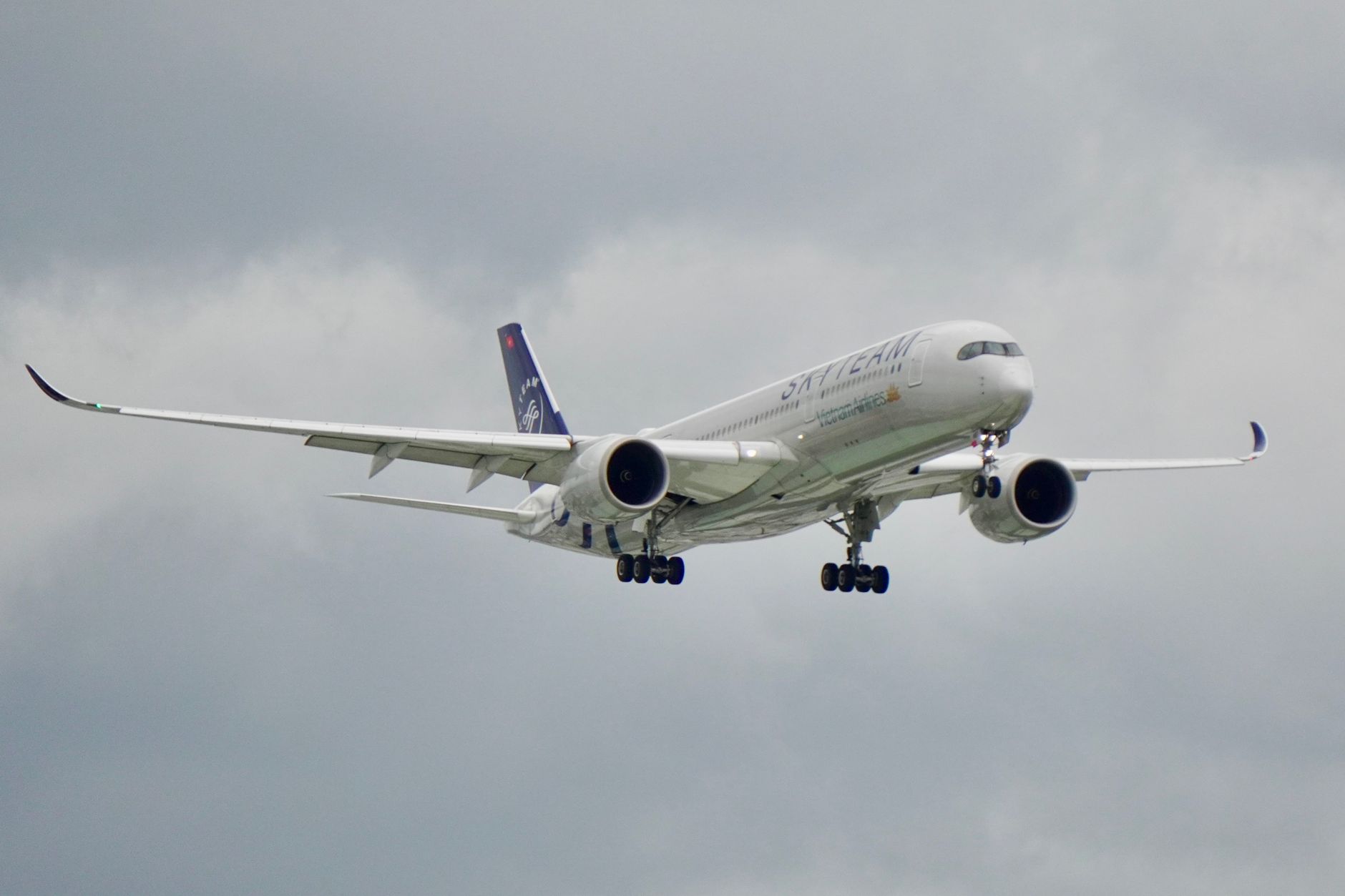
Boeing and Airbus are both working through massive order backlogs. The A320neo family remains the workhorse of single-aisle growth, and new aircraft like the Airbus A321XLR entering service in 2026 are opening up entirely new route possibilities. The A321XLR’s extended range allows airlines to operate long, thin routes that were previously uneconomical with narrowbody equipment.
For pilots, this means fresh type-rating opportunities. Airlines adding the A321XLR to their fleets need crews trained on the variant. The IATA summer travel forecast 2026 projections suggest that these new aircraft will be deployed on transatlantic and intra-Asian routes where summer demand is strongest. Pilots who position themselves for these type ratings now will benefit from earlier command opportunities.
The Boeing 737 MAX family continues its recovery in deliveries as well. Southwest, Ryanair, and several Asian low-cost carriers are receiving new MAX aircraft in time for the summer push. Each delivery translates to roughly 12 to 14 pilot positions when you account for crew ratios and reserve requirements.
Impact 3: Regional and Low-Cost Carriers Are Expanding Aggressively
One of the less-discussed aspects of the IATA summer travel forecast 2026 is how it affects the lower end of the airline spectrum. Regional carriers and low-cost operators often see the biggest percentage swings during summer. Their business models depend on high load factors and seasonal peaks.
In Europe, carriers like Wizz Air and Ryanair have already announced summer 2026 schedules with significant capacity increases. Wizz Air is adding 15 new routes from its Central European bases, many targeting leisure destinations in Greece, Turkey, and North Africa. Ryanair has publicly stated its goal of carrying over 200 million passengers in the current fiscal year, with summer being the make-or-break period.
The IATA summer travel forecast 2026 numbers also highlight growth in the Indian domestic market. IndiGo, the world’s largest airline by order book, is taking delivery of new A320neo and A321neo aircraft at a rate of roughly three per month. SpiceJet and Akasa Air are also expanding, creating demand for first officers and experienced captains alike.
For pilots at regional airlines, the forecast represents opportunity. Higher demand at mainline carriers pulls experienced pilots upward, creating openings at regionals and LCCs. This trickle-up effect is one of the most reliable patterns in aviation hiring cycles.
Impact 4: Middle East and Gulf Carriers Are Leading the Hiring Wave
The IATA summer travel forecast 2026 places particular emphasis on the Middle East as a growth region. Emirates, Qatar Airways, and Etihad have all signaled major summer expansion plans. Their hub-and-spoke models thrive when global travel demand rises because they connect traffic flows from multiple continents.
Emirates is on track to operate over 300 aircraft by the end of 2026, with both new A350s and refurbished A380s entering or re-entering the fleet. Qatar Airways continues to grow its A350 fleet while also preparing for Boeing 777X deliveries. Both airlines are hiring pilots at a pace not seen since the pre-pandemic era.
Perhaps the most exciting development tied to the IATA summer travel forecast 2026 is the emergence of new carriers in the region. New airlines like Riyadh Air ramping up pilot hiring are adding to the overall demand picture. Riyadh Air plans to operate a fleet of Boeing 787 Dreamliners and is recruiting experienced widebody pilots from around the world.

The salary packages being offered by Gulf carriers remain highly competitive. Tax-free earnings, housing allowances, and education benefits continue to attract pilots from Europe, North America, and Australia. The IATA summer travel forecast 2026 effectively validates the business case for these carriers to keep spending on crew acquisition.
Impact 5: Training Organizations and Simulators Are Under Pressure
A consequence that gets overlooked in discussions about the IATA summer travel forecast 2026 is the strain on training infrastructure. Every new pilot hire needs initial training. Every pilot upgrading to captain needs sim time. Every type-rating candidate needs access to a full-flight simulator.
The global simulator network is already running at near capacity. Major training providers like CAE, L3Harris, and FlightSafety International have expanded their simulator fleets, but demand continues to outpace supply. Wait times for popular type ratings, especially the A320 and B737, can stretch to several weeks in peak periods.
Airlines responding to the IATA summer travel forecast 2026 by hiring aggressively must also secure training slots well in advance. Some carriers have signed long-term contracts with training organizations to guarantee access. Others have invested in their own simulators and in-house training academies.
For aspiring pilots, this training bottleneck is something to plan around. Starting your type-rating process early gives you an advantage. Waiting until airlines begin their summer hiring push often means competing for limited training slots and facing delays that could push your start date past the peak season.
What the Forecast Means for Pilot Salaries in 2026
The economics of the IATA summer travel forecast 2026 naturally flow into compensation discussions. When demand for pilots exceeds supply, salaries rise. That is basic market dynamics, and we are seeing it play out across every major aviation market right now.
In the United States, major airline captain pay at carriers like Delta, United, and American now exceeds $400,000 per year at the top of the scale. First officer starting salaries at regional airlines have doubled compared to five years ago. The IATA summer travel forecast 2026 confirms that the demand drivers behind these salary increases are not going away.
European pilots are seeing similar trends, though the increases are more modest. Ryanair, easyJet, and Lufthansa Group have all revised their pay scales upward in recent contract negotiations. The competitive pressure from Gulf carriers pulling experienced European pilots eastward has forced legacy carriers to respond.
The IATA summer travel forecast 2026 also supports salary growth in Asia. Chinese carriers are rebuilding their international networks and need crews with English proficiency and international experience. Japanese carriers like ANA and JAL are hiring foreign pilots to fill gaps created by domestic pilot shortages and an aging workforce.
How Pilots Should Position Themselves for This Opportunity
Understanding the IATA summer travel forecast 2026 is only useful if you act on it. Here are practical steps pilots at every career stage should consider.
If you are a student pilot or cadet, the forecast confirms that completing your training as quickly as possible is the right move. Airlines are hiring, and the window of strong demand is wide open. Do not delay your CPL or ATPL theory exams.
If you are a low-time first officer at a regional carrier, the IATA summer travel forecast 2026 suggests that upgrade opportunities will come faster than usual. Mainline carriers are pulling experienced captains from regionals, creating command slots. Build your hours, stay current on your CRM skills, and start preparing for upgrade assessments.
If you are an experienced captain considering a move, this summer’s demand environment gives you leverage. Gulf carriers, Asian operators, and even some European airlines are offering signing bonuses and relocation packages. The IATA summer travel forecast 2026 makes the business case for these incentives clear: airlines need you more than you need them right now.
Looking Beyond Summer: What the Forecast Tells Us About Long-Term Trends
While the IATA summer travel forecast 2026 focuses on the immediate season, it also reflects broader industry trajectories. Air travel demand has returned to and now exceeds pre-pandemic levels on most routes. The structural growth in global middle-class populations, particularly in Asia and Africa, supports continued expansion.
IATA’s own long-term projections suggest passenger numbers could reach 6 billion by 2030. If the IATA summer travel forecast 2026 is any indication, the industry is well on track to meet or exceed that target. For pilots, this means the current hiring environment is not a short-lived bubble. It is the beginning of a sustained growth cycle.
Sustainability concerns and regulatory changes will shape how this growth manifests. Sustainable aviation fuel (SAF) adoption, emissions trading schemes, and airspace modernization programs will all influence airline operations. But the core demand for air travel, and therefore for pilots, remains strong.
Final Thoughts on the IATA Summer Travel Forecast 2026
The IATA summer travel forecast 2026 paints a picture of an industry firing on all cylinders. Record passenger numbers, aggressive airline expansion, and a persistent pilot shortage combine to create one of the most favorable hiring environments in aviation history.
For pilots and aviation professionals, the message is straightforward. The demand is real. The opportunities are tangible. And the window to act is now.
Whether you are starting your first lesson, logging turboprop hours at a regional, or weighing a move to a Gulf carrier, the IATA summer travel forecast 2026 confirms that the industry needs you. Make your move accordingly.
About the Author: Capt. James Harlow is an A320 Captain holding a GCAA license with over a decade of flying in the Gulf region. He writes about aviation news, pilot careers, cockpit operations, and airline life.
