


Widebody aircraft orders 2026 have already surpassed most analyst predictions, marking a historic first half for both Boeing and Airbus. Airlines across every continent are placing massive commitments for twin-aisle jets. The demand signals a fundamental shift in how carriers plan their long-haul networks for the next decade.
As we reach the midpoint of the year, the numbers tell a story of urgency, competition, and strategic fleet renewal. Carriers are not just replacing aging jets. They are rethinking their entire widebody fleets from scratch.
This article breaks down 10 inside trends driving widebody aircraft orders 2026, explains what is behind the surge, and examines what it means for pilots, passengers, and the broader aviation ecosystem.
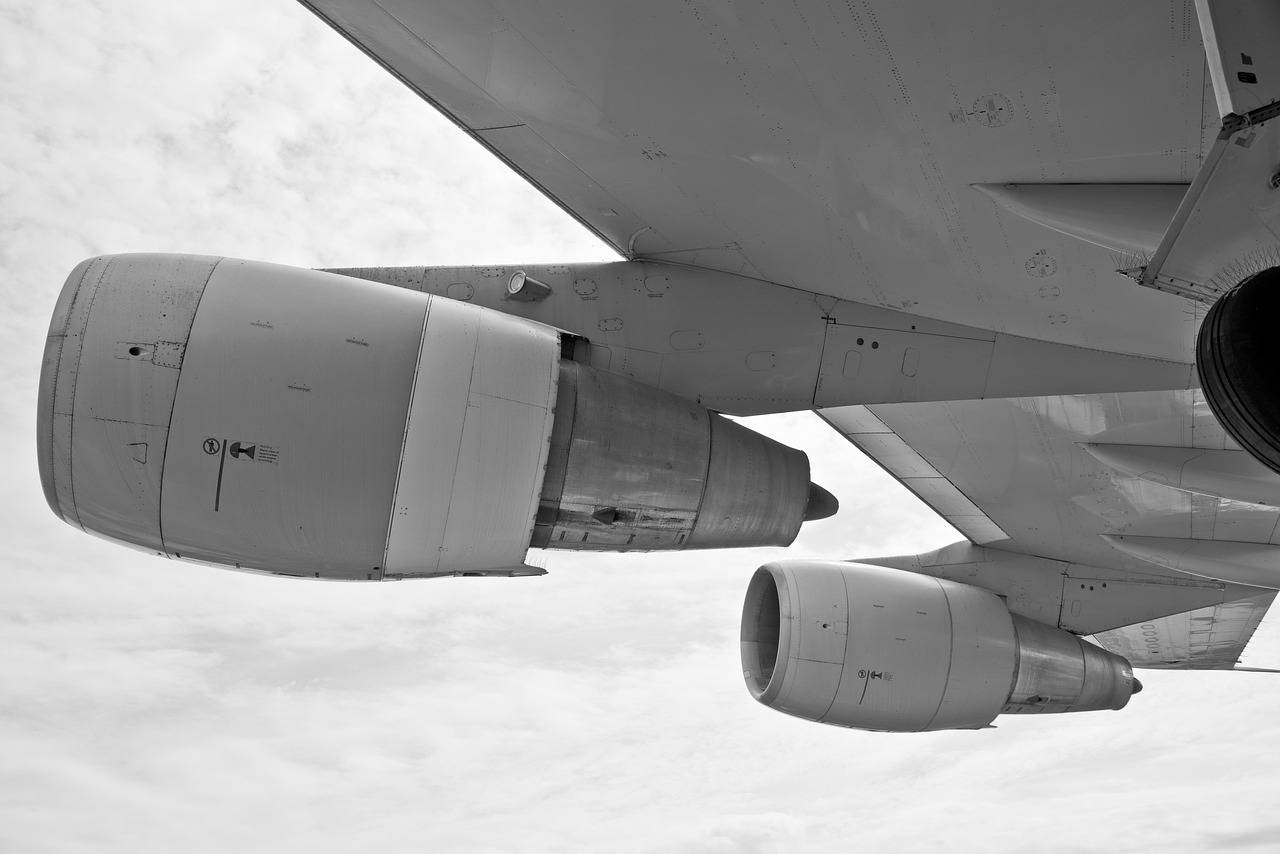
1. Record Order Books Are Rewriting Widebody Aircraft Orders 2026
The first half of 2026 has produced a wave of widebody commitments that few predicted even 12 months ago. Boeing and Airbus have collectively logged over 600 firm widebody orders since January. This pace puts the industry on track for the highest annual total since the pre-pandemic era.
Boeing’s 787 Dreamliner remains the workhorse of its widebody lineup, with strong demand from carriers in the Middle East, Asia, and North America. Airbus, meanwhile, has seen the A350 family dominate its order intake. Both manufacturers report that production slots through 2030 are filling fast.
What makes widebody aircraft orders 2026 unique is the breadth of buyers. It is not just the usual mega-carriers placing orders. Regional airlines and startup long-haul operators are entering the widebody market for the first time, driven by improving economics and passenger demand for premium travel.
2. The Boeing 777X Effect on Widebody Aircraft Orders 2026
No discussion of widebody aircraft orders 2026 is complete without addressing the Boeing 777X. After years of delays, the Boeing 777X first commercial flight is now a reality that carriers have been waiting for. This development alone has triggered a fresh round of purchasing activity.
Emirates, the 777X launch customer, has begun taking deliveries of the 777-9 variant. Other airlines that were sitting on the fence are now converting options into firm orders. The 777X’s fuel efficiency and range have made it the top choice for ultra-long-haul routes that previously required four-engine aircraft.
Boeing reports that the 777X backlog now exceeds 450 aircraft. Several undisclosed customers are expected to finalize agreements before Farnborough, adding further momentum to widebody aircraft orders 2026.
3. Airbus A350 Variants Are Dominating the Market
Airbus has positioned the A350 family as the most versatile widebody platform available today. The A350-900 and A350-1000 are attracting orders from full-service and low-cost long-haul carriers alike. The upcoming A350 freighter variant has also generated significant interest from cargo operators.
In the first six months of 2026, Airbus secured over 200 A350 orders. This makes the A350 the single most ordered widebody type so far this year. Airlines cite lower operating costs, improved passenger comfort, and better environmental performance as primary reasons for choosing the type.
The strength of A350 sales is a defining feature of widebody aircraft orders 2026. Airbus has responded by accelerating production, targeting a rate of 12 A350s per month by 2028.
4. Middle Eastern Carriers Are Leading the Charge
Gulf carriers have historically been the largest buyers of widebody jets, and 2026 is no exception. Emirates, Qatar Airways, Etihad Airways, and Saudi Arabia’s new carriers are collectively responsible for a significant share of widebody aircraft orders 2026.
Riyadh Air, Saudi Arabia’s ambitious new airline, confirmed a follow-on order for additional 787s earlier this year. Meanwhile, Qatar Airways expanded its A350 fleet with a supplementary order that includes the freighter variant. These airlines are competing fiercely for premium long-haul traffic.
The Middle Eastern contribution to widebody aircraft orders 2026 extends beyond the traditional players. Smaller Gulf-based operators are also evaluating widebody options as they expand networks into Africa, Central Asia, and Southeast Asia.
5. Asian Airlines Are Rebuilding Long-Haul Capacity
Asia-Pacific carriers took longer than most to recover from the pandemic’s impact on international travel. By 2026, that recovery is complete, and the region’s airlines are now placing aggressive widebody orders to rebuild and expand their long-haul networks.
Air India’s fleet transformation plan includes dozens of A350s and 787s. IndiGo, traditionally a narrowbody operator, has signaled interest in widebody aircraft as it prepares to launch intercontinental services. Japanese and Korean carriers are also refreshing their twin-aisle fleets.
The Asian market is a major driver of widebody aircraft orders 2026 because of its unique combination of growing middle-class demand, increasing tourism, and long over-water routes that only widebody jets can serve efficiently.
6. Momentum From Major Air Shows Continues
The biggest aircraft orders at the Paris Air Show 2025 set the stage for what we are seeing now. Many of the letters of intent signed in Paris have since converted into binding contracts, boosting the 2026 order count.
Looking ahead, the Farnborough Air Show 2026 highlights and deals promise to add even more widebody commitments. Industry insiders expect several blockbuster announcements from European and Asian carriers at the event in late July.
Air shows have always served as a catalyst for aircraft orders, but their influence on widebody aircraft orders 2026 has been particularly strong. Manufacturers use these events to showcase improvements and lock in customers who are evaluating competitive offerings.
7. Freighter Variants Are Boosting Total Widebody Numbers
Cargo demand has stabilized at elevated levels compared to pre-pandemic norms. This sustained demand has pushed airlines and dedicated freight operators to order new-generation widebody freighters in large numbers.
Boeing’s 777-8 Freighter has attracted orders from FedEx, UPS, Cargolux, and several Middle Eastern cargo divisions. Airbus entered the large freighter market with the A350F, and its order book is growing steadily. According to Boeing’s Commercial Market Outlook, the global freighter fleet is expected to grow by over 60% in the next 20 years.
Freighter orders now account for roughly 20% of total widebody aircraft orders 2026. This diversification of demand provides a stability buffer that the widebody market lacked during the pandemic years when passenger traffic collapsed.
8. Sustainability Pressures Are Accelerating Fleet Renewal
Environmental regulations and corporate sustainability commitments are forcing airlines to retire older, less efficient widebody jets ahead of schedule. The European Union’s tightening emissions framework and ICAO’s CORSIA program are creating financial incentives to operate newer aircraft.
Airlines that once planned to keep their 777-200s and A340s flying until 2030 are now accelerating retirement timelines. Replacing a 20-year-old widebody with a new A350 or 787 can reduce fuel burn by 25% or more per seat. That translates directly into lower carbon emissions and better operating economics.
This sustainability-driven urgency is a defining characteristic of widebody aircraft orders 2026. Fleet renewal is no longer just about cost savings. It is now a regulatory and reputational necessity.
9. Supply Chain Improvements Are Enabling Higher Production
One reason widebody aircraft orders 2026 are so strong is that manufacturers can finally deliver on their promises. The aerospace supply chain, battered by pandemic disruptions and labor shortages, has stabilized significantly over the past 18 months.
Rolls-Royce, GE Aerospace, and Pratt & Whitney have all reported improved engine delivery rates. Tier-one suppliers producing fuselage sections, landing gear, and avionics systems are operating closer to target output levels. These improvements give airlines confidence that ordering a widebody today means receiving it within a reasonable timeframe.
Boeing has raised 787 production to seven aircraft per month, with plans to reach 10 by 2027. Airbus is similarly ramping up A350 output. The production side of the equation is finally catching up with the demand side, supporting the record-setting widebody aircraft orders 2026 trend.
10. Premium Cabin Revenue Is Justifying Widebody Investment
The economics of widebody flying have shifted dramatically in favor of premium-heavy configurations. Business class and first class revenue now accounts for a larger share of total cabin income than at any point in the past decade. Airlines are responding by ordering widebodies with dense premium layouts.
Delta Air Lines, Singapore Airlines, and Cathay Pacific have all announced widebody orders tied to premium cabin expansion strategies. Some carriers are configuring new A350s with over 50% of the cabin dedicated to premium products. This premiumization trend makes widebody aircraft orders 2026 financially compelling even on routes that might not fill an economy-heavy configuration.
The willingness of travelers to pay for lie-flat seats, private suites, and enhanced dining on long-haul flights is a structural change that favors widebody operators. Airlines see new twin-aisle jets as revenue-generating assets, not just transportation tools.
What Widebody Aircraft Orders 2026 Mean for Pilots
The surge in widebody aircraft orders 2026 has direct implications for flight crew demand. Every new widebody delivered requires multiple crew sets, and training pipelines are already stretched thin at many airlines. Carriers ordering 20 or 30 new widebodies will need hundreds of additional pilots over the coming years.
For pilots currently flying narrowbody types, widebody fleet growth creates upgrade and transition opportunities. Airlines in the Middle East and Asia are offering attractive packages to recruit experienced widebody captains. The training infrastructure at many airlines is expanding to handle the volume.
The pilot workforce impact of widebody aircraft orders 2026 extends to simulator providers and training organizations as well. CAE, L3Harris, and other training companies are adding new widebody simulator bays to meet rising demand.
Could the Widebody Boom Slow Down?
Some analysts have raised concerns about whether widebody aircraft orders 2026 could face a correction. Economic uncertainty, geopolitical tensions, and potential fuel price spikes are risks that every airline considers before signing a multi-billion-dollar aircraft commitment.
However, the fundamentals supporting current order activity appear solid. International passenger traffic continues to grow above trend. Premium cabin revenue remains strong. And aging fleets across multiple regions need replacement regardless of economic cycles.
The consensus view among aviation analysts is that widebody aircraft orders 2026 reflect genuine operational need rather than speculative purchasing. Most orders are tied to specific route plans, fleet replacement timelines, and growth strategies that airlines have been developing for years.
Looking Ahead to the Second Half of 2026
The Farnborough International Airshow in late July is expected to produce another wave of widebody announcements. At least three major carriers are rumored to be finalizing large A350 and 787 commitments. Boeing may also reveal additional 777X customers.
Beyond Farnborough, the Airlines for America and IATA regional events in the fall will provide further opportunities for order activity. The pipeline of unsigned deals suggests that widebody aircraft orders 2026 will remain strong through December.
By year-end, total widebody orders could approach or exceed 900 aircraft. That would make 2026 the strongest year for twin-aisle sales in more than a decade and would confirm the widebody market’s full recovery from the pandemic downturn.
Final Thoughts
Widebody aircraft orders 2026 are not just a set of impressive numbers. They represent a broader transformation in how airlines think about long-haul flying, fleet strategy, and competitive positioning. From the 777X entering service to the A350 dominating sales charts, from Middle Eastern expansion to Asian rebuilding, the trends are clear and consistent.
For those of us who fly these aircraft or follow the industry closely, this is one of the most exciting periods in modern commercial aviation. The decisions being made today will shape airline fleets, pilot careers, and passenger experiences well into the 2030s.
The widebody market is back, and widebody aircraft orders 2026 prove it beyond any doubt.
About the Author: Capt. James Harlow is an A320 Captain holding a GCAA license with over a decade of flying in the Gulf region. He writes about aviation news, pilot careers, cockpit operations, and airline life.
