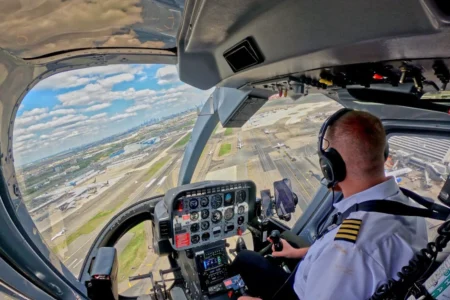






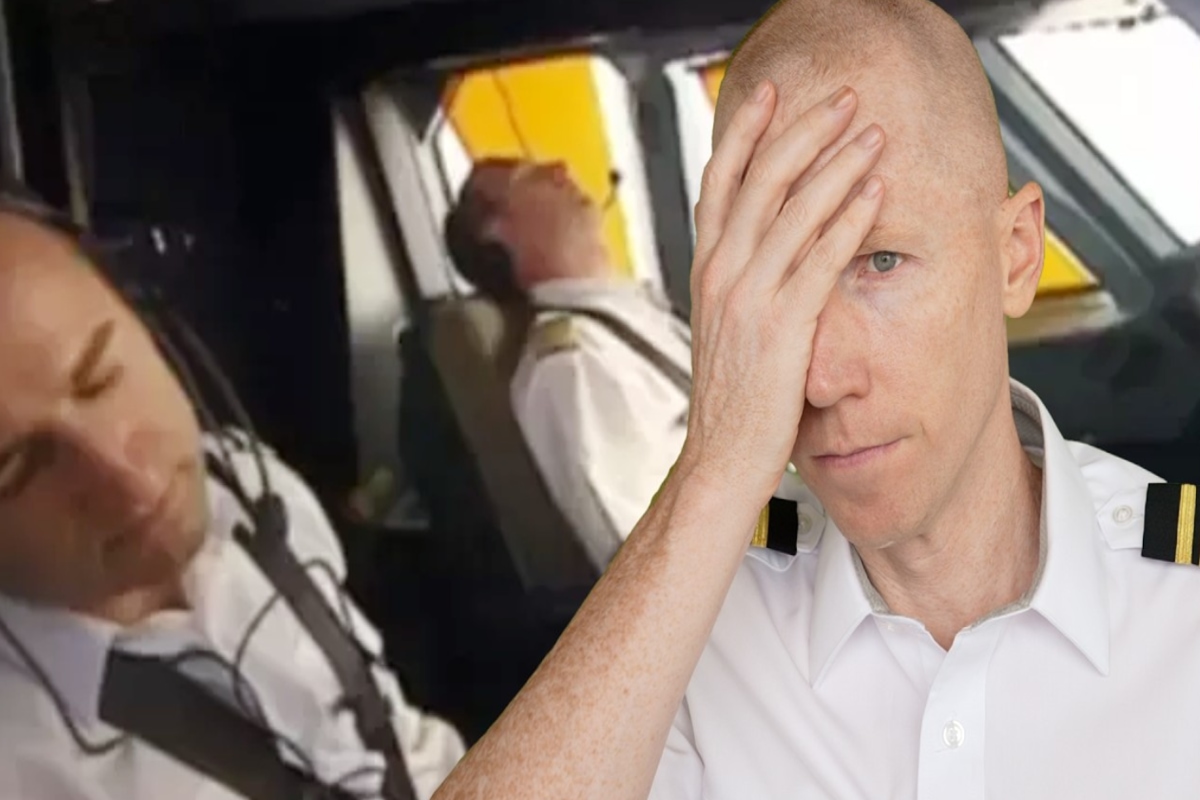
What Happens If Both Pilots Fall Asleep? Both pilots falling asleep during a flight is extremely rare, but when it happens, the plane continues flying on autopilot while air traffic control attempts to establish contact and follows emergency protocols to wake the crew or divert the aircraft safely.
If both pilots fall asleep, the aircraft continues flying on autopilot while air traffic control and onboard safety systems work to regain crew awareness and maintain flight safety. Modern aviation has multiple safety systems designed specifically to prevent this scenario from becoming catastrophic.
Can a Plane Fly If Both Pilots Are Asleep?
Yes, a plane can fly itself during cruise flight if both pilots fall asleep, but it cannot handle emergencies or land safely without human intervention.
Modern commercial aircraft use advanced autopilot systems that maintain altitude, speed, and navigation during cruise. The autopilot keeps the plane on its programmed flight path, following waypoints stored in the flight management system. It makes constant adjustments for wind, air pressure, and temperature changes.
However, autopilot cannot react to unexpected situations. It won’t avoid severe weather that appears suddenly. It can’t respond to emergency traffic conflicts or system failures requiring immediate decisions. The plane flies straight and level, but it’s essentially unmonitored and vulnerable.
If both pilots are asleep during cruise over the ocean or remote areas, the plane might fly normally for hours. Air traffic control wouldn’t notice immediately because routine radio checks happen every 10–30 minutes depending on the region. The real danger comes when the flight reaches its destination or encounters any situation requiring pilot input.
What Exactly Does Autopilot Do During Cruise?
Autopilot maintains the aircraft’s programmed altitude, airspeed, and route during cruise flight by making constant micro-adjustments to control surfaces.
The system receives data from multiple sensors measuring altitude, speed, heading, and position. It compares this data against programmed targets and adjusts ailerons, elevators, and rudder to keep the plane on course. Modern autopilots can follow complex routes with dozens of waypoints, make gentle turns, and even adjust for optimal fuel efficiency.
Most commercial flights use autopilot for 90% of cruise time. Pilots engage it after reaching cruise altitude and disengage it during final approach to landing. Some advanced systems can fly approaches down to 200 feet, but autopilot still requires active pilot monitoring and management.
Autopilot has clear limitations. It cannot make strategic decisions about weather avoidance beyond programmed parameters. It won’t recognize system malfunctions that fall outside its monitoring scope. It can’t communicate with air traffic control or respond to changing instructions.
The autopilot does what the phrase “autopilot flies the whole flight” suggests—it assists pilots but never replaces their judgment and oversight.
Duration limits don’t exist for autopilot itself. The system can theoretically fly until fuel runs out. Real limits come from regulatory requirements that pilots actively monitor the flight and maintain radio contact with controllers. Autopilot systems are designed to assist pilots, not replace them, which is why continuous human monitoring remains a core principle of aviation safety.
Real Incidents Where Both Pilots Fell Asleep
Several confirmed incidents show both pilots fell asleep during commercial flights, though all ended without crashes due to safety protocols and timely intervention.
In one widely reported long-haul incident, a commercial flight overflew its destination after the cockpit became unresponsive during cruise. Air traffic control attempted repeated contact while the aircraft continued flying on autopilot until the pilots eventually regained awareness and corrected the situation.
A 2009 Northwest Airlines flight from San Diego to Minneapolis overshot Minneapolis by 150 miles while both pilots were distracted and likely fatigued. Air traffic controllers couldn’t reach the cockpit for over an hour, and fighter jets were being prepared to intercept before the pilots finally responded.
An Ethiopian Airlines flight in 2014 flew past Addis Ababa airport at 37,000 feet because both pilots were asleep. The autopilot kept the plane flying straight. When the autopilot disconnected after reaching the descent waypoint, an alarm woke the pilots. They realized they had overflown their destination and returned to land safely.
These incidents share common patterns: cruise flight over quiet airspace, simultaneous fatigue, autopilot maintaining the flight path, air traffic control noticing the cockpit unresponsive, and pilots waking due to alarms or missed procedures.
What Happens If Pilots Don’t Respond to ATC?
Air traffic control follows strict lost communications procedures when pilots don’t answer radio calls, escalating from repeated contact attempts to emergency response coordination.
Controllers first try the assigned frequency multiple times. They ask other aircraft in the area to relay messages and attempt contact on emergency frequencies. If the cockpit remains unresponsive after 10–15 minutes, supervisors are notified and emergency protocols begin.
Airline operations centers are contacted and attempt to reach the cockpit through aircraft communication systems that display messages directly on cockpit screens. If still no response, military authorities may be alerted, and interceptor aircraft can be launched to visually inspect the cockpit and signal the crew.
Controllers also clear airspace around the unresponsive aircraft and prepare emergency responses at potential diversion airports. Most cases resolve once pilots regain awareness or respond to alarms.
Is It Legal for Pilots to Sleep in the Cockpit?
Controlled rest in the cockpit is legal and regulated on long flights, but both pilots sleeping simultaneously is strictly prohibited.
Controlled rest allows one pilot to sleep for up to 40 minutes during cruise while the other remains fully alert. Timers are set, cabin crew are informed, and a recovery period is required before the resting pilot resumes duties.
Both pilots sleeping at the same time violates aviation regulations and can result in severe disciplinary action. On ultra-long flights, airlines use augmented crews with additional pilots resting in designated crew rest areas, ensuring two pilots are always awake in the cockpit.
Why Pilot Fatigue Is the Real Risk
Pilot fatigue significantly degrades reaction time, judgment, and situational awareness, making it one of aviation’s most serious safety concerns.
Extended wakefulness affects performance similarly to alcohol impairment. Circadian rhythm disruption, overnight flights, and time zone changes increase the risk of involuntary sleep. Medical issues such as hypoxia or sudden illness can also render pilots unconscious, reinforcing why two qualified pilots are always required on commercial flights.
Modern fatigue risk management systems limit duty hours, enforce rest periods, and monitor cumulative fatigue to reduce these risks.
Could Autopilot Land the Plane If No One Woke Up?
Autopilot can land an aircraft using autoland systems, but only if the system is correctly programmed and monitored by pilots.
Autoland requires specific airport equipment and manual configuration well before descent. If both pilots remained asleep, the aircraft would continue flying beyond its destination rather than descending automatically. Without human intervention, the aircraft would eventually exhaust its fuel, which is why multiple safety systems exist to prevent such a scenario.
Autoland is a tool, not a fully autonomous solution.
Safety Systems That Prevent Disaster If Pilots Fall Asleep
Aviation relies on overlapping safety layers to prevent disasters if pilots become incapacitated.
Cockpit alarms, altitude warnings, traffic collision avoidance systems, and ground proximity alerts produce loud audio and visual cues that typically wake sleeping pilots. Air traffic control monitoring, airline operations oversight, and flight data tracking add additional layers.
Cabin crew procedures allow flight attendants to access the cockpit and physically check on pilots if communication fails. These systems have prevented every known case of both pilots falling asleep from ending in catastrophe.
Read Also: Do Pilots Still Land the Plane Themselves?
Frequently Asked Questions
Do pilots sleep during flights?
Yes, under controlled rest procedures or in designated crew rest areas on long-haul flights.
How common is it for pilots to fall asleep?
Brief fatigue-related sleep is more common than people realize, but both pilots sleeping simultaneously is extremely rare.
Can a plane fly without pilots?
It can maintain cruise flight on autopilot, but it cannot manage emergencies or land safely without human oversight.
What happens if both pilots are unconscious?
The aircraft continues on autopilot while air traffic control initiates emergency procedures. Without intervention, the flight cannot land on its own.
Is autopilot always on?
No. Pilots hand-fly takeoff and landing phases and use autopilot primarily during cruise.
Should Passengers Be Worried?
Passengers should not worry about both pilots falling asleep causing an accident.
Multiple safety systems, strict regulations, fatigue management programs, and continuous monitoring ensure this rare scenario does not turn catastrophic. Despite isolated incidents, commercial aviation has never experienced a crash caused solely by both pilots falling asleep.
Flying remains one of the safest forms of transportation in the world. For more information, visit crewdaily.com.