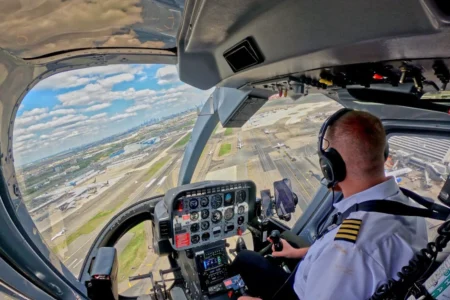






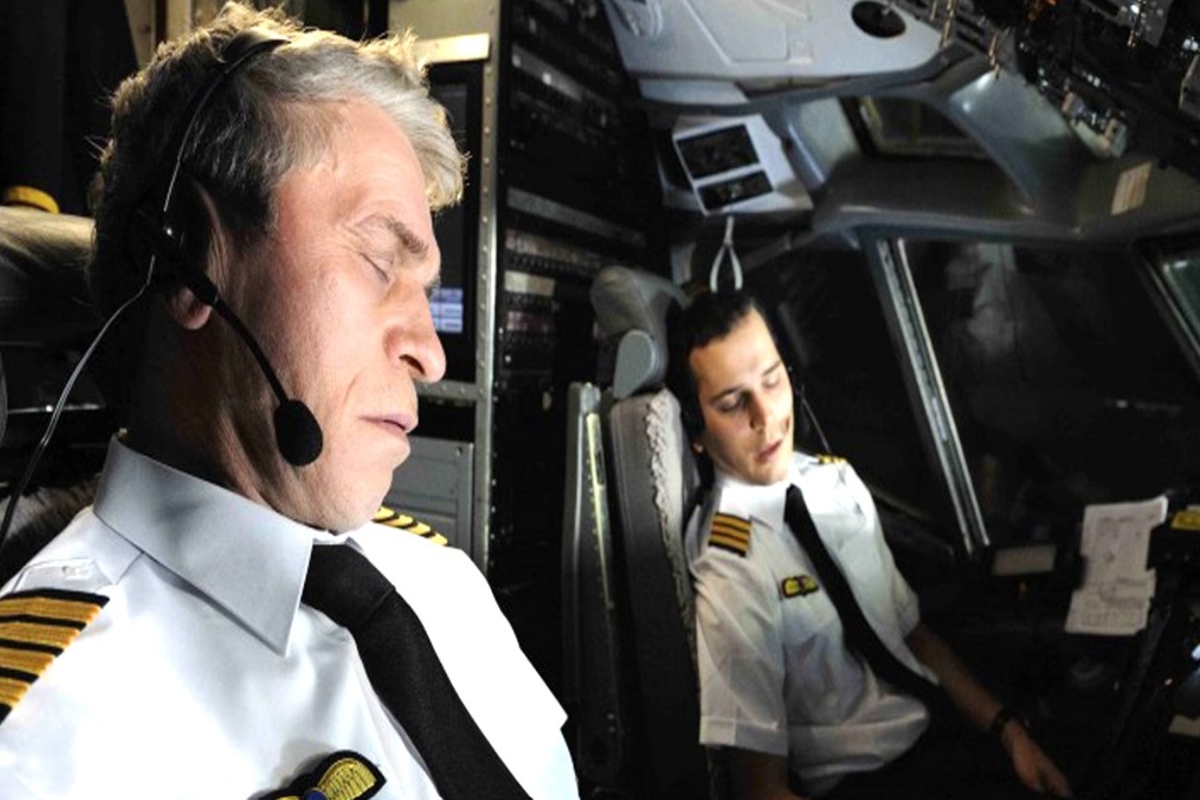
Many passengers have wondered this quietly while looking out of an airplane window: what happens if a pilot faints mid flight? It’s a fair question. Commercial aircraft operate at high altitudes for long hours, and pilots are human. Understanding how aviation handles this situation helps replace fear with facts.
The reassuring reality is that pilot incapacitation is rare, well understood, and thoroughly planned for. Airlines train crews for this exact scenario, and modern aircraft are designed so that a single medical event does not put passengers at risk.
What Does “Pilot Incapacitation” Mean?
In aviation, fainting falls under a broader term known as pilot incapacitation. This means a pilot becomes temporarily or permanently unable to perform their duties safely due to a medical or physical condition.
In-flight pilot incapacitation can happen suddenly, such as fainting or collapse, or gradually, such as confusion or delayed reactions. Both types are taken seriously. Training focuses on recognizing the problem early and responding in a structured way.
Commercial aviation assumes that medical issues can occur and builds safety systems around that assumption.
What Happens If a Pilot Faints Mid Flight?
When one pilot faints during a commercial flight, the aircraft does not lose control. The first priority is stability. The conscious pilot immediately takes control of the aircraft and ensures it continues flying safely. In most cases, the aircraft is already stable, but autopilot is often engaged to reduce workload and allow the pilot to focus on managing the situation.
The incapacitated pilot is then secured in their seat. This is an important step because an unconscious person can unintentionally interfere with flight controls. Cabin crew may assist if required, especially on long-haul flights where additional crew members are available.
Once control is assured, the pilot contacts air traffic control and declares a medical emergency. This allows ATC to give the aircraft priority handling, clear surrounding traffic, and assist with routing toward a suitable airport. From this point forward, the situation is managed calmly and methodically.
Why Would a Pilot Faint During a Flight?
Pilots undergo regular medical examinations and are held to strict health standards, but no screening process can eliminate every risk. Pilots are still human, and sudden medical issues can occur.
Common causes discussed in aviation medicine and pilot communities include dehydration, sudden illness, gastrointestinal distress, blood pressure changes, fatigue combined with sickness, or rare oxygen-related issues. These events are uncommon, but aviation planning accounts for them.
This is one reason commercial flights always operate with at least two qualified pilots on the flight deck.
What Is the Pilot Incapacitation Procedure?
The pilot incapacitation procedure is standardized across airlines and regions. The remaining pilot stabilizes the aircraft, manages cockpit workload, and ensures the incapacitated pilot cannot interfere with flight controls. Communication with air traffic control happens early so that the pilot is not handling the situation alone.
The final step is a decision on whether to continue or divert. In most cases, flights divert to the nearest suitable airport. Factors include the condition of the incapacitated pilot, weather conditions, fuel state, and available medical facilities. The decision is practical, not rushed, and always safety-focused.
What Role Do Cabin Crew Play?
Cabin crew are trained to support cockpit emergencies. If a pilot faints, they may be called to assist with securing the pilot or providing medical support if instructed. At the same time, they manage the passenger cabin and maintain calm.
Passengers may hear an announcement about a diversion or experience a delay without knowing the specific reason. Many incidents are handled so smoothly that most passengers are unaware a cockpit medical issue occurred.
What Happens If Both Pilots Pass Out?
One of the most searched and misunderstood questions is what happens if both pilots pass out. While this scenario is extremely rare, aircraft systems are designed to maintain stable flight even if pilot input is temporarily lost.
Autopilot systems can hold altitude, speed, and heading, and can follow programmed flight paths. This means the aircraft does not immediately become unsafe. Air traffic control monitors flights continuously and can assist in coordinating emergency responses.
This does not mean pilots are unnecessary. It means the aircraft is designed to buy time until control is restored.
Can a Plane Fly Without a Pilot?
For limited periods, yes. Can a plane fly without a pilot? Modern aircraft can maintain controlled flight using automation. Autopilot can keep the aircraft stable and predictable.
However, pilots are still essential. Automation does not replace human decision-making, judgment, or communication. It supports pilots rather than substitutes for them.
Can a Plane Land Itself?
Another common question is can a plane land itself. Some commercial aircraft are capable of autoland, but only under specific conditions. The airport must have compatible landing systems, weather must meet certain requirements, and the aircraft must be certified for the procedure.
Autoland is not available everywhere and is not used casually. It exists as an additional safety layer, not as a solution for every situation.
What Happens If a Pilot Dies During a Flight?
If a pilot dies during a flight, it is treated as severe incapacitation. The remaining pilot follows the same procedure: securing the cockpit, declaring an emergency, and diverting to a suitable airport.
Such events are extremely rare, and historical aviation safety records show they have been managed without compromising passenger safety.
What Passengers Might Notice?
From the passenger cabin, the experience is usually calm. You may notice a diversion, a longer flight time, or emergency vehicles waiting after landing. These measures are often precautionary.
You will not feel the aircraft “lose control.” Commercial planes are designed for stability, and crews are trained to manage abnormal situations without panic.
How Aviation Reduces the Risk of Pilot Incapacitation?
Aviation safety is built on redundancy. Airlines reduce risk through medical certification, ongoing health monitoring, fatigue management rules, and crew resource management training. Two-pilot cockpit rules exist specifically to handle scenarios like pilot fainting.
Regulatory authorities such as the Federal Aviation Administration require airlines to demonstrate their ability to manage pilot medical emergencies safely.
Read Also: How Do Private Jets Avoid Commercial Traffic?
Frequently Asked Questions
What happens if a pilot faints mid flight?
The other pilot takes control, declares an emergency, and the flight usually diverts.
What happens if both pilots pass out?
The aircraft remains stable using automated systems until control is restored.
Can a plane fly without a pilot?
Yes, temporarily, using autopilot, but pilots are still required.
Can a plane land itself?
Some aircraft can autoland under specific conditions.
Is pilot fainting common?
No. It is rare and well-managed when it occurs.
Final Thoughts
Pilot fainting is not a failure of aviation safety. It is a known risk that the system is designed to handle. Commercial flying does not depend on perfect humans. It depends on preparation, training, and layered protection.
So if you ever wonder what happens if a pilot faints mid flight, the answer is simple and reassuring: the aircraft remains under control, the crew knows exactly what to do, and passenger safety remains the top priority. For more information you can visit crewdaily.com.