


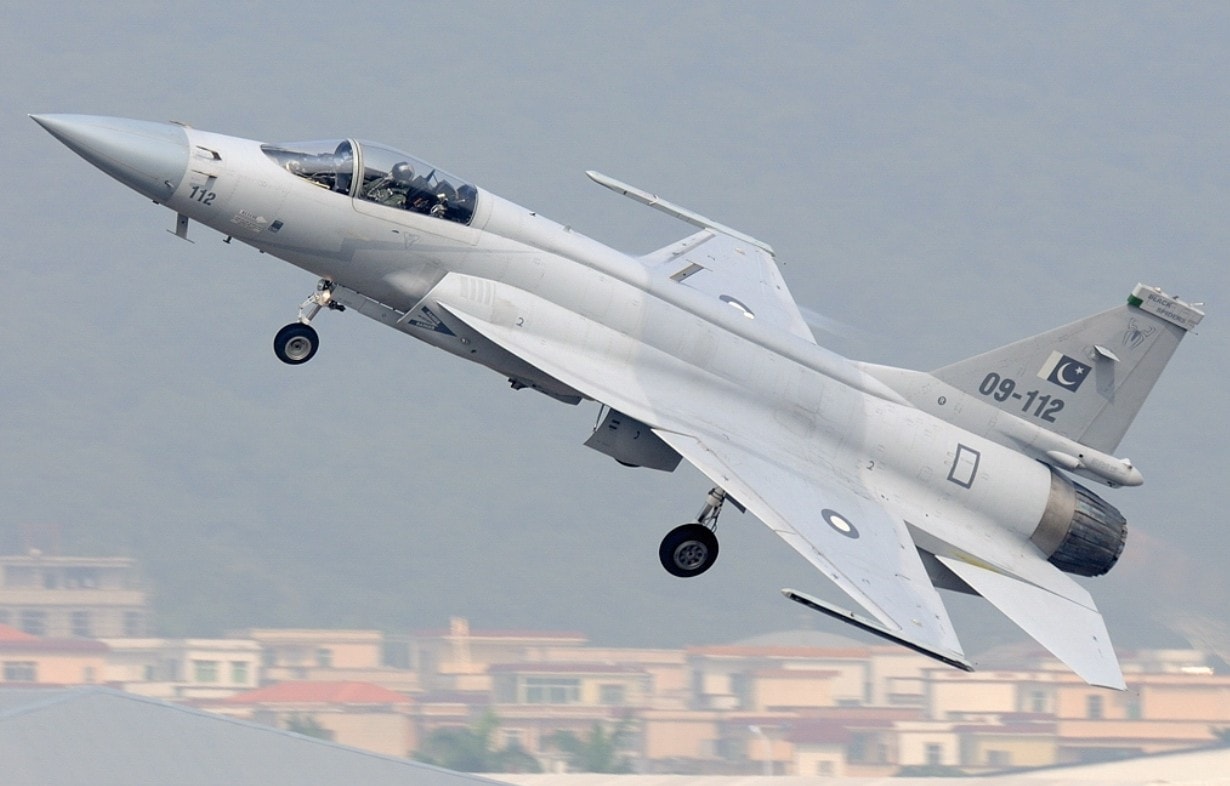
The JF-17 Thunder is making waves again. After proving itself in Pakistan-India skirmishes, this fighter jet caught global attention. Now, Saudi Arabia is converting a massive loan into aircraft orders. The JF-17 Thunder deal could reshape Middle Eastern air power. This $4 billion swap shows how Pakistan’s budget fighter is becoming a geopolitical game-changer across Africa and the Gulf.
Background on JF-17 Thunder
The JF-17 Thunder started as a Pakistan-China partnership. Pakistan Aeronautical Complex and China’s Chengdu Aircraft Corporation built it together. The goal was simple: create an affordable, reliable combat aircraft.
Block 3 changed everything. It added AESA radar for better target tracking. The IRST system detects enemy jets without using radar. Modern avionics match fighters costing three times more.
Pilots call it the “Toyota of fighter jets.” Not flashy, but it gets the job done. Combat testing against Indian aircraft proved its worth. The price tag stays under $30 million per unit. That’s half what Western alternatives cost.
The Saudi Arabia Deal
Pakistan owes Saudi Arabia $2 billion. Riyadh agreed to take JF-17 Thunder fighters instead of cash. This loan-to-jets swap makes financial sense for both nations.
The Pakistan Air Force chief visited Saudi Arabia in December 2024. Sources say the total package reaches $4 billion. That includes aircraft, weapons, training, and maintenance contracts.
Why would Saudi Arabia want these jets? The kingdom is hedging its bets. US military support isn’t guaranteed anymore. Washington’s unpredictable policy shifts worry Gulf allies. The JF-17 Thunder offers independence from Western supply chains.
Pakistan benefits too. The deal erases debt without draining foreign reserves. It keeps production lines running at PAC Kamra. Workers stay employed. The defense industry gets a boost.
Both countries gain strategic flexibility. Saudi Arabia diversifies its air force. Pakistan strengthens economic ties with a key Gulf partner.
Other Emerging Deals
Sudan is close to signing a $1.5 billion defense package. Insiders say JF-17 Thunder aircraft are part of the deal. Saudi Arabia is brokering the arrangement. The agreement could include other Pakistani weapons systems too.
Sudan needs modern air capability. Its current fleet is outdated. The JF-17 fits Sudan’s budget constraints. Delivery could start within 18 months of signing.
Bangladesh is also talking to Pakistan. Dhaka wants the JF-17C Block 3 variant. South Asian defense dynamics are shifting. Bangladesh seeks to modernize without breaking the bank.
These negotiations show the JF-17 Thunder filling a market gap. Countries want capability without Western price tags. They also want fewer political strings attached to purchases.
Global Impact and Future
Six countries now operate or ordered the JF-17 Thunder. Myanmar, Nigeria, and Azerbaijan already fly them. Iraq and Argentina joined the customer list recently. Each sale strengthens Pakistan’s defense exports.
PAC Kamra is ramping up production. The facility can build 24 aircraft annually. Plans exist to increase that number. More orders mean more jobs and technology transfer.
Pakistan’s defense economy is transforming. The country earned over $1 billion from JF-17 sales alone. Spare parts, training, and upgrades add recurring revenue. This creates long-term relationships with buyer nations.
The JF-17 Thunder dominates the budget multirole fighter market. No competitor offers similar capability at this price. Chinese J-10 costs more. Russian MiG-29 has higher operating expenses. Western F-16s are out of reach for many nations.
Geopolitical tensions fuel demand. African countries face insurgencies. Middle Eastern states want strategic independence. South Asian nations are modernizing. All need affordable air power.
Block 4 development is underway. Expect better engines and weapons integration. These upgrades will keep the JF-17 competitive through 2040.
The Saudi deal validates Pakistan’s aerospace industry. It proves joint ventures with China work. Other developing nations are watching closely. They see a model for indigenous defense capability.
FAQs
What is the JF-17 Thunder?
The JF-17 Thunder is a lightweight multirole fighter jet. Pakistan and China developed it together. It costs around $30 million per unit and features modern avionics.
Why is Saudi Arabia buying JF-17 jets?
Saudi Arabia is converting a $2 billion loan into aircraft purchases. The kingdom wants to reduce dependence on US military equipment. The deal strengthens ties with Pakistan too.
How many countries use the JF-17 Thunder?
Six countries currently operate or ordered the JF-17. These include Myanmar, Nigeria, Azerbaijan, Iraq, Argentina, and potentially Sudan.
What makes the JF-17 special?
The JF-17 Thunder offers modern capabilities at half the cost of Western fighters. Block 3 includes AESA radar and advanced sensors. It’s proven in combat and easy to maintain.
Will Pakistan make money from these deals?
Yes. Pakistan earns from aircraft sales, spare parts, training, and maintenance contracts. The JF-17 program already generated over $1 billion in exports.
When will Saudi Arabia get the jets?
Details are still being finalized. Typical delivery schedules run 18-24 months after contract signing. Production capacity at PAC Kamra will determine exact timelines.
