


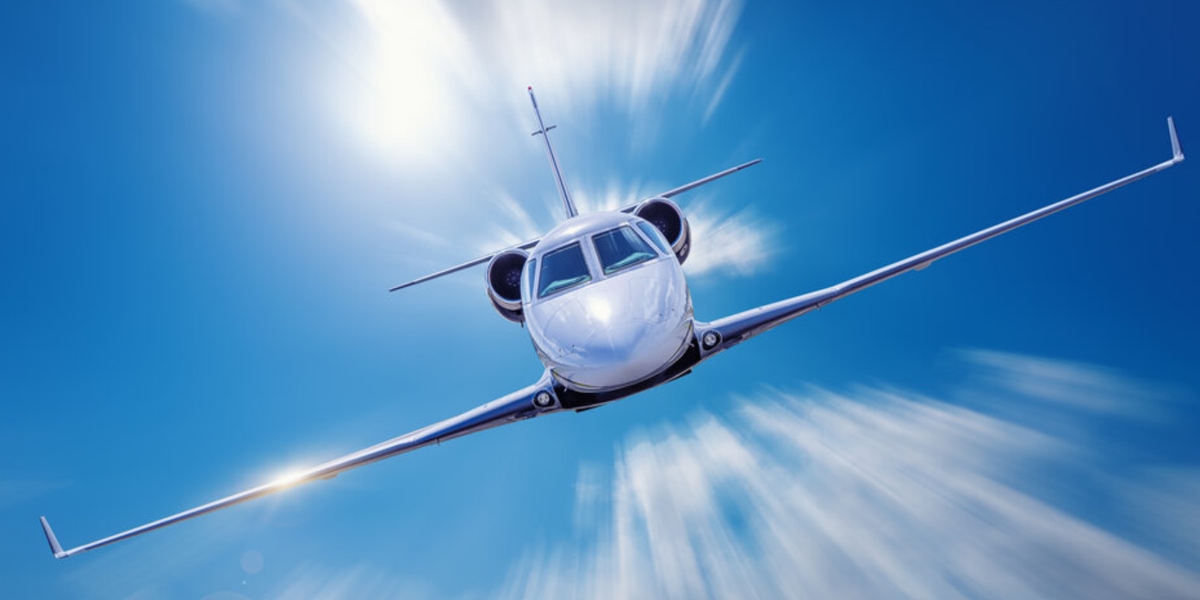
When you book a flight, have you ever wondered just how fast that massive aircraft is flying. Or maybe you’re curious about whether a private jet is faster than a commercial one? The truth is, jet speeds are more fascinating and varied than most people think.
How Fast Do Commercial Jets Go?
Let’s start with the planes that carry millions of passengers yearly. Commercial aircraft like the Boeing 747 and Airbus A380 cruise at approximately 490-575 mph (about 788-925 km/h). That’s faster than a race car, but here’s the thing—these aren’t the maximum speeds.
When you’re sitting in seat 12C, your commercial jet is actually going slower than it could. Why? Because cruising at these speeds is the sweet spot for fuel efficiency. Airlines care about getting you there safely and economically, not setting speed records.
The actual maximum speed a commercial jet can achieve is around 600-650 mph (960-1,045 km/h), but pushing to these limits burns through fuel faster and costs the airline significantly more. So they deliberately fly slower to save money and reduce emissions.
Private Jets Speed – The Luxury Factor
Now, here’s where things get interesting. Private jets, especially high-end models, operate differently. They’re designed for speed and efficiency in ways commercial jets simply aren’t.
A typical private jet like the Cessna Citation cruises at around 400-450 mph (645-725 km/h). But something like the Gulfstream G650ER can reach cruising speeds of 704 mph (1,133 km/h). That’s significantly faster than most commercial jets because private aviation doesn’t face the same economic constraints.
What really sets private jets apart isn’t just speed—it’s flexibility. They take shorter routes, avoid commercial flight paths, and can adjust their speed based on your needs. Want to get to Miami fast? They’ll go faster. Want to save fuel on a long flight? They’ll optimize differently.
How Fast Do Lear Jets Go?
Lear Jets hold a special place in aviation history. The original Learjet 23, introduced in 1963, was revolutionary for its speed and performance. Modern Lear Jets like the Learjet 75 cruise at approximately 500 mph (805 km/h), with a maximum speed around 575 mph (925 km/h).
What made Lear Jets famous was their combination of speed and range. They proved you could have a fast, efficient business jet that didn’t require a major airport. For decades, they set the standard that other manufacturers chased.
Jet Skis vs Jets – Speed Comparison
Here’s where people often get confused. Jet skis (personal watercraft) have nothing to do with actual jets, except they’re fast. A high-performance jet ski maxes out around 60-70 mph (96-112 km/h).
Compare that to a jet aircraft at 500+ mph, and you’ll see why pilots don’t get jealous of water sports enthusiasts. A jet ski is thrilling on a lake, but an actual jet is operating in an entirely different league.
What Affects How Fast Jets Go?
Several factors influence jet speed, and it’s not as simple as “push the throttle all the way.”
Altitude: Jets go faster at higher altitudes where there’s less air resistance. A jet at 35,000 feet encounters about 75% less air density than at sea level.
Payload: A fully loaded commercial jet with passengers, luggage, and fuel weighs hundreds of thousands of pounds. An empty jet will be faster.
Weather and Wind: A jet flying into a 50 mph headwind will show a reduced ground speed, even if its airspeed remains constant. Conversely, a tailwind helps significantly.
Fuel Efficiency: Modern jets are designed with aerodynamics in mind. The angle of wings, the shape of the fuselage, and engine efficiency all play roles in how quickly a jet can move.
Engine Power: Obviously, more powerful engines mean more speed potential. A four-engine jumbo jet produces vastly more thrust than a twin-engine regional jet.
Cruising Speed vs Maximum Speed
Here’s something most people don’t realize: the maximum speed a jet can achieve isn’t the speed it normally flies at.
Think of it like driving a car. Your car might have a top speed of 140 mph, but you probably cruise on highways at 65-75 mph. It’s more efficient, safer, and practical.
Jets work the same way. The cruising speed is the “goldilocks zone”—fast enough to get you there efficiently, economical enough to keep costs down, and comfortable for passengers. Maximum speed is reserved for emergencies or special circumstances.
The Speed Record Holders
If you’re curious about absolute extremes, the fastest jet aircraft ever built was the Lockheed SR-71 Blackbird, a military reconnaissance plane that could exceed Mach 3 (over 2,000 mph or 3,200 km/h). Modern fighter jets routinely exceed Mach 2.
For commercial aviation, the Concorde held the record for decades, reaching Mach 2.04 (1,354 mph or 2,179 km/h). It was faster than a bullet, but passenger demand and fuel costs eventually made it uneconomical.
Passenger Airplane Speed: What You Should Know
Standard passenger airplane speed is something you can actually look up in real-time on websites like FlightRadar24. Most commercial flights show their ground speed (actual speed across the earth) rather than airspeed (speed through the air).
A typical passenger airplane at cruise altitude is doing around 500 mph ground speed, but that varies based on winds and routing. On a flight from New York to Los Angeles, you might see different speeds depending on whether you’re flying into or with the jet stream.
Read Also: Top 10 Fighter Jets in the World 2026: Complete Rankings
FAQs About Jet Speeds
Q: How fast do jet planes go in km/h?
A: Commercial jets cruise at 788-925 km/h, while private jets can reach 645-1,133 km/h depending on the model.
Q: What is the speed of jet aircraft at takeoff?
A: Jets need approximately 150-180 mph (240-290 km/h) to become airborne, though this varies by aircraft type and conditions.
Q: Are private jets faster than commercial jets?
A: Not necessarily faster in terms of maximum speed, but they often maintain higher cruising speeds and have more speed flexibility.
Q: How does altitude affect jet speed?
A: Higher altitudes have less air resistance, allowing jets to fly faster with less fuel consumption. This is why planes climb to 35,000+ feet.
Q: Can jets fly faster than the speed of sound?
A: Commercial jets cannot—they’d break apart. Only military jets and specially designed aircraft exceed the sound barrier (Mach 1, or 761 mph).
Q: Why don’t jets always fly at maximum speed?
A: Flying at maximum speed burns through fuel incredibly fast, making flights prohibitively expensive. Cruising speed is the practical, economic sweet spot.
Q: What’s the difference between airspeed and ground speed?
A: Airspeed is how fast the jet moves through the air. Ground speed is how fast it moves across the earth. Wind makes these different.
Final Thoughts
Jet speed is one of those things that seems simple on the surface but reveals layers of complexity when you dig deeper. Whether you’re curious about commercial aviation, dreaming about private jet travel, or just want to understand what’s happening during your next flight, knowing these speed basics helps you appreciate the engineering marvel happening 35,000 feet above your head.
The next time you’re on a flight and the captain announces cruising altitude, you’ll know that jet is pushing through the sky at speeds most cars couldn’t even dream of—all while keeping your coffee from spilling. Now that’s impressive. For more information, visit Crew Daily.
