


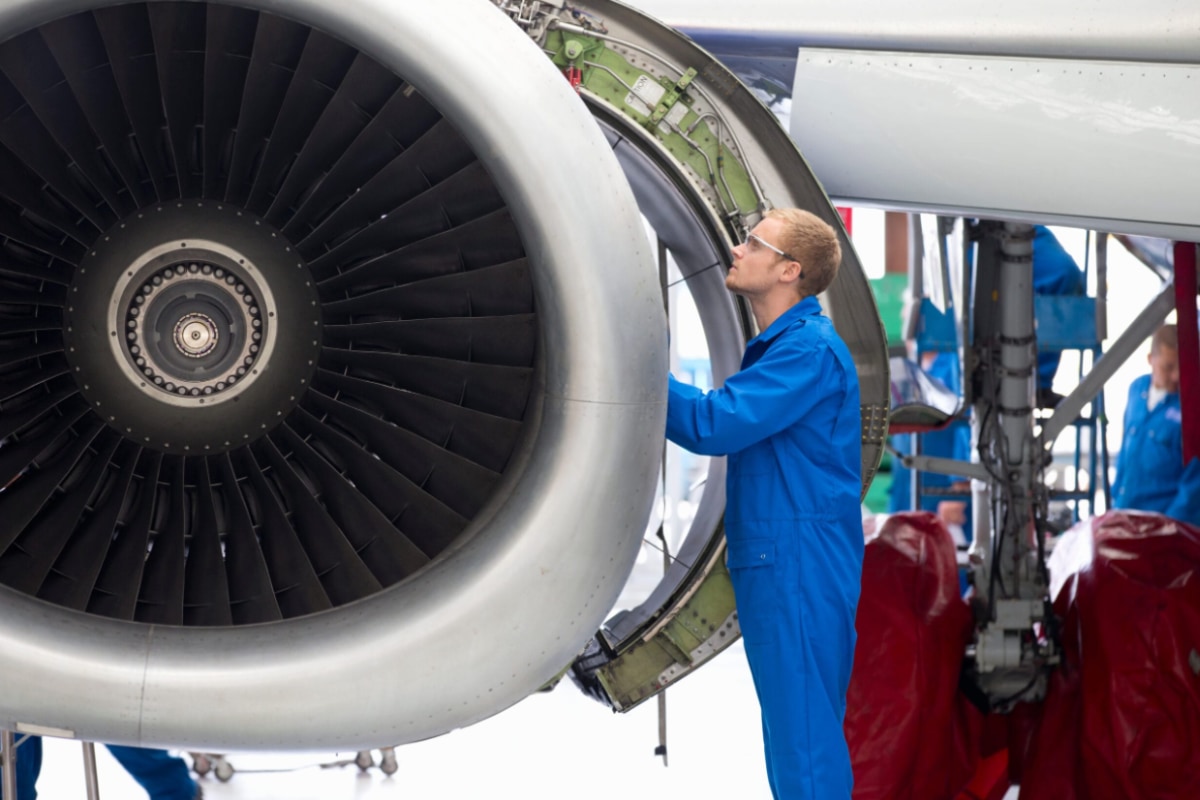
I stood on the tarmac at 5 AM watching mechanics crawl over a Boeing 737. They checked every panel. They tested every system. They documented every finding. That morning changed how I see aviation safety forever.
Most passengers never think about it. They board their flight and assume everything works. But before your plane even pushes back from the gate, dozens of people have already inspected it thoroughly.
The daily aircraft maintenance check is the invisible shield protecting every flight. It catches problems before they become disasters. I’ve spent years documenting these procedures at major airlines. What I learned amazed me.
Every commercial aircraft undergoes rigorous inspection before takeoff. Mechanics follow strict protocols. Pilots conduct their own checks. Ground crews verify critical systems.
This layered approach keeps aviation the safest form of travel on Earth. Understanding what happens during these daily checks reveals the incredible dedication behind every safe flight.
The Aircraft Maintenance Schedule Hierarchy
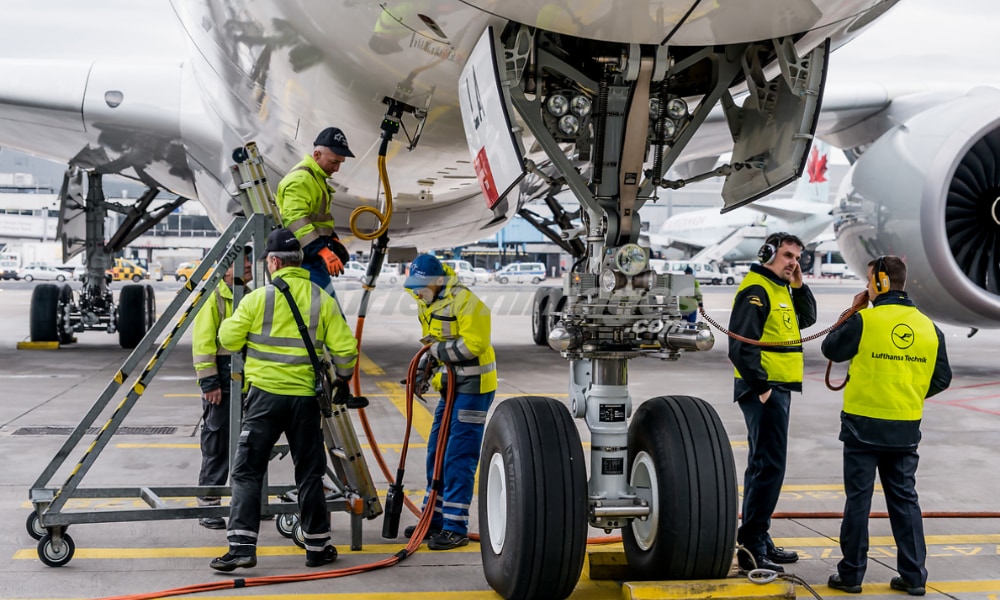
Aviation maintenance operates on multiple levels. Each level serves a specific purpose. I compare it to maintaining a car, but multiplied by a thousand. The Federal Aviation Administration mandates this structured approach. Airlines must follow it religiously or face severe penalties.
Daily checks form the foundation. They happen before every first flight of the day. Sometimes they occur between flights too. These quick inspections catch obvious issues. Mechanics look for leaks, damage, and system failures. The process takes 30 to 60 minutes typically.
Line maintenance happens every 24 to 60 flight hours. Mechanics inspect wheels, brakes, and fluid levels during these checks. They verify the aircraft remains airworthy for continued service.
Then come the deeper inspections. A-checks occur every 400 to 600 flight hours. That’s roughly every 8 to 10 weeks for busy aircraft. These checks take 10 to 24 hours in a hangar. Technicians replace filters, lubricate systems, and test emergency equipment.
They inspect the airframe for damage and corrosion. Every rivet gets examined. Every panel gets checked. B-checks used to happen every 6 to 8 months. Modern airlines have absorbed these tasks into A-checks now. This reduces aircraft downtime significantly.
C-checks represent heavy maintenance. They happen every 18 to 24 months. The aircraft enters a specialized facility for 1 to 2 weeks. Mechanics open access panels throughout the plane. They inspect structural components, flight control systems, and engine mounts. This check requires 6,000 man-hours or more. Finally, D-checks occur every 6 to 10 years.
These are complete overhauls. The aircraft gets essentially taken apart and rebuilt. Every system gets inspected. The cabin interior comes out completely. Even the paint gets stripped off to inspect the metal skin underneath. A D-check costs several million dollars and takes 30,000 to 50,000 man-hours.
How Often Do Airplanes Get Maintenance?
People ask me this constantly. The short answer surprises them. Commercial aircraft get inspected before every single flight. That’s not an exaggeration. Every flight begins with checks. But the depth of inspection varies based on the aircraft maintenance schedule.
I tracked a typical Boeing 737 for a month. It flew 6 flights daily on average. That’s 180 flights monthly. Before the first flight each day, mechanics performed a thorough daily inspection. Between flights, ground crews conducted quicker transit checks. These verify nothing changed since the last flight. They check for obvious damage or leaks. The whole process takes maybe 20 minutes.
That same 737 got an A-check during the month. It happened overnight at the airline’s maintenance base. The aircraft arrived at 11 PM. Mechanics swarmed it immediately. By 6 AM, they had completed 50 different inspection tasks. The plane returned to service for the morning departures. Passengers never knew it spent the night in the hangar.
Compared to cars, aircraft maintenance is incredibly frequent. You change your car’s oil every 5,000 miles maybe. An airliner gets multiple inspections before it even accumulates that much flight time. The difference comes down to safety margins. Aviation accepts zero compromise on safety. Ground transportation tolerates more risk. That’s just reality.
The European Aviation Safety Agency and FAA both mandate these frequencies. Airlines can’t skip checks or delay them without approval. Every inspection gets documented meticulously. Regulators audit these records constantly. I’ve seen airlines fined hundreds of thousands of dollars for maintenance violations. The system works because the consequences of failure are severe.
The Complete Aircraft Maintenance Checklist
I obtained an actual daily inspection checklist from a major US airline. The document runs 12 pages long. It covers every critical system on a narrow-body aircraft. Mechanics must physically verify each item. They can’t just assume everything works.
The check starts with documentation review. Mechanics read the aircraft logbook first. They look for deferred maintenance items. Not every problem grounds an aircraft immediately. The Minimum Equipment List specifies what can be inoperative temporarily.
Maybe a reading light doesn’t work. Maybe one of three radio systems has issues. The MEL defines whether the plane can still fly safely. Mechanics verify all deferred items remain within limits.
Next comes the external walk-around inspection. This is critical. Mechanics circle the entire aircraft looking for damage. They check the fuselage for dents, cracks, or popped rivets. Bird strikes leave obvious marks. Ground equipment sometimes bumps the aircraft during operations.
Mechanics find these issues during the walk-around. I watched one mechanic discover a small dent near the cargo door. That discovery delayed the flight two hours while engineers assessed the damage. Better a delay than a disaster.
Wing inspections are thorough. Mechanics examine leading edges for damage. They check flaps and slats for proper operation. They verify all access panels are closed securely. They look underneath the wings for fluid leaks.
Hydraulic fluid shows up as reddish liquid. Fuel leaks smell distinctively. Any leak requires immediate attention. Control surfaces get special attention. Ailerons, elevators, and rudder must move freely. Mechanics check hinges and control linkages. They verify nothing obstructs movement.
Landing gear receives intense scrutiny. Tires get inspected for wear, cuts, and proper inflation. Brake assemblies are examined for fluid leaks. Hydraulic lines running to the brakes get checked for damage. Mechanics measure tire tread depth.
Airlines have minimum standards. Below that threshold, tires get changed immediately. I’ve seen mechanics reject tires that looked fine to me. They explained tiny cuts can propagate during landing. Better safe than sorry.
Engine inspections happen from outside and inside the cowlings. Mechanics look for oil leaks around the engine. They check fan blades for damage through the inlet. Bird strikes sometimes damage fan blades. Even small nicks reduce efficiency and can cause vibration.
They verify all cowl panels are secured properly. Loose panels can separate during flight. That’s incredibly dangerous. The engine intake gets cleared of any debris. Even small objects can cause catastrophic damage if ingested.
The cockpit inspection involves system checks. Pilots usually do this part, but mechanics verify critical items too. They test flight instruments for proper operation.
Navigation systems get powered up and checked. Communication radios are tested. Emergency equipment gets verified. Fire extinguishers must be properly secured and charged. Emergency oxygen systems get checked. First aid kits are inspected for completeness.
Inside the cabin, mechanics check passenger safety equipment. Emergency exits must operate properly. Exit signs and emergency lighting get tested. Life vests are counted and inspected. Oxygen masks in the overhead panels are checked periodically.
Lavatories must function properly. Smoke detectors in lavatories get tested regularly. Galley equipment is inspected. Even the seats get checked. They must be secured properly to the floor tracks.
Fluid levels require constant monitoring. Engine oil is checked and topped off if needed. Hydraulic reservoirs are verified at proper levels. The aircraft carries multiple hydraulic systems for redundancy. Each one gets checked.
Potable water tanks for lavatories and galleys are serviced. Lavatory waste tanks get emptied. Fuel quantity gets verified against fuel receipts. Contamination checks involve draining samples from fuel tanks. Water in fuel can cause engine failure. Mechanics check samples visually and sometimes with special paper that detects water.
Who Performs These Critical Checks?
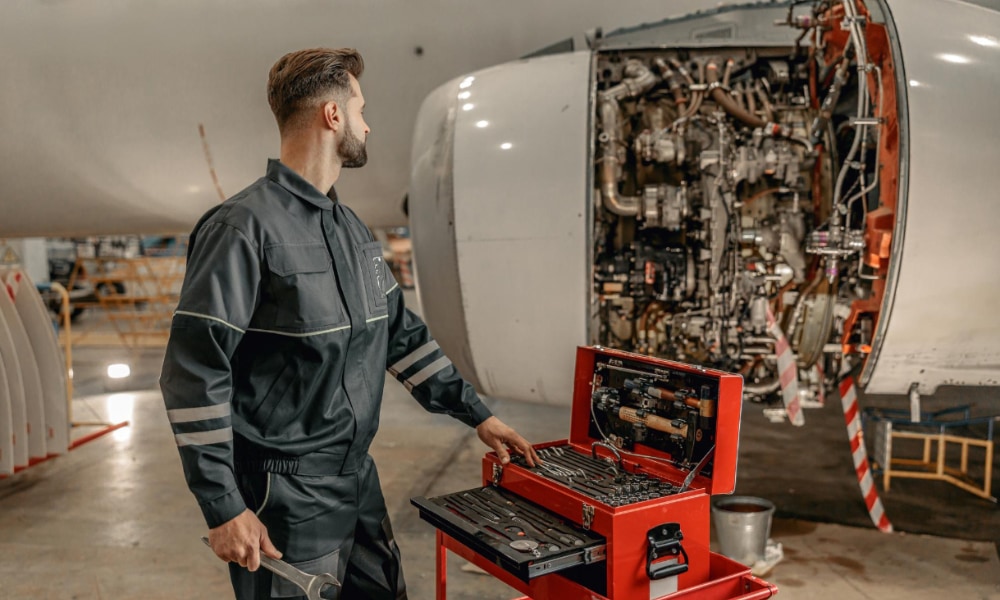
Certified aircraft mechanics handle the heavy lifting. The FAA requires an Airframe and Powerplant certificate. Getting an A&P license takes years of training.
Mechanics attend specialized schools or learn through military service or apprenticeships. They must pass rigorous written, oral, and practical exams. I know several A&P mechanics personally. Their knowledge is encyclopedic.
Airlines employ hundreds or thousands of mechanics depending on fleet size. Delta Air Lines has over 8,000 maintenance technicians. United Airlines employs similar numbers.
These professionals work around the clock. Aircraft don’t sleep, so maintenance never stops. Night shifts handle heavy maintenance when aircraft sit unused. Day shifts conduct line maintenance between flights.
Pilots also play a crucial role. They conduct their own pre-flight inspections before every flight. This is separate from the mechanic’s inspection. Pilots follow a checklist specific to their aircraft type. They do an external walk-around checking for obvious issues.
They verify control surfaces move properly. They check tire condition. Inside the cockpit, pilots test all systems before engine start. They verify instruments work correctly. They test flight controls for proper response. They check fuel quantity matches what was loaded.
Ground crews assist with inspections too. Ramp agents report damage they notice during baggage loading. Fuelers check for leaks during refueling operations. Caterers entering the aircraft report any issues they see. This multi-layered approach catches problems from different perspectives. I call it redundant safety, and it works brilliantly.
Quality control inspectors provide oversight. They randomly audit mechanics’ work. They verify procedures are followed correctly. They check documentation is complete. Airlines maintain dedicated quality assurance departments.
These inspectors have authority to ground aircraft if they find problems. I’ve witnessed heated discussions between mechanics and QA inspectors. Both want safety, but sometimes disagree on interpretation. The system works because multiple eyes review critical issues.
Technology Transforming Daily Maintenance
Modern aircraft use sophisticated monitoring systems. Engine health monitoring tracks performance in real-time. Sensors measure temperatures, pressures, and vibrations continuously during flight. This data gets transmitted to ground stations.
Engineers analyze it looking for trends. They can predict component failures before they happen. I toured Boeing’s operations center once. Banks of computers tracked thousands of aircraft worldwide. When an engine parameter drifted outside normal range, the system alerted mechanics automatically.
Electronic logbooks have replaced paper in many airlines. Mechanics enter findings on tablet computers. The system tracks all maintenance actions digitally.
It schedules upcoming inspections automatically. It alerts crews about deferred maintenance items. It generates reports for regulators instantly. The old paper system required enormous filing cabinets. Digital records are searchable and accessible worldwide.
Borescope inspections let mechanics see inside engines without disassembly. A flexible tube with a camera feeds through small openings. Mechanics examine turbine blades and combustion chambers internally. They find cracks or damage that would otherwise require engine removal. This technology saves millions in maintenance costs while improving safety.
Predictive maintenance software analyzes vast amounts of data. It learns normal patterns for each aircraft. When something deviates from normal, the system flags it for inspection.
This catches developing problems early. Airlines move from reactive maintenance to proactive maintenance. Instead of fixing things after they break, they replace components before failure occurs. Passengers experience fewer delays. Aircraft spend less time out of service.
Read Also: Cessna Citation CJ4: Specs, Price & Performance
Common Issues Found During Daily Checks
I asked mechanics what they find most often. The answers were enlightening. Fluid leaks top the list. Hydraulic systems operate at incredibly high pressures. Seals eventually wear out.
Small leaks are common. Mechanics assess whether leaks are within acceptable limits or require immediate repair. I watched a mechanic wipe a hydraulic fitting. He came back 10 minutes later to check if fluid had reappeared. It had, so the aircraft got grounded for seal replacement.
Tire damage happens frequently. Debris on runways cuts tire rubber. Stones get embedded in tread. Hard landings create flat spots. Mechanics inspect every tire during every daily check. I saw a tire with a 2-inch cut in the sidewall.
That aircraft didn’t fly until the tire was changed. Landing gear takes tremendous stress. Finding and fixing tire issues prevents blowouts during takeoff or landing.
Light bulbs fail regularly. Navigation lights, landing lights, and taxi lights burn out. The MEL allows flight with certain lights inoperative during daytime. But mechanics still note the failure for later repair. Cockpit warning lights also burn out. These get fixed immediately because pilots need accurate system information.
Bird strikes cause surprising amounts of damage. I’ve seen dents in radomes from birds. I’ve seen blood and feathers on leading edges. Mechanics inspect carefully after bird strikes. Even minor impacts get documented. Engineers assess whether the damage affects structural integrity. Most bird strikes are minor. Occasionally they’re serious enough to ground the aircraft for repair.
Loose fasteners turn up during inspections. Aircraft vibrate constantly. Screws and bolts gradually loosen. Mechanics carry torque wrenches. They check security of critical fasteners. They tighten loose ones. They replace missing ones. This tedious work prevents panels from separating in flight. I appreciate this attention to detail every time I fly.
Weather damage is seasonal. Hail storms pit aircraft skin. Lightning strikes leave burn marks. Mechanics inspect for weather damage after storms pass through. Most weather damage is cosmetic. Sometimes it’s serious enough to require skin repairs. Ice and snow create whole other challenges. Mechanics verify all ice is removed before flight. Even small amounts of frost on wings disrupts airflow and reduces lift.
The Cost of Safety
Airlines spend enormous sums on maintenance. A Boeing 737 costs roughly $4,000 to $4,500 per flight hour to operate. About $800 to $1,000 of that is maintenance reserves. Multiply that across an entire fleet. Delta operates over 900 aircraft. Their annual maintenance budget exceeds $1.5 billion. United and American spend similar amounts.
But the cost of not maintaining aircraft is far higher. Every accident costs hundreds of millions in settlements, lost aircraft value, and reputation damage. Airlines learned this lesson painfully over decades. Modern carriers maintain aircraft meticulously. The investment pays dividends in safety and reliability.
Maintenance delays frustrate passengers and airlines alike. But I’d rather wait on the ground than discover a problem at altitude. Mechanics face constant pressure to work quickly. They also face absolute requirements to work correctly. Good mechanics balance both. They find problems fast and fix them right. That takes skill and experience.
The aircraft maintenance schedule might seem excessive to outsiders. Why check the same things repeatedly? Because aircraft operate in extreme conditions. Pressurization cycles stress the fuselage. Temperature swings from ground to cruise altitude are dramatic.
Vibration from engines and air turbulence affects every component. Landing gear absorbs massive impact forces. Things wear out. Things break. Constant inspection catches issues before they become catastrophes.
Final Thoughts
I board flights differently now after learning about daily aircraft maintenance checks. I notice the mechanics on the ramp. I appreciate the thoroughness of pre-flight inspections. I understand the delays when problems are found. The system isn’t perfect. Mistakes happen. But the multi-layered inspection process catches most issues.
Commercial aviation achieved its safety record through rigorous maintenance. The aircraft maintenance checklist isn’t just bureaucracy. It’s a living document refined through decades of experience and accidents. Every item on that checklist represents lessons learned, often painfully.
Mechanics performing daily checks are the unsung heroes of aviation safety. Their work happens in the shadows. Passengers rarely see it. But it’s the foundation of every safe flight.
Next time your flight delays for maintenance, thank the mechanic who found the problem. They just saved your life, possibly. The daily aircraft maintenance check is aviation’s secret weapon against failure. It works quietly, constantly, and effectively.
That’s why I fly with confidence. I know the systems protecting me. I trust the people maintaining them. The question “how often do airplanes get maintenance” has a simple answer: constantly, thoroughly, and professionally. For more information, visit Crew Daily.
Frequently Asked Questions
How long does a daily aircraft maintenance check take?
A daily aircraft maintenance check typically takes 30 to 60 minutes for a thorough inspection. This happens before the first flight of each day. Between flights, quicker transit checks take 15 to 20 minutes. The time varies based on aircraft size and complexity.
Larger aircraft like Boeing 777s or Airbus A350s require more time than smaller regional jets. Mechanics follow detailed checklists that can’t be rushed. Finding a problem extends the time significantly while the issue gets assessed and repaired.
What is included in an aircraft maintenance checklist?
An aircraft maintenance checklist covers the entire aircraft systematically. Mechanics inspect the fuselage, wings, and tail for damage. They check all control surfaces for proper movement. Landing gear receives detailed inspection including tires, brakes, and hydraulic systems.
Engines are examined for leaks and damage. Inside, mechanics verify safety equipment like life vests and fire extinguishers. They test emergency lighting and exits. Fluid levels get checked including oil, hydraulics, and fuel. Pilots conduct their own checks of cockpit instruments and flight controls. Every item must be verified and documented.
Who can perform daily aircraft inspections?
Only certified aircraft mechanics with Airframe and Powerplant licenses can perform daily maintenance checks on commercial aircraft. These professionals undergo years of training and must pass FAA exams. Airlines hire these certified technicians specifically for maintenance work.
Pilots also conduct pre-flight inspections before every flight, but this is separate from the mechanic’s inspection. Both roles are critical. Ground crews and other personnel can report issues they observe, but certified mechanics must verify and document all findings officially.
Can an airplane fly with maintenance items deferred?
Yes, aircraft can fly with certain items inoperative under the Minimum Equipment List. The MEL specifies what equipment can be temporarily broken while still maintaining safe flight. For example, one of multiple navigation systems might be inoperative. Or a passenger reading light could be broken. These items get tagged as deferred maintenance.
Mechanics track them and fix them during scheduled maintenance. However, critical systems cannot be deferred. Engine problems, flight control issues, or safety equipment failures ground the aircraft immediately until repaired.
How much does aircraft maintenance cost airlines annually?
Major airlines spend over $1 billion annually on maintenance. Delta Air Lines’ maintenance budget exceeds $1.5 billion yearly. United and American Airlines spend similar amounts. This covers labor, parts, facilities, and equipment.
A single D-check overhaul costs $3 to $7 million per aircraft. Daily line maintenance is cheaper but adds up quickly across large fleets. Airlines operating 500+ aircraft perform thousands of inspections monthly. The cost is massive but essential. Proper maintenance prevents accidents, reduces delays, and extends aircraft service life.
