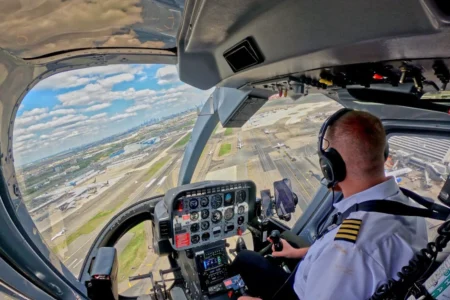






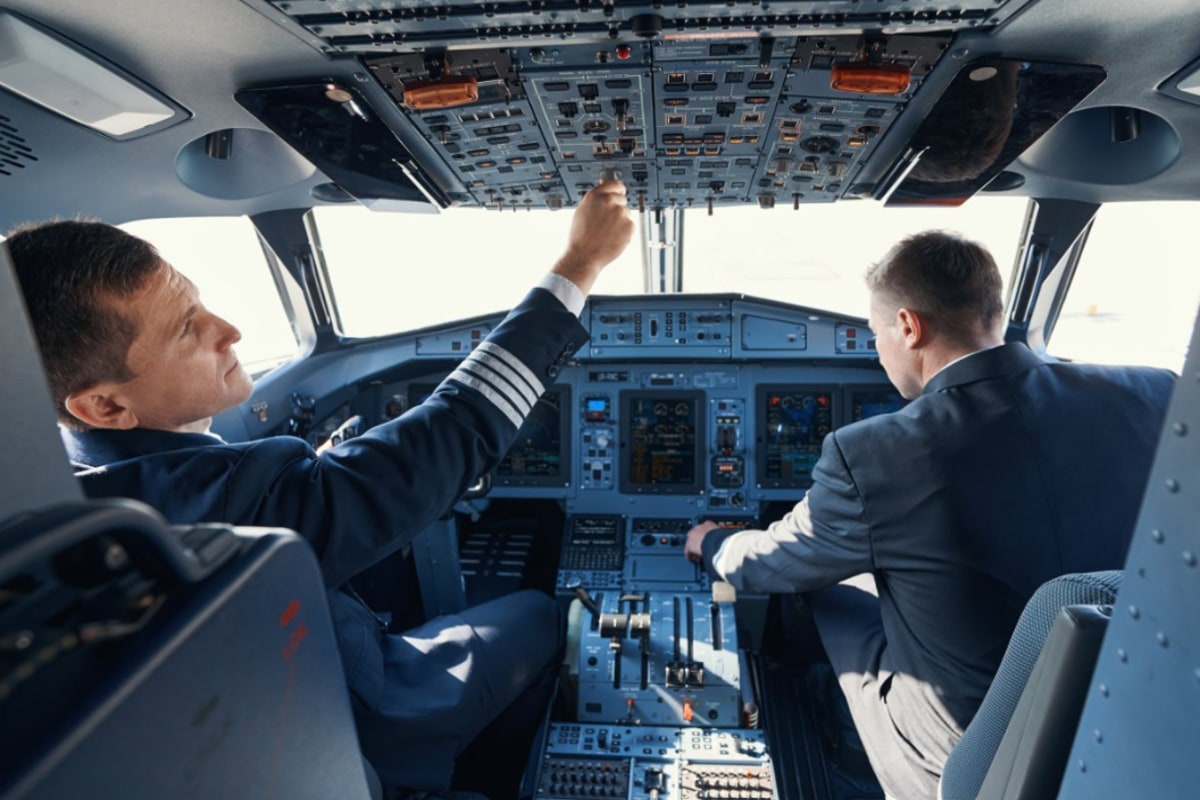
CPL holder meaning refers to the trained professional status of a pilot who holds a valid Commercial Pilot License issued by a recognized aviation authority.
This status confirms that the pilot has completed approved ground training, practical flying training, required examinations, medical assessments, and the minimum flight hours needed to fly an aircraft for commercial purposes.
A CPL holder is no longer flying only to learn or for personal satisfaction. At this stage, flying becomes a profession governed by strict operational and safety standards.
What Does CPL Holder Meaning Really Mean in Aviation?
In real aviation terms, the CPL holder meaning represents accountability. It shows that the pilot has demonstrated the ability to operate an aircraft safely, consistently, and independently under commercial conditions. This includes correct decision-making, situational awareness, aircraft handling, navigation, and compliance with aviation regulations.
A CPL holder is trusted by regulators to carry responsibility in the cockpit. This trust is not theoretical. It is earned through repeated evaluation during training and flight tests.
Why Is the CPL Holder Meaning Important for a Pilot’s Career?
The CPL holder meaning is important because it marks the legal and professional entry point into the aviation industry. Before CPL, a pilot cannot earn money from flying, regardless of skill level. After CPL, flying becomes a legitimate occupation.
All professional aviation roles require CPL as the base qualification. Whether the goal is airline flying, charter operations, cargo flights, or flight instruction, CPL is the minimum requirement. Without it, career progression in aviation is not possible.
When Can You Become a CPL Holder?
A pilot becomes a CPL holder only after completing the full training process approved by the aviation authority. This includes both theoretical education and flying experience.
There is no fixed age or calendar timeline that guarantees CPL issuance. A pilot is granted CPL holder status only when required flight hours are logged, exams are passed, and final skill tests are successfully completed. Weather conditions, aircraft availability, and training consistency all affect how quickly this stage is reached.
How Does One Achieve the CPL Holder Meaning?
Achieving the CPL holder meaning requires structured preparation. Ground training builds knowledge of air regulations, navigation, meteorology, aircraft systems, and flight planning. Flying training then converts that knowledge into real cockpit decision-making.
During training, students progress from basic aircraft handling to complex navigation and instrument procedures. The goal is not just to fly, but to operate safely under varied conditions. Only after meeting all regulatory standards does a pilot earn CPL holder status.
Flying Training: The Core of Becoming a CPL Holder
Flying training is the most critical part of CPL preparation. It develops confidence, skill, and operational judgment. Before flying independently, students practice extensively with instructors to ensure safe handling and proper decision-making.
Below is a standard breakdown of flying hours typically required during CPL training.
| Category | Details |
|---|---|
| Total Flying Hours | Minimum 200 hours required for CPL issue (as per DGCA). |
| Day Flying | 100–120 hours covering basic maneuvers, take-offs, landings, and aircraft handling in daylight. |
| Night Flying | 5–10 hours focused on low-visibility operations, runway lighting systems, and night navigation. |
| Cross-country Flying | 50 hours of long-distance flights between airports to build navigation and planning skills. |
| Instrument Flying | 20 hours flying solely using cockpit instruments for poor visibility conditions. |
| Dual Flights | 15 hours flown with an instructor onboard for guidance and demonstrations. |
| Solo Flights | 60–70 hours flown independently to demonstrate competence and decision-making. |
| Simulator Training | 5 hours practicing emergency procedures, instrument flying, and complex scenarios safely. |
Career Scope After Becoming a CPL Holder
A CPL holder is not limited to one role. With additional experience and ratings, a CPL holder can work in charter aviation, corporate flying, cargo operations, or as a flight instructor. Many pilots use these roles to build flight hours before entering airline operations.
The CPL holder meaning also allows flexibility. A pilot can move between different aviation sectors depending on qualifications and experience gained over time.
Read Also: What Happens If a Pilot Faints Mid-Flight?
FAQs on CPL Holder Meaning
What does CPL holder meaning really mean?
The CPL holder meaning confirms that a pilot is legally qualified to fly aircraft for commercial purposes. It shows that the pilot has completed approved training, met regulatory standards, and is permitted to earn money through flying activities.
Why is the CPL holder meaning important for my career?
It is important because CPL is the minimum professional license required in aviation. Without CPL holder status, paid flying is not allowed. With it, a pilot can enter the aviation job market and progress toward advanced roles.
When can I become a CPL holder?
You become a CPL holder after completing required ground training, logging minimum flying hours, passing theory exams, clearing skill tests, and meeting medical fitness standards. The license is issued only after all conditions are fulfilled.
How does one achieve the CPL holder meaning?
The CPL holder meaning is achieved through structured training that combines classroom learning with practical flying. After meeting all regulatory requirements and passing final assessments, the aviation authority grants CPL holder status.
Can someone with a CPL holder status transition into other roles in aviation?
Yes. A CPL holder can transition into various aviation roles with additional training and experience. These include charter pilot, flight instructor, corporate pilot, cargo pilot, and airline first officer. With time and qualifications, progression to ATPL and airline captain roles is possible.
Final Understanding of CPL Holder Meaning
The CPL holder meaning represents the transition from training to professional responsibility. It confirms that a pilot is trusted to operate aircraft commercially and safely. While it is not the final stage of a pilot’s journey, it is the most important gateway into professional aviation. Visit crewdaily.com for more information.