


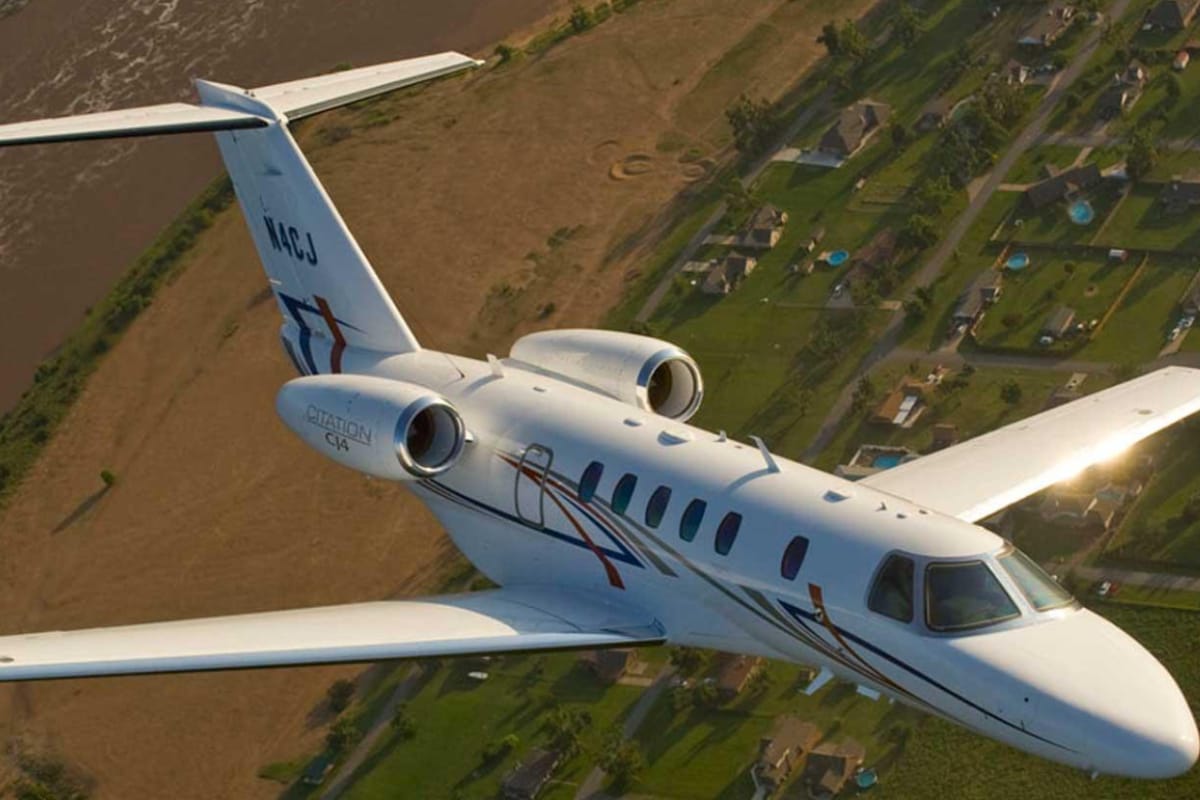
I remember the first time I saw a Cessna Citation CJ4 take off. The power was impressive. The design was sleek. This jet changed my view of what light business aircraft could do.
The Cessna Citation CJ4 sits at the top of the Citation Jet family. It’s bigger than its siblings. It flies farther. It carries more passengers. I’ve flown on many private jets over the years. The CJ4 stands out every single time.
This isn’t just another business jet. It’s a workhorse that delivers luxury without the massive price tag of larger aircraft. Whether you’re flying coast to coast or hopping between European capitals, the Cessna CJ4 gets you there in style.
What Makes the Citation CJ4 Special?
Textron Aviation builds this jet at their Wichita, Kansas facility. The same place where Cessna has manufactured aircraft since 1927. That legacy matters. You feel it in every detail.
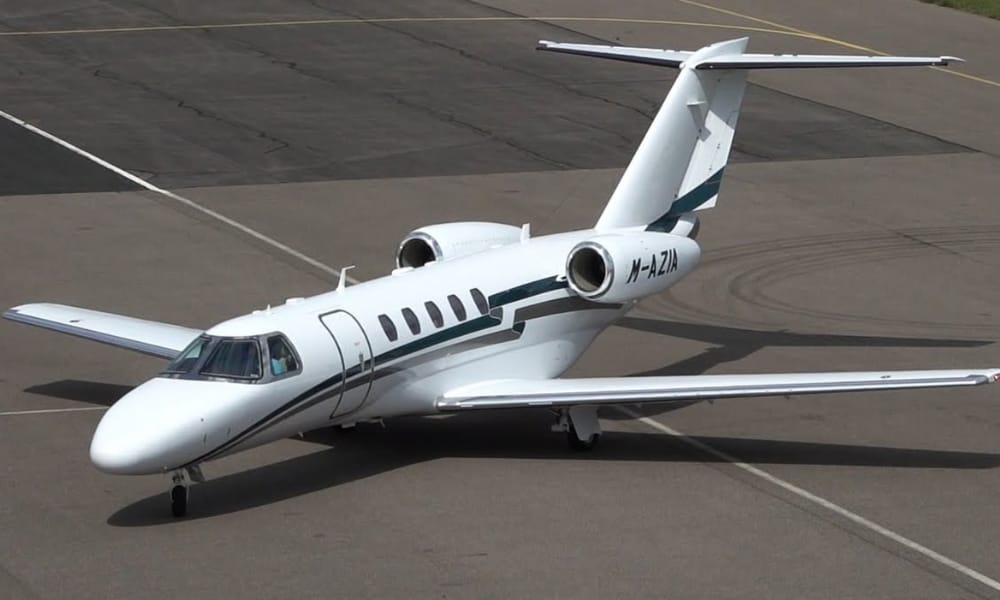
The Cessna 525C Citation CJ4 entered service in 2010. It filled a gap in the market perfectly. Pilots wanted something bigger than the CJ3. Passengers demanded more comfort. Businesses needed better range. The CJ4 delivered all three.
I’ve watched this aircraft evolve over the years. From the original model to the Gen2 and now the Gen3. Each generation brings improvements. But the core excellence remains.
Cessna Citation CJ4 Generations
Original CJ4 (2010-2021)
The first generation set the standard. I flew on one in 2012. The cabin impressed me immediately.
Key features included:
- Collins Pro Line 21 avionics
- Williams FJ44-4A engines
- Standard eight-passenger seating
- Range of 2,165 nautical miles
Production ran for over a decade. Textron Aviation delivered more than 300 units worldwide. That’s success.
Cessna Citation CJ4 Gen2 (2022-2024)
The Gen2 brought modern updates. I saw the changes firsthand at a trade show in 2022.
Improvements included:
- Redesigned cabin management system
- Better soundproofing
- Updated interior materials
- Enhanced lighting systems
- Improved climate control
The bones stayed the same. The experience got better. That’s smart engineering.
Citation CJ4 Gen3 (2024-Present)
Textron Aviation announced the Gen3 recently. I’m excited about this version.
New features include:
- Advanced connectivity options
- Further interior refinements
- Updated avionics displays
- Improved fuel efficiency
The evolution continues. Each generation learns from the previous one.
Manufacturer: Textron Aviation
Cessna Aircraft Company started in 1927. Clyde Cessna founded it with a vision. Build reliable aircraft that people could afford.
By 1992, Textron had acquired Cessna. In 2014, Cessna merged with Beechcraft under the Textron Aviation banner. Now they’re one of the world’s largest general aviation manufacturers.
I’ve visited their Wichita facilities twice. The attention to detail is incredible. Every rivet matters. Every system gets tested thoroughly.
The Citation family includes over 8,000 delivered jets. That’s more than any other business jet line in history. The CJ4 represents the pinnacle of their light jet expertise.
Cessna Citation CJ4 Price
New Aircraft Cost
A brand new Citation CJ4 Gen3 starts around $11.5 million. That’s a significant investment. But compare it to larger jets costing $20-30 million. The value becomes clear.
The price includes:
- Complete avionics suite
- Standard interior configuration
- Two Williams engines
- Basic warranty coverage
Options add to the base price quickly. Custom interiors can add $500,000 or more. Advanced Wi-Fi systems cost extra. Entertainment packages increase the total.
Pre-Owned Market
I track the pre-owned market closely. The price ranges vary by year and condition.
Current market prices:
- 2010-2014 models: $5.3-$6.5 million
- 2015-2018 models: $6.5-$8 million
- 2019-2021 models: $8-$9.5 million
- Gen2 models: $9.5-$10.5 million
Maintenance programs affect value significantly. Aircraft enrolled on TAP Blue and ProParts command premium prices. That’s smart buying.
Performance Specifications
Speed
The CJ4 cruises at 451 knots. That’s roughly 519 mph. I time my trips carefully. This speed saves hours on long flights.
Maximum speed reaches 521 mph in ideal conditions. You get where you’re going fast.
Range
Range is where the Cessna 525C Citation CJ4 shines.
Maximum range: 2,165 nautical miles
Real-world examples I’ve calculated:
- New York to Los Angeles: Need one fuel stop
- London to Moscow: Non-stop easily
- Houston to New York: Direct flight
- San Diego to Orlando: No problem
With four passengers and full fuel, range stays consistent. That’s practical performance.
Altitude
Service ceiling reaches 45,000 feet. I appreciate high-altitude capability. You fly above weather. Turbulence decreases. Fuel efficiency improves.
Engines
Two Williams FJ44-4A turbofan engines power the aircraft. Each produces 3,621 pounds of thrust.
These engines are reliable. I’ve never heard of major issues. They’re fuel-efficient for their class. Maintenance costs stay predictable with proper programs.
Interior and Cabin
Dimensions
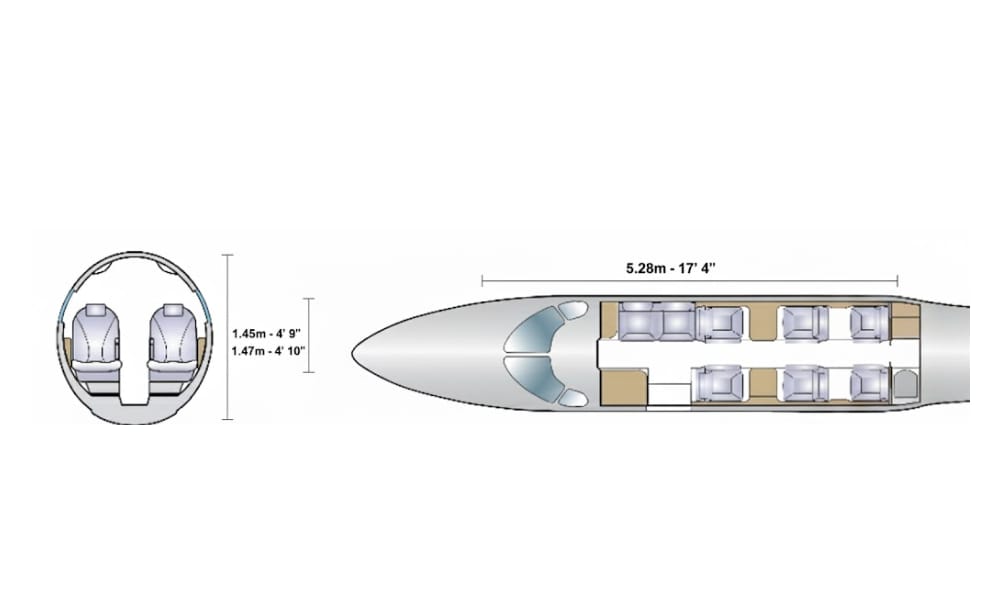
The cabin measures:
- Length: 17 feet 4 inches
- Width: 4 feet 10 inches
- Height: 4 feet 9 inches
- Volume: 293 cubic feet
It’s spacious for a light jet. I’m 6 feet tall. I move around comfortably.
Seating Capacity
Standard configuration seats eight passengers. That’s the sweet spot for most missions.
Layout options include:
- Six-passenger club seating with extended galley
- Eight-passenger with double divan
- Nine-passenger high-density configuration
The belted lavatory can serve as an extra seat when needed. Smart use of space. Single-pilot operations allow one additional passenger in the cockpit. That’s only for owner-operated flights, not charters.
Interior Features
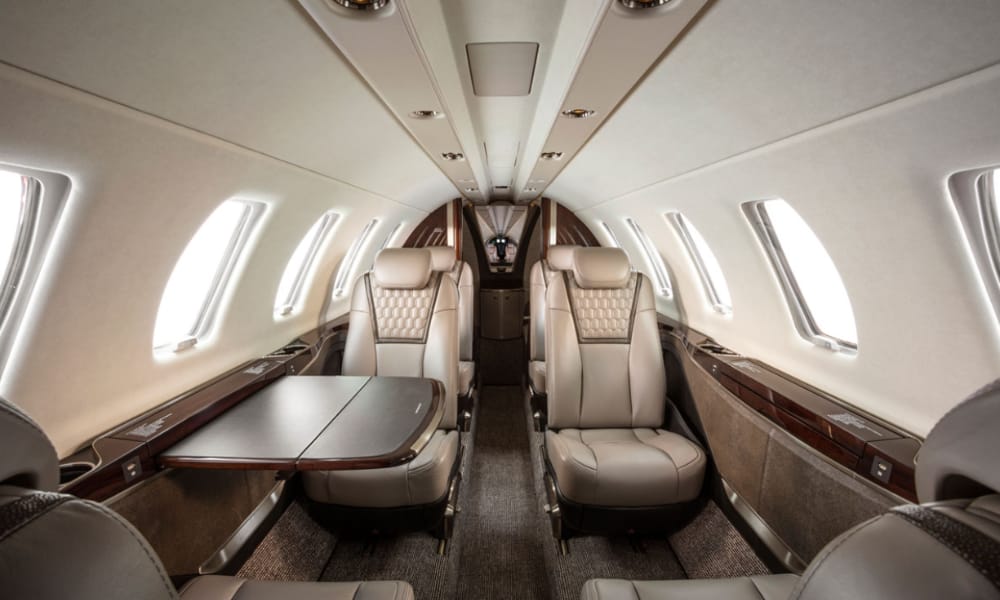
The cabin feels premium. I notice the details every time.
Standard amenities:
- Fully enclosed lavatory
- Forward galley or refreshment center
- LED lighting throughout
- Individual climate controls
- Power outlets at each seat
- 77 cubic feet of baggage space
Wi-Fi is available as an option. Gogo AVANCE L3 systems are popular. Connectivity matters for business travelers. Entertainment systems vary by aircraft. Some owners install full media centers with multiple screens. Others keep it simple.
The Gen2 and Gen3 models feature improved soundproofing. Conversations happen at normal volume. That’s a big upgrade from older models.
Operating Costs
Hourly Operating Cost
The Cessna CJ4 costs approximately $4,000-$4,500 per flight hour. That’s the reality of ownership.
This breaks down to:
- Fuel: $1,400-$1,600 per hour
- Maintenance reserves: $800-$1,000 per hour
- Crew: $300-$500 per hour
- Insurance: $400-$600 per hour
- Miscellaneous: $300-$500 per hour
These are averages. Your actual costs depend on many factors.
Annual Fixed Costs
Annual fixed costs run around $625,000 for an owner-operated aircraft flying 450 hours yearly.
This includes:
- Hangar fees
- Insurance premiums
- Crew salaries (if applicable)
- Recurrent training
- Database subscriptions
- Management fees
Add variable costs of $1.4 million for 450 hours. Total annual budget approaches $2 million.
Charter Rates
If you’re chartering a CJ4, expect to pay $3,000-$4,000 per flight hour. Rates vary by:
- Aircraft age and condition
- Routing and positioning
- Peak vs off-peak times
- Total flight time
I always get multiple quotes. Prices fluctuate significantly between operators.
Is the Citation CJ4 Worth It?
I get asked this question constantly. My answer depends on your mission.
The CJ4 excels when you need:
- Range up to 2,000 nautical miles
- Seating for 6-8 passengers
- Single-pilot operation capability
- Reasonable operating costs
- Access to smaller airports
Consider alternatives if you need:
- Transcontinental range without stops
- Stand-up cabin height
- More than 8 passengers regularly
- Lowest possible operating costs
For most business aviation missions, the Cessna CJ4 hits the sweet spot. It’s not the cheapest light jet. It’s not the most expensive. It delivers solid performance with proven reliability.
Comparison with Competitors
Embraer Phenom 300
The Phenom 300 is the CJ4’s main competitor. I’ve flown both extensively.
Phenom 300 advantages:
- Slightly faster cruise speed
- Lower acquisition cost
- Newer design
CJ4 advantages:
- Longer range
- More cabin volume
- Better parts availability
- Stronger resale values
Both are excellent aircraft. The choice comes down to specific mission requirements.
Pilatus PC-24
The PC-24 offers unique capabilities. Its unpaved runway performance stands out.
PC-24 advantages:
- Cargo door option
- Rougher runway capability
- Flexible cabin configurations
CJ4 advantages:
- Lower operating costs
- Larger support network
- Better single-pilot certification
Again, mission drives the decision.
Technology and Avionics
Collins Pro Line 21
The original CJ4 featured Collins Pro Line 21 avionics. This system was advanced when introduced.
Features include:
- Three large LCD displays
- Integrated flight management
- Synthetic vision technology
- Terrain awareness systems
- Weather radar
- Traffic collision avoidance
I find the system intuitive. Pilot workload stays low. That’s critical for single-pilot operations.
Safety Features
Safety systems impress me on the CJ4.
Standard equipment includes:
- Enhanced Ground Proximity Warning System (EGPWS)
- Traffic Collision Avoidance System (TCAS II)
- Windshear detection
- Automatic pressurization
- Anti-skid braking
- Dual hydraulic systems
These aren’t just checkboxes. They save lives.
Single-Pilot Operations
Yes, the Citation CJ4 is approved for single-pilot operations. That’s a huge selling point.
I know several owner-pilots who fly their CJ4s solo. The aircraft is designed for it. Systems are simplified. Workload stays manageable.
Requirements for single-pilot operations:
- Proper type rating
- Single-pilot exemption
- Recurrent training
- Medical certification
- Recent experience
Most corporate operations use two pilots anyway. But the option provides flexibility.
Airport Performance
Takeoff and Landing
The CJ4 needs surprisingly little runway.
Takeoff distance: 3,410 feet Landing distance: 3,038 feet
This opens up smaller airports. I’ve landed CJ4s at:
- Aspen, Colorado
- Lugano, Switzerland
- Saint-Tropez, France
- Teterboro, New Jersey
Short runway capability means flexibility. You get closer to final destinations.
High-Altitude Operations
Hot and high performance is solid. The CJ4 handles Denver, Mexico City, and other challenging airports without issues.
Certification up to 45,000 feet helps. You clear weather and traffic easily.
Maintenance and Support
Maintenance Programs
I strongly recommend enrolling in maintenance programs.
TAP Blue covers engines:
- Predictable hourly costs
- Overhaul protection
- Parts coverage
- Labor included
ProParts covers airframe:
- Scheduled maintenance items
- Wear and tear components
- System repairs
- Predictable budgeting
These programs cost money upfront. They save money long-term. Resale values stay higher too.
Support Network
Textron Aviation operates service centers worldwide. Parts availability is excellent. That matters when you’re far from home.
I’ve needed maintenance in Europe, Asia, and South America. Support was available every time.
Real-World Owner Experiences
I interview aircraft owners regularly. CJ4 owners consistently report satisfaction.
Common praise:
- Reliability exceeds expectations
- Cabin comfort surprises passengers
- Operating costs stay predictable
- Dispatch reliability runs above 95%
Common complaints:
- Cabin height limits stand-up movement
- Range falls short for some missions
- Initial purchase price seems high
No aircraft is perfect. The CJ4 comes close for its mission profile.
Conclusion
The Cessna Citation CJ4 represents mature, proven technology. It’s not revolutionary. It’s evolutionary. That’s actually a strength.
After years of watching this aircraft, I respect what Textron Aviation achieved. They took a successful formula and refined it. Three generations later, it still competes effectively.
Whether you’re buying new or pre-owned, the CJ4 deserves consideration. It won’t disappoint if your mission matches its capabilities.
The price seems high initially. But calculate cost per mile, cost per passenger, and total mission capability. Value becomes clear. This jet works. It’s that simple. For more information, visit crewdaily.com.
FAQs
How much does a Cessna Citation CJ4 cost?
New Citation CJ4 Gen3 jets start around $11.5 million. Pre-owned Cessna Citation CJ4 price ranges from $5.3 million for older 2010-2014 models up to $10.5 million for recent Gen2 aircraft.
Prices depend heavily on aircraft age, total time, maintenance program enrollment, and interior condition. I’ve seen exceptional low-time examples command premium prices. The market stays strong for well-maintained aircraft.
Is Citation CJ4 single pilot?
Yes, the Citation CJ4 is approved for single-pilot operations. This certification is a major advantage. The aircraft systems are designed to reduce pilot workload. Collins Pro Line 21 avionics help significantly. You need proper type rating, single-pilot exemption, and recurrent training.
Most corporate operations still use two pilots for safety and workload management. But the single-pilot option provides valuable flexibility for owner-operators.
What is the most expensive Citation jet?
The Citation Longitude and Citation Hemisphere represent Cessna’s most expensive offerings currently. The Longitude starts around $28 million. These larger jets offer transcontinental range, stand-up cabins, and more passenger capacity than the CJ4.
The Citation X+ was previously the fastest and most expensive before production ended. For light jets specifically, the CJ4 sits at the top of the CJ line in both capability and price.
How much does a CJ4 cost per hour?
Operating costs for the Cessna Citation CJ4 run approximately $4,000-$4,500 per flight hour for owner-operated aircraft. This includes fuel ($1,400-$1,600), maintenance reserves ($800-$1,000), insurance ($400-$600), crew costs if applicable ($300-$500), and miscellaneous expenses ($300-$500).
Charter rates typically range from $3,000-$4,000 per hour depending on routing, aircraft condition, and market conditions. These numbers assume proper maintenance program enrollment and average utilization of 400-500 hours annually.
