


FAA NextGen airspace changes 2026 are reshaping the way pilots fly, communicate, and navigate across the United States. Whether you operate a single-engine Cessna or command a widebody jet on transatlantic routes, these updates affect your daily operations. This is the most significant overhaul the National Airspace System has seen in years, and every pilot needs to understand what is happening right now.
The Federal Aviation Administration has been working on NextGen for well over a decade. But 2026 marks a turning point where several long-promised technologies and procedural changes are finally going live. In this article, we break down the seven most important updates and explain what they mean for pilots at every level.
What Are the FAA NextGen Airspace Changes 2026 All About?
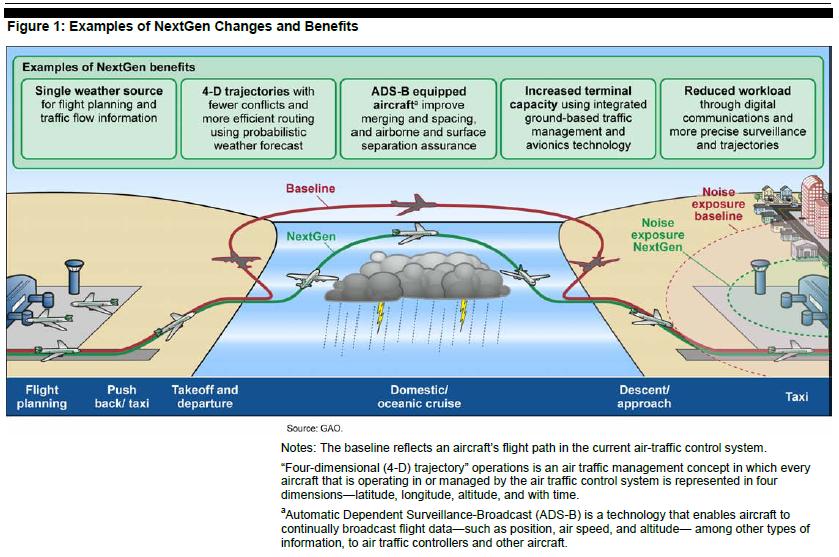
At its core, the NextGen program replaces radar-based air traffic control with satellite-based surveillance and communication. The FAA NextGen airspace changes 2026 represent the latest phase of this transition, focusing on performance-based navigation, data sharing, and improved traffic flow management. These are not theoretical plans sitting in white papers. They are active programs rolling out across major terminal areas this year.
The goal is straightforward: move more aircraft through the same airspace safely and efficiently. Legacy radar systems update aircraft positions every 5 to 12 seconds. ADS-B and other NextGen tools provide near-real-time position data, which allows tighter spacing and more direct routing.
For pilots, this translates into new procedures, new equipment requirements, and new expectations from ATC. The FAA NextGen airspace changes 2026 demand that flight crews stay current with these evolving standards or risk falling behind.
1. Expanded PBN Routes in Terminal Airspace
Performance-Based Navigation is the backbone of the FAA NextGen airspace changes 2026 in terminal environments. The FAA has published dozens of new RNAV and RNP approach and departure procedures at airports across the country. These procedures allow aircraft to fly precise, curved paths that reduce noise, save fuel, and increase throughput.
In 2026, the FAA expanded PBN adoption at 15 additional Class B airports, including several that previously relied heavily on conventional vectoring. Pilots flying into these airports will notice more RNAV STARs with speed and altitude restrictions built directly into the procedure. The idea is to reduce the number of ATC interventions needed during the arrival sequence.
This is especially relevant for general aviation pilots who may not have flown PBN procedures regularly. If your aircraft is equipped with an IFR-approved GPS, you should be training on these procedures now. The days of being vectored for a simple ILS are slowly fading at busy terminals.
2. ADS-B Data Sharing Gets a Major Upgrade
ADS-B Out has been mandatory since 2020 in most controlled airspace. But the FAA NextGen airspace changes 2026 focus on what happens with all that data. The agency is now integrating ADS-B data more deeply into Traffic Flow Management systems, allowing en route centers to predict conflicts and adjust traffic flows with greater precision.
For pilots, the practical impact is noticeable in two ways. First, expect more precise time-based flow management instructions, including Expected Departure Clearance Times (EDCTs) and Calculated Time of Arrival windows. Second, ADS-B In services like TIS-B and FIS-B are being enhanced with better weather overlay data and more accurate traffic depictions.
Pilots who have invested in ADS-B In displays will get more value from their equipment in 2026 than ever before. Those still flying with ADS-B Out only are meeting the legal minimum but missing out on significant situational awareness benefits that these FAA NextGen airspace changes 2026 provide.
3. DataComm Expansion Beyond Major Hubs
Controller-Pilot Data Link Communications, commonly called DataComm, is one of the most talked-about elements of the FAA NextGen airspace changes 2026. Previously limited to departure clearances at about 70 airports, DataComm is now expanding to include en route clearance amendments and, at select facilities, arrival instructions.
This is a game changer for pilots flying in busy airspace. Instead of copying a complex reroute over a scratchy frequency, you receive it digitally on your FMS or ACARS display. You review it, accept it, and load it. The chance of readback errors drops dramatically.
The FAA is rolling out en route DataComm capabilities at all 20 Air Route Traffic Control Centers throughout 2026. If your aircraft is DataComm equipped, you should be seeing digital uplinks for reroutes, altitude assignments, and direct-to clearances with increasing frequency. Airlines are updating their training programs to ensure crews can handle these messages efficiently.
Understanding why many pilots still prefer manual landing gives some perspective on the broader pilot-automation discussion that DataComm feeds into. The trend toward digital communication does not remove the pilot from the loop. It simply changes the nature of the interaction.
How FAA NextGen Airspace Changes 2026 Affect General Aviation
It would be a mistake to think the FAA NextGen airspace changes 2026 only matter to airline crews. General aviation pilots face several of these changes head-on, particularly when operating in or near Class B and Class C airspace. New PBN procedures, revised airspace boundaries, and tighter traffic management tools all affect GA operations.
The FAA has acknowledged that some GA pilots feel squeezed by NextGen procedures designed primarily for jet traffic. In response, the agency created several working groups in 2026 to address GA-specific concerns, including access to community airports near major terminals and compatibility of older avionics with new procedure designs.
If you fly GA, staying informed about these changes is not optional. Review NOTAMs, attend FAA Safety Team seminars, and make sure your avionics are current. The FAA NextGen airspace changes 2026 are not going to slow down to wait for anyone.
4. Metroplex Procedure Redesigns Continue
Metroplex projects are among the most visible products of the FAA NextGen airspace changes 2026. These projects redesign arrival and departure procedures across entire metropolitan areas where multiple airports share congested airspace. In 2026, the FAA advanced Metroplex work in the Pacific Northwest and completed significant updates in the Texas Triangle region connecting Dallas, Houston, Austin, and San Antonio.
The results are measurable. Airlines operating in redesigned Metroplex areas report fuel savings of 1 to 3 percent per flight and fewer departure delays caused by procedural conflicts. Pilots notice smoother transitions between departure and en route phases, with less time spent at inefficient altitudes waiting for higher clearances.
However, Metroplex changes also bring new noise concerns from communities under redesigned flight paths. This has led to public pushback in several areas, which in turn can delay or modify planned procedures. Pilots should be aware that some Metroplex routes may see further revisions based on community feedback throughout the remainder of 2026.
5. Weather Integration Into Flow Management
One of the less headline-grabbing but highly impactful parts of the FAA NextGen airspace changes 2026 is the improved integration of weather data into traffic flow decisions. The FAA’s Traffic Flow Management System now ingests higher-resolution weather models and convective forecasts, enabling more proactive ground delays and reroutes.
For pilots, this means Ground Delay Programs and Airspace Flow Programs should become more targeted. Instead of blanket ground stops affecting an entire arrival airport, the system can now implement rolling delays based on predicted weather windows. This reduces unnecessary holding and fuel burns.
Dispatchers and pilots who use the FAA’s System Operations page can see real-time flow management actions tied to these improved weather predictions. Understanding how these decisions are made helps crews plan more effectively and reduces frustration when delays occur. The FAA NextGen airspace changes 2026 in weather integration represent a genuine operational improvement that every pilot will feel.
6. Remote Tower Technology Pilot Programs
Remote tower operations are gaining real traction under the FAA NextGen airspace changes 2026. The concept involves providing air traffic services to smaller airports using high-definition cameras, sensors, and data feeds monitored by controllers at a remote facility. This is not science fiction. It is happening at multiple test sites this year.
The FAA certified its first remote tower system at a small airport in Colorado in late 2025, and 2026 has seen expanded testing at additional locations. The technology allows airports that currently have no tower services to receive ATC coverage during peak hours without the cost of building a physical tower.
For pilots who operate into uncontrolled fields, this could change the environment significantly. Imagine a remote tower going active at your favorite grass strip during fly-in events. The FAA NextGen airspace changes 2026 in remote tower technology are worth watching closely, especially for the GA community.
7. Space Launch Airspace Management Improvements
Here is a change many pilots do not think about until they are flying through Florida or the Gulf Coast and receive a sudden reroute. The FAA NextGen airspace changes 2026 include significant improvements to how the agency manages airspace around commercial space launches. With the launch tempo increasing dramatically, particularly from sites in Florida, Texas, and Virginia, the old method of blocking large chunks of airspace for extended periods was unsustainable.
The FAA has implemented dynamic launch area management, which uses real-time vehicle tracking data to open and close airspace corridors in tighter windows around actual launch and reentry events. This reduces the time that airspace is restricted and allows airlines to plan more efficient routes near launch zones.
Pilots operating in the southeastern United States will benefit most from this change. Fewer reroutes, shorter delays, and better predictability are the practical outcomes. This is one of the more innovative aspects of the FAA NextGen airspace changes 2026 and reflects the growing intersection of aviation and commercial spaceflight.
What Pilots Should Do Right Now
With the FAA NextGen airspace changes 2026 in full swing, pilots at every level need to take proactive steps to stay current. Here is a practical checklist.
Review your avionics. Make sure your ADS-B equipment is functioning properly and that your GPS database is current. If you fly IFR, confirm your navigator meets the requirements for the PBN procedures at your most frequent destinations.
Study new procedures. Spend time reviewing updated STARs, SIDs, and approaches at airports you fly into regularly. Use simulator time or desktop tools to practice unfamiliar RNP procedures before encountering them in real conditions.
Stay informed. Subscribe to FAA advisory circulars, read the Aeronautical Information Manual updates, and attend safety seminars focused on NextGen topics. The FAA NextGen airspace changes 2026 are documented extensively, but you have to go looking for the information.
The ongoing airline pilot shortage means many new pilots are entering the system who may not have deep experience with legacy procedures. For them, NextGen is simply the standard. But experienced pilots must bridge the gap between older methods and new technology.
Similarly, staying aware of developments like the Boeing 737 MAX 7 certification timeline matters because new aircraft entering fleets are built around NextGen capabilities from day one. The industry is moving forward, and pilot knowledge must keep pace.
The Bigger Picture for Aviation in 2026
The FAA NextGen airspace changes 2026 are part of a global trend toward satellite-based, data-driven air traffic management. Europe’s SESAR program, Asia-Pacific modernization efforts, and ICAO’s Global Air Navigation Plan all align with the same principles. Pilots who understand NextGen are better prepared to operate internationally as well.
The investment in NextGen is enormous. The FAA has spent tens of billions of dollars over the program’s lifetime. In 2026, the return on that investment is finally becoming visible through measurable improvements in delay reduction, fuel savings, and safety metrics.
For the pilot community, these changes are not something to fear. They are tools that make flying safer and more efficient. The FAA NextGen airspace changes 2026 reward pilots who invest in understanding the system and in equipping their aircraft to take full advantage of it.
Stay sharp, stay current, and keep flying.
About the Author: Capt. James Harlow is an A320 Captain holding a GCAA license with over a decade of flying in the Gulf region. He writes about aviation news, pilot careers, cockpit operations, and airline life.
