


Panama Enters a New Aviation Era
Panama Acquires Its First Combat Aircraft. Panama has crossed a significant threshold in its defense history. The nation recently acquired its first combat aircraft, marking a dramatic shift in its aviation capabilities.
The A-29 Super Tucano acquisition represents Panama’s commitment to modern security challenges. For decades, the country relied on surveillance aircraft and ground forces. Now it has tactical air power.
Panama first combat aircraft addresses real-world needs. Drug trafficking routes cross Panamanian waters daily. Illegal fishing depletes marine resources. Border incursions happen in remote jungle areas where ground patrols can’t easily reach.
The Panama aviation modernization effort will change how the nation protects its sovereignty. This article examines why Panama made this choice, what the aircraft can do, and how it fits into regional security trends.
Why This Acquisition Matters for Panama
The Panama combat aircraft acquisition fills critical gaps in national defense. Panama faces unique security challenges that demand aerial solutions.
First, there’s the Panama Canal. This vital waterway handles nearly 14,000 vessel transits annually. Protecting it requires constant vigilance. Panama Canal security aircraft can respond quickly to threats.
Second, maritime surveillance needs have exploded. Panama controls vast ocean territories in both the Pacific and Caribbean. Combat capability Panama now includes aircraft that can track, intercept, and deter threats.
Third, border security demands aerial coverage. Panama shares a dense jungle border with Colombia. Border and maritime surveillance Panama previously depended on partner nations for aerial combat support. Panama first combat aircraft changes that dependency.
The Panama naval aviation modernization became necessary. SENAN (Servicio Nacional Aeronaval) previously operated helicopters and light transport planes. These work well for support missions but can’t conduct tactical operations.
The investment also sends a message. Nations with modern air capabilities deter threats more effectively. Criminal organizations think twice when they know armed aircraft can respond within minutes.
Overview of the A-29 Super Tucano
The Embraer A-29 Super Tucano has become the gold standard for light attack missions. This Brazilian-built aircraft serves air forces on five continents.
It’s not a fighter jet. The A-29 is a light attack turboprop aircraft designed for specific mission types. Embraer designed the Super Tucano for counterinsurgency, border patrol, and close air support.
The aircraft also functions as an advanced training aircraft Panama can use to develop pilot skills. Students learn combat tactics in the same platform they’ll fly operationally. This reduces training costs and improves readiness.
What makes the A-29 combat aircraft special? Versatility. It operates from unpaved runways. It flies low and slow for detailed surveillance. It carries enough weapons to handle serious threats. And it costs a fraction of what jet fighters require.
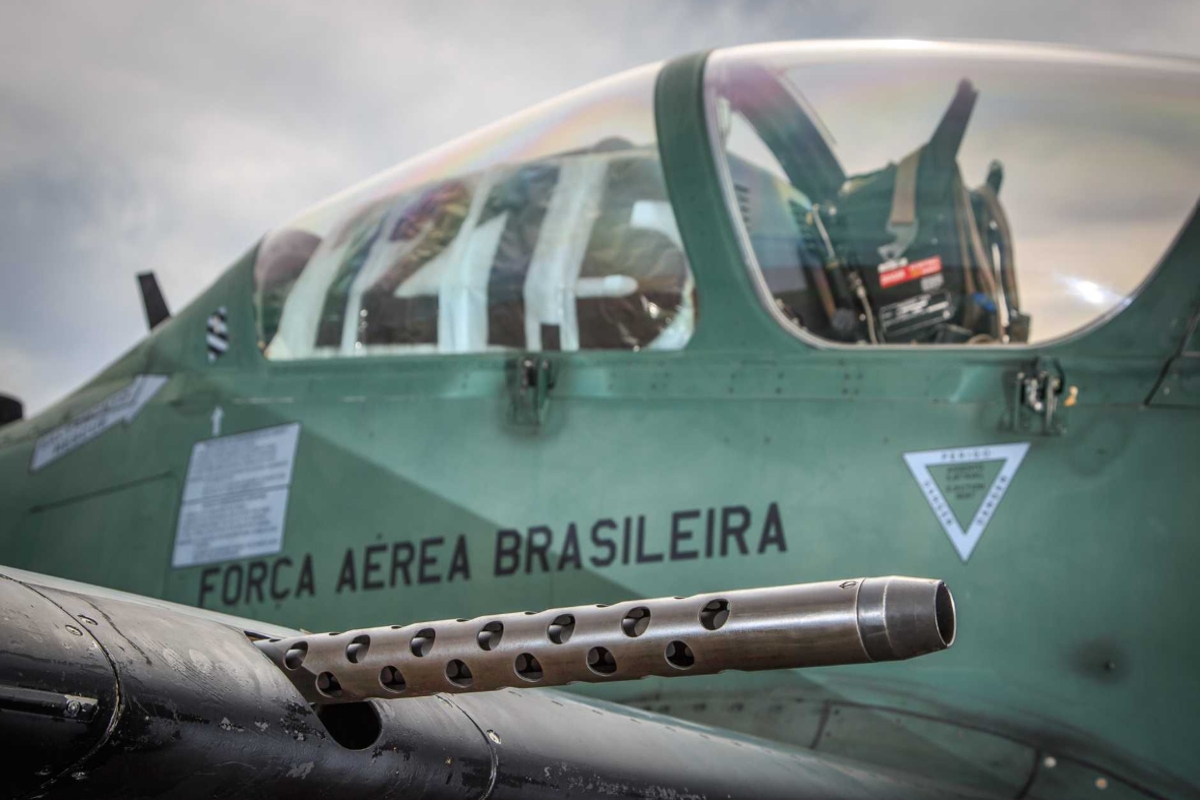
The cockpit seats two crew members in tandem. Visibility is exceptional. Large canopy windows give pilots clear views in all directions.
The Super Tucano earned its reputation through combat use. Air forces in Afghanistan, Colombia, and West Africa have proven its effectiveness. For Panama first combat aircraft selection, the A-29’s proven track record mattered enormously.
The turboprop surveillance aircraft role fits perfectly. The A-29 can patrol for hours, identify threats, communicate with ground forces, and engage targets when necessary.
Technical Specifications and Capabilities
The A-29 Super Tucano performance starts with its engine. The Pratt & Whitney PT6A-68C engine produces 1,600 shaft horsepower. This turboprop powerplant is legendary for reliability.
Turboprops burn less fuel than jets. This translates to longer patrol times and lower operating costs. For Panama first combat aircraft operations, fuel efficiency means extended missions over vast ocean territories. Maximum speed reaches 367 mph. Range exceeds 720 miles with internal fuel.
The electro-optical sensors represent cutting-edge technology. Modern targeting pods provide infrared imagery, laser designation, and target tracking. Pilots can identify vessels, vehicles, or personnel from miles away. They can track moving targets automatically while maneuvering.
Five hardpoints armament gives the A-29 serious punch. The aircraft can carry precision-guided munitions, unguided rockets, gun pods, external fuel tanks, and electronic warfare pods. Two wing-mounted .50 caliber machine guns come standard. These provide immediate firepower for interdiction missions.
Surveillance and interdiction aircraft features include encrypted communications, GPS navigation, and mission computers. The avionics suite rivals systems found in far more expensive jets.
Night vision compatibility allows 24-hour operations. Combined with infrared sensors, this makes the A-29 a true all-weather, day-night platform. Criminal organizations operate at night. Panama first combat aircraft must match that operational tempo.
Maintenance requirements are straightforward. The PT6A engine is used in hundreds of aircraft types worldwide. Parts are readily available. Technicians can be trained relatively quickly. This keeps the aircraft flying rather than sitting in hangars.
Role of SENAN in Panama’s Air Operations
Servicio Nacional Aeronaval SENAN operates as Panama’s primary maritime and air security force. Created in 2008, it combines coast guard and naval aviation functions.
SENAN aircraft now include helicopters, patrol planes, and combat-capable platforms. The naval aviation package Panama developed includes pilot training, maintenance facilities, and operational planning capabilities.
Interdiction mission Panama focuses heavily on countering drug trafficking. Cocaine shipments move through Panamanian waters constantly. SENAN aircraft can spot these vessels, track them, and coordinate with patrol boats for interdiction.
Sea and aerial patrol Panama now operates with better coordination. SENAN helicopters work alongside fixed-wing aircraft and surface vessels.
SENAN pilots undergo rigorous training. Many train alongside Brazilian, Colombian, or U.S. counterparts. This builds tactical skills and regional cooperation.
The organization also handles environmental protection and search and rescue. Panama first combat aircraft expands SENAN’s mission profile significantly. Previously, if a threat required armed response, SENAN had to request assistance from partner nations.
Regional Context: How Panama Compares to Its Neighbors
Panama joins a growing list of Latin American A-29 operators. Brazil operates the largest Super Tucano fleet with over 60 aircraft. Colombia fields approximately 25 aircraft used extensively in counter-drug operations.
The Brazil and Colombia A-29 experience provides valuable lessons. Both nations have used the aircraft in real combat situations.
Colombia’s experience is particularly relevant. The country faces similar challenges: drug trafficking, illegal mining, and border security. Colombian Super Tucanos have flown thousands of combat missions with impressive results.
Regional combat aircraft trends show a clear pattern. Nations are moving away from expensive fighter jets for internal security missions. Light attack aircraft in Latin America make economic sense.
Ecuador operates Super Tucanos for border patrol. Chile uses them for training and light attack roles. Dominican Republic employs them for maritime patrol.
Panama joins regional A-29 operators at an opportune time. Spare parts networks exist throughout the region. Training opportunities abound. Maintenance expertise is readily available.
The Super Tucano represents a middle path. It’s far more capable than basic patrol aircraft. It costs far less than fighter jets. For Panama first combat aircraft decision, this balance proved perfect.
Cost, Efficiency, and Strategic Value
The lower operating costs aircraft factor heavily influenced Panama’s choice. Operating a Super Tucano costs roughly $1,000 per flight hour. Compare that to modern fighter jets that can exceed $20,000 per hour.
Over a 20-year service life, fuel and maintenance savings alone can equal the aircraft’s purchase price multiple times over. This fiscal responsibility matters for nations with limited defense budgets.
Cost-effective military aircraft deliver capability without breaking budgets. Panama doesn’t face threats requiring supersonic fighters or stealth technology. The country needs reliable patrol platforms that can fly daily missions.
The capability vs cost investment calculation favors turboprops for Panama’s mission set. A single A-29 can accomplish tasks that previously required multiple platforms or international assistance.
Optimized spending aviation means matching aircraft to missions. Fuel consumption illustrates the efficiency gap. The PT6A engine burns roughly 60 gallons per hour. Jet fighters burn several times that amount. For daily patrols, these costs compound rapidly.
Maintenance simplicity reduces costs further. Turboprop engines require less frequent overhauls than jets. Parts cost less. Training costs drop when using the same platform for training and operations. Panama doesn’t need separate trainer aircraft and operational platforms.
The strategic value extends beyond immediate capabilities. Operating Panama first combat aircraft builds institutional knowledge. SENAN develops tactics and procedures that improve overall effectiveness. International partnerships strengthen when nations operate compatible equipment.
What This Means for Panama’s Aviation Future
The Panama aviation future looks significantly different after this acquisition. The Super Tucano isn’t an endpoint. It’s a beginning.
Future aircraft modernization will likely build on this foundation. Once SENAN masters operating combat-capable aircraft, more advanced platforms become possible. The organizational learning happens now.
Expanding Panama’s air fleet may include additional Super Tucanos. Many nations start with small numbers and expand as budgets allow. Three to six aircraft provide constant coverage with scheduled maintenance rotations.
Other platforms could join the fleet. Maritime patrol aircraft with longer range could complement the Super Tucanos. Transport aircraft might support SENAN operations in remote areas. Tactical support aircraft for special operations represent another possibility.
Infrastructure development will continue. Air bases need upgraded facilities. Maintenance hangars require specialized equipment. Weapons storage must meet international standards. These investments support long-term aviation operations.
Pilot training programs will expand. Currently, pilots train abroad or with visiting instructors. Eventually, Panama may develop indigenous advanced training capabilities.
The aviation culture within SENAN will mature. Operating Panama first combat aircraft requires different mindsets than flying patrol planes. Tactics become more sophisticated. Mission planning grows more complex.
Regional leadership opportunities emerge. As Panama gains experience, it could host training for other nations. The country could become a regional center of excellence for light attack aviation. Technology upgrades will happen periodically. Avionics improve constantly. New weapons become available.
Conclusion: A Historic Milestone for Panama
Panama’s aviation milestone represents more than adding aircraft to an inventory. It marks national evolution in how the country protects its interests.
The first combat aircraft acquisition establishes new standards for national defense. Panama demonstrated that small nations can develop serious military aviation capabilities when they match platforms to missions intelligently.
The A-29 Super Tucano Panama selected fits the country’s needs perfectly. It’s affordable, capable, reliable, and proven in regional operations.
Enhanced Panama air capability ripples through every security mission. Drug interdiction becomes more effective. Border patrol gains new teeth. Maritime surveillance covers more area. The Panama Canal Authority operates under better protection.
This acquisition proves that smart defense planning doesn’t require massive budgets. It requires careful analysis and appropriate technology selection.
The men and women of SENAN now operate some of the most capable light attack aircraft in the world. Their performance will define whether this milestone leads to continued modernization.
For now, Panama can claim what few nations in Central America can: an independent tactical aviation capability backed by modern, combat-proven aircraft. Panama first combat aircraft won’t be its last.
For more information, visit Crewdaily.com.
