


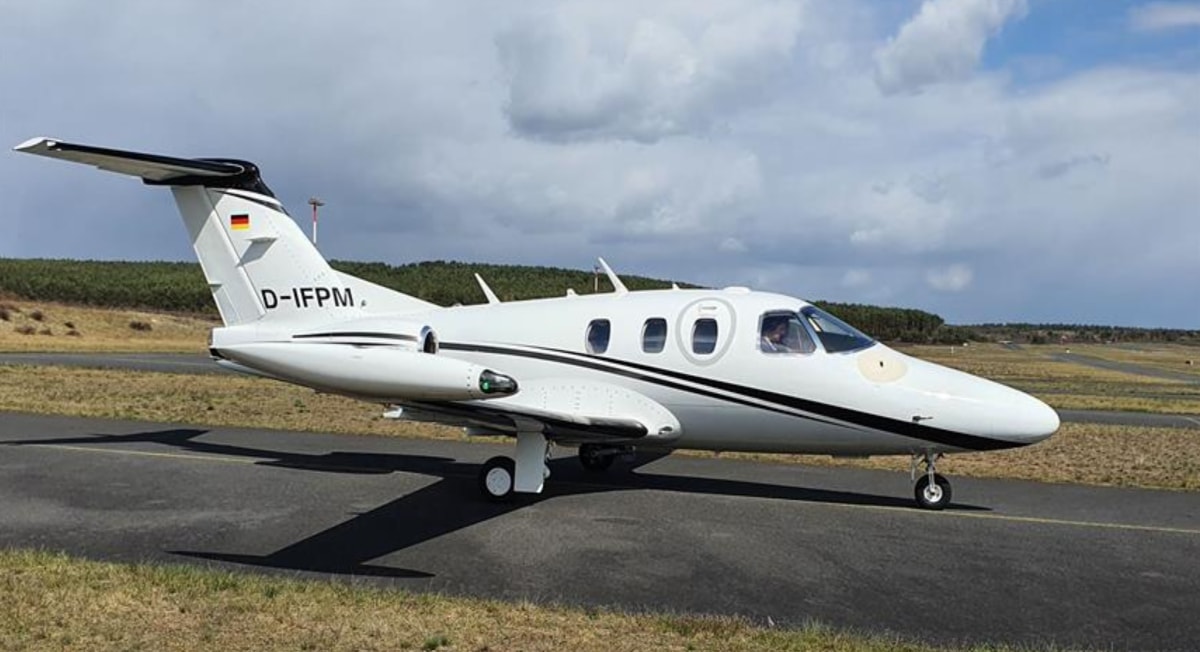
You want to buy or charter a private jet. You’re looking at entry-level options. But here’s the problem: Very light jets and light jets seem almost identical. They’re not.
This guide breaks down the real differences. You’ll know which aircraft matches your mission by the end.
What Makes a Very Light Jet Different?
Very light jets weigh under 10,000 pounds at takeoff. They seat four to six passengers comfortably. Think of them as the compact cars of private aviation.
Popular VLJ models include the Citation Mustang, Phenom 100, and HondaJet. These aircraft revolutionized private flying when they launched in the 2000s.
The key advantage? Lower operating costs. You’ll spend less on fuel, maintenance, and hangar fees. Single-pilot certification cuts crew expenses significantly.
VLJs handle short runways exceptionally well. You can land at 3,000-foot strips that larger jets can’t access. This opens up thousands of smaller airports nationwide.
Light Jets Offer More Space and Range
Light jets push the weight limit to 20,000 pounds. They accommodate six to eight passengers with actual legroom. The cabin stands taller, walks wider.
The Citation CJ3, Learjet 40, and Phenom 300 dominate this category. These workhorses serve business travelers who need reliability and comfort.
Range separates light jets from their smaller cousins. Most light jets fly 1,500 to 2,500 nautical miles nonstop. That’s New York to Denver without refueling.
Light jets include proper lavatories. Not tiny closets—actual facilities with privacy. This matters on three-hour flights.
Performance Comparison: Speed and Altitude
VLJs cruise at 360 to 420 knots. Light jets hit 400 to 450 knots. The speed difference matters on longer routes but barely registers on one-hour hops.
Both categories reach 41,000 to 45,000 feet. Flying high means smoother rides above weather and commercial traffic. You’ll arrive relaxed, not exhausted.
Climb rates favor light jets slightly. They reach cruising altitude faster, saving time on short trips. But VLJs climb impressively for their size.
Takeoff distance matters more than most realize. VLJs need 3,000 to 3,500 feet. Light jets require 3,500 to 4,500 feet. Choose VLJs for accessing remote strips.
Cabin Comfort: Where You’ll Feel the Difference
VLJ cabins measure roughly 4.5 feet tall and 4.5 feet wide. You’ll sit comfortably but can’t stand fully. Club seating puts four passengers face-to-face.
Light jet cabins reach 5 to 5.5 feet in height. Most adults stand without hunching. Width expands to 5 feet, giving everyone breathing room.
Baggage capacity tells the real story. VLJs hold 40 to 60 cubic feet of luggage. Light jets offer 60 to 90 cubic feet. Pack an extra suitcase without stress.
Refreshment centers in VLJs provide drinks and snacks. Light jets feature proper galleys with food warming capability. Long flights demand better catering options.
Operating Costs: The Financial Reality
VLJs cost $1,200 to $1,800 per flight hour. Light jets run $2,000 to $3,500 per hour. The gap narrows when you split costs among more passengers.
Fuel consumption drives the difference. VLJs burn 100 to 150 gallons hourly. Light jets consume 150 to 200 gallons. Fuel prices fluctuate but proportions stay consistent.
Maintenance expenses scale with complexity. VLJs need simpler systems, reducing annual costs by $50,000 to $100,000 compared to light jets.
Insurance premiums reflect aircraft value and usage. Expect to pay 1-2% of hull value annually for both categories. Light jets cost more upfront, so premiums run higher.
Range and Mission Capability
VLJs excel at trips under 900 nautical miles. Think Los Angeles to Las Vegas, Chicago to Indianapolis, or Miami to Atlanta. Perfect for regional business travel.
Light jets handle 1,500 to 2,000 nautical miles easily. You can fly coast-to-coast with one fuel stop. Boston to Denver becomes practical for same-day meetings.
Payload affects range dramatically. Loading six passengers plus luggage in a VLJ cuts range by 20-30%. Light jets maintain range better with full loads.
Weather capability matters for safety and scheduling. Both categories handle typical weather well. Light jets offer slightly more reserves for diversions.
Passenger Capacity: Who Flies With You?
VLJs seat four passengers comfortably. Some configurations squeeze in five or six, but comfort suffers noticeably. Stick to four for flights over 90 minutes.
Light jets accommodate six to seven passengers easily. Everyone gets proper seating with fold-out tables. Business teams travel together without cramming.
Crew requirements differ significantly. VLJs operate with a single pilot, saving costs and cabin space. Light jets typically need two pilots, especially for longer routes.
Flight attendant space doesn’t exist in VLJs. Light jets sometimes include jump seats for attendants on longer flights. Self-service works fine for most trips.
Airport Access and Flexibility
VLJs land at 5,000+ airports nationwide. This includes small municipal strips ignored by commercial airlines. You’ll park closer to final destinations.
Light jets access 3,500+ airports comfortably. The network still dwarfs commercial aviation’s 500 serviced airports. You’ll skip major hub congestion.
FBO facilities vary by airport size. Smaller airports offer basic services but fast turnarounds. Larger FBOs provide luxury lounges and full amenities.
Runway surface matters less than you’d expect. Both categories handle asphalt and concrete easily. Grass strips work for some VLJs but require careful assessment.
Which Aircraft Matches Your Mission?
Choose VLJs for short regional trips with small groups. You’ll save money and access more airports. Perfect for business owners making frequent day trips.
Pick light jets for longer routes with more passengers. The comfort difference justifies higher costs on three-hour flights. Better for client entertainment and team travel.
Consider your typical passenger count carefully. Flying solo or with one person wastes VLJ capacity. Four to six passengers regularly justifies light jets.
Budget determines realistic options ultimately. VLJs cost less to own and operate but offer less capability. Light jets demand higher investment but deliver more flexibility.
Safety Standards Across Both Categories
Both categories meet identical FAA Part 25 certification standards. Safety records remain excellent across all modern models. Age and maintenance matter more than size.
Advanced avionics systems equip both jet types. Synthetic vision, traffic avoidance, and weather radar come standard. Technology levels the safety playing field.
Pilot training requirements ensure competence regardless of aircraft. Professional pilots maintain currency through regular simulator sessions and check rides.
Maintenance schedules follow manufacturer specifications strictly. Reputable operators never cut corners on safety regardless of aircraft category.
Ownership vs Charter Considerations
Buying a VLJ makes sense flying 200+ hours annually. Purchase prices range from $2 million to $5 million for quality used aircraft. Operating costs stay manageable.
Light jet ownership works at 250+ hours yearly. Expect $4 million to $10 million for used models. Fixed costs rise but per-hour economics improve.
Charter programs offer flexibility without ownership headaches. Jet cards provide guaranteed availability at set hourly rates. Try both categories before committing.
Fractional programs split ownership among multiple parties. You’ll own 1/16th or 1/8th share of an aircraft. This works well for 50-100 hours annually.
Technology and Avionics Comparison
Modern VLJs feature glass cockpits with advanced flight management systems. Touchscreen controls simplify operations. Single pilots handle everything confidently.
Light jets typically offer more redundant systems. Dual everything provides backup security. This matters for longer flights over challenging terrain.
Cabin management systems control lighting, temperature, and entertainment. VLJs offer smartphone apps for basic controls. Light jets provide more sophisticated options.
Wi-Fi availability varies by operator and aircraft age. Most VLJs skip connectivity to save weight. Light jets increasingly include high-speed internet as standard.
Environmental Impact and Efficiency
VLJs produce lower carbon emissions per trip due to smaller engines. You’ll burn less fuel moving fewer passengers shorter distances.
Light jets emit more total carbon but carry more passengers. Per-person emissions become competitive with VLJs on full flights.
Newer engines meet strict EPA standards across both categories. Technology improvements continue reducing environmental impact industry-wide.
Sustainable aviation fuel works in both jet types. Availability remains limited but adoption grows. Choose operators committed to environmental responsibility.
Making Your Decision
Map your typical routes first. Measure distances and count usual passengers. This reveals which category handles 80% of your missions.
Test fly both categories before deciding. The experience differs noticeably. What looks acceptable on paper might feel cramped in reality.
Calculate total costs honestly. Include hangar fees, insurance, crew salaries, and maintenance reserves. Hidden costs sink unprepared owners.
Work with experienced aviation advisors. They’ll match your needs to specific aircraft models. Their expertise prevents expensive mistakes.
Frequently Asked Questions
Can a very light jet fly cross-country?
Yes, but you’ll need fuel stops. Most VLJs fly 800-1,000 nautical miles per leg. Plan for one or two stops on transcontinental trips. Light jets might complete the journey with one stop.
How much does it cost to charter a VLJ vs light jet?
VLJs run $2,000-$3,000 per flight hour typically. Light jets cost $3,500-$5,000 hourly. Prices vary by route, aircraft type, and operator. Always get quotes from multiple providers.
Which jets have the best safety records?
Both categories maintain excellent safety records. Citation and Phenom models lead reliability rankings. Modern aircraft with proper maintenance all prove extremely safe. Age matters more than size.
Can very light jets fly internationally?
VLJs handle short international routes like US-Canada or US-Caribbean easily. European flights require multiple stops and careful planning. Light jets make international travel more practical.
What’s the minimum runway length needed?
VLJs need 3,000-3,500 feet typically. Light jets require 3,500-4,500 feet. Both categories access thousands more airports than commercial airlines. Always verify runway specs for your specific aircraft.
Do I need two pilots for light jets?
Most light jets require two pilots for commercial operations. Owner-flown aircraft sometimes allow single-pilot operations with proper certification. Insurance requirements often mandate two pilots regardless.
How long does it take to buy a private jet?
Expect 3-6 months for the entire process. This includes aircraft search, inspection, financing arrangement, and delivery preparation. Pre-owned aircraft move faster than factory orders.
Can these jets fly above bad weather?
Both categories cruise at 41,000-45,000 feet, above most weather systems. You’ll avoid turbulence that plagues airliners stuck at 35,000 feet. Smooth flights become the norm.
Final Thoughts
Very light jets serve short regional missions perfectly. They cost less and access more airports. Light jets handle longer routes with more passengers comfortably.
Your mission profile determines the right choice. Short hops with few passengers favor VLJs. Longer trips with larger groups justify light jets. Match the aircraft to your actual needs, not aspirations.
Start with charter operations. Fly both categories on real trips. The experience reveals which aircraft truly fits your lifestyle and business requirements. For more information, visit Crew Daily.
