





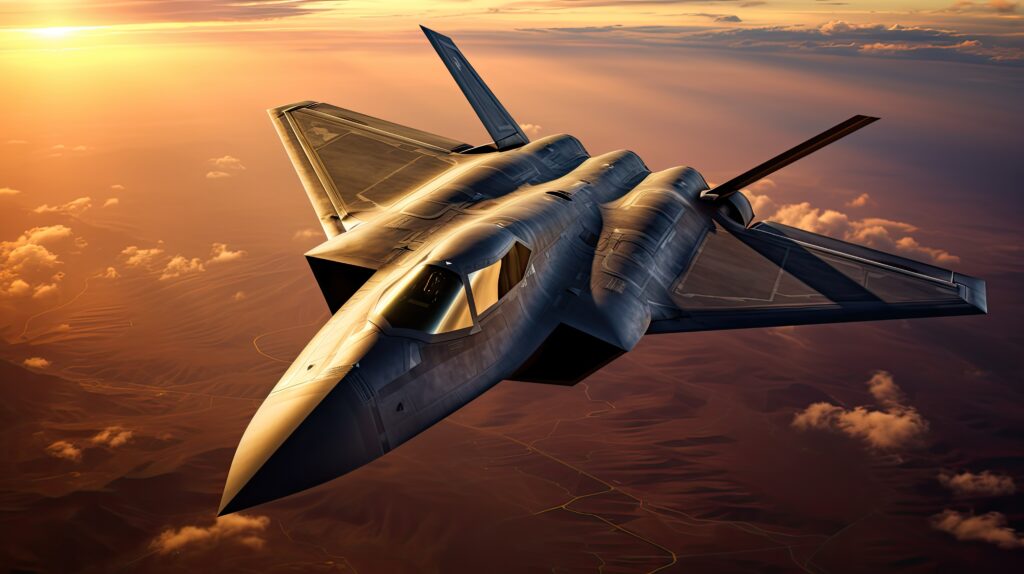
The NGAD/F-47 program is the United States Air Force’s bold attempt to leap beyond today’s F‑22 and F‑35 and field a truly 6th‑generation fighter ecosystem. Initial engineering and manufacturing development for the F‑47 alone is valued at about $20 billion, showing how serious the U.S. is about reshaping air combat for the 2030s and beyond. This program blends a crewed “mothership” fighter with swarms of autonomous Collaborative Combat Aircraft (CCAs), advanced stealth, and adaptive propulsion to counter near‑peer threats.
Key Takeaways
| Question | Short Answer |
|---|---|
| What is the NGAD/F-47 program? | The NGAD/F‑47 program is the U.S. Air Force’s 6th‑generation fighter initiative, centered on the Boeing-built F‑47 and a network of unmanned wingmen. For a deeper overview of 6th‑gen concepts, see the 6th generation fighter F‑47 guide. |
| How is NGAD different from F-22 and F-35? | Unlike single aircraft like the F‑22 and F‑35, NGAD is a “system of systems” mixing a crewed F‑47 with drones, AI, and advanced networking. You can compare it with legacy jets via this F‑22 vs F‑35 comparison. |
| How fast will a 6th‑gen F‑47 fly? | Exact speeds are classified, but it will likely exceed typical fighter speeds in the Mach 2+ class while optimizing range and persistence. For context, see typical figures in average speed of fighter jets. |
| What makes NGAD stealthier? | Next‑level shaping, radar‑absorbent materials, and sensor fusion push survivability beyond current stealth aircraft. The underlying ideas are similar to those in jets that evade radar detection. |
| When will CCAs join the F‑47? | The Air Force plans to field its first combat‑ready CCAs around 2028, aligning them with early NGAD operational timelines described in broader future‑airpower discussions. |
| How big will the NGAD fleet be? | Current concepts point to roughly 200–250 crewed F‑47s plus at least 1,000 CCAs, a mix that radically changes force structure compared to today’s fighter inventory. |
| Why does NGAD matter for global airpower? | NGAD is designed to counter advanced Russian and Chinese fighters and long‑range air defenses, in much the same way current fleets counter aircraft profiled in this modern Russian military aircraft guide. |
1. What the NGAD/F-47 Program Really Is: From Concept to Contract
The NGAD (Next Generation Air Dominance) program is not just another fighter jet project; it is a shift to a “family of systems” built around a 6th‑generation crewed aircraft now identified as the F‑47. In March 2025, Boeing won the contract to build this fighter, marking a decisive move to a single prime for the crewed part of the program. Within this architecture, the F‑47 acts as a highly survivable, sensor‑rich command node. It operates alongside CCAs—autonomous or remotely piloted drones that carry weapons, sensors, or jamming pods, extending the reach and survivability of the crewed jet. Together, they form an adaptive, modular air dominance package tailored to specific missions and threats.


2. Core 6th‑Generation Features Behind the F‑47
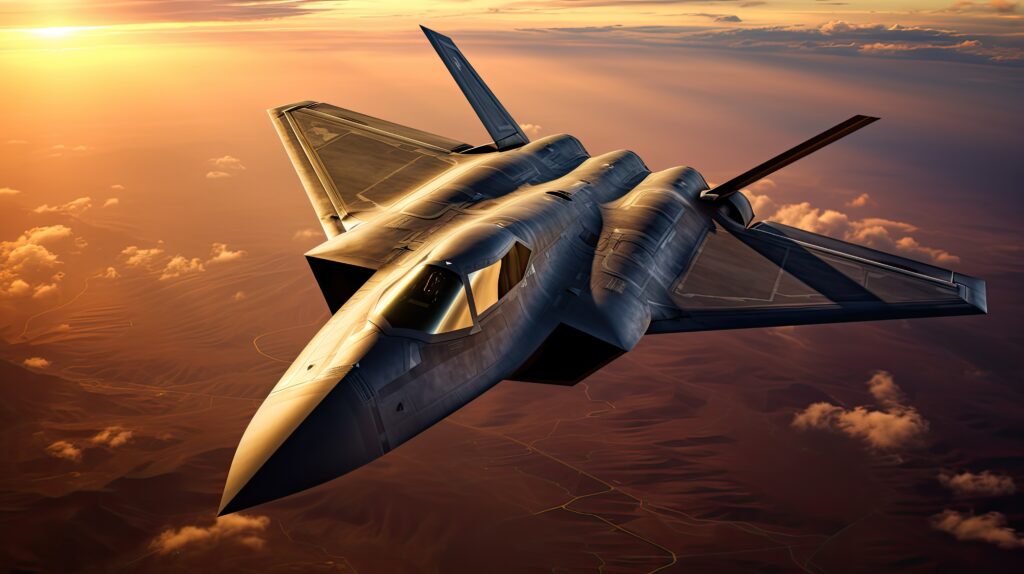
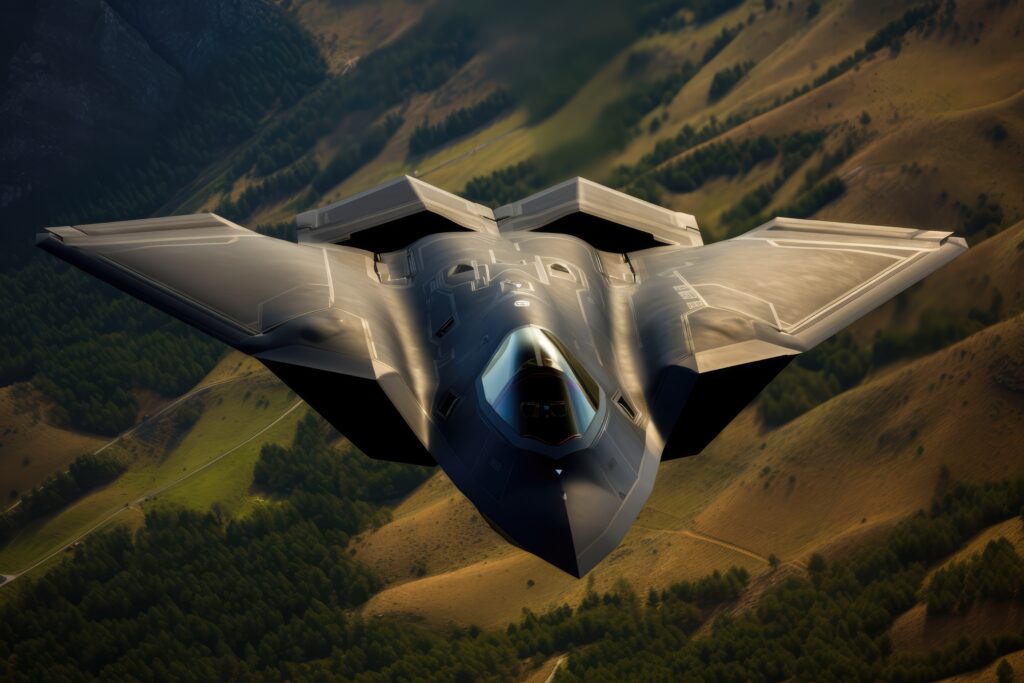
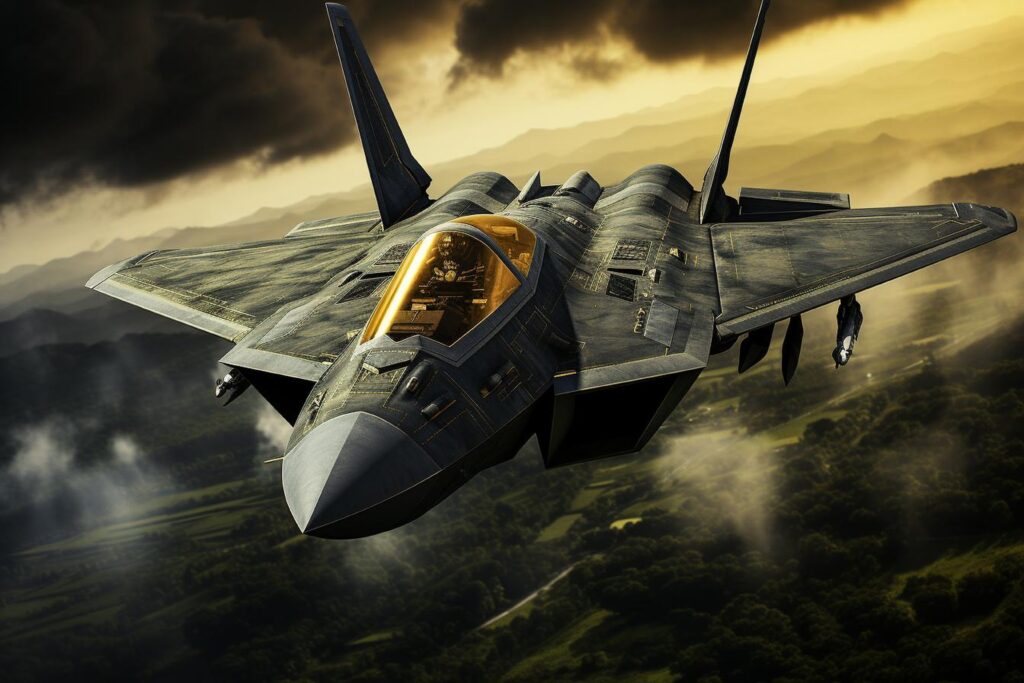
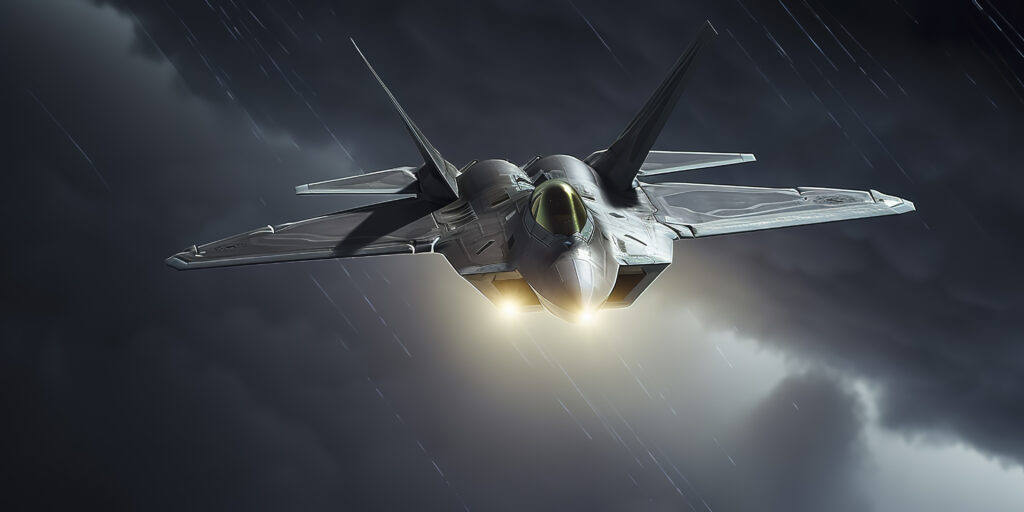
To understand the NGAD/F‑47 program, it helps to break down what defines a 6th‑generation fighter. Compared with 5th‑generation jets like the F‑22 and F‑35, 6th‑gen platforms prioritize sensor fusion, manned‑unmanned teaming, extreme networking, and adaptability over raw kinematic performance alone. They are designed to operate inside heavy electronic warfare and long‑range missile environments. Key expected 6th‑generation features include advanced stealth across multiple spectrums, powerful onboard computing and AI, adaptive engines that optimize for range and thrust, and deep integration with CCAs. Instead of a single “superjet” doing everything, 6th‑gen systems distribute roles across many cooperating platforms.

3. How the F‑47 Compares to F‑22 and F‑35
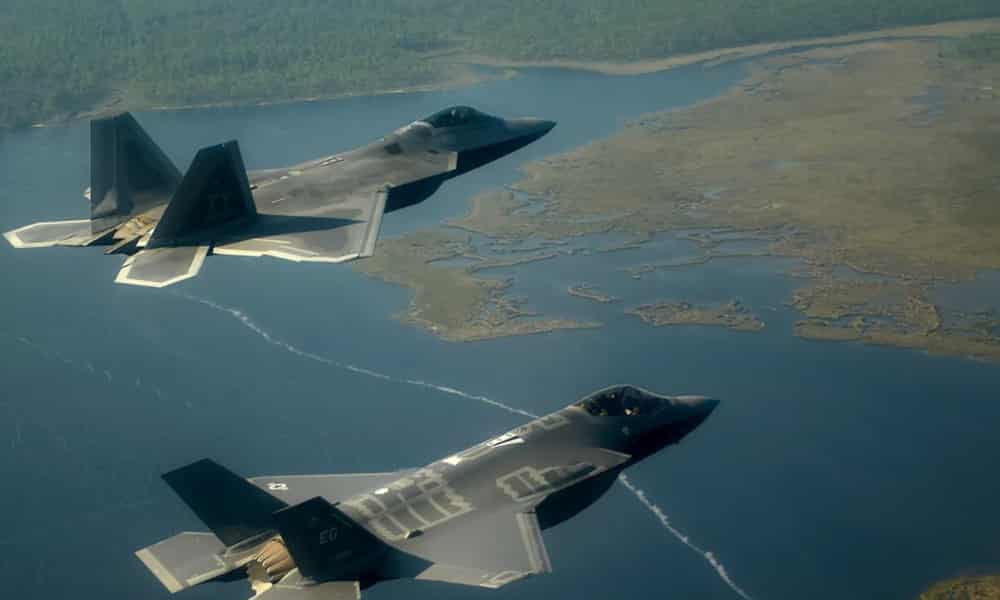
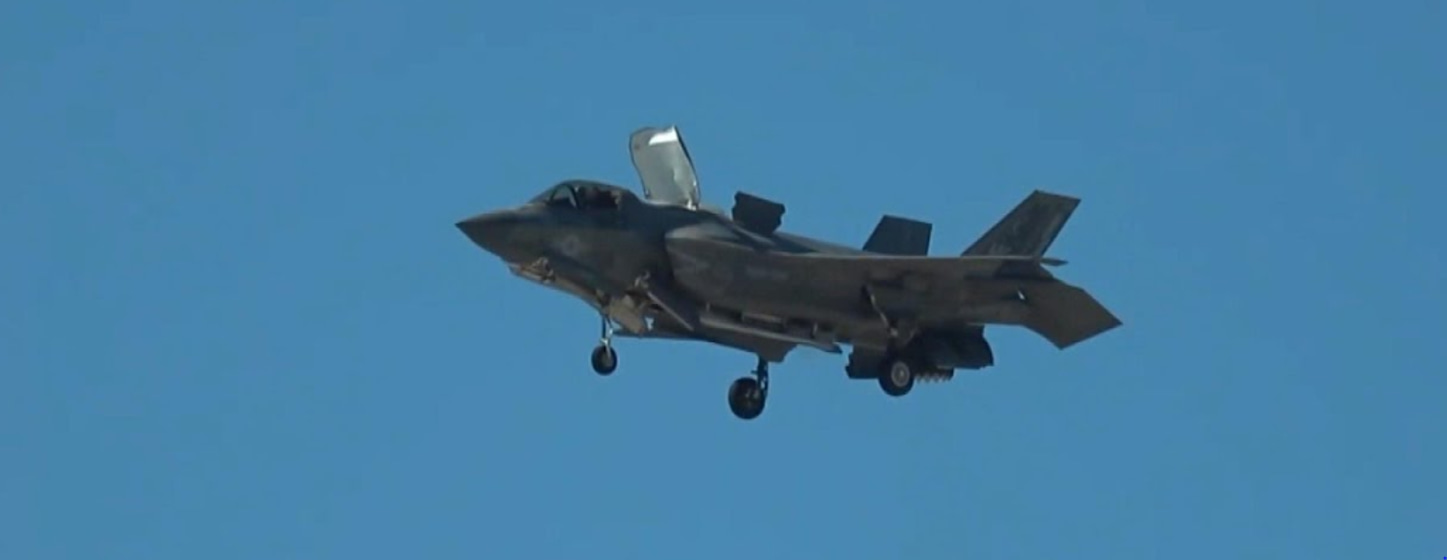
The F‑47 sits on top of the lineage that includes the F‑22 Raptor (air superiority specialist) and F‑35 Lightning II (multirole stealth aircraft). Where the F‑22 is optimized to win dogfights and the F‑35 to perform many roles with one airframe, the F‑47 acts as a battle manager and strike platform at the center of a larger web of systems. Its mission is not only to shoot down enemy aircraft but also to coordinate CCAs, manage information, and survive in the heaviest defended airspace. In cost terms, the F‑22 has unit costs in the roughly $143–150 million range, and the F‑35 family typically falls around $80–109 million per jet. By contrast, NGAD cost estimates have hovered around the $300 million per‑aircraft tail cost, roughly triple the F‑35, which is one reason the program has repeatedly faced affordability scrutiny.
| Aircraft | Generation | Primary Role | Indicative Unit Cost |
|---|---|---|---|
| F‑22 Raptor | 5th | Air Superiority | $143–150 million |
| F‑35 Lightning II | 5th | Multirole / Strike | $80–109 million |
| F‑47 (NGAD) | 6th (planned) | Networked Air Dominance | ~$300 million (estimated) |

4. Performance, Speed, and Combat Radius in the NGAD Era
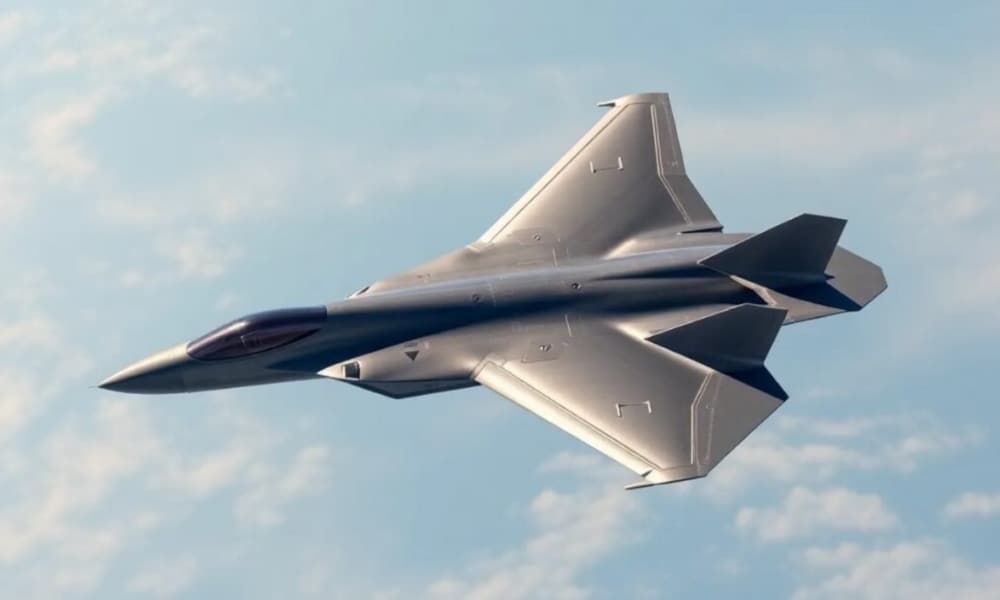
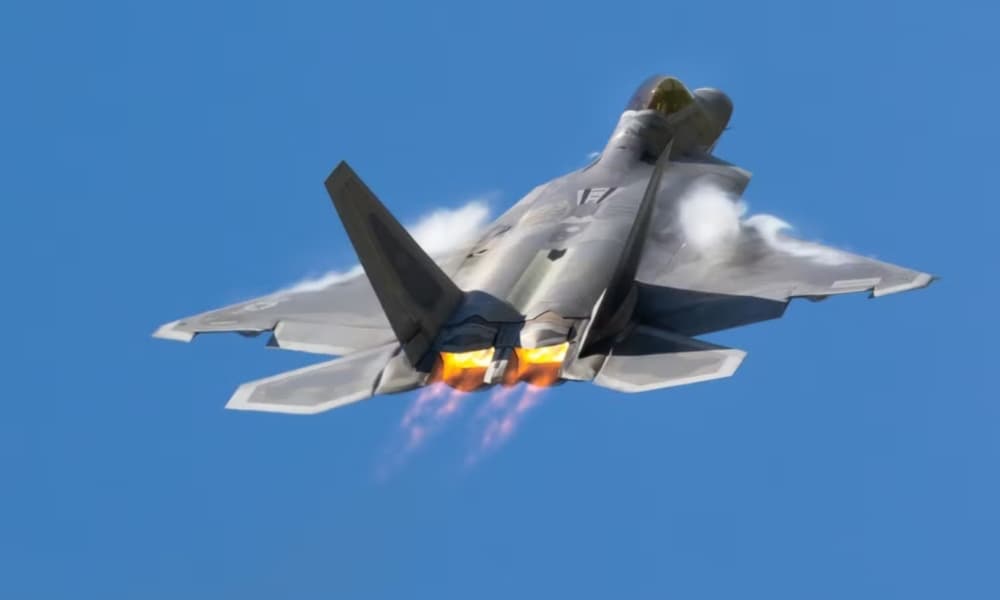
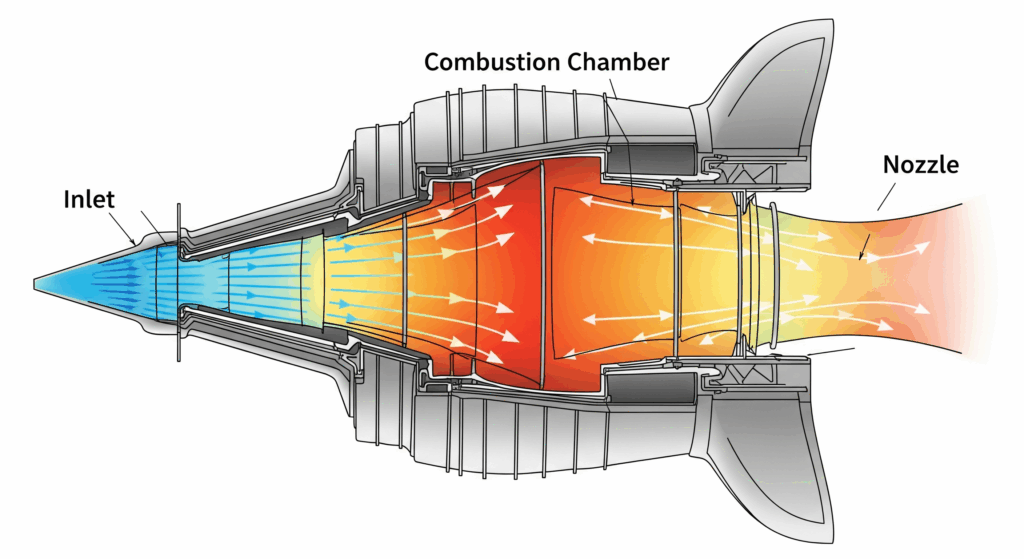
Exact performance numbers for the F‑47 are classified, but we can infer its design priorities from 6th‑generation concepts and existing fighter benchmarks. Modern fighters often cruise around Mach 0.9–1.2 and can dash between Mach 2.0 and 2.5; NGAD is expected to at least match this while pushing range and persistence further to operate across the vast Indo‑Pacific. Adaptive engines under the NGAP (Next‑Generation Adaptive Propulsion) effort should allow the F‑47 to switch between fuel‑efficient cruise and high‑thrust regimes. Combat radius will be critical. The F‑47 likely targets a much larger radius than the F‑35, allowing it to launch standoff weapons and direct CCAs deep into contested airspace without relying heavily on tankers. Instead of constantly sprinting at maximum speed, NGAD emphasizes “smart speed”: flying fast enough to stay survivable, but slow enough to maintain range, sensor coverage, and coordination with drones.
5. Stealth, Survivability, and Sensor Fusion in the F‑47
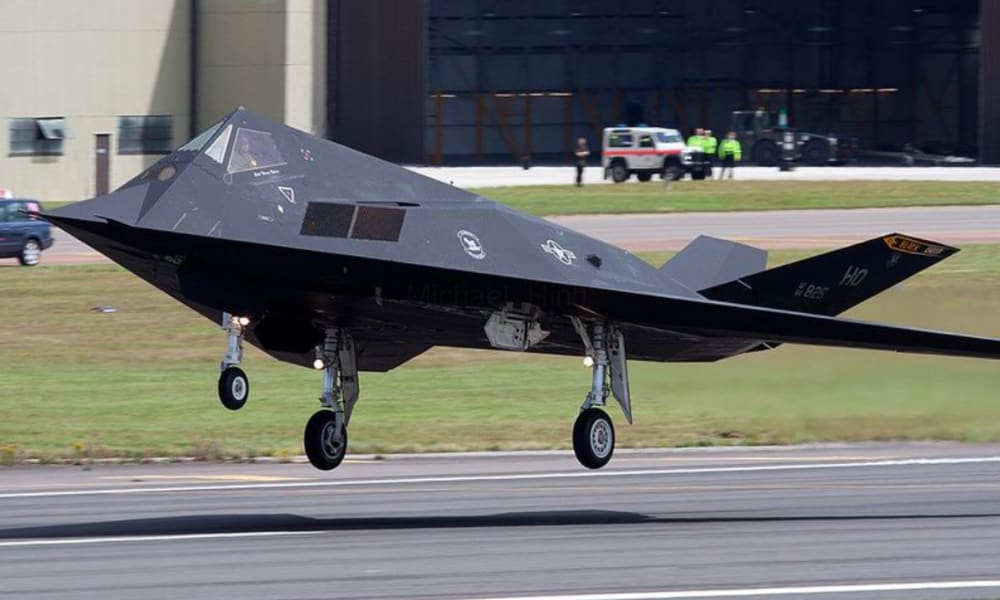
Stealth has been central to U.S. fighter design since the F‑117 and B‑2, and NGAD takes it further. Expect more refined shaping with fewer exposed surfaces, careful edge alignment, and internal weapon bays—all aimed at shrinking radar cross‑section, infrared signature, and even acoustic and electronic footprints. Materials will improve on the radar‑absorbent coatings used today, potentially requiring less maintenance and offering broader bandwidth absorption. Just as important is sensor fusion. The F‑47 should integrate radar, infrared search and track, electronic support measures, and off‑board data into a single, understandable picture for the pilot and AI. This allows the aircraft to detect threats earlier, use more subtle engagement tactics, and selectively turn sensors on and off to preserve stealth.
6. AI, Autonomy, and the “Digital Copilot” Concept
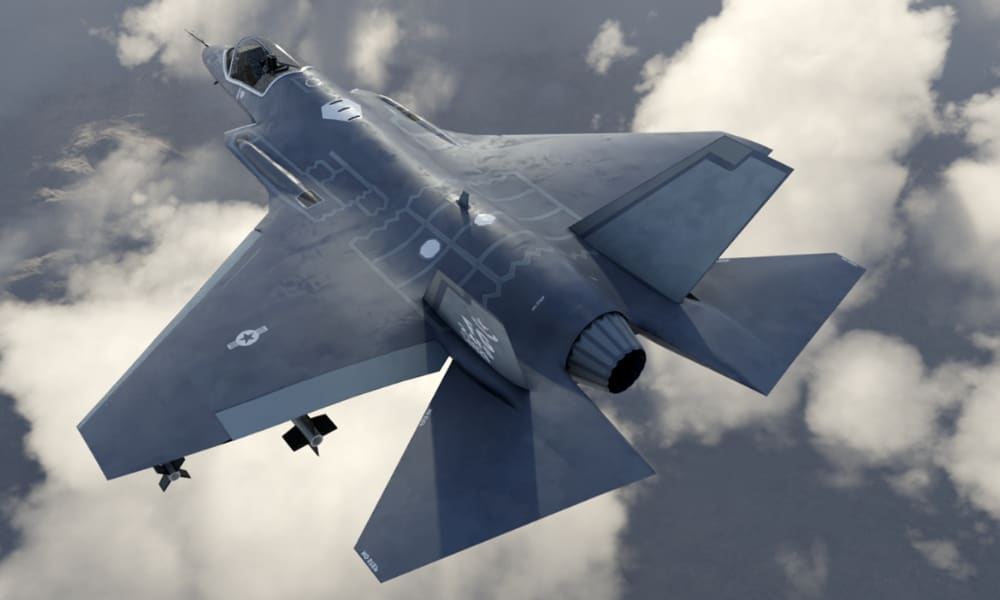
One of the defining features of the NGAD/F‑47 program is deep AI integration. Instead of a simple autopilot and warning system, the F‑47 is expected to host a “digital copilot” that helps with threat detection, route planning, weapons employment, and coordination with CCAs. This reduces pilot workload in high‑intensity combat and lets humans focus on command decisions. AI will also play a role in maintenance and mission planning. Predictive analytics can flag components before they fail, and simulated mission rehearsals can run thousands of variants to optimize tactics. In the cockpit, this could appear as adaptive displays that highlight only the most critical information at any moment, driven by what the AI predicts the pilot needs to see.



7. CCAs and Manned‑Unmanned Teaming: The Real Force Multiplier
Collaborative Combat Aircraft are unmanned systems designed to fly with the F‑47, carrying out roles from sensor extension to decoy, jamming, or weapons delivery. The Air Force envisions building at least 1,000 CCAs, with the first ready for combat around 2028. This sheer number hints at how much of the future force structure will be unmanned. Each CCA is expected to cost roughly an order of magnitude less than a crewed NGAD fighter—think in the $10–30 million range, compared with around $300 million for a single F‑47. That price difference allows commanders to accept higher risk with CCAs, sending them into the densest threats while keeping the human pilot and the expensive crewed aircraft farther back.
- Roles for CCAs: forward sensors, missile trucks, jammers, decoys.
- Control modes: AI‑driven autonomy, pilot tasking from the F‑47, or ground oversight.
- Benefit: more “weapons and sensors in the fight” without equal increases in crewed aircraft.


8. Cost, Budget, and Industrial Strategy of the NGAD/F‑47
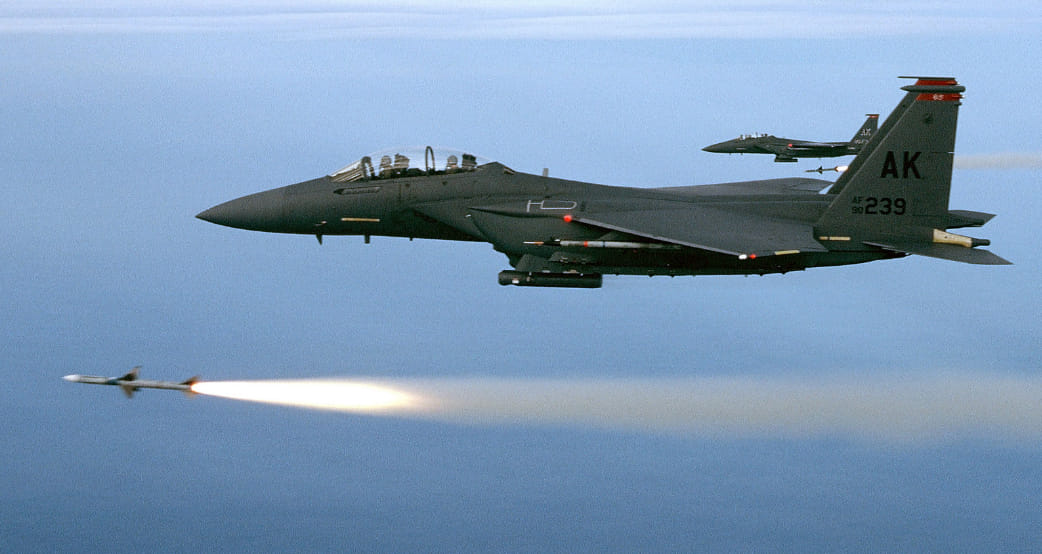
Money drives the NGAD/F‑47 program as much as technology. Initial F‑47 engineering and manufacturing development is valued around $20 billion, and the combined FY2025–FY2029 funding plan for NGAD and CCAs totals about $28.48 billion. On top of that sits separate funding for NGAP engines and supporting technologies. The Air Force aims to keep acquisition flexible to avoid locking into a single design for decades. The aircraft itself is expensive. Estimates suggesting around $300 million per F‑47 triggered a program pause in 2024, as leaders weighed whether such costs were sustainable alongside other priorities. This is one reason CCAs and modular upgrades matter: they offer a way to spread combat capability across many, relatively cheaper platforms while keeping the number of ultra‑expensive crewed fighters lower—roughly in the 200–250 aircraft range.


9. Global Competition: Why NGAD/F‑47 Matters Strategically
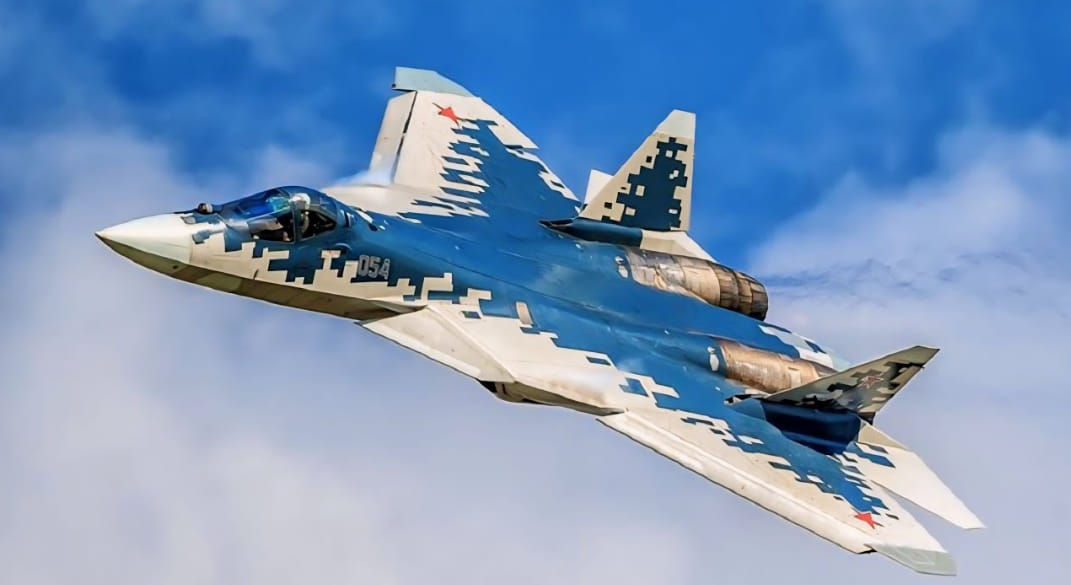
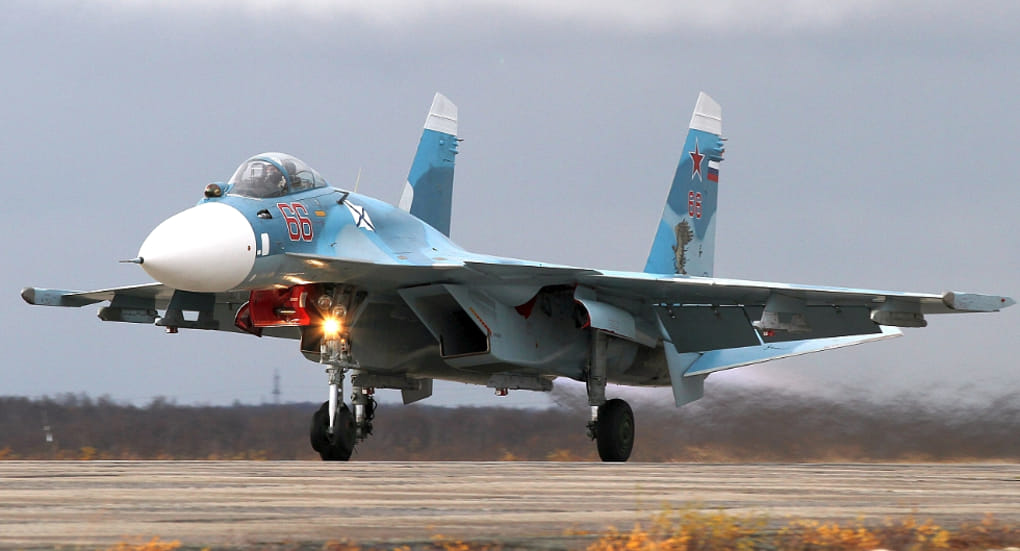
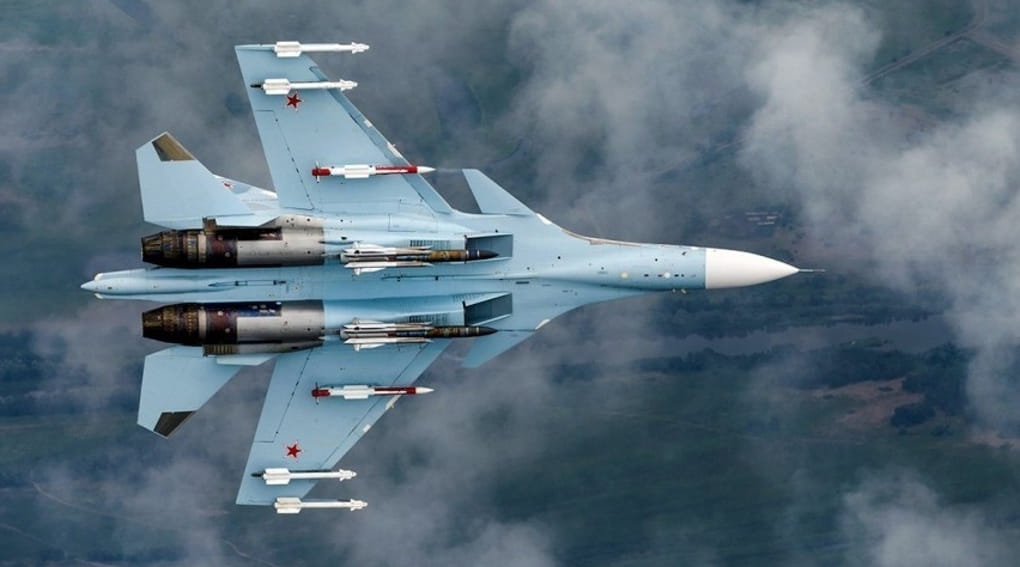
NGAD does not exist in a vacuum. Russia fields aircraft like the Su‑57 and Su‑35, while China develops its own stealth fighters and long‑range surface‑to‑air missile systems. These systems are designed to push U.S. aircraft away from key areas such as the Baltics or the South China Sea. NGAD’s long‑range, stealth, and teaming with CCAs directly target that anti‑access/area denial problem. Hypersonic weapons and aircraft, as well as improved sensors and cyber capabilities, further raise the stakes. The F‑47 must not only survive these threats but also help neutralize them early in a conflict. For U.S. allies and rivals alike, the emergence of a 6th‑generation ecosystem signals where air combat is heading—distributed, AI‑heavy, and designed to operate over great distances.

10. Timelines, Fleet Size, and What Comes After NGAD
Public budget documents place NGAD and CCA funding on a steep ramp through the late 2020s, with CCAs expected to achieve early combat readiness by 2028. The F‑47 itself is targeted for operational capability in the early‑to‑mid‑2030s, roughly when the F‑22 fleet will be aging out and adversary capabilities will have significantly improved. Expect an incremental rollout: test aircraft first, then limited operational squadrons, then broader integration with existing fleets. Over time, NGAD will influence everything from how pilots train to how satellites and ground networks are used. It may even set patterns for future naval and allied 6th‑generation programs. Once NGAD is in service, upgrades will likely focus on software, AI models, and new types of CCAs more than on major airframe redesigns, turning the F‑47 into a long‑lived but constantly evolving node in a much larger combat web.
Conclusion
The NGAD/F‑47 program is the U.S. Air Force’s answer to rapidly evolving threats and the limits of current 5th‑generation fighters. Centered on a highly capable, crewed F‑47 and surrounded by a large force of relatively low‑cost CCAs, it aims to deliver air dominance in the most contested environments on Earth. Massive investments—tens of billions of dollars in just a few years—highlight both the urgency and the complexity of this effort. For readers tracking modern airpower, NGAD is a pivot point. It blends stealth, AI, autonomy, and adaptive propulsion into a system of systems that will shape air combat strategies for decades. While many details remain classified or in flux, the direction is clear: the future of air warfare will be networked, manned‑unmanned, and built around platforms like the F‑47 that do far more than simply fly and fight on their own.